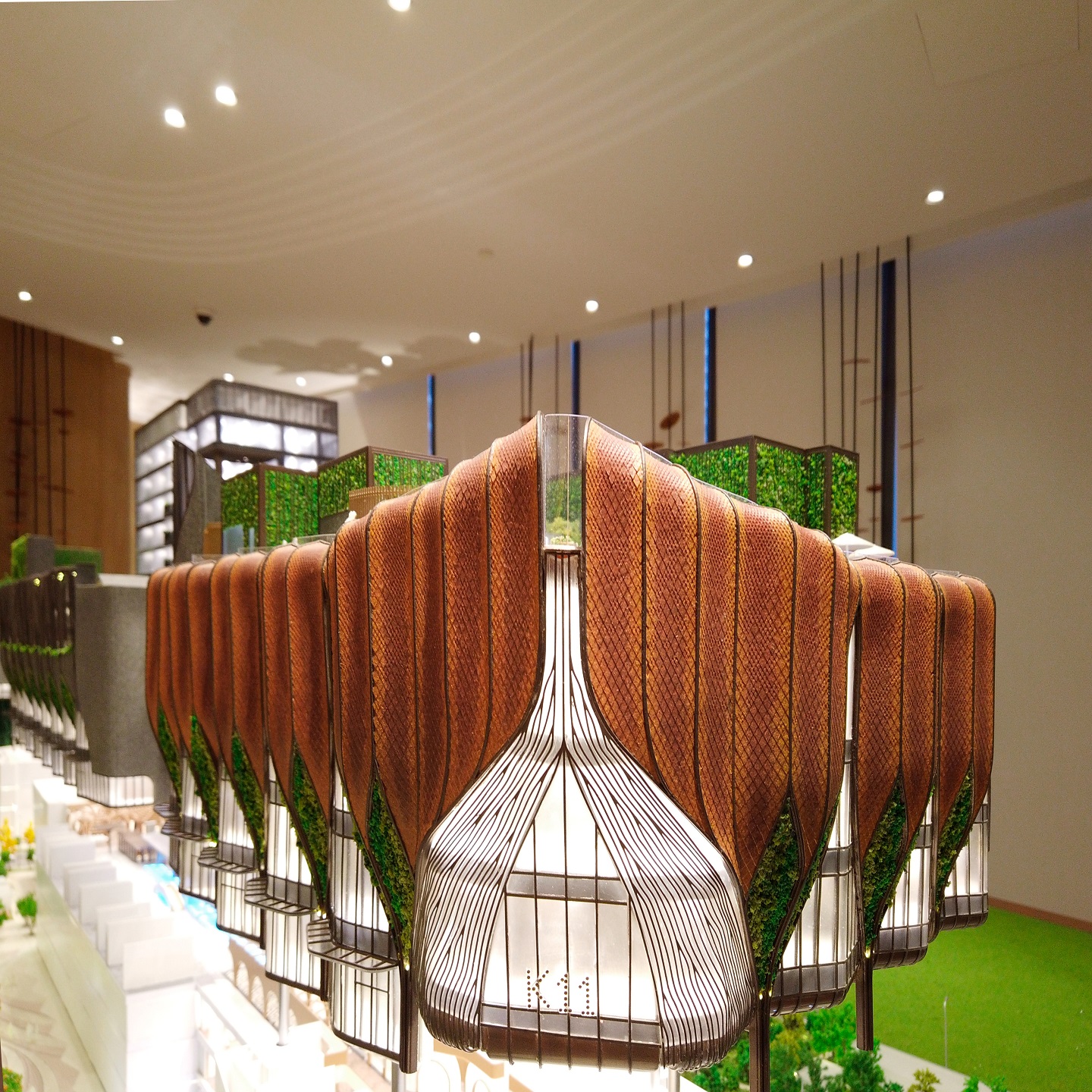
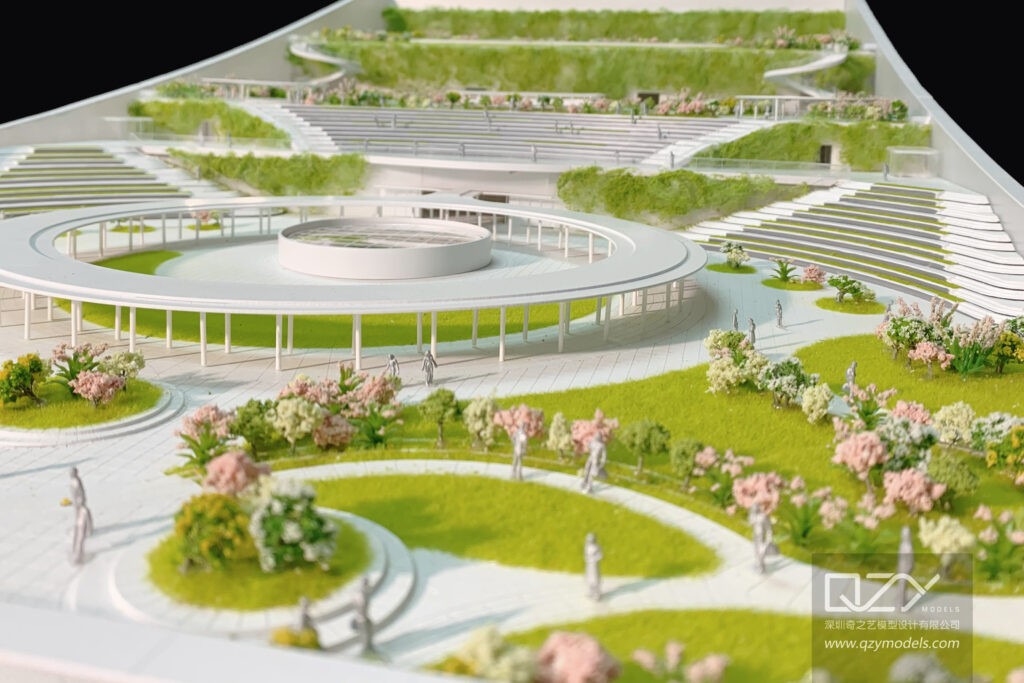
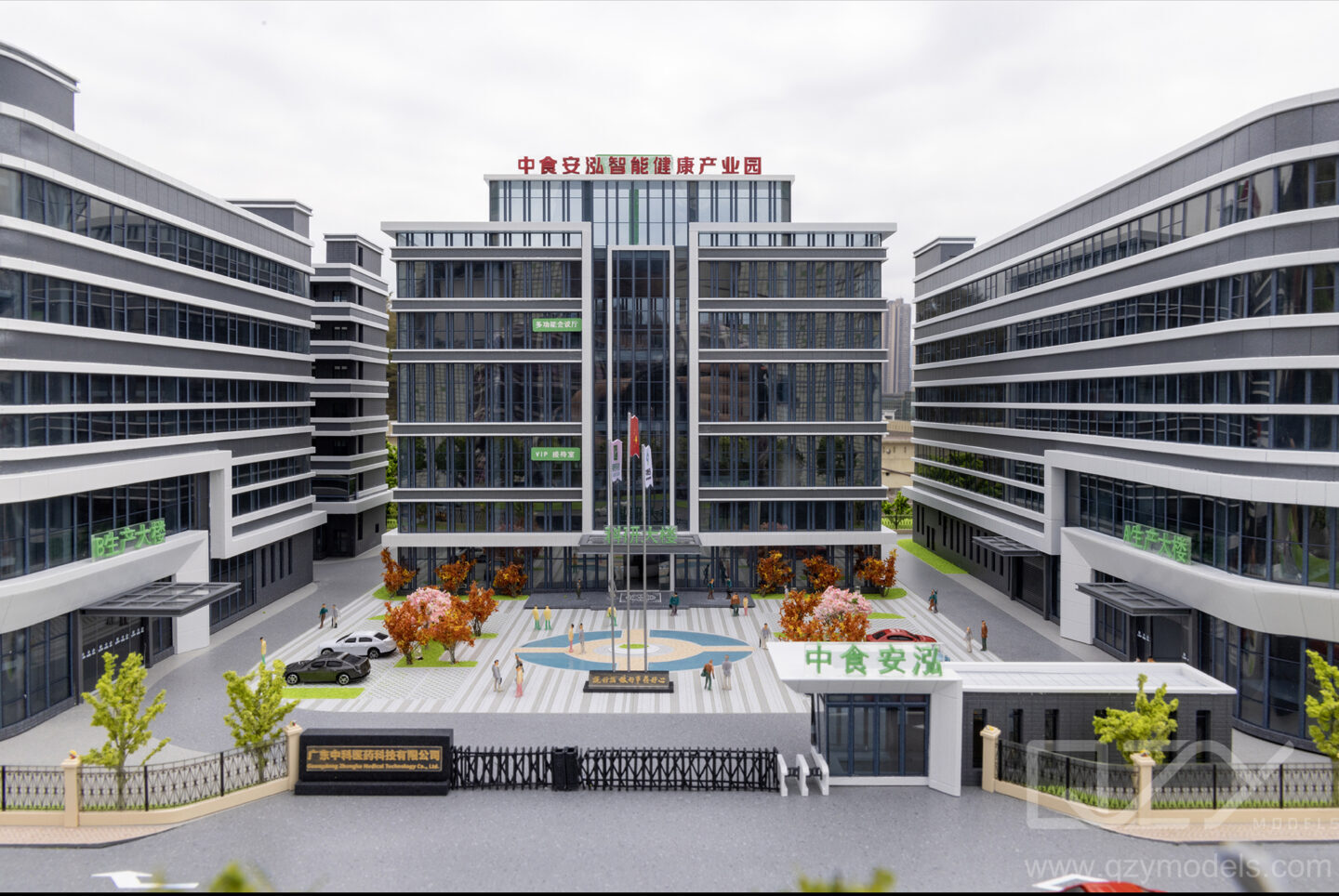
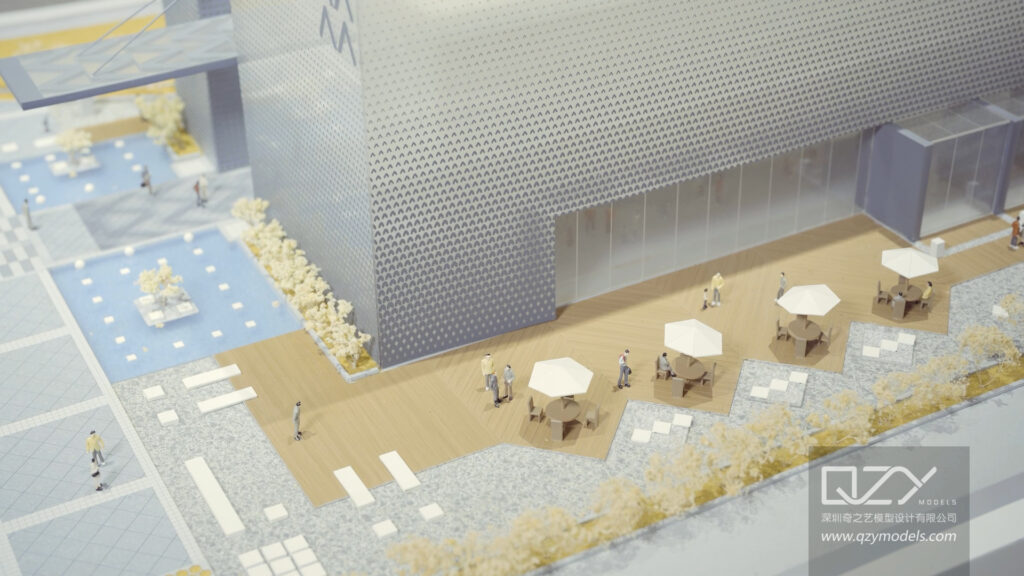
AI-generated 3D building models in dark colors are revolutionizing architecture by enabling faster concept generation, enhanced visualization, and realistic renders. These tools streamline workflows from initial design to client presentations, allowing architects to explore complex forms, materials, and lighting effects with efficiency and precision. QZY Models integrates these AI technologies to deliver accurate, high-quality models for global clients.
How Are AI Tools Transforming Architectural Design in 2026?
AI tools are reshaping architectural design by automating repetitive tasks, generating concept alternatives, and optimizing building performance. Architects can quickly explore multiple design iterations using AI-powered 3D modeling and visualization tools. Platforms such as Veras and Kaedim allow designers to convert 2D sketches into realistic 3D models, reducing manual workload and accelerating early-stage ideation. QZY Models leverages these tools to enhance design accuracy and visualization quality for clients worldwide.
What AI Tools Are Best for Early-Stage Concept Generation?
For early-stage design, AI tools like Veras and Kaedim enable architects to generate multiple concept variations quickly. Veras connects to BIM and CAD platforms, using machine learning to produce detailed images from geometric models. Kaedim allows conversion of schematic 2D ideas into 3D assets, supporting creative exploration without intensive manual modeling. These tools help QZY Models rapidly visualize client concepts with precision and professional quality.
| Tool | Function | Benefits |
|---|---|---|
| Veras | AI-powered visualization | Rapid concept generation, BIM integration |
| Kaedim | 3D asset creation from 2D ideas | Accelerates modeling, enhances creativity |
How Does AI Enhance Building Information Modeling (BIM)?
AI integration in BIM automates model generation, documentation, and performance simulations. Tools such as Archicad AI Visualizer produce 3D visualizations from text prompts, supporting early-stage design exploration. This allows architects and model makers like QZY Models to iterate faster while ensuring structural accuracy, sustainability, and workflow efficiency, bridging creative design with technical feasibility.
Which AI Tools Improve Visualization, Rendering, and Virtual Reality?
AI tools accelerate rendering, enhance realism, and support immersive VR presentations. Examples include:
-
Chaos AI Enhancer: Boosts realism of vegetation and people in renders.
-
Chaos AI Material Generator: Converts real-world photos into PBR materials for interior and exterior modeling.
-
Adobe Firefly: Provides generative text-to-image and recolor tools.
-
Dream Machine and KREA: Generate high-quality videos and images from text and visuals.
QZY Models employs these AI tools to deliver visually striking, client-ready models in dark color palettes that emphasize form, light, and material contrasts.
| Tool | Use Case | Advantage |
|---|---|---|
| Chaos AI Enhancer | Realism in renders | Lifelike assets with minimal effort |
| Adobe Firefly | Generative images and effects | Flexible for multiple design tasks |
How Are AI Tools Applied in Construction Planning and Site Management?
AI improves construction planning by optimizing site layouts, project feasibility, and progress tracking. Platforms like Archistar, Ark Design AI, Maket, and TestFit enable rapid iteration of building designs, cost estimation, and zoning compliance. QZY Models integrates these insights into physical scale models, helping clients visualize complex projects efficiently while ensuring regulatory adherence.
Can AI Support Code Compliance and Regulatory Adherence?
Yes, AI-powered platforms like ARCHITEChTURES analyze regulations and generate optimal building designs. They streamline feasibility studies, ensure compliance with local codes, and allow rapid design iterations. QZY Models benefits from this by producing models that align with legal and structural requirements, reducing errors during design review.
How Is AI Used in Architectural Education and Training?
AI tools provide educational support through generative design software, image synthesis, and simulation. Tools like DALL·E 3, Midjourney, and Stable Diffusion 3.5 Large enhance students’ creativity, allow experimentation with concepts, and automate repetitive visualization tasks. QZY Models collaborates with design schools to demonstrate real-world applications of AI-generated models in architectural practice.
Who Should Consider Integrating AI Tools into Their Design Workflow?
Architects, designers, and model-making companies benefit from integrating AI into their workflows. These tools optimize time, enhance creative exploration, and ensure project accuracy. QZY Models recommends viewing AI as a collaborative partner—helping professionals focus on higher-level design challenges while automating repetitive, time-intensive tasks.
QZY Models Expert Views
“AI tools are not a replacement for human creativity; they are an amplifier of precision and imagination. By integrating AI into our workflow, QZY Models can explore complex designs and material details faster while maintaining craftsmanship standards. The ability to visualize concepts in dark colors or intricate architectural patterns allows us to deliver models that inspire and inform clients, bridging the digital and physical design worlds.”
Conclusion
AI-generated 3D building models empower architects and model makers to streamline workflows, enhance visual communication, and improve project outcomes. By leveraging AI for concept generation, BIM integration, visualization, and construction planning, firms like QZY Models deliver precise, innovative, and visually compelling models. Integrating AI thoughtfully enables faster iterations, stronger client presentations, and greater design confidence.
FAQs
What are the limitations of AI tools in architectural design?
AI cannot fully replicate human creativity, cultural understanding, or nuanced decision-making. It complements but does not replace professional judgment.
Which AI tool is best for 3D modeling?
Kaedim is excellent for on-demand 3D asset creation, while Veras allows rapid visualization directly within BIM and CAD workflows.
Can AI improve sustainability in building design?
Yes, AI helps analyze energy efficiency, optimize material use, and recommend eco-friendly solutions, reducing environmental impact.
How does QZY Models implement AI for client projects?
QZY Models uses AI for design iteration, visualization, and planning, ensuring models are accurate, realistic, and client-ready.
Is AI suitable for architectural education?
Absolutely. AI tools enable students to experiment with complex concepts, visualize ideas quickly, and develop professional design skills.