QZY Models builds custom miniature models for clients and project teams that need to present a product, site, system, or technical concept in physical form. Send us your CAD files, technical drawings, specifications, or reference images, and our team turns them into a precise, scaled physical model built for the exact purpose you need — a client presentation, a stakeholder review, an exhibition display, or a permanent installation. Every miniature model is built to order, at the scale, finish, and level of detail your project calls for, using materials selected specifically for how and where the model will be used. Request a quote and we'll confirm scope, timeline, and cost.f a product, system, site, or technical concept. We create custom scale models around the project's dimensions, level of detail, presentation needs, and available design information.
No two project briefs are the same, so we don't work from a fixed template. You can start with whatever you have — full CAD files and technical drawings, product specifications, exact dimensions, or reference photos — and we'll confirm scale requirements and model size before fabrication begins. As a miniature model maker, our work covers everything from single technical components to full industrial and engineering projects, and each model is fabricated using materials matched to its purpose: display models built for long-term exhibitions, presentation models built to survive repeated handling in client meetings, or lightweight models built for shipping to trade shows and stakeholder events. If your project needs a scale outside our standard range, we'll work one out with you during the project brief stage.

Built to your specifications

From small to large scale

Industrial, commercial, and more

Detail, precision, durability
Our clients span industrial, engineering, and landscape projects, and each brief is handled by the same fabrication and quality process regardless of industry. We build industrial models and engineering models — scaled-down machinery, production lines, and technical systems used for training, technical review, and internal presentation. For landscape projects, we produce landscape and terrain models for urban planning and environmental studies, along with topographical terrain models for land development work. Infrastructure clients come to us for transportation infrastructure models covering vehicles, stations, and rail systems, and for hydraulic and water utility models representing dams, treatment plants, and irrigation networks. Our military models cover vehicles, aircraft, and naval vessels built for research, training, and exhibition use, and we build separate engineering vehicles, aircraft, and ship replicas for industrial and educational clients. Design and architecture firms use our interior design models and sectional models to walk stakeholders through spatial layouts before construction. We also produce electrical and energy equipment models for utility and power clients, figures and animal sculptures for museums and public exhibitions, and gift and promotional models and large equipment models for corporate clients who need to demonstrate scale without the physical footprint.

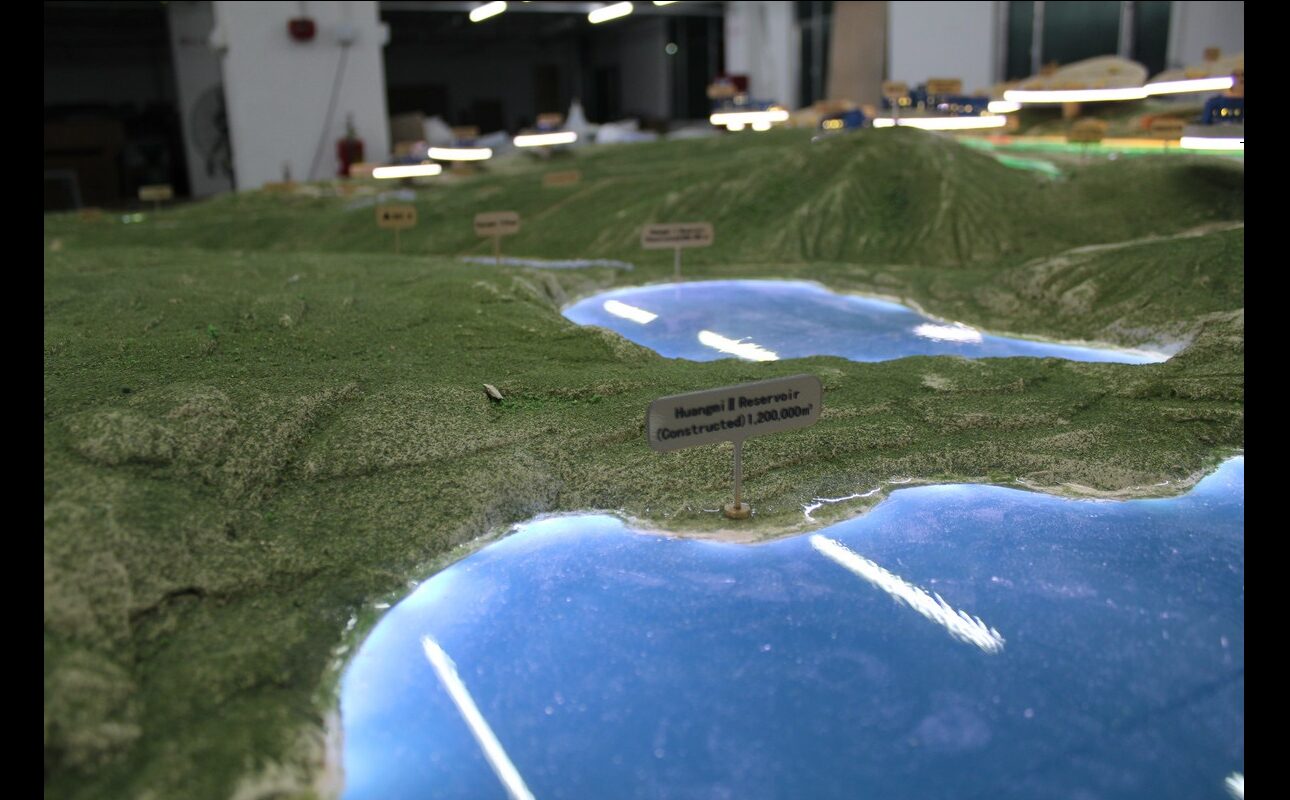
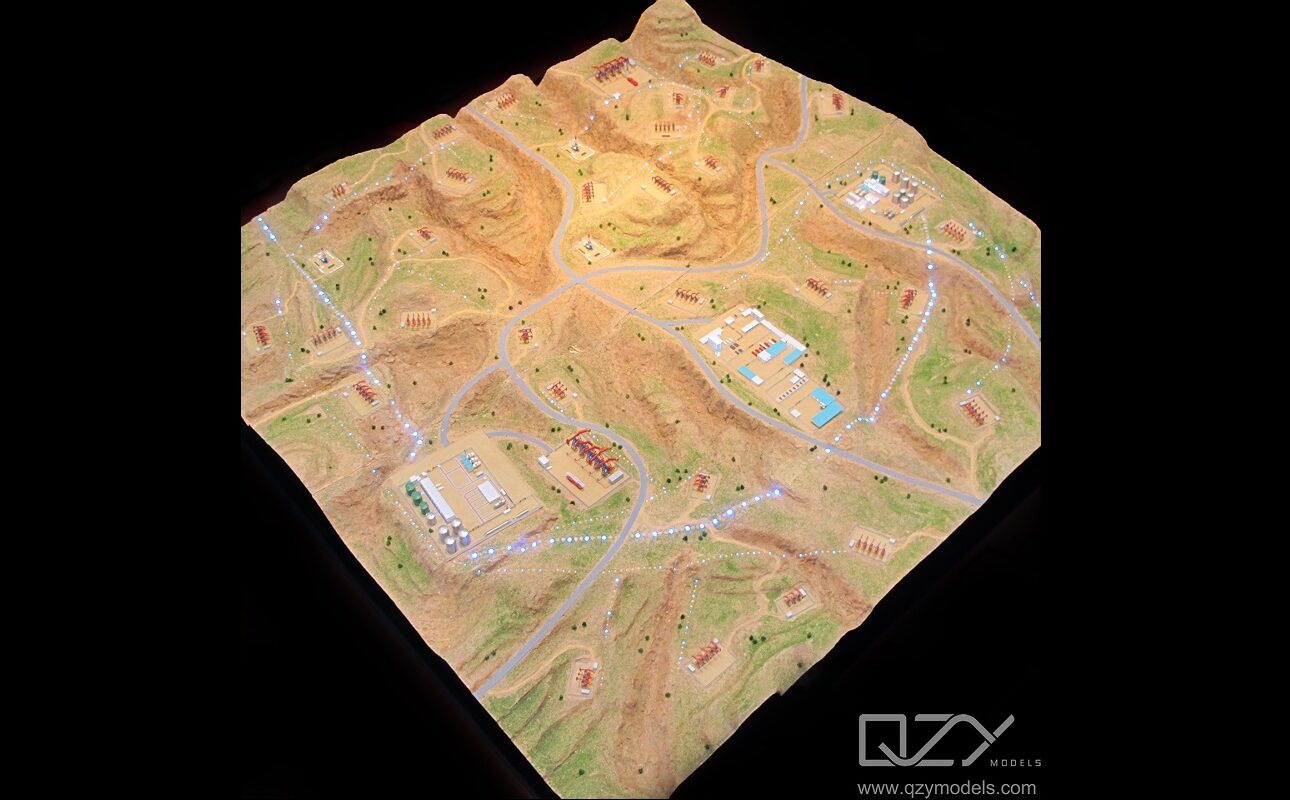

A physical model earns its place on a project when it does something a drawing or digital render can't: let clients, stakeholders, and project teams see scale, layout, and mechanical relationships in seconds, without needing to interpret a technical drawing. We build models specifically to support client presentations, stakeholder communication, and internal project presentations, so teams have a shared physical reference to point to instead of describing something verbally. For exhibitions and public display, the same model needs to hold up to close inspection over weeks or months, not just look right in a single meeting — so display models and exhibition models are built and finished differently from a model made purely for one-time design communication in a boardroom.
Every project starts with a project brief and file review, where we go through whatever CAD files, technical drawings, specifications, or reference material you've provided to understand what the physical model needs to represent. From there, we move to scale and requirements confirmation — agreeing on dimensions, scale, and the required level of detail before any fabrication starts, so there are no surprises later. Once the brief is approved, model fabrication and assembly begins: individual components are built and assembled by hand from the approved materials. The model then goes through painting and finishing to reach the approved visual standard, followed by quality control, where the finished physical model is checked against the original brief. The final step is packaging and delivery, with the model prepared and shipped according to the project's delivery requirements. Most projects move from brief confirmation to finished model within priority handling available for time-sensitive exhibition and architectural builds.

Project Brief & File Review
CAD, drawings, images

Scale & Specs Confirmation
dimensions, details

Fabrication & Assembly
precision work

Painting & Finishing
quality finish

Quality Control
detailed inspection

Packaging & Delivery
safe & on time
We combine project-specific planning with hands-on fabrication, so what gets approved at the brief stage is what arrives at delivery — same scale, same materials, same finish. Our teams work across industrial projects, engineering projects, and landscape projects, which means the same quality-control and confirmation process applies whether the brief is a single mechanical component or a full site model for a stakeholder presentation. That consistency is what clients are actually paying for: a model that holds up under inspection, not just from a distance.


Wang Yu serves as the Design Director at QZY Models. He oversees design planning and team collaboration, helping transform project concepts into clear, accurate, and visually effective architectural model solutions.
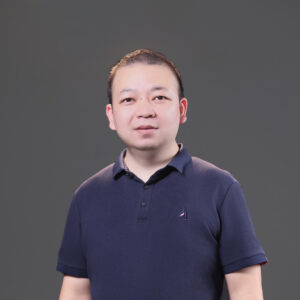
As Design Director at QZY Models, Lee Zhengyuan guides the creative and technical design process for architectural model projects. He works closely with teams and clients to transform ideas into well-planned and visually compelling model solutions.
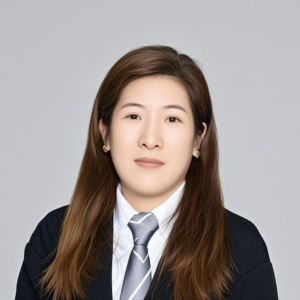
Shi Qingfen serves as the Cutting Department Director at QZY Models. She manages the cutting and preparation stages of model production, helping ensure precision, quality, and smooth workflow across projects.
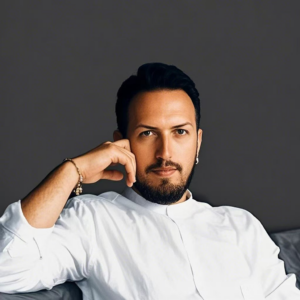
Aykut Tanrıkulu serves as Project Director at QZY Models. He oversees project planning, team coordination, and client communication to ensure architectural model projects are delivered efficiently and meet project requirements and expectations.
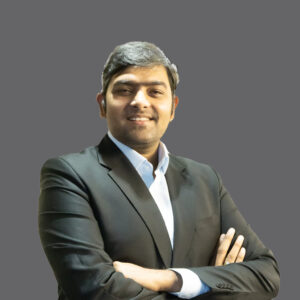
Abhishek Jain is the Regional Director, India at QZY Models. He oversees client communication, regional partnerships, and project coordination, supporting the successful delivery of architectural model solutions across the Indian market.
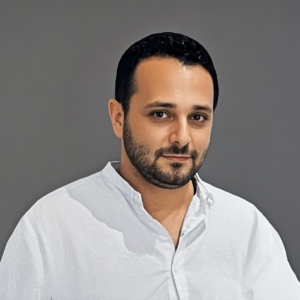
Hadi L. Hachem serves as MENA Deputy Director at QZY Models, supporting business development and client relationships across the Middle East and North Africa region. He works closely with clients and internal teams to ensure effective project communication and smooth collaboration.
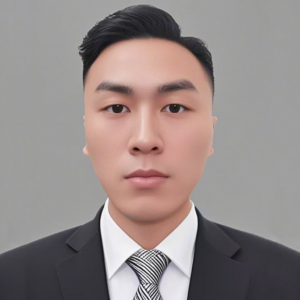
Senior model electrician with 10 years of experience in professional model circuit operation. He is responsible for all management and production work of the electrician department. He has considerable experience in model circuit layout, in the grasp of lighting effects, and the control over software programs and dynamic equipment. The projects handled by him include: Shenzhen Pengfeng Building, Qatar Elie Saab, Dubai Pagani, Dubai W Residences, Dubai Missoni, Riyadh Versace, CGN Proton Therapy System Dynamic Model, Beidou Science and Technology City, Zhuhai Humanities World, etc.
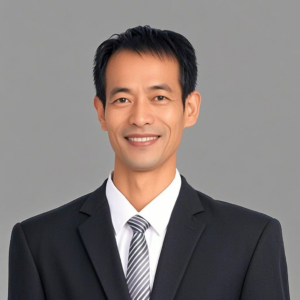
Senior landscape modeler, with more than 20 years of experience in the model industry, has been engaged in the manual production and management of model landscape parts for a long time and has rich practical techniques in landscape expression. Projects handled by him include: Macau New Neighborhood, Vanke Cloud City, Nanhu Town, Oakridge Canada, Shenzhen Pengfeng Building, Longgang Energy Ecological Park, Nanshan Energy Ecological Park, Yantian Energy Ecological Park, Baoan Energy Ecological Park, Xiamen TOD, Qatar Elie Saab, Pagani, Dubai. etc
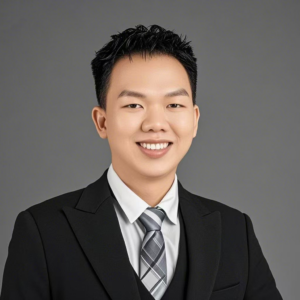
Senior modeler, 10 years of experience in model building production. He once worked for RJ Model. He joined QZY Models in 2017 and has been working here up to now. He is mainly responsible for the production of models for the company’s public construction and industrial projects. He has superb manual skills and the projects he has ever handled are: Ningbo K11, Canada Oakridge, CGNPC Proton Therapy System Dynamic Model, Dubai W Residences, Dubai Pagani Towers, Shenzhen Pengfeng Building, Egypt Post and Telecommunications Building, Longgang Energy Ecological Park, Baoan Energy Ecological Park, etc.
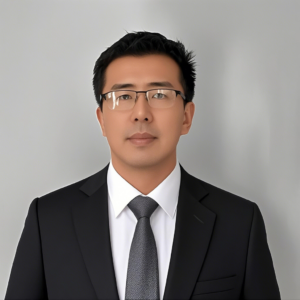
Liu Zhiming has over 16 years of experience in handcrafted architectural model making. Since joining QZY in 2014, he has held key roles as a technician, team leader, and is currently the supervisor of the Architectural Department. He has been responsible for managing and coordinating major architectural projects, including the UK TVC project, UK Thames City, Yiwu Theatre, Dubai Missoni, Abu Dhabi Reem Eight, Egypt Post Office, Egypt Museum, and Saudi Palms View, etc. His passion and dedication to model making drive him to continually improve and excel in his work.
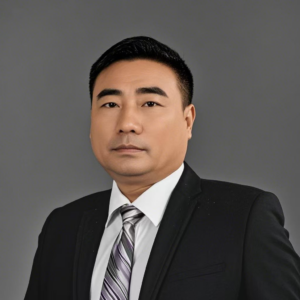
Senior model draftsman, with more than 20 years of experience in the model industry, once worked in the design department of Pinzhu and RJ Company, and then joined QZYmodels in 2014, and became a technical partner in 2021. He is mainly responsible for the preliminary drawing design of the model and is proficient in model making. All kinds of software required, good at image processing and interpretation. The major projects he has ever handled include: Zhonghai Wanning Shenzhou Peninsula, Sri Lanka AVIC Hotel Apartment, Ningbo K11, Canada Oakridge, Longguang Nine Dragons Terrace, Egypt Festival City, Southern Pearl Artificial Island, Shenzhen Shanhai Park, Shenzhen Master Plan, Tencent Island Planning, Chengdu 5G Smart City, Longgang Energy Ecological Park, Nanshan Energy Ecological Park, Yantian Energy Ecological Park, Baoan Energy Ecological Park, etc.
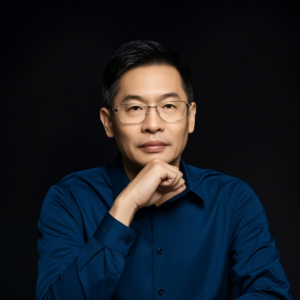
Senior model designer, with 28 years of experience in the model industry, worked in the model industry in Malaysia for 13 years in East and West Malaysia, 12 years in senior business management in Singapore, and 3 years in mainland China, proficient in English, Chinese, Malay language. The main clients served include: Singapore Far East Organization, CapitaLand, City Development, Malaysia MJC Developer, MBKS and other developers and government agencies, DP, CPG, RSP, SCDA and other well-known design institutes. Participated in and been responsible for key projects including: Singapore Sands Marina Bay Project, Singapore Resort World Sentosa, Malaysia Tanjung Langsat, Danga Bay, DBKU Urban Planning, Dubai Burj Khalifa, China Shenzhen Shenzhen-Hong Kong Center, Zhuhai Port, Shanghai Xuhui Binjiang, Hong Kong Yangtze River Centre, Xisha Project and Yau Tong Langyu, Lu Guangzheng Wood Sculpture Museum, Shenzhen Anju Yunpan, Anju Fuhui Pavilion, Anju Fengtong Garden, Anju Fengjing Garden, Anju Zihe Garden, etc.
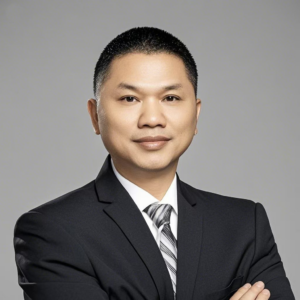
Senior modeler, with 25 years of experience in the model industry, worked as a project manager in Saiye and Pinzhu, and became the QZY models partner in 2020, mainly responsible for the overall production management of the company’s projects. The key projects that he has ever handled include: Shenzhen Diwang Building, Shenzhen SEG Building, Hengyu Shenzhen Bay, Shenzhen Qiaocheng No. 1, Chongqing Sunac AONE, Jiangbeizui Financial Center, Hangzhou China Resources City North Mixc City, Chengdu China Resources Two Fourteen City, Vanke Shennan Road, Lanzhou China Resources Yulan Mountain, Chinese Academy of Sciences large gamma equipment principle model, Wuhan Vanke Jinyu International, Wuhan China Railway Jiancheng Gate, Xi’an Merchants Yongjing Bay, Xi’an Merchants City Stadium, Harbin Cultural Tourism City, Atmospheric Neutron Radiation Spectrometer Experimental Platform, CGN Proton Therapy System, Shenzhen Pengfeng Building, etc.
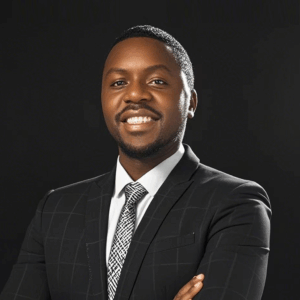
Graduated from Anhui University of Technology,holds a Master’s degree in International Trade and Economics. Proficient in English, French, Chinese, and SHONA (native language). Completed the Global Business Administration Elite program (Group Ten) at Shanghai Jiao Tong University in 2021. Joined QZY Models in August 2023, responsible for international market operations. Possesses extensive experience in client communication and international trade.
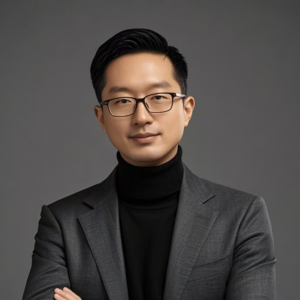
An architect and architectural writer who has ever worked Based in Amsterdam, Netherlands. for Priestman Architects, GAS Studio, and UN Studio, and has won many international architectural awards, has become the business partner of QZY Models in Europe since 2022. He is mainly responsible for project interface and negotiations in the European region, as well as the market development, management, and operation of the European Business Division.
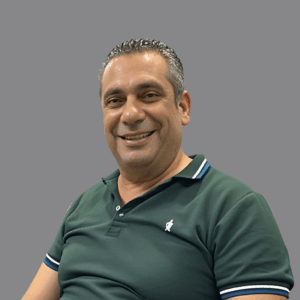
Marwan J. Hachem holds a Master’s degree in Business Administration and Marketing, with over 20 years of expertise in business development and project management. Fluent in English, French, and Arabic, Marwan excels in customer relationship management and business negotiations, leveraging his extensive knowledge and experience to drive project success. Based in Saudi Arabia, he is fully responsible for supporting QZY’s operations, after-sales services, and client relationships across the Middle East and North Africa region.