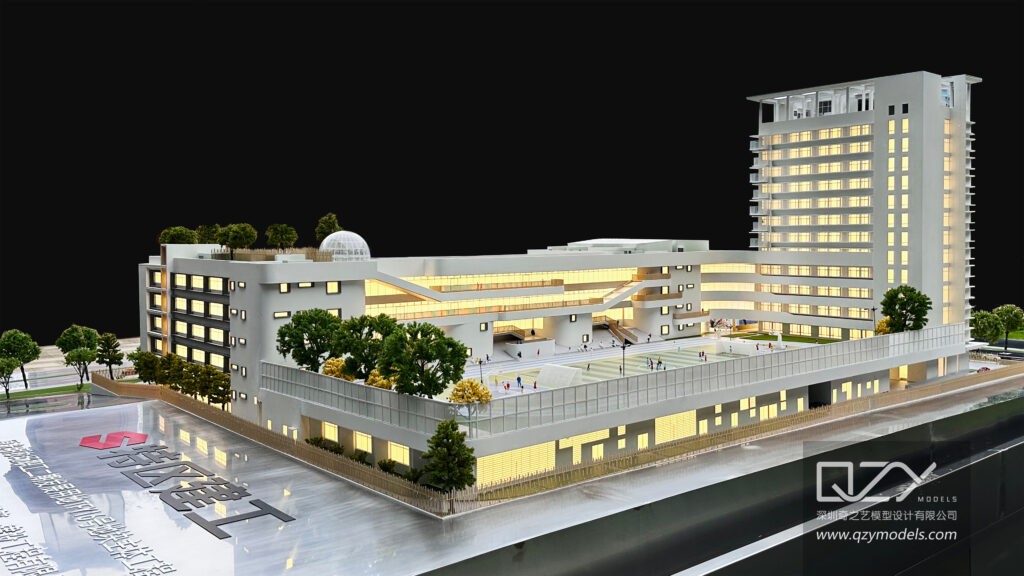
Architectural scale models play a crucial role in Dubai’s design schools, enabling students to visualize three-dimensional structures, test design concepts, and understand spatial relationships before relying solely on digital tools. QZY Models provides high-precision educational models that enhance creativity, technical skills, and hands-on learning, helping students bridge theory and practice effectively.
What Are Architectural Scale Models?
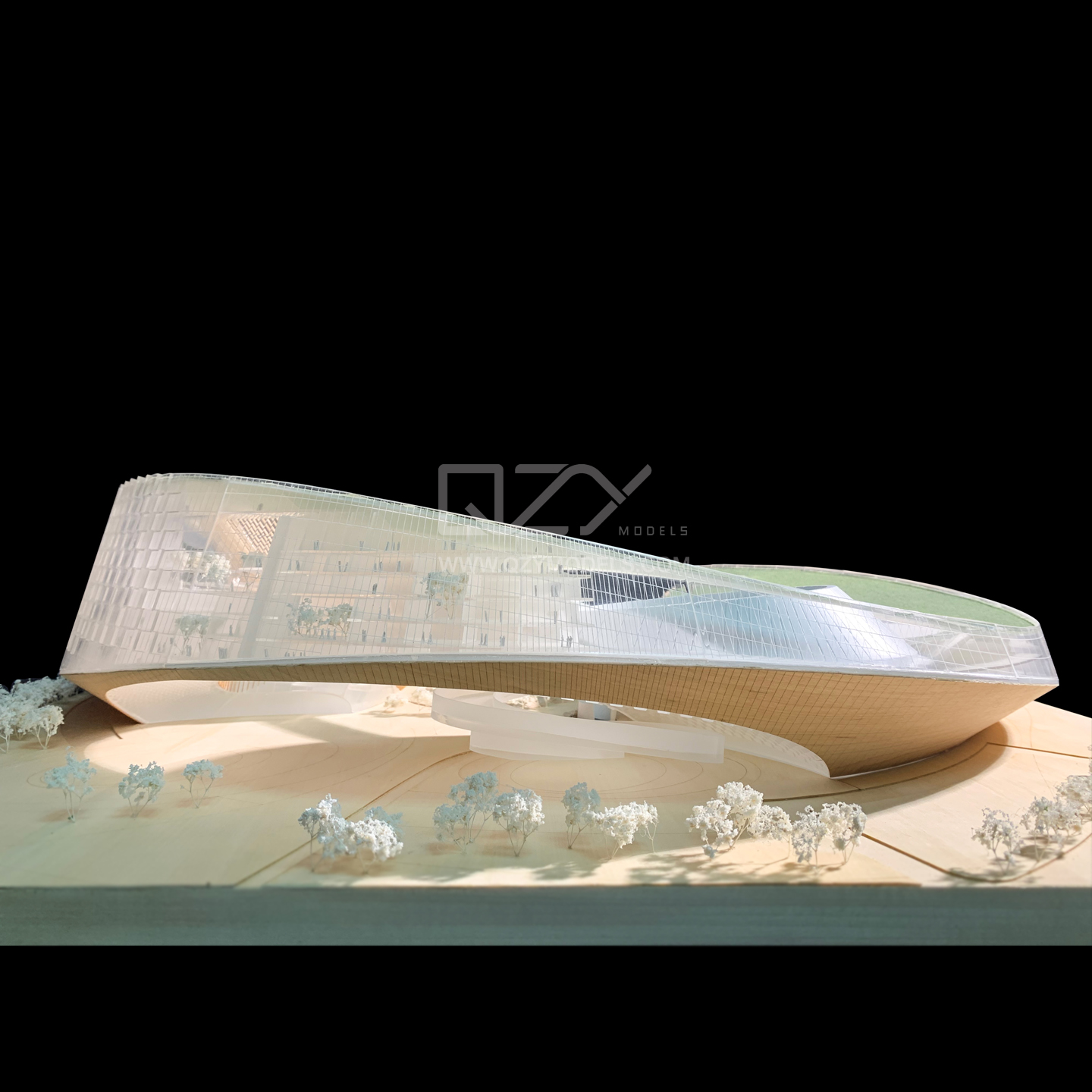
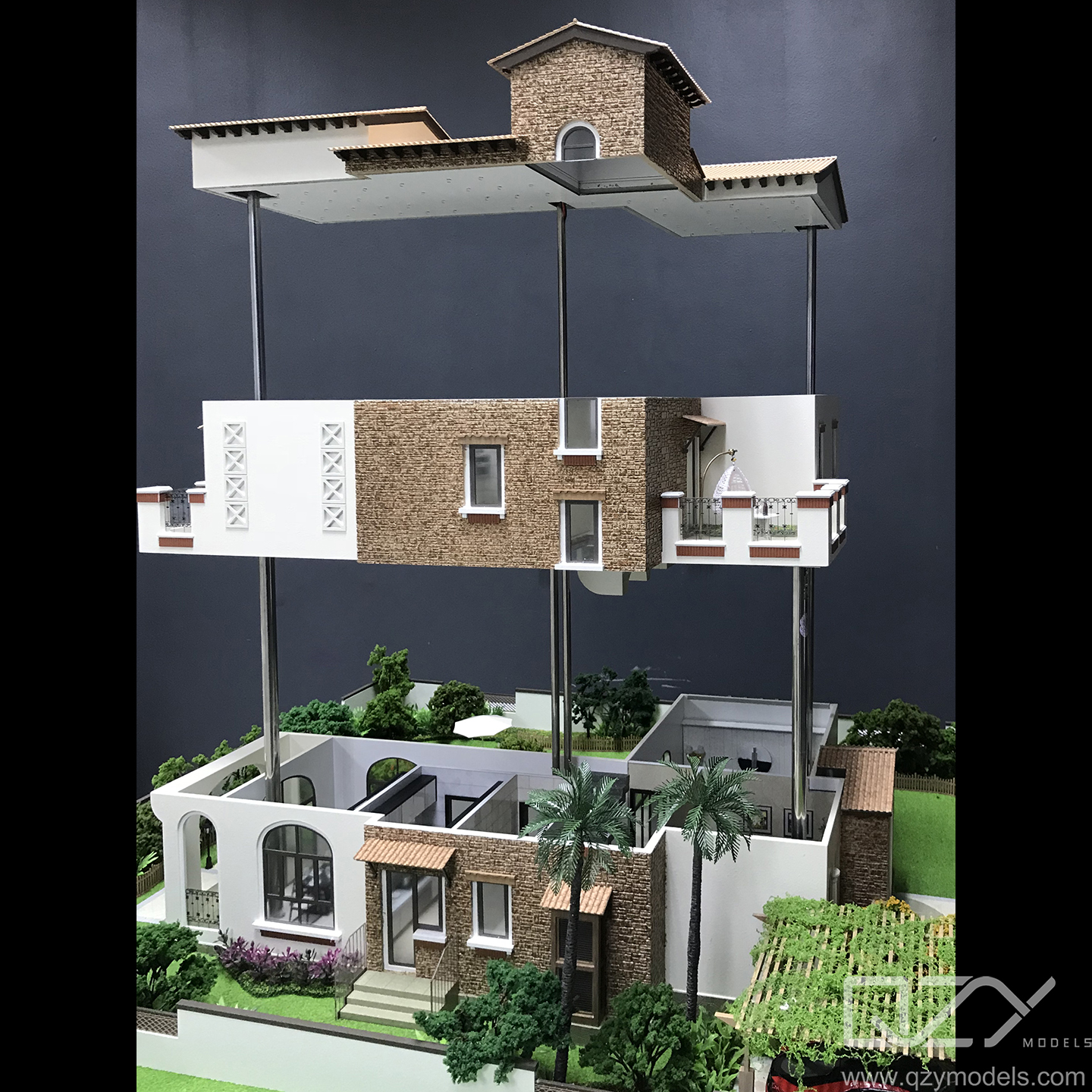
Architectural scale models are miniature 3D replicas of buildings or urban layouts, built to exact proportions for study and visualization. In Dubai design schools, they allow students to explore form, materiality, and spatial relationships tactically. QZY Models produces these models using advanced techniques such as laser cutting, 3D printing, and modular assembly to ensure accuracy and durability for classroom use.
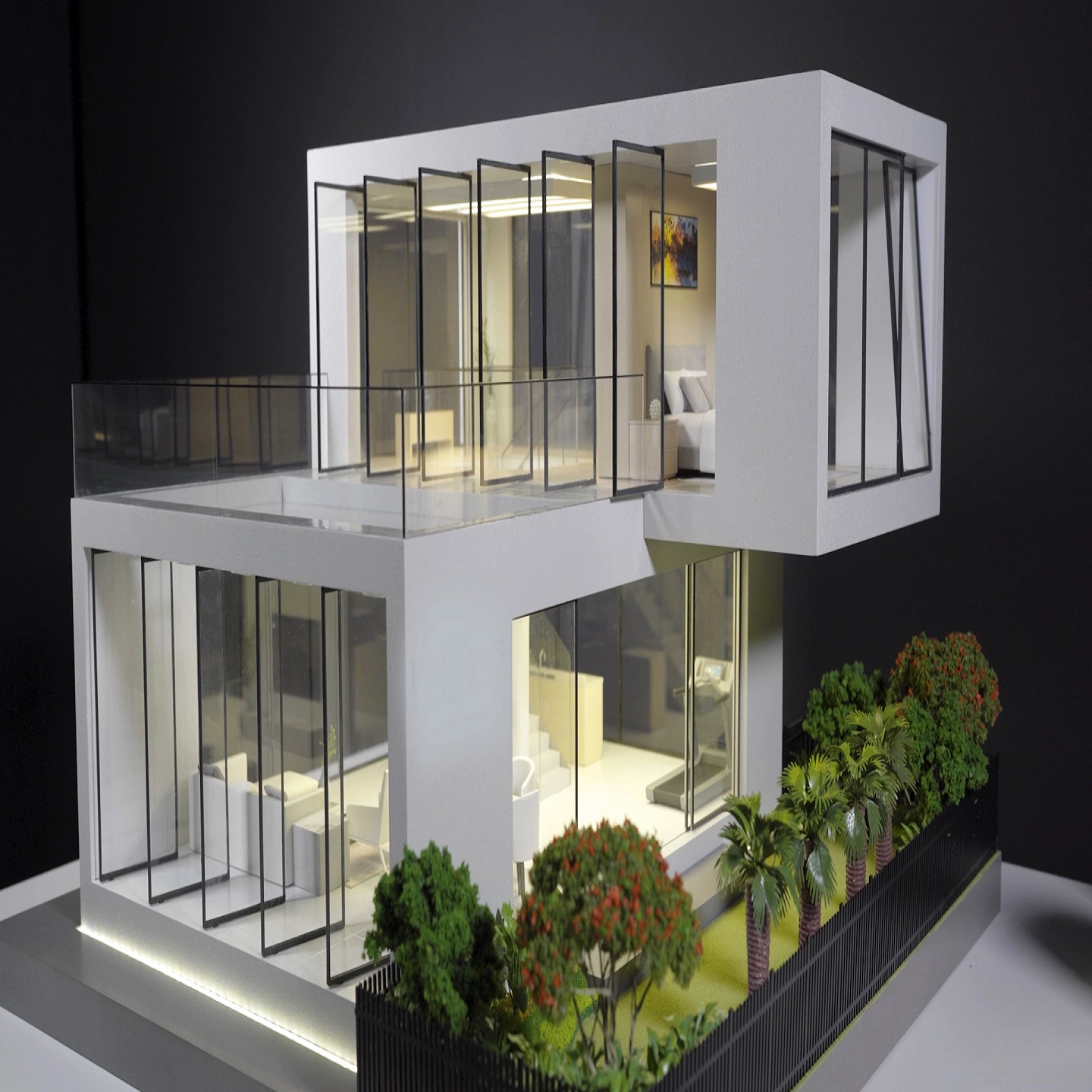
These models range from simple conceptual forms to detailed replicas with lighting, landscaping, and furniture integration. Students manipulate physical elements to understand light, shadow, and scale intuitively. QZY Models specializes in models that withstand repeated handling, supporting sustainable design education.
| Model Type | Scale Ratio | Educational Purpose |
|---|---|---|
| Conceptual | 1:500 | Urban planning and ideation |
| Presentation | 1:200 | Group critiques and client-style reviews |
| Detailed | 1:100 | Material and structural analysis |
| Interior | 1:50 | Spatial flow and furniture layout |
Why Use Scale Models in Design Education?
Scale models enhance spatial reasoning, problem-solving, and collaborative skills. In Dubai schools, they teach material properties, structural considerations, and proportion, offering immediate visual feedback that digital models cannot. QZY Models provides modular kits that encourage teamwork and iterative design, fostering creative thinking aligned with the region’s iconic architectural context, including projects inspired by Burj Khalifa.
How to Choose the Right Scale for Educational Models?
Select scales according to project scope and learning objectives. Urban studies may use 1:500, while building or interior studies benefit from 1:100 or 1:50 scales. QZY Models recommends 1:200 as a versatile choice, balancing detail and classroom portability. Testing models with LED lighting enables night studies and urban context simulations, enriching learning experiences.
What Materials Are Best for School Scale Models?
Durable and precise materials include foam board, acrylic, wood, and 3D-printed resins. Recycled plastics align with Dubai’s sustainability focus. QZY Models employs laser-cut MDF for sturdy surfaces suitable for repeated classroom use. Safety is emphasized with non-toxic adhesives and coatings. Material choice impacts realism and the ability to teach structural and environmental concepts effectively.
Which Dubai Design Schools Use Scale Models Most?
Prominent institutions such as Canadian University Dubai, Zayed University, and the American University in Dubai integrate scale models extensively within their BArch programs. These schools rely on physical prototyping for studio projects, group critiques, and exhibitions. QZY Models supplies tailored educational kits, including motifs inspired by Islamic geometry and local cultural aesthetics, with rapid UAE-based delivery.
How Do Scale Models Boost Student Creativity?
Physical models enable experimentation beyond digital constraints, encouraging innovative forms and design intuition. Students can test ideas, immediately identify errors, and refine solutions collaboratively. QZY Models’ pre-cut kits reduce assembly time, allowing students to focus on exploration and creative problem-solving in projects adapted to desert and sustainable architecture.
What Are Innovative Techniques in Model Making?
Advanced techniques such as laser cutting, 3D printing, CNC milling, and vacuum forming accelerate production and allow complex geometries. LED lighting integration teaches environmental context and urban lighting studies. QZY Models combines these methods to produce hybrid models that merge traditional craftsmanship with digital precision, enhancing educational outcomes.
| Technique | Benefit | Application in Dubai Schools |
|---|---|---|
| Laser Cutting | Accurate facades and patterns | Precision modeling for critiques |
| 3D Printing | Complex curves and forms | Organic and parametric structures |
| CNC Milling | Durable bases and frames | Structural analysis models |
| LED Lighting | Dynamic lighting effects | Day-night simulations in urban studies |
QZY Models Expert Views
In Dubai’s design schools, architectural scale models remain indispensable despite digital alternatives. They provide tactile feedback, helping students internalize scale, proportion, and spatial relationships. QZY Models has delivered over 500 educational projects across the UAE using precision laser and 3D printing technology, including complex Burj-inspired elements. Our modular kits support collaborative learning and innovation, bridging theory and hands-on practice. Founder Richie Ren emphasizes: ‘Physical models cultivate creativity, preparing students for professional environments and global firms.’ Partnering with QZY Models ensures durable, accurate, and inspiring models for contemporary architecture education.” – QZY Models Team
How to Source Reliable Models in Dubai?
Work with specialized providers like QZY Models for custom orders. Evaluate portfolios, turnaround times (2–4 weeks), and warranty options. Local UAE branches ensure specifications compliance, timely delivery, and support for schools integrating new curricula. On-site consultations and demos help institutions select appropriate scales and materials.
What Future Trends Await Educational Models?
AR and VR overlays, sustainable bio-materials, and smart city models are emerging trends. Modular, reusable components and AI-assisted production optimize cost and customization. QZY Models pioneers hybrid physical-digital models, preparing students for future design challenges while retaining hands-on learning benefits.
In conclusion, architectural scale models are essential in Dubai design education, fostering creativity, collaboration, and technical skills. Partnering with QZY Models ensures high-quality, durable, and innovative models that elevate student learning and engagement. Start with a 1:200 kit and integrate modular, sustainable components for an enhanced educational experience.
FAQs
What scales suit beginner design students?
1:200 to 1:500 balances overview comprehension with manageable detail; QZY Models provides guided kits.
How long do quality models last in classrooms?
2–5 years with proper care; QZY Models uses durable materials for repeated handling.
Can models incorporate lighting?
Yes, LED integrations simulate day-night cycles, aiding urban and interior studies.
Are custom models budget-friendly for schools?
Yes, QZY Models offers tiered pricing, starting at AED 500 for basic kits.
Do Dubai schools offer model-making workshops?
Many do, often in partnership with QZY Models for expert-led sessions.