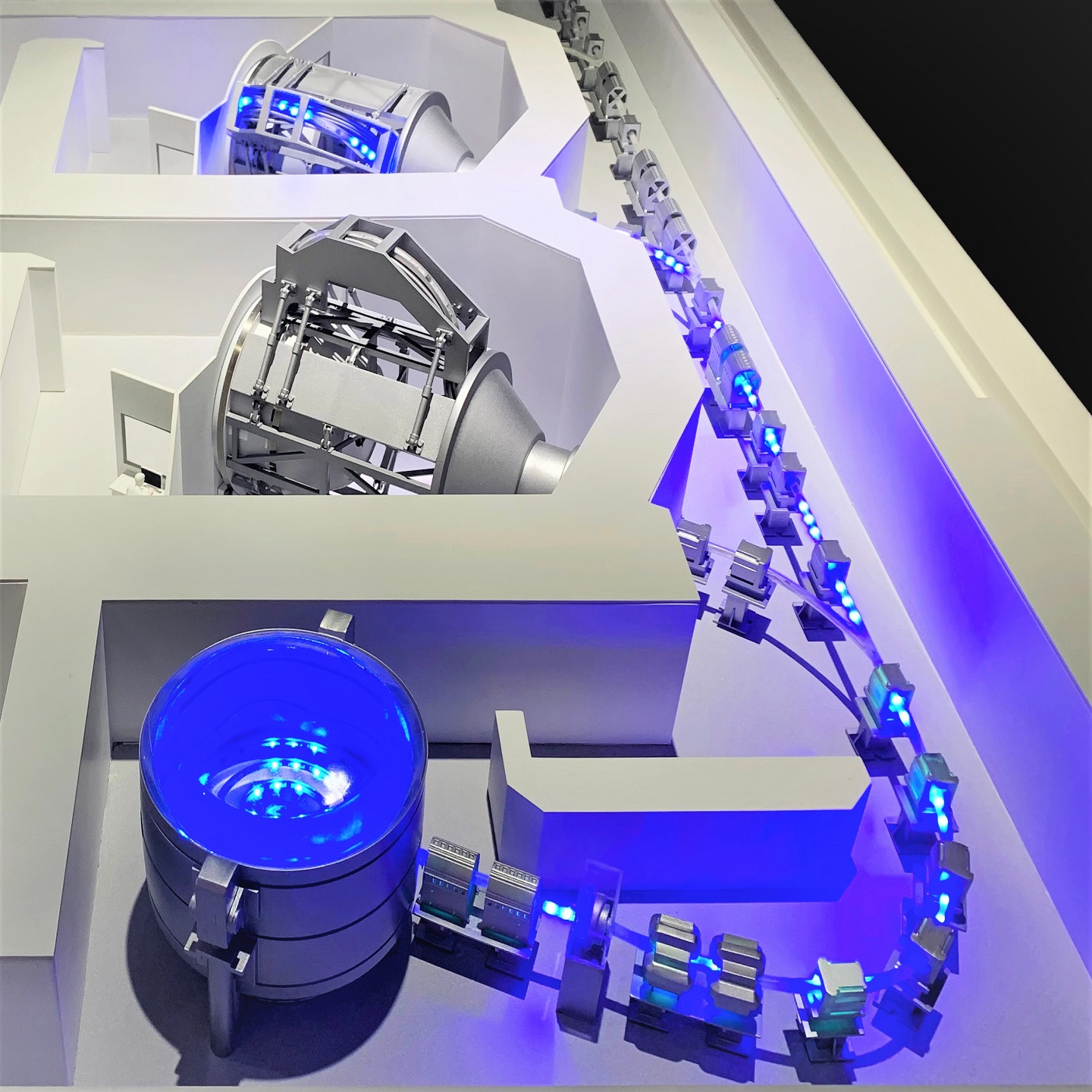
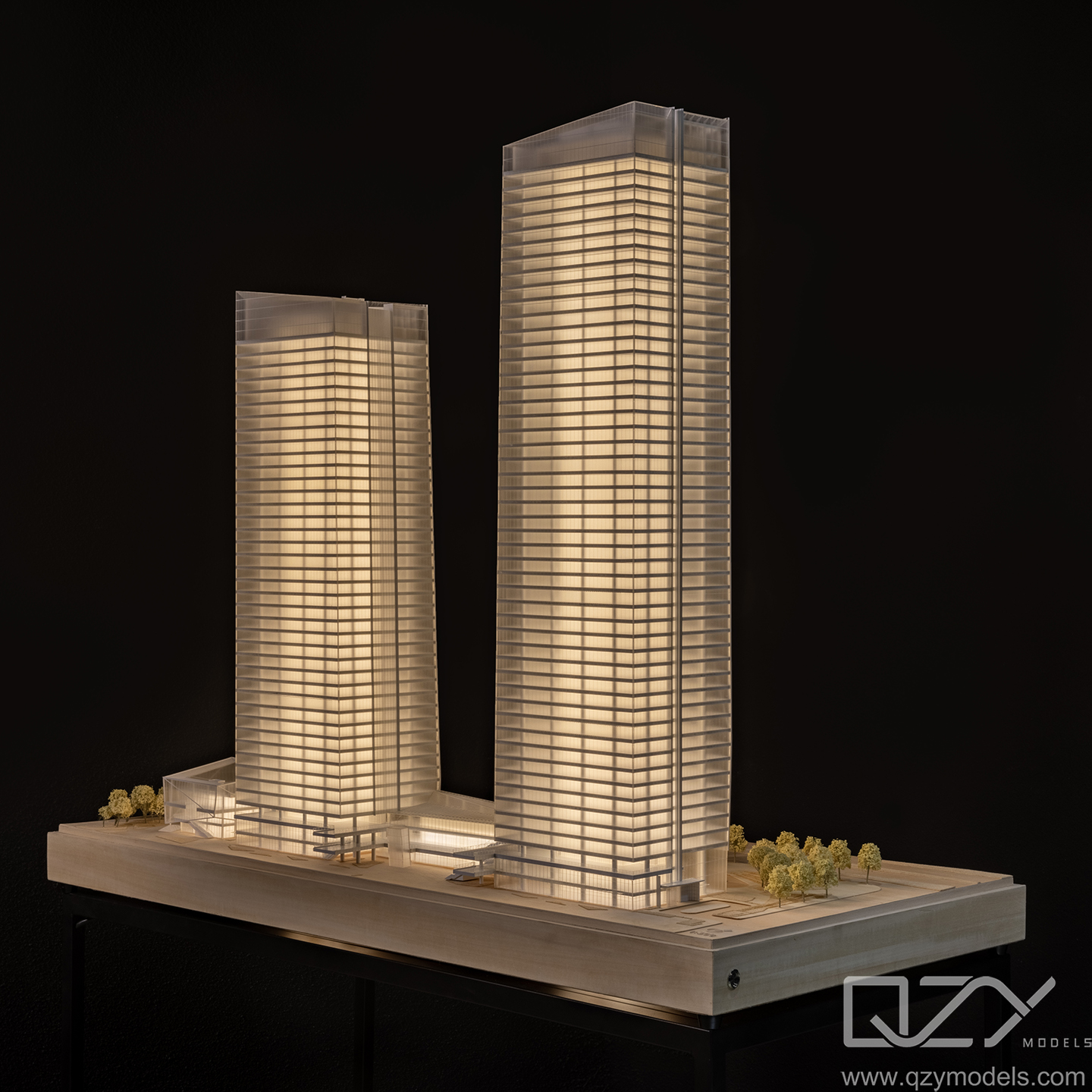
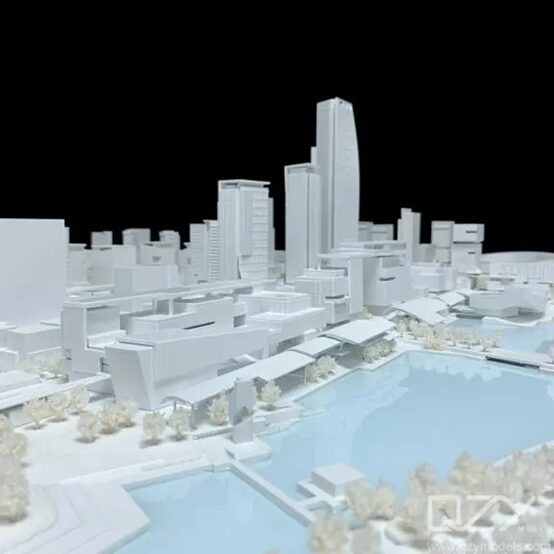
Architectural scale models play a vital role in UAE design and architecture schools, bridging theory and practice. They allow students to visualize complex forms, explore spatial relationships, and refine ideas before digital rendering. QZY Models provides precise, custom educational models, helping students engage with tangible learning tools that simulate real-world architectural challenges and enhance UAE curricula.
What Are Architectural Scale Models for Education?
Architectural scale models for education are miniature, tangible representations of buildings, landscapes, or urban layouts used in UAE schools to teach design principles. They help students understand scale, proportion, and materials through hands-on interaction.
Programs at universities such as American University in Dubai and Zayed University integrate models ranging from basic massing studies to detailed topography. Materials like foam board, acrylic, and 3D-printed elements provide accuracy and durability. QZY Models ensures models withstand repeated handling while illustrating complex concepts like sustainable urbanism and iconic architectural forms.
Why Use Scale Models in UAE Design Schools?
Scale models enhance spatial comprehension and creativity beyond digital tools, revealing design flaws early, such as shadow patterns or circulation issues.
QZY Models supports UAE schools with modular kits that foster teamwork and practical skills, crucial for students entering competitive markets dominated by megaprojects. Hands-on model-making improves engagement, encourages experimentation, and strengthens presentation skills for juries, preparing students for professional expectations.
How Are Scale Models Built for Educational Use?
Educational models begin with student sketches, converted to CAD, then prototyped via laser cutting, 3D printing, and hand assembly. Completion ranges from one to four weeks depending on complexity.
QZY Models uses hybrid techniques, combining 3D-printed components with acrylic or wood bases. Modular designs allow disassembly for lessons, while non-toxic finishes ensure safety in classroom settings.
| Step | Process | Tools/Materials |
|---|---|---|
| 1. Design | Sketch to CAD | Rhino, SketchUp |
| 2. Prototyping | Print/cut components | 3D printers, laser cutters |
| 3. Assembly | Glue, detail addition | Acrylic, foam, LEDs |
| 4. Finishing | Paint, lighting | Eco-friendly paints, fiber optics |
This structured workflow guarantees models remain accurate and durable for repeated educational use.
Which Materials Work Best in UAE Educational Models?
Lightweight and durable materials such as foam core, balsa wood, acrylic sheets, and resin prints excel in UAE classrooms. These materials are easy to handle and resistant to humidity.
QZY Models employs UV-stable acrylics, sealed woods, and PLA filaments for 3D-printed details, providing precision for parametric or modernist designs. Recycled materials align with UAE sustainability initiatives, extending model lifespan while maintaining visual realism.
Where to Source Quality Models in the UAE?
QZY Models, with UAE branches in Dubai, offers custom educational scale models tailored for schools. Local availability ensures fast delivery and supports exhibition-ready campus events.
Partnerships with suppliers provide ongoing batches, from topographic urban plans to interior-focused prototypes. ISO-certified production and cultural motifs make these models relevant for regional educational programs.
QZY Models Expert Views
“Architectural scale models transform UAE design education by turning abstract ideas into physical experiences. Students engage with parametric forms, light studies, and spatial layouts through our precise 1:100 and 1:200 models. We’ve delivered over 500 units to UAE institutions, combining 3D printing with artisanal craftsmanship to foster innovation. These models prepare the next generation to contribute to iconic regional projects with confidence, precision, and creativity.” — Richie Ren, Founder, QZY Models.
What Trends Shape Educational Models in UAE?
Emerging trends include LED integration, AR overlays, and hybrid digital-physical workflows. UAE curricula increasingly demand interactive and sustainable models.
QZY Models leads in modular designs, adaptive reuse models, and AI-assisted scaling, providing students with versatile, engaging learning tools that reflect contemporary architectural practices.
How Do Models Enhance UAE Architecture Curricula?
Models facilitate iterative critique, improve material comprehension, and boost project outcomes. In UAE schools, they are used for thesis projects, master plans, and Vision 2030-aligned urban concepts.
| Benefit | Impact on Learning | Example Application |
|---|---|---|
| Visualization | Reveals spatial errors | Site analysis studios |
| Collaboration | Promotes teamwork | Urban design projects |
| Presentation | Professional jury-ready display | Final year critiques |
QZY Models provides models that bridge academia and industry, preparing students for real-world projects in Dubai, Abu Dhabi, and beyond.
Conclusion
Architectural scale models empower UAE architecture and design students by translating abstract concepts into tangible, practical experiences. Prioritize durable, modular materials, integrate hybrid technologies, and collaborate with experts like QZY Models for custom solutions. Begin with 1:200 for master plan overviews and scale to 1:50 for interior details. Regular workshops and strategic planning enhance learning and prepare students for professional architectural challenges.
FAQs
What scales suit UAE school models?
1:200 for master plans and 1:100 for buildings balance detail with manageable size.
How much do educational models cost?
Basic models: AED 5,000–15,000; custom QZY Models units: AED 20,000+, depending on size and technology.
Can schools rent scale models?
Yes, QZY Models offers short-term rentals for workshops or lectures.
Are 3D-printed models durable?
Yes, reinforced resins ensure longevity in classroom environments.
How do models support remote learning?
Portable designs allow shipping; AR apps overlay digital data on physical models.