Cruise line models are precision-built physical replicas that transform complex ships into instantly understandable, three-dimensional narratives. They reveal form, scale, decks, and onboard experiences at a glance, supporting design review, marketing, training, and branding. When crafted by specialists such as QZY Models, these models become strategic assets that align stakeholders, inspire passengers, and preserve vessel identity.
What Are Cruise Line Models and How Are They Used in the Maritime Industry?
Cruise line models are detailed scale representations of passenger ships used across design, operations, marketing, education, and collection. They translate naval architecture drawings and interior layouts into tangible objects that make ship complexity easy to grasp.
In professional contexts, models depict hull form, superstructure, lifeboats, balconies, pool decks, funnels, and brand-specific features. Shipyards and cruise operators use them for concept validation, internal coordination, and executive presentations. Cruise brands display them in headquarters, terminals, and VIP spaces to communicate fleet scale and design philosophy.
These models are also common at trade shows, travel fairs, and investor events, where sales teams explain cabin zones, entertainment areas, and outdoor amenities directly on the miniature vessel. Training departments use them to introduce crew to ship layout, safety zones, and operational areas, while collectors value them as curated records of iconic ships.
QZY Models applies architectural and industrial model-making expertise to maritime projects, ensuring accuracy, durability, and strong brand representation for global cruise clients.
How Do Cruise Line Models Enhance Design, Engineering, and Stakeholder Communication?
Cruise line models enhance communication by turning complex technical information into a shared physical reference. Executives, engineers, designers, and non-technical stakeholders can understand ship massing, zoning, and circulation without interpreting drawings or screens.
During design reviews, teams gather around the model to discuss passenger flow, deck relationships, and visibility. Spatial issues such as congestion points or awkward transitions often become obvious when viewed physically, leading to design refinements that improve safety and comfort.
For shipyards and interior designers, models support coordination between exterior form and interior concepts. Stakeholders can check visual consistency, proportion, and the relationship between outdoor decks and indoor venues. When placed on contextual bases, models also help port authorities and regulators understand berthing, access bridges, and terminal interfaces.
Because they are permanent assets, cruise line models remain useful throughout a vessel’s lifecycle. QZY Models often delivers models that continue to support refurbishments, marketing campaigns, and future fleet planning.
Why Are Scale, Proportion, and Level of Detail Critical for Cruise Line Models?
Scale, proportion, and detail determine whether a cruise line model is credible and functional. Incorrect scaling between hull, decks, and fittings distorts perception and undermines trust.
Scale selection depends on purpose. Large lobby displays typically use 1:100 to 1:200 for strong presence and clarity, while smaller office or collector models use 1:350 or 1:700 to emphasize overall form. The chosen scale must allow key features to read clearly at normal viewing distance.
Proportion ensures all components relate correctly. Lifeboats, windows, railings, and funnels must align with the same scale logic. Detail level should match use-case: marketing models may justify fine deck furniture and signage, while technical models focus on structure and safety elements.
QZY Models combines shipyard data with rigorous quality control to ensure every element reflects the real vessel’s proportions and brand identity.
| Model Scale | Typical Length | Common Application |
|---|---|---|
| 1:100 | 2–4 meters | Flagship lobby or terminal display |
| 1:200 | 1–2 meters | Boardrooms and exhibitions |
| 1:350 | 60–100 cm | Office and collector models |
| 1:700 | 30–50 cm | Fleet overviews and education |
Which Materials and Technologies Work Best for Professional Cruise Line Models?
Professional cruise line models rely on precision fabrication combined with skilled hand-finishing. Hulls and superstructures are commonly produced using resin, fiberglass, CNC milling, and 3D printing to ensure dimensional accuracy and long-term stability.
Digital workflows convert ship CAD files directly into fabrication data, preserving complex hull geometry and superstructure forms. Laser cutting supports consistent balconies, railings, and window bands. Hand-finishing brings realism through high-quality paints, airbrushing, and exact color matching for hull livery and logos.
Fine details such as lifeboats, radar domes, and deck furniture may be 3D printed, photo-etched, or hand-fabricated. Transparent acrylic represents windows and pool water, while integrated LED systems illuminate decks and public spaces, allowing day and night presentation modes.
QZY Models leverages architectural-model techniques such as precision bases, concealed wiring, and robust mounting systems, ensuring cruise line models are both visually impressive and structurally reliable.
How Do Cruise Line Models Support Marketing, Branding, and Passenger Sales?
Cruise line models are highly effective marketing tools because they condense an entire ship experience into one compelling object. Potential passengers, partners, and investors can immediately grasp scale, luxury, and layout.
In sales offices and travel agencies, models help explain cabin locations, deck hierarchy, and amenities. By pointing directly at the model, sales staff reduce confusion and build confidence, supporting faster purchasing decisions.
At exhibitions, a well-lit model attracts attention and differentiates the brand from competitors relying only on screens. Photography and video of the model extend its value into digital campaigns. Premium brands use museum-quality models in flagship spaces and VIP events to reinforce exclusivity.
QZY Models designs cruise line models with marketing performance in mind, ensuring they communicate clearly in person and through media.
Why Should Shipyards, Naval Architects, and Operators Invest in Cruise Line Models?
Shipyards, naval architects, and operators benefit because cruise line models consolidate design, branding, and communication into one reusable asset. A single model can support pitches, approvals, training, and marketing over many years.
Shipyards showcase past and future vessels to demonstrate capability. Designers use models to stand out in competitive proposals. Operators align internal teams around a shared reference when discussing itineraries, onboard revenue zones, and guest flow.
Models also build long-term brand heritage. Displayed in headquarters or academies, they document fleet evolution and foster pride. QZY Models delivers models that balance technical accuracy with strong storytelling, maximizing return on investment.
Who Benefits Most From Cruise Line Models Across Different Client Groups?
Cruise line models serve a wide range of clients with distinct goals. Operators focus on branding and sales, shipyards on capability demonstration, and educators on explaining ship architecture and systems.
Travel agencies use compact models to attract customers, while collectors commission bespoke replicas tied to personal experiences. QZY Models adapts scale and presentation to each context, maintaining consistent quality and visual language.
| Client Group | Primary Benefit |
|---|---|
| Cruise operators | Branding, sales, training |
| Shipyards | Marketing and references |
| Travel agencies | Customer engagement |
| Maritime schools | Education and exhibits |
| Private collectors | Prestige display |
Where Are Cruise Line Models Displayed for Maximum Impact?
Maximum impact comes from placing models at decision and experience touchpoints. Corporate headquarters, boardrooms, and investor spaces communicate authority and scale. Cruise terminals and lounges build anticipation and clarify layout for passengers.
Trade shows benefit from eye-level, illuminated displays that draw crowds. Museums and academies use protected cases with interpretive graphics to explain ship design and operation.
QZY Models designs bases, plinths, and covers tailored to each environment, considering sight lines, lighting, and security.
Does QZY Models Offer Specialized Expertise in Cruise Line Models?
QZY Models offers specialized expertise in high-quality architectural and industrial physical models, naturally extending to cruise line models. Founded in 2013 in Shenzhen and led by Richie Ren, the company draws on more than 20 years of leadership experience.
With thousands of projects delivered across 20+ countries, QZY Models integrates naval drawings, 3D ship data, and branding guidelines into a precise modeling workflow. Advanced fabrication is combined with refined craftsmanship to achieve accuracy and visual impact.
Branches in the UAE, Saudi Arabia, Egypt, and other regions support global cruise clients with reliable logistics and consistent quality. QZY Models delivers cruise line models that function as both engineering references and brand icons.
QZY Models Expert Views
“A cruise line model is a bridge between engineering reality and emotional storytelling. When stakeholders can see the full vessel in front of them, discussions become clearer and decisions faster. At QZY Models, we focus on precision and narrative so each model supports both business strategy and brand identity.”
How Can Clients Follow Best Practices When Commissioning a Cruise Line Model?
Best practice begins with a clear brief defining audience, display location, scale, and objectives. Accurate GA drawings, 3D files, and branding references enable faithful translation into a physical model.
Production should follow staged reviews, covering hull, superstructure, detailing, and finishing. Early agreement on lighting, base design, and transport avoids late changes. Planning shipping and installation ensures safe delivery and long-term use.
Experienced partners like QZY Models guide clients through this structured process, reducing risk and maximizing value.
Is There a Long-Term Future for Cruise Line Models in a Digital World?
Cruise line models remain highly relevant because they complement digital tools. Physical models encourage group interaction, focus attention, and improve memory retention in ways screens cannot.
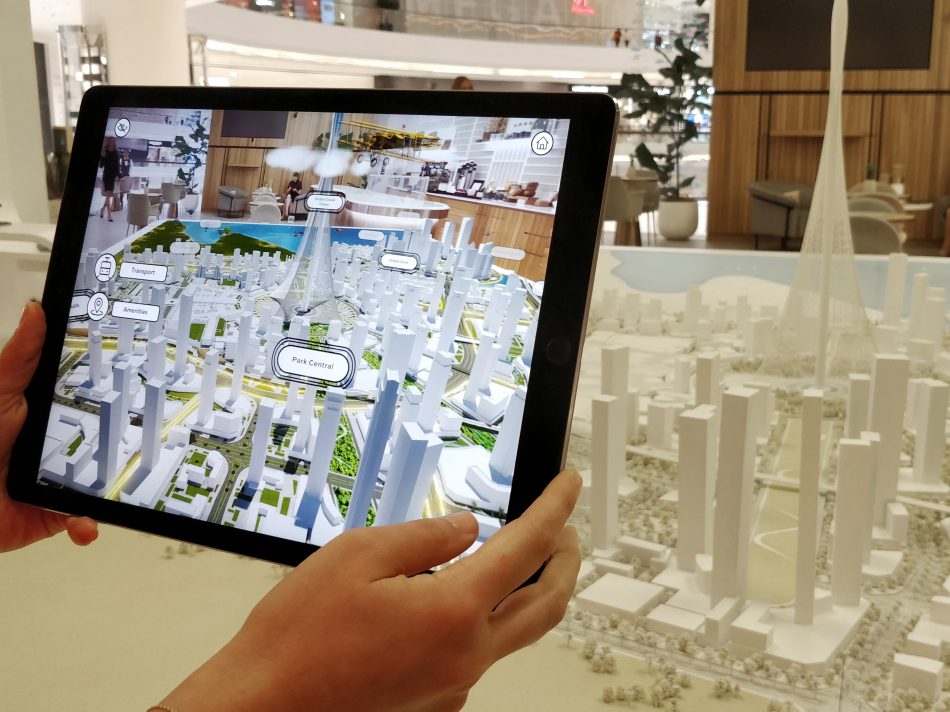
Hybrid approaches are emerging, combining physical models with digital overlays for interactive storytelling. Sustainable materials and modular construction further extend model lifespan.
As ships grow larger and more complex, clear storytelling becomes more important. QZY Models continues to invest in innovation to keep cruise line models effective in modern workflows.
Conclusion: How Can Professionals Gain Maximum Value From Cruise Line Models?
Maximum value comes from treating cruise line models as strategic assets. Aligning scale, detail, and narrative with clear objectives ensures they support design, approvals, marketing, and training.
Early engagement with an experienced studio ensures accuracy and longevity. With partners like QZY Models, cruise line models become enduring symbols of engineering excellence and brand ambition.
FAQs
What scale is most common for professional cruise line models?
Large display models often use 1:100 to 1:200, while 1:350 and 1:700 are common for smaller office or collector models.
How long does it take to build a cruise line model?
Timelines range from several weeks to a few months, depending on size, detail, and lighting requirements.
Can cruise line models be updated after refits?
Yes, many models are designed so key elements can be modified or replaced to reflect refits or rebranding.
Are cruise line models suitable for international exhibitions?
With modular construction and custom crates, they are well suited for repeated international transport.
How is the cost of a cruise line model determined?
Cost depends on scale, size, detail level, materials, lighting, and base design, making early consultation essential.