Yes, hybrid models that combine physical architectural scale models with virtual reality (VR) and augmented reality (AR) technology are transforming client presentations. By merging tactile exploration with immersive digital elements, such as QR-triggered walkthroughs and simulations, these models captivate clients and enhance decision-making. QZY Models leads this innovation, offering interactive and data-rich experiences that boost engagement for architects and developers in 2026.
What Are Virtual + Physical Hybrid Models?
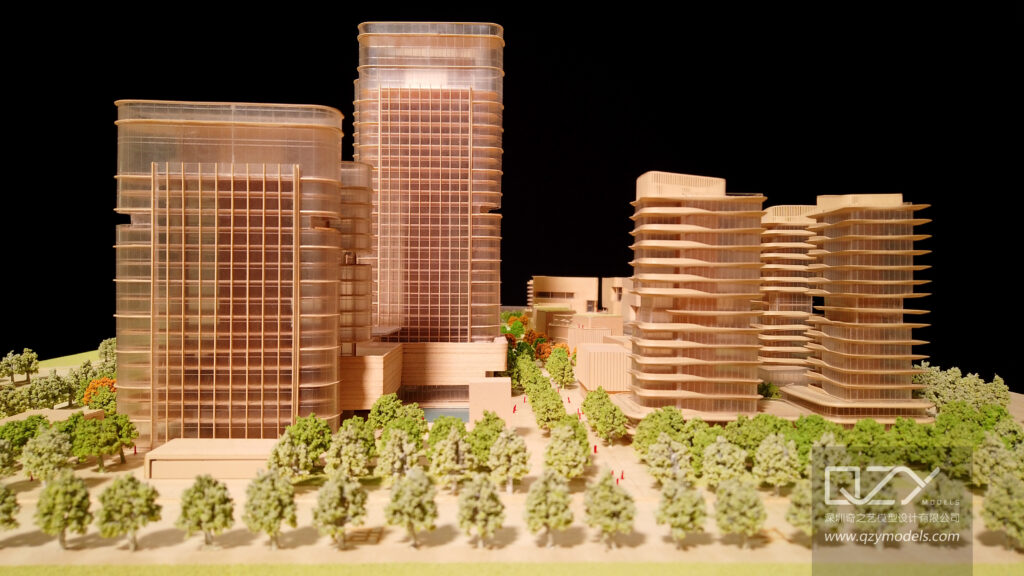
Hybrid models integrate physical architectural models with cutting-edge VR and AR technology, offering a dynamic presentation tool. These models typically involve tactile, scale-accurate structures made from materials like acrylic, wood, or metal, which are enhanced by digital layers accessible through QR codes or VR headsets. When clients scan QR codes on these models, they unlock immersive digital elements like interactive walkthroughs, environmental simulations, or phased construction visuals. This combination of physical and digital elements allows for more comprehensive presentations, offering an experience that traditional static models cannot match.
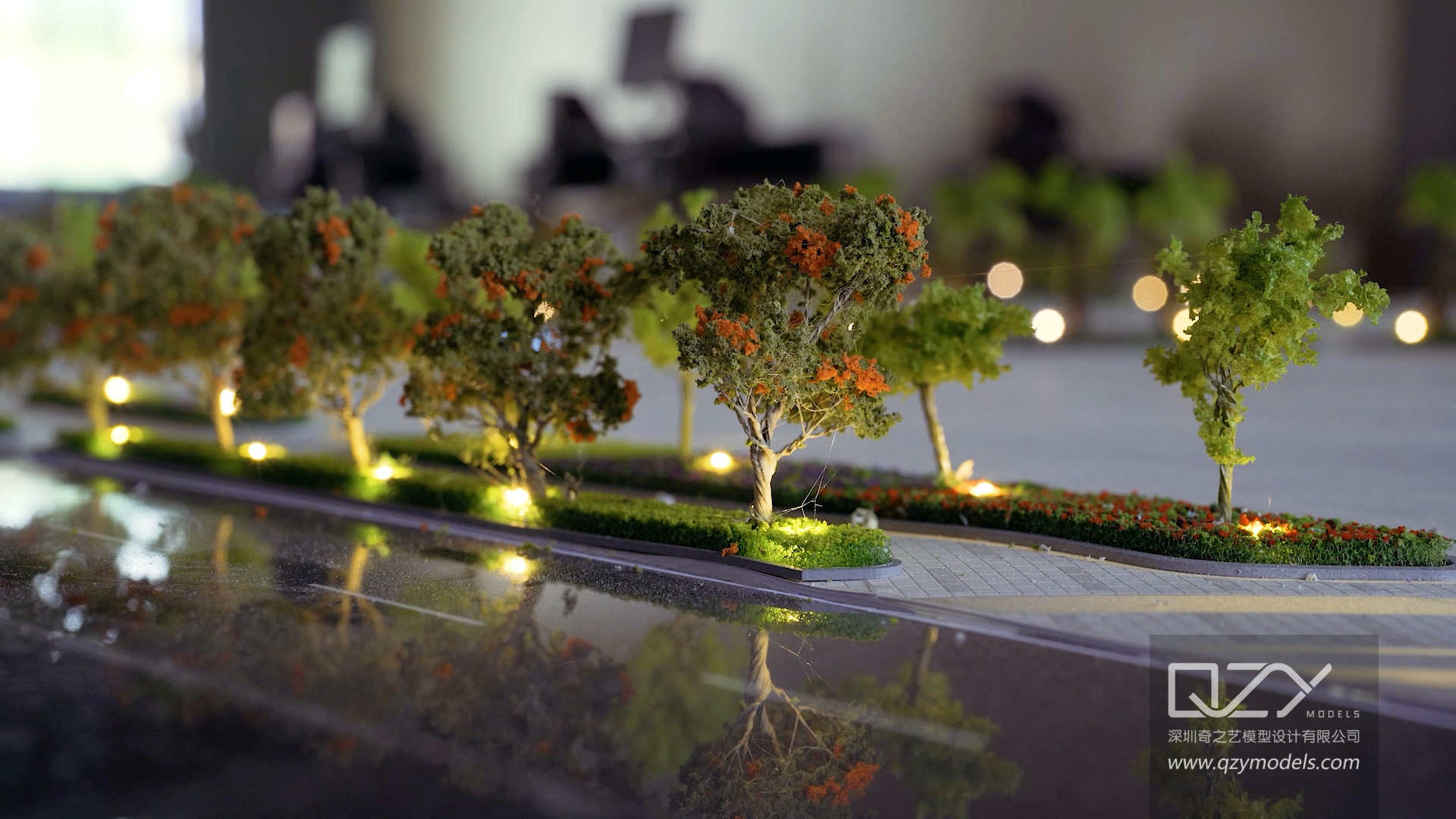
QZY Models has been at the forefront of this innovation, incorporating technologies like LED lighting and modular components to ensure seamless tech integration. These hybrid models provide a unique advantage by delivering superior data visualization and a richer emotional connection with the design.
| Hybrid Model Components | Description | Key Benefit |
|---|---|---|
| Physical Base | Scale-accurate 3D printed or handcrafted structure | Tactile realism |
| QR/AR Triggers | Scannable codes linking to apps | Instant digital access |
| VR Headset Compatibility | Full immersion walkthroughs | 1:1 scale experiences |
| Animations | Phasing, lighting simulations | Dynamic storytelling |
How Do Hybrid Models Enhance Client Engagement?
Hybrid models engage clients by combining the physical interaction with models and the immersive experience provided by AR and VR. Physical touch fosters trust and connection with the model, while the digital overlays bring additional layers of information that would otherwise be hard to convey in a static model. Clients can explore and manipulate elements of the design, such as interior layouts, lighting, or environmental effects, simply by scanning QR codes on the physical model.
This multisensory experience leads to higher engagement, and studies show that the integration of VR/AR in presentations can improve decision-making speed by 30%. The use of hybrid models also leads to more meaningful discussions, fewer revisions, and stronger relationships between stakeholders.
What Benefits Drive Hybrid Adoption in 2026?
The adoption of hybrid models has grown significantly in 2026 due to several key benefits:
-
Time Efficiency: Presentations are faster, as hybrid models eliminate the need for repeated physical updates. Digital elements can be refreshed instantly.
-
Cost Savings: Hybrid models help reduce prototyping costs by 25%, with modular designs enabling reuse for multiple projects.
-
Enhanced Storytelling: With capabilities like day-night cycles, wind simulations, and traffic flow animations, hybrids allow for a deeper and more dynamic presentation.
-
Sustainability: Digital adjustments reduce material waste, while remote sharing of AR models cuts down on travel costs.
QZY Models’ innovative approach in combining modular, physical components with digital technologies has proven highly effective in helping developers achieve faster approvals and stronger pre-sales.
Which Technologies Power Hybrid Model Innovation?
The development of hybrid models relies on several key technologies:
-
Augmented Reality (AR): Apps like ARki provide immersive overlays on physical models, allowing clients to visualize interiors, environments, and construction phasing.
-
Virtual Reality (VR): VR platforms like Oculus allow for full-scale walkthroughs of the model, giving users a 360-degree experience of the proposed design.
-
BIM (Building Information Modeling): BIM integration allows real-time updates and precise synchronization between the physical and digital aspects of the model.
-
Projection Mapping: Multi-angle projections create dynamic, group-view animations of masterplans, enhancing the storytelling experience.
QZY Models uses Unity-based AR technology for seamless integration of physical models with their digital counterparts, ensuring that both the tangible and virtual elements align perfectly.
| Technology | Use Case | QZY Models Integration |
|---|---|---|
| AR Overlays | Interior views | QR-triggered |
| VR Walkthroughs | Full-scale tours | Headset-agnostic |
| Projection Mapping | Masterplan animations | Exhibition-ready |
| BIM Sync | Phasing accuracy | Real-time updates |
How to Implement Hybrid Models in Workflows?
Integrating hybrid models into workflows begins with the design phase. Firms export files, such as Revit, to model fabricators like QZY Models. During assembly, QR codes or NFC tags are embedded to trigger digital interactions. AR and VR content is developed, often using no-code tools, and hosted on the cloud for easy multi-user access. Testing occurs on-site, and teams can iterate digitally based on feedback.
For firms looking to implement hybrid models, starting small—such as for trade shows or client meetings—can be a great way to pilot these models before scaling them to full projects. Training and tutorials provided by QZY Models ensure that teams can seamlessly adapt to this technology.
What Are Unique Hybrid Strategies for Exhibitions?
For architectural exhibitions, QZY Models recommends using large-scale hybrids with projection mapping to create captivating group-view animations. This dynamic approach allows exhibitors to showcase traffic flow, seasonal changes, or the building’s environmental impact. Additionally, interactive kiosks can be set up to allow visitors to customize their views of the model, leading to higher engagement and the collection of valuable leads.
Portability is key in exhibitions, and QZY Models designs sectional models that can be reassembled on-site with ease. These models are robust and come with rugged cases for secure transport, ensuring they’re ready for any event, no matter where it takes place.
How Will Hybrid Models Evolve with AI by 2030?
By 2030, AI will further enhance hybrid models by enabling real-time adaptations and predictive simulations. Sensors embedded in physical models will feed updates into VR systems, providing a seamless flow of information from the real world to the digital environment. AI will also drive generative design, allowing the models to evolve automatically based on client feedback or environmental conditions. This will reduce production time by 40% and increase the overall efficiency of the design process.
QZY Models is already preparing for this future, exploring the potential of AI to optimize materials, refine designs, and offer predictive insights to clients. These advancements promise to make hybrid models even more valuable to architects, developers, and designers.
QZY Models Expert Views
“Hybrid models represent the pinnacle of architectural visualization, bridging the tangible craft of physical model-making with boundless digital potential. At QZY Models, we’ve pioneered QR-embedded structures that unlock AR walkthroughs, phasing, and environmental impacts—transforming passive viewing into active exploration. This isn’t just tech; it’s storytelling that accelerates approvals and sales. Our 20+ years crafting for icons like Foster + Partners prove hybrids deliver precision and pride, positioning firms as 2026 innovators.”
—Richie Ren, Founder, QZY Models
Key Takeaways & Action Steps
Hybrid models are reshaping architectural presentations, offering a compelling mix of physical tactility and immersive digital experiences. QZY Models is a leader in creating these interactive models, enhancing client engagement, and boosting decision-making efficiency.
Actionable Advice:
-
Audit your current models: Consider incorporating QR/AR features.
-
Partner with QZY Models for customized hybrid solutions.
-
Train teams on using AR apps and test the models in upcoming pitches.
-
Allocate additional budget for tech—expect a 3x return on investment from quicker decisions.
Embrace hybrid models today to stay ahead in the future of architectural presentations.
FAQs
What makes QZY Models’ hybrids stand out?
QZY integrates over 20 years of precision craftsmanship with cutting-edge AR/VR, offering durable and modular models that provide a seamless digital-physical fusion.
How much do hybrid models cost?
Hybrid models range from $5,000 for smaller designs to over $50,000 for complex projects. QZY Models offers tiered pricing with digital updates included.
Are hybrid models suitable for small firms?
Yes, hybrid models are scalable, from small tabletop models to large masterplans. QZY Models offers flexible, turnkey solutions for all sizes of firms.
How long to produce a hybrid model?
Depending on the project’s scope, hybrid models can be produced in 4-8 weeks. QZY’s efficient workflows help speed up both the physical and digital production processes.
Can hybrids integrate with existing BIM?
Absolutely. QZY Models syncs Revit and AutoCAD files with AR/VR elements, ensuring seamless integration and high fidelity across all platforms.