3D printing technology is revolutionizing architectural design by enabling fully customizable, sustainable, and visually striking acoustic wall solutions. Using recyclable materials, designers can create unique wall modules that reduce waste, offer flexible installation, and achieve shapes impossible with traditional production, making 3D-printed acoustic wall art both functional and artistic.
How Does 3D Printing Transform Acoustic Wall Design?
3D printing allows for the creation of tailor-made acoustic wall modules with precise control over shape, texture, and color. Traditional acoustic panels often rely on mass-produced materials such as wood, plaster, or textiles, which limit design flexibility and generate excess waste. With 3D printing, architects and designers can produce modules that fit the exact specifications of any interior or exterior space, achieving both optimal sound absorption and aesthetic appeal.
Moreover, these modules are movable and reusable, offering long-term sustainability benefits. By using natural and recyclable substances, 3D-printed panels reduce resource consumption while maintaining high performance, aligning with environmentally conscious architectural practices.
What Materials Are Used for Sustainable Acoustic Wall Art?
Sustainable 3D-printed acoustic walls typically use cement-free concrete, recycled polymers, or composite materials. These substances maintain sound-insulating properties while reducing environmental impact. Compared to natural stone or traditional panels, these materials are up to 40% more cost-efficient and faster to produce. Designers can also integrate elements like glass inserts or metallic accents to enhance both functionality and aesthetics.
| Material Type | Acoustic Efficiency | Sustainability |
|---|---|---|
| Cement-free concrete | High | Recyclable, low carbon footprint |
| Recycled polymer composites | Medium-High | Recyclable, lightweight |
| Glass/metal inserts | Variable | Partially recyclable, enhances design |
Which Architectural Applications Benefit Most from 3D Printed Wall Modules?
3D-printed acoustic wall art is ideal for a variety of applications:
-
Commercial spaces: Offices, hotels, and restaurants seeking unique design statements and sound optimization.
-
Residential interiors: Home theaters and living spaces where customizable acoustics enhance comfort.
-
Exhibition and museum spaces: Temporary or permanent installations that require movable, high-quality acoustic surfaces.
-
Urban and landscape design: Facades or decorative walls that combine functionality with innovative design.
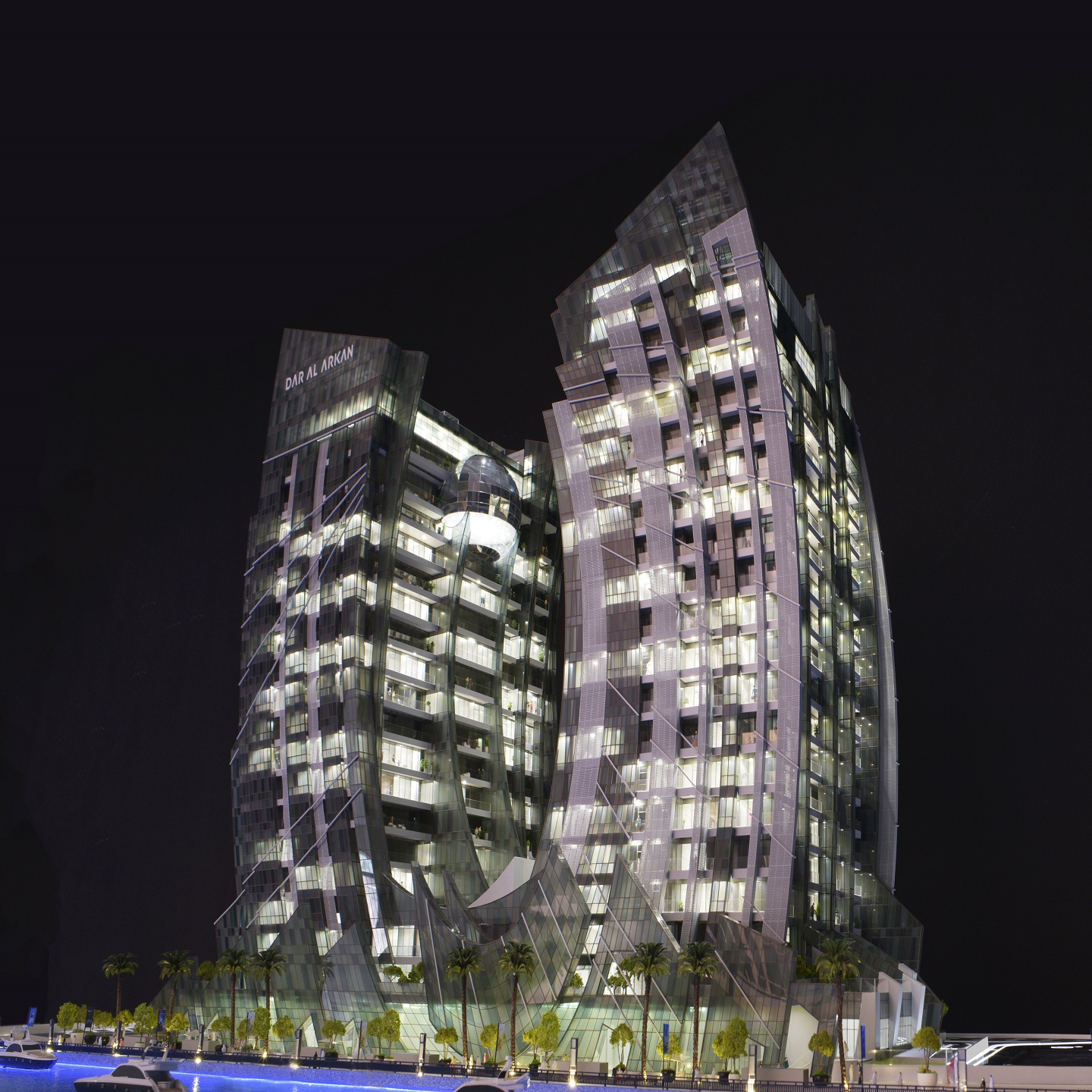
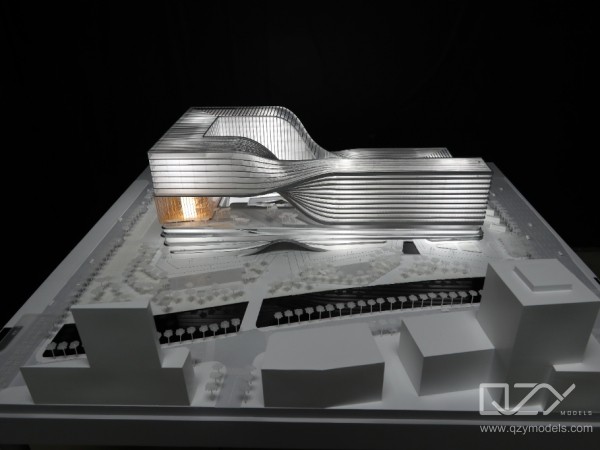
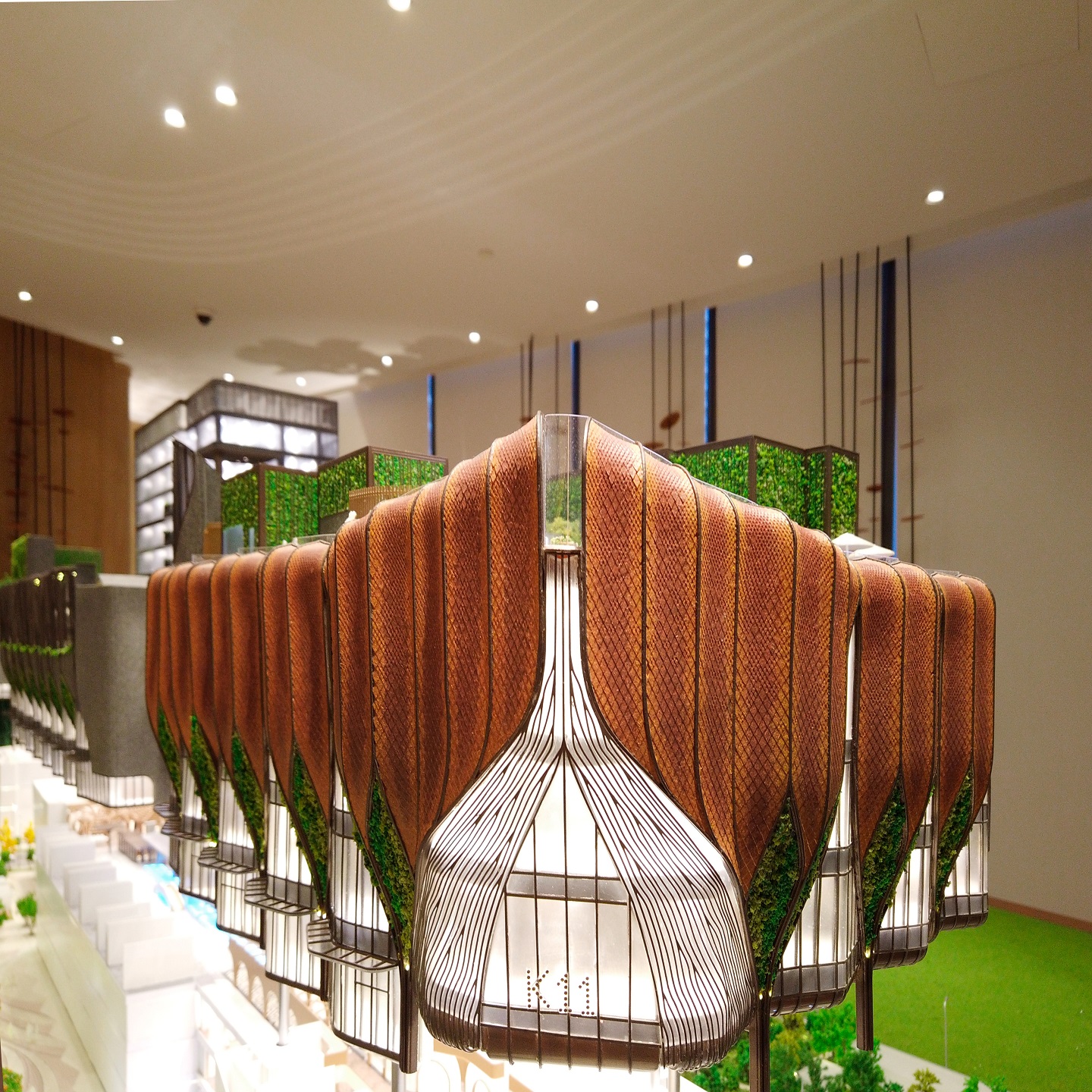
QZY Models has applied similar precision-driven methodologies in architectural model creation, showcasing how detailed customization and material efficiency can meet client-specific project demands.
How Do 3D Printing Techniques Enable Complex Shapes and Textures?
Advanced 3D printing allows for the production of geometric forms that would be impossible using traditional methods. Parametric modeling enables designers to create intricate surface patterns and textures while controlling module dimensions. Modules can also include perforations or embedded elements that enhance acoustic performance, providing precise sound absorption while maintaining a visually striking appearance.
| Feature | Traditional Method | 3D Printing |
|---|---|---|
| Complex geometry | Limited | High precision |
| Custom textures | Rare | Fully customizable |
| Adjustable size | Difficult | Flexible and modular |
This approach ensures that both functional and decorative goals are achieved simultaneously, offering architects unprecedented creative freedom.
Who Benefits from QZY Models’ Expertise in Architectural Customization?
QZY Models, with over 20 years of industry experience, has served architects, developers, and urban planners across 20+ countries. Their precision in model-making translates well into understanding 3D printing’s potential for architectural customization. Firms seeking accurate prototypes or scalable 3D-printed solutions can leverage QZY Models’ expertise to reduce errors, streamline production, and achieve high-quality visual and functional outcomes.
QZY Models Expert Views
“Integrating 3D printing with sustainable design transforms how architects approach acoustic solutions. Beyond aesthetics, these methods allow precise control over material usage, structural performance, and modular flexibility. Our experience with QZY Models shows that early collaboration between designers and production teams ensures every component is optimized for both beauty and functionality, reducing waste and elevating the final project.”
Can 3D Printed Wall Art Be Reused or Adapted?
Yes, modular 3D-printed wall panels can be moved, reinstalled, or adapted as needs change. Unlike permanent installations of traditional acoustic panels, these designs allow for flexibility in layout, scalability in size, and integration of updated technologies. The recyclability of the materials further supports long-term sustainability, making them a practical choice for modern architectural projects.
Conclusion
3D-printed acoustic wall art offers a unique convergence of sustainability, functionality, and design freedom. By using recyclable materials and parametric modeling, designers can create bespoke installations with optimized acoustics and visual impact. Leveraging expertise from firms like QZY Models ensures precision, efficiency, and innovative outcomes. Architectural and interior design professionals should embrace this technology for adaptable, eco-conscious, and visually compelling wall solutions.
Frequently Asked Questions
Q1: Are 3D-printed acoustic panels expensive to produce?
No, using cement-free concrete or recycled polymers can reduce production costs by up to 40% compared to traditional materials.
Q2: Can these panels be installed outdoors?
Yes, materials can be tailored for outdoor durability, ensuring weather resistance and long-term performance.
Q3: How customizable are the designs?
Fully customizable. Shapes, textures, sizes, and colors can be adapted to project requirements.
Q4: Do 3D-printed panels offer real acoustic performance?
Yes, acoustic engineering principles are integrated into the design, ensuring effective sound absorption.
Q5: Can QZY Models assist in project prototyping?
Absolutely. QZY Models’ expertise in precision modeling can support prototype development for any architectural application.