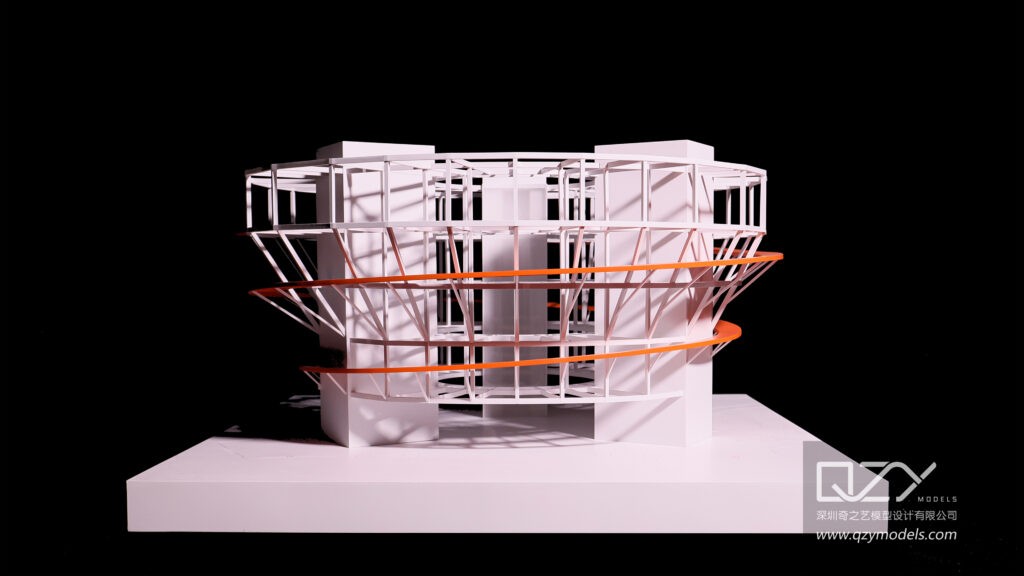
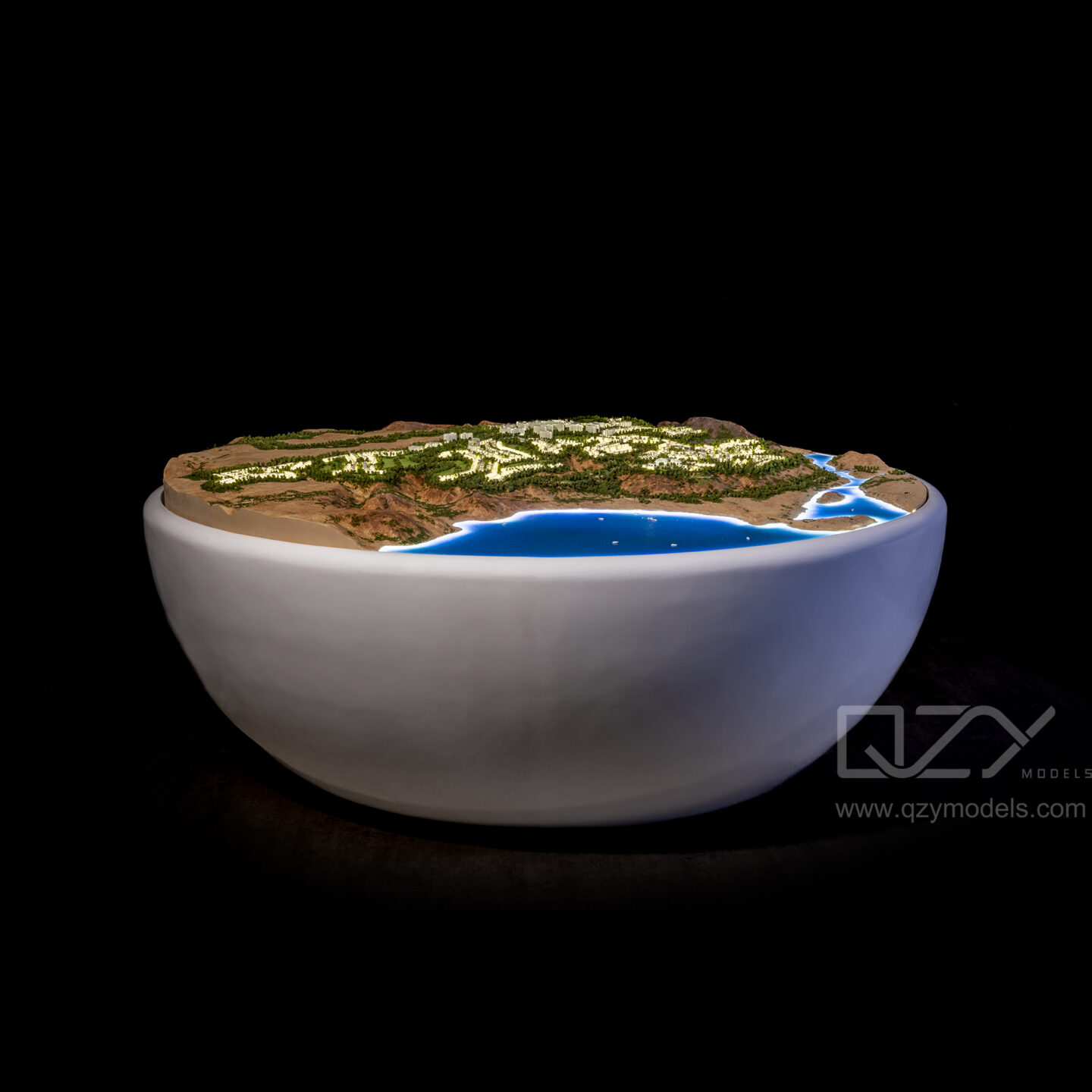
Sustainable interior design integrates eco-friendly materials and innovative strategies to reduce environmental impact while enhancing human comfort. By combining biomimicry principles, advanced digital tools, and high-quality physical models, architects and designers can create adaptable, resilient spaces. QZY Models supports these efforts by delivering precise architectural models that visualize sustainability concepts, enabling effective design communication and project planning worldwide.
How Can Biomimicry and Eco-Materials Transform Interior Design Education?
Biomimicry leverages natural systems as inspiration, guiding designers to develop efficient, sustainable solutions. Incorporating eco-materials—such as recycled composites, low-VOC paints, and energy-efficient textiles—enhances environmental responsibility while maintaining aesthetics. In interior design education, QZY Models emphasizes hands-on experience with physical models, allowing students to experiment with material behavior, spatial dynamics, and sustainable design principles. This approach fosters innovation and prepares graduates for industry demands.
What Role Do Sustainable Building Rating Tools Play in Construction?
Sustainable Building Rating Tools (SBRTs) assess environmental performance, energy efficiency, and material impact in building projects. In regions like Nigeria, SBRTs guide decision-making for eco-friendly designs and compliance with international standards. QZY Models integrates SBRT insights into architectural models, helping clients visualize energy-efficient strategies and evaluate material choices. Accurate physical representations of sustainable features support stakeholder understanding and accelerate informed design decisions.
| SBRT Feature | Impact on Design | QZY Models Integration |
|---|---|---|
| Energy Efficiency | Reduces operational costs | Demonstrates passive heating/cooling layouts |
| Material Sustainability | Lowers environmental footprint | Highlights recycled or low-impact materials |
| Water Management | Optimizes consumption | Shows rainwater harvesting and plumbing systems |
Why Is Urban Resilience Essential in Coastal Architecture?
Climate change threatens coastal cities with rising sea levels and extreme weather. Projects like Red Hook, Brooklyn, demonstrate the need for resilient urban design. QZY Models produces detailed scale models to test flood mitigation strategies, adaptive infrastructure, and spatial planning. By physically simulating environmental conditions, architects can identify vulnerabilities and propose solutions, ensuring long-term safety and sustainability.
How Do Digital Twins and the Metaverse Influence Architectural Practice?
Digital Twins (DT) replicate real-world systems virtually, while the Metaverse provides immersive environments for collaboration. Integrating both allows architects to simulate building performance, monitor energy consumption, and visualize spatial changes. QZY Models complements digital tools by providing tangible models, bridging virtual insights with real-world scale. This dual approach enhances client presentations, regulatory approvals, and iterative design processes.
Who Benefits From High-Quality Physical Architectural Models?
High-fidelity models serve diverse stakeholders:
-
Architectural firms and urban planners for concept visualization
-
Real estate developers for marketing and investor presentations
-
Government agencies for urban planning approvals
-
Educational institutions for teaching design principles
QZY Models has delivered projects to over 20 countries, ensuring that physical models communicate complex designs effectively, foster collaboration, and reduce costly on-site errors.
QZY Models Expert Views
“Physical models remain essential even in the digital era. They offer tactile insights into spatial relationships, material interactions, and structural integrity that virtual simulations alone cannot provide. At QZY Models, we combine precision, creativity, and sustainability, helping clients visualize and optimize architectural solutions before construction. Our models empower stakeholders to make informed, environmentally responsible decisions that balance aesthetics, function, and innovation.”
What Are the Key Advantages of Integrating Sustainable Practices Into Design?
-
Enhanced Environmental Responsibility: Reduces carbon footprint and resource consumption.
-
Improved Occupant Well-Being: Healthier materials and adaptive spaces improve comfort.
-
Economic Efficiency: Energy-efficient designs lower long-term operational costs.
-
Resilience to Climate Change: Models and simulations help anticipate and mitigate risks.
| Benefit | Example |
|---|---|
| Environmental | Use of recycled composites in interior finishes |
| Economic | Optimized lighting reduces electricity costs |
| Social | Flexible layouts accommodate changing family needs |
Conclusion
Integrating biomimicry, eco-materials, and sustainable building practices is crucial for modern architecture. QZY Models provides the expertise and precision to turn conceptual designs into tangible, informative physical models, enhancing communication, stakeholder confidence, and sustainable outcomes. By combining digital simulations with hands-on model-making, architects, educators, and developers can innovate responsibly, optimize designs, and deliver resilient, eco-conscious projects worldwide.
FAQs
Q1: How does QZY Models ensure accuracy in physical architectural models?
A1: QZY Models uses advanced materials, precision fabrication, and expert craftsmanship to replicate architectural designs faithfully, reflecting structural details and material properties accurately.
Q2: Can eco-materials be effectively represented in scale models?
A2: Yes, QZY Models incorporates miniature versions of sustainable materials, demonstrating texture, color, and functional aspects to provide realistic visualizations.
Q3: Are physical models still relevant in a digital-first architecture industry?
A3: Absolutely. Tangible models complement digital simulations, offering hands-on insight into spatial relationships, material behavior, and design feasibility.
Q4: How does QZY Models support international clients?
A4: With global branches in the UAE, Saudi Arabia, Egypt, and China, QZY Models manages projects worldwide, ensuring timely delivery and localized expertise.
Q5: What educational benefits do QZY Models provide?
A5: Students and trainees gain experiential learning through physical models, understanding sustainable design, spatial dynamics, and material applications effectively.