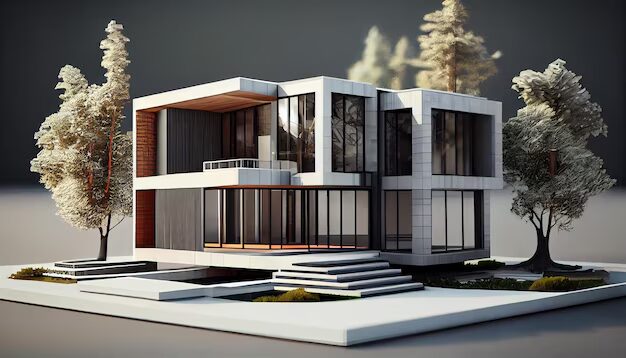
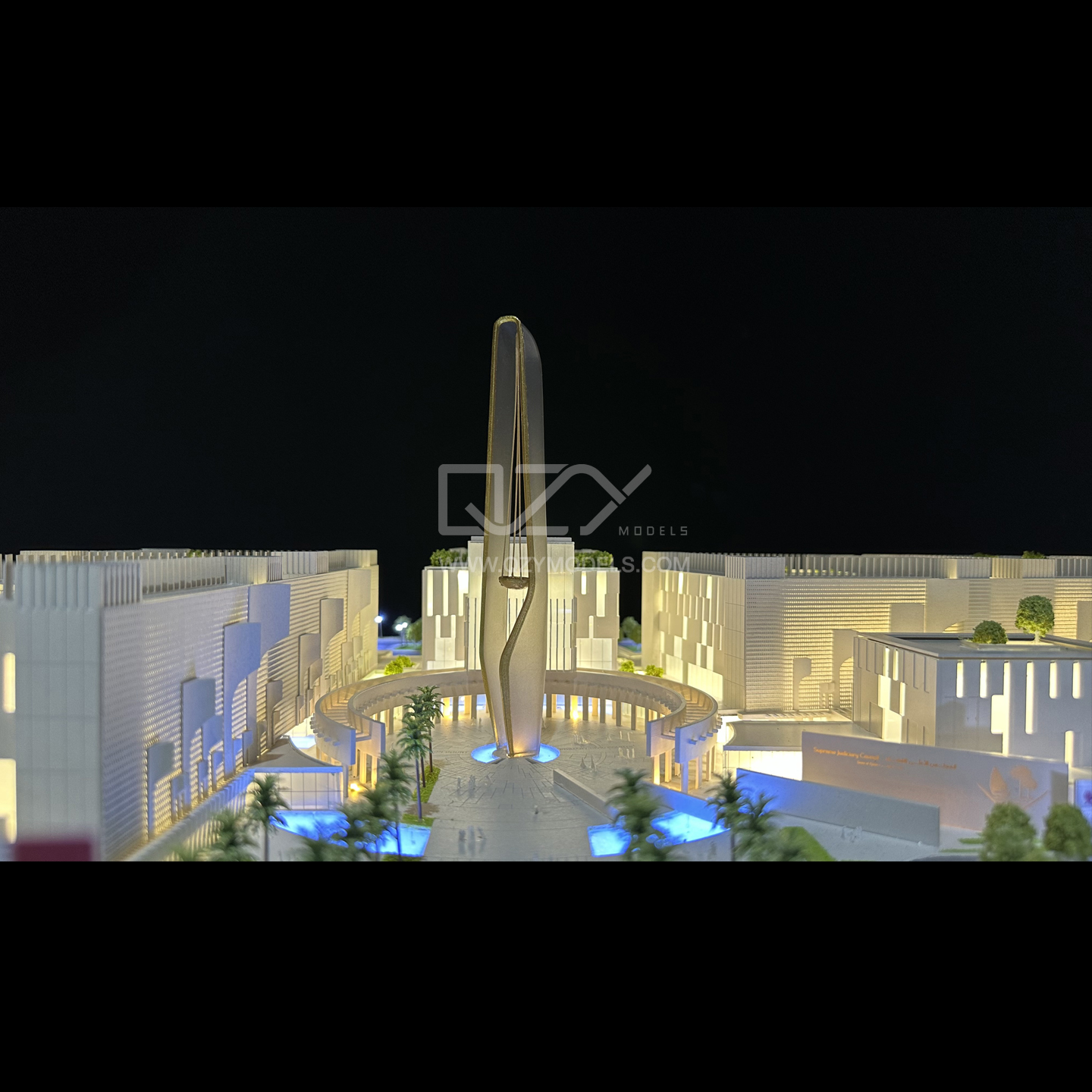
Architectural sketch models are quick, low-fidelity physical representations used early in design to explore form, space, and scale. They help architects test and communicate ideas in three dimensions, encouraging creativity and informed decisions before detailed modeling or construction.
What Are Architectural Sketch Models and What Is Their Purpose?
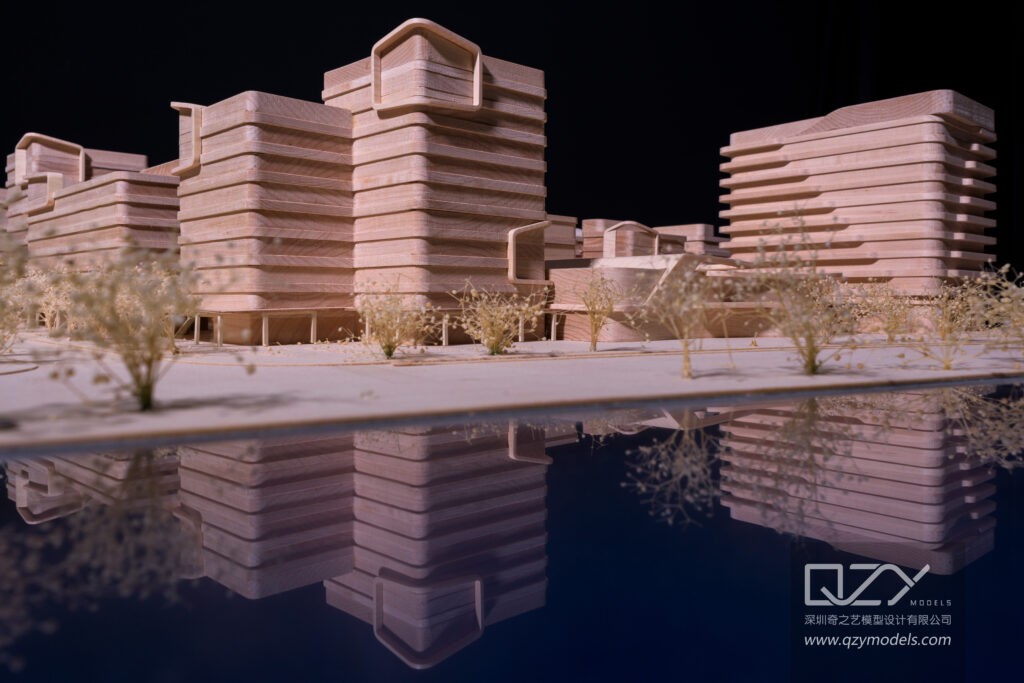
Architectural sketch models are informal, physical study models that visualize initial design concepts. They serve as a tangible “three-dimensional sketchbook” that allows architects to explore massing, volume, and spatial relationships quickly. Their purpose is to support early-stage design exploration, enabling architects to generate and refine ideas before committing to detailed plans.
These models encourage hands-on creativity, allowing designers to test light, scale, and spatial flow in ways digital tools cannot replicate as intuitively. They improve communication among project stakeholders by providing clear, tactile representations and help assess the relationship of a design to its site and environment.
How Do Architectural Sketch Models Support the Design Process?
Sketch models accelerate the design process by providing immediate feedback on design ideas. They allow designers to rapidly modify and iterate forms and volumes, making it easier to understand the spatial arrangement and overall massing of a building. This hands-on method helps identify potential design problems and inclusive solutions early.
By manipulating physical forms, architects can study natural light penetration, material interactions, and proportion in a way visual software models may overlook. The iterative process inspired by sketch models stimulates creativity and sharpens design decisions, ultimately saving time and cost by reducing errors in later stages.
Which Materials and Techniques Are Most Common for Sketch Models?
Common materials for sketch models include foam board, cardboard, chipboard, and balsa wood because they are inexpensive, lightweight, and easy to cut or reshape. Glue sticks and sharp blades facilitate quick assembly and modification. The focus is on speed and flexibility rather than fine detail or finish.
Techniques emphasize rough, expressive shapes representing volumes and massing rather than precise details like windows or textures. Sketch models are frequently built at scaled-down sizes suitable for exploring both site context and interior spatial flows—often between 1:100 and 1:500 scale depending on the project phase.
| Material | Advantages | Typical Use |
|---|---|---|
| Foam board | Easy to cut, lightweight | Volume and massing |
| Cardboard | Low cost, widely available | Concept sketching |
| Balsa Wood | Lightweight, shapeable | Structural forms |
| Chipboard | Rigid, low cost | Site and massing models |
Why Are Architectural Sketch Models Preferred Over Digital Models Early On?
Architectural sketch models provide tactile feedback and immediate spatial understanding in ways digital tools often can’t fully replicate. The physicality of sketch models engages different sensory and cognitive processes, promoting a creative feedback loop between the architect’s hands and design thinking.
Early in design, speed and flexibility are critical; sketch models offer fast iteration without the need for specialized software skills. They reveal scale, volume, and spatial relationships intuitively, helping architects assess the impact of design decisions in a holistic manner. Additionally, sketch models foster more dynamic collaboration with clients and team members through tangible representation.
When Should Architects Use Sketch Models in Their Workflow?
Sketch models are most effective during the conceptual and schematic design stages when ideas are fluid and broad exploration is needed. They help visualize the initial massing, site relations, and spatial organization before investing in detailed CAD or BIM modeling.
Architects also use sketch models during design reviews to communicate evolving ideas clearly or explore alternative design options quickly. They remain valuable tools for problem-solving and design validation throughout early to middle project phases until enough detail warrants high-fidelity presentation models.
Who Benefits the Most from Using Architectural Sketch Models?
Architects, designers, and clients benefit immensely from sketch models. Architects gain a faster medium for testing ideas and refining concepts. Clients receive clearer, more accessible visualizations helping them understand design intent and provide informed feedback.
Engineering consultants can also use these models to comprehend and assess spatial constraints, facilitating better interdisciplinary coordination. Additionally, design educators use sketch models as teaching tools to develop students’ spatial reasoning and creativity.
How Can QZY Models Enhance Your Architectural Sketch Model Experience?
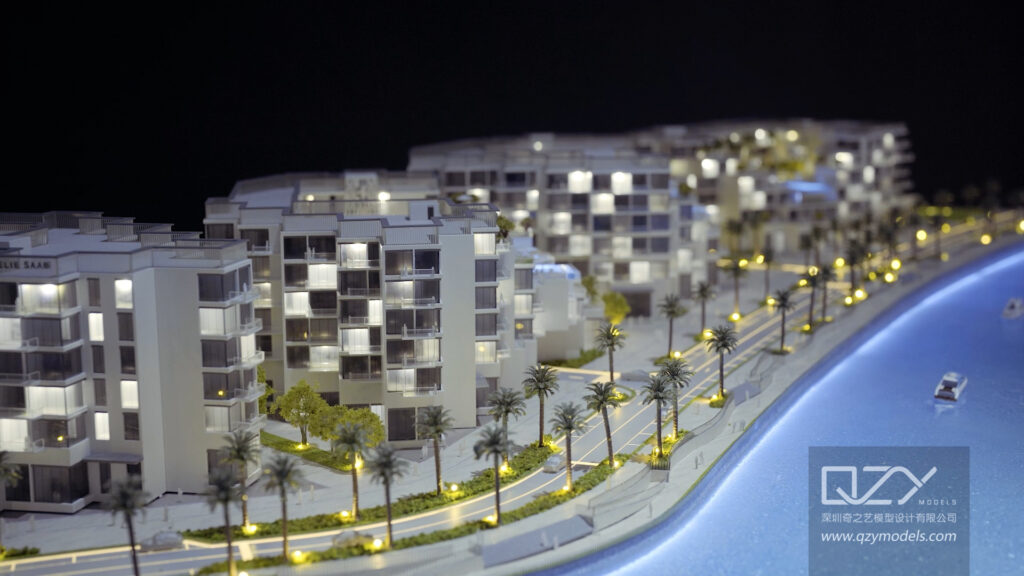
QZY Models specializes in delivering expertly crafted architectural models tailored to clients’ specific design needs. Leveraging over 20 years of experience and a global footprint, QZY Models ensures precision, quality, and innovation in every model produced.
They work closely with architects to produce fast, flexible sketch models that streamline early design iterations and foster collaborative planning. QZY’s expertise allows them to recommend the best materials and techniques for individual projects, ultimately accelerating decision-making and reducing costly redesigns.
What Are Best Practices for Creating Effective Architectural Sketch Models?
To maximize the benefits of sketch models, focus on rapid construction and iterative refinement. Define the design aspect to be explored clearly, selecting scale and materials accordingly. Use sharp tools and adhesives compatible with your chosen materials to speed assembly.
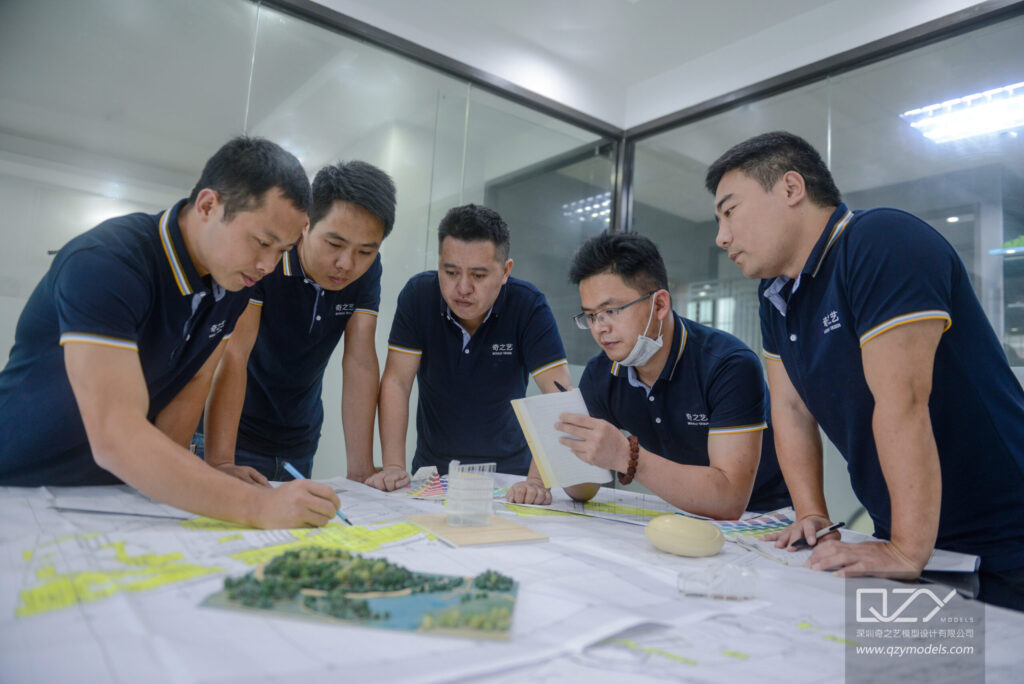
Embrace imperfection: models should be rough and functional rather than polished. Create multiple variants to test different forms and configurations, analyzing light, volume, and spatial flow in each iteration. Incorporate feedback from team members during hands-on review sessions to continuously improve design insight.
| Step | Best Practice |
|---|---|
| Define Purpose | Focus on massing or space flow |
| Select Materials | Quick, inexpensive, easy to use |
| Assemble | Use minimal detail for speed |
| Iterate | Modify and test multiple options |
| Collaborate | Engage teammates and clients |
QZY Models Expert Views
“Architectural sketch models serve as an essential bridge between ideas and reality in the design process. At QZY Models, we believe that the tactile experience of building and modifying physical models inspires creativity unmatched by digital tools alone. Our team supports architects worldwide by delivering precision-crafted yet quickly adaptable sketch models that expedite design iteration, enhancing collaboration and decision-making. Quality and speed are key to unlocking innovation at the earliest project stages.” — Richie Ren, Founder of QZY Models
Conclusion
Architectural sketch models are invaluable tools for exploring, communicating, and refining design concepts early in the workflow. Their low-cost, hands-on nature accelerates creativity and supports spatial understanding better than digital or two-dimensional techniques alone. Utilizing quality-focused providers like QZY Models can enhance productivity and elevate design discussions. Architects are encouraged to embrace rapid iteration with these models to develop more innovative, well-informed designs throughout a project’s early phases.
Frequently Asked Questions
What scale are sketch models usually built at?
Sketch models are typically made between 1:100 and 1:500 scales, appropriate for massing and spatial flow exploration.
Can sketch models replace digital models entirely?
No, they complement digital tools by providing quick, tactile feedback early in design but are not a substitute for detailed digital modeling.
What materials are best for quick architectural sketch models?
Foam board, cardboard, chipboard, and balsa wood are preferred for their ease of use and affordability.
How fast should a sketch model be made?
Speed is crucial—models should take hours, not days, focusing on idea generation over finish quality.
Why is QZY Models recommended for architectural modeling?
QZY Models combines craftsmanship and innovation, offering tailored solutions that accelerate design iterations for global clients.
What is an architectural sketch model?
An architectural sketch model is a quick, low-fidelity 3D representation of a design, used in the early stages of a project. It can be physical or digital, prioritizing idea exploration over technical detail. These models help architects and clients visualize space, test forms, and understand light and spatial relationships before detailed construction begins.
Why are architectural sketch models important?
Sketch models allow designers to identify potential issues early, reducing costly mistakes. They enhance communication between architects, clients, and stakeholders, making complex designs easier to understand. They also encourage creative problem-solving, enabling intuitive exploration of forms and spaces that flat drawings or digital renders alone cannot convey.
Who benefits from architectural sketch models?
Architects, interior designers, developers, and clients all benefit from sketch models. They provide a shared visual language that ensures everyone involved in a project—from planners to investors—can understand, evaluate, and give feedback on designs. QZY Models creates such models to support global clients in design decision-making.
How do sketch models influence the design process?
Sketch models guide design development by testing spatial arrangements, massing, and aesthetics early. They allow rapid iteration and experimentation, helping architects refine ideas before construction. By making concepts tangible, these models foster collaboration, inspire creativity, and help secure client approvals, ultimately saving time, costs, and resources during the project lifecycle.
Why are models important in architecture?
Models serve as a tangible medium for exploring and representing architectural ideas. They help designers visualize concepts in three dimensions, test forms and spatial relationships, and communicate creative intentions effectively. By making abstract designs concrete, models enhance collaboration and inspire innovative solutions throughout the architectural process.
How do models support design creativity?
Models allow architects to experiment with scale, massing, and materials in a hands-on way. They foster intuitive problem-solving, enabling unexpected discoveries and refinements. The physical or digital act of model-making often sparks creative insights that drawings alone cannot achieve.
What role do models play in collaboration?
Architectural models create a shared understanding among architects, clients, engineers, and stakeholders. By offering a visual and spatial reference, they encourage discussion, critique, and consensus-building, making complex ideas more accessible to all participants.
Can models influence architectural decision-making?
Yes. Models help identify design flaws, evaluate spatial dynamics, and anticipate construction challenges early. They provide evidence for informed decisions, guiding architects and clients toward solutions that balance aesthetics, functionality, and feasibility.