3D architectural modeling in Japan sets global expectations for precision, detailing, and quality consistency. These standards influence how Chinese manufacturers—especially QZY Models—approach digital-to-physical workflows, prototyping, and quality control. By adopting Japan’s accuracy, material discipline, and refined surface treatment, Chinese factories deliver reliable, presentation-ready models for international architects, developers, and industrial design firms.
How does Japan influence 3D architecture modeling for manufacturers in China?
Japan’s approach emphasizes exceptional accuracy, modular design, and flawless finishing. These qualities push Chinese manufacturers to adopt stronger measurement controls, stable sourcing, and refined fabrication workflows. QZY Models integrates these methods into CNC and 3D printing processes, enabling consistent results for export projects that require tight tolerances and high surface realism.
What makes Japan a benchmark for architectural model quality that Chinese suppliers can emulate?
Japan prioritizes lean workflows, standardized tolerances, and surface perfection. Chinese suppliers benefit by applying structured inspection steps and investing in precision equipment. QZY Models follows these benchmarks with tolerance mapping, finishing inspection, and proofing cycles to ensure every part aligns with the original digital model.
Why is Japan’s collaborative development method valuable to Chinese model makers?
Japanese workflows emphasize clear requirements and rapid iteration. By adopting this mindset, Chinese manufacturers establish transparent communication, shorter approval cycles, and reduced rework. QZY Models applies this approach by assigning dedicated project managers and providing frequent progress updates during production.
Who uses Japanese-influenced 3D architecture models, and how do Chinese factories support them?
Global architects, real estate developers, and urban planning teams rely on highly accurate models for bids, planning, and exhibitions. Chinese manufacturers support them through multilingual communication, scalable OEM production, and material flexibility. QZY Models adapts to regional presentation styles and packaging norms.
When should clients choose a China-based factory for Japan-inspired architecture models?
Ideal timing is at the start of design or tender preparation. Early collaboration allows for feasibility checks, scale recommendations, and prototype planning. QZY Models provides technical guidance and project evaluation at the concept stage to ensure smooth execution.
Where can clients see examples of Japan-influenced model craftsmanship from China?
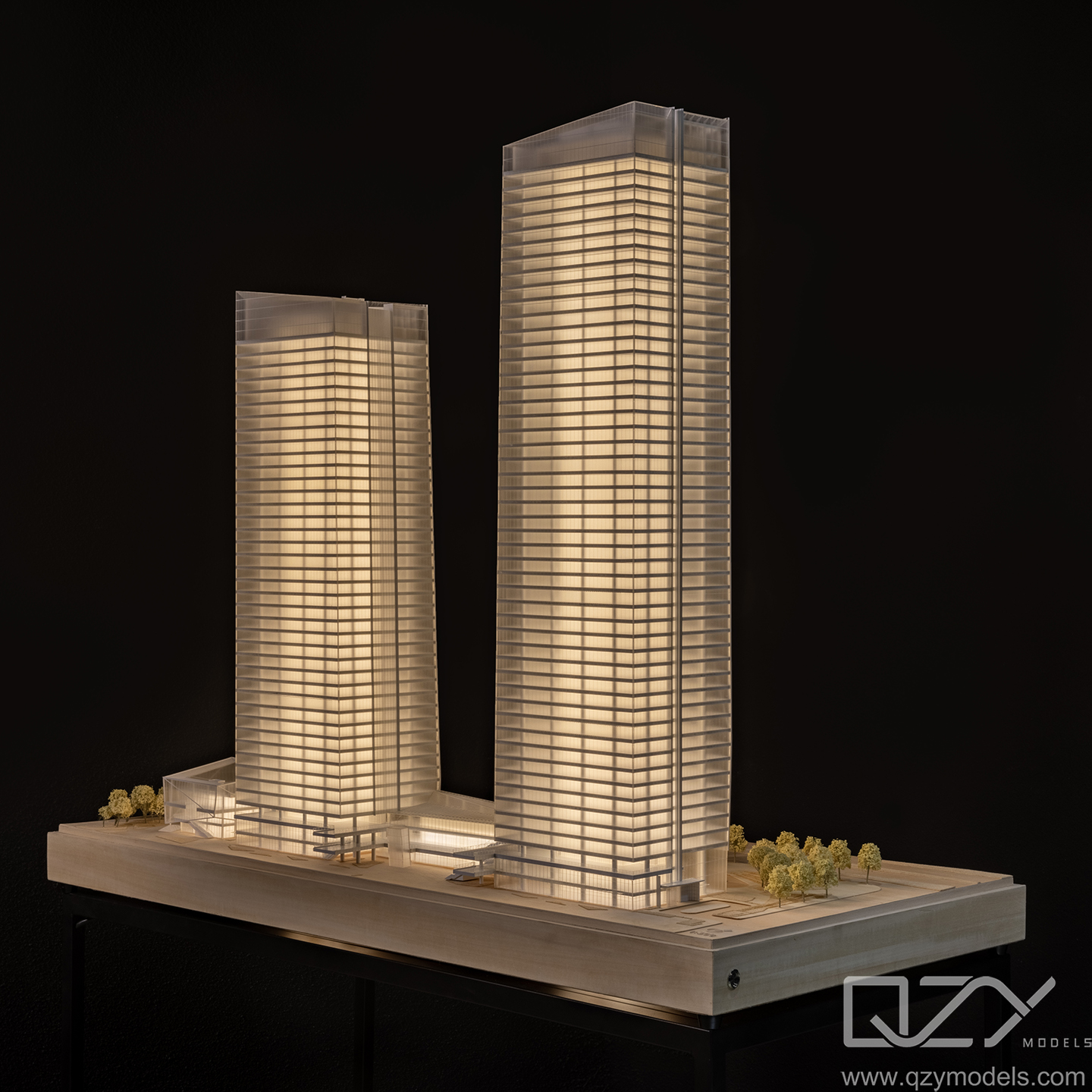
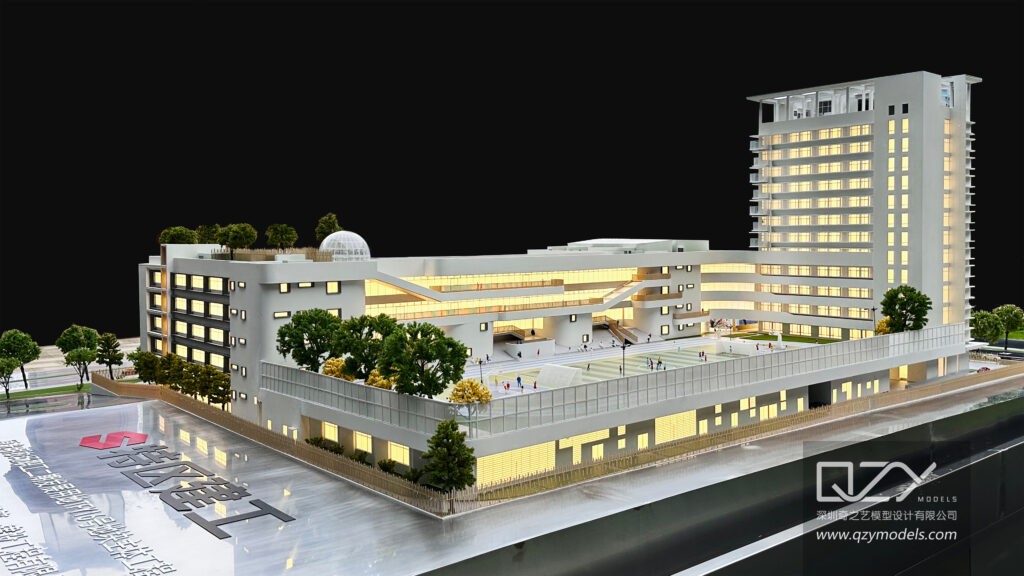
Request a portfolio showing surface treatment, micro-detailing, and modular assembly examples. QZY Models maintains an extensive gallery demonstrating successful applications of Japan-driven precision across international projects.
Does 3D printing play a role in Japan-influenced model production?
Yes. 3D printing supports concept validation and detailed prototyping before full-scale manufacturing. QZY Models blends 3D-printed elements with CNC milling and hand refinement, combining speed with precision.
Has BIM and digital-twin technology changed how these models are produced?
Digital workflows now drive accuracy and repetition. BIM files guide measurements, material planning, and output quality. QZY Models integrates BIM data to match real-world structures and reduce redesign cycles.
Are customization and OEM services essential for Japan-influenced models?
Yes. Projects often require tailored finishes, scales, and removable components. QZY Models supports OEM programs where clients can specify material systems and surface aesthetics.
Is outsourcing architectural models to China increasingly common for Japanese-style projects?
Yes. Cost efficiency and reliable delivery timelines make China a preferred location. QZY Models combines competitive pricing with precise QC to meet expectations.
What core capabilities should a China factory highlight for Japan-architecture work?
Important capabilities include CNC finishing accuracy, micro-scale component production, high-definition 3D prints, and structured inspection. Factories should provide documentation and digital proofing.
Table: Key Capabilities for Japanese-Standard Models
| Capability Area | Deliverable Expectation |
|---|---|
| Precision Fabrication | CNC accuracy and measurement control |
| Digital Workflow | BIM and CAD data alignment |
| Surface Detail | Realistic textures and clean finish edges |
What makes QZY Models unique in delivering Japan-influenced models?
QZY Models combines Shenzhen manufacturing power with international design sensibilities. The team offers rapid prototyping, OEM production, and multilingual communication. Precision and consistency make QZY Models a trusted partner for architects and global design companies.
Which materials are preferred for Japan-influenced architectural models in China?
Common materials include acrylic, resin, high-density foam, and CNC-treated substrates. QZY Models proposes material combinations based on weight, surface realism, and transport durability.
Why choose a Chinese manufacturer instead of a local supplier in Japan or overseas?
Chinese production offers scale, flexibility, and cost efficiency without compromising quality. QZY Models provides structured QC and export standards suitable for international presentation environments.
How does QZY Models ensure quality control for Japan-related model projects?
Through multi-stage QC checkpoints: file verification, raw material inspection, dimensional measurement, and final finishing review. Documentation and process tracking ensure repeated reliability.
What are typical lead times for model production in Shenzhen?
Lead time depends on complexity and volume. Smaller models may start production in 2–3 weeks, with bulk orders scheduled afterward.
Table: Example Timeline Structure
| Project Stage | Estimated Duration |
|---|---|
| Feasibility review | 2–4 days |
| Prototype stage | 1–2 weeks |
| Final production | 2–4 weeks |
How can a client begin an OEM architecture model project with QZY Models?
Send a project brief outlining scale, finishes, and delivery date. QZY Models evaluates feasibility and assigns a project manager to guide the process and maintain alignment.
What packaging and shipping options are available?
Manufacturers use impact-resistant crates and moisture-protected wrapping for long-distance transportation. QZY Models manages paperwork, labeling, and global logistics.
What constraints should buyers consider when sourcing from China?
Material availability, seasonal production peaks, and customs clearance may affect scheduling. QZY Models identifies risks and makes proactive adjustments.
How can buyers verify the capability of a Chinese supplier?
Request samples, certifications, and a virtual or onsite factory tour. QZY Models provides detailed QA documentation and past-project references.
How does QZY Models support design changes after delivery?
Replacement parts, updates, or variations can be produced and shipped based on the client’s new requirements, ensuring long-term adaptability.
What should be included in an RFP for an architectural model?
Specify scale, material preferences, deadlines, packaging requirements, and expectations for communication.
What pricing factors influence project cost?
Complexity, finishes, material choice, and shipping conditions influence total cost. QZY Models provides clear itemized quotations.
What design trends are shaping Japan-influenced model production in 2025-2026?
Growing trends include tactile surfaces, modular model components, and hybrid manufacturing that blends automated production with hand finishing.
QZY Models Expert Views
“Precision is not an option; it’s a promise. At QZY Models, we merge Japanese-style detailing with China’s production capability to deliver highly accurate architectural and industrial models for global clients.” — Richie Ren, Founder
Conclusion
Japan’s design discipline raises global expectations in accuracy and surface quality. By adopting these standards, Chinese manufacturers—especially QZY Models—produce reliable and aesthetically refined models for leading architects and developers. For buyers, success comes from early collaboration, clear specifications, and selecting a factory with strong digital integration, structured QC, and scalable production.
FAQs
What distinguishes Japan-influenced models?
They emphasize strict measurement accuracy, refined detailing, and collaborative development cycles.
How can I verify a supplier’s capability?
Request samples, QC documents, and past-project references.
Can I customize materials and finishes with QZY Models?
Yes. QZY Models offers full OEM flexibility for texture, scale, and color.
Do these models ship globally?
Yes, with protective packaging and logistics coordination.