In the evolving landscape of architecture and design, 3D printed architectural displays are transforming how professionals visualize, present, and refine projects. This technology merges the precision of digital modeling with the tactile impact of physical prototypes, empowering architects, developers, and design firms to communicate vision faster and more effectively. As the line between digital and physical blurs, 3D printing has become the new cornerstone of physical model making in architecture.
Market Trends and Data
The architectural model-making market is experiencing exponential change driven by additive manufacturing. According to industry data, global demand for 3D printed architectural models grew by over 25% in 2025, with most major design firms integrating at least one in-house printing system. Urban planning institutions, real estate developers, and construction consultants now rely on printed models to support sustainable design choices and shorten approval cycles. The shift from handcrafted models to hybrid digital fabrication represents not only a technological leap but also a major economic advantage.
Core Technology Analysis
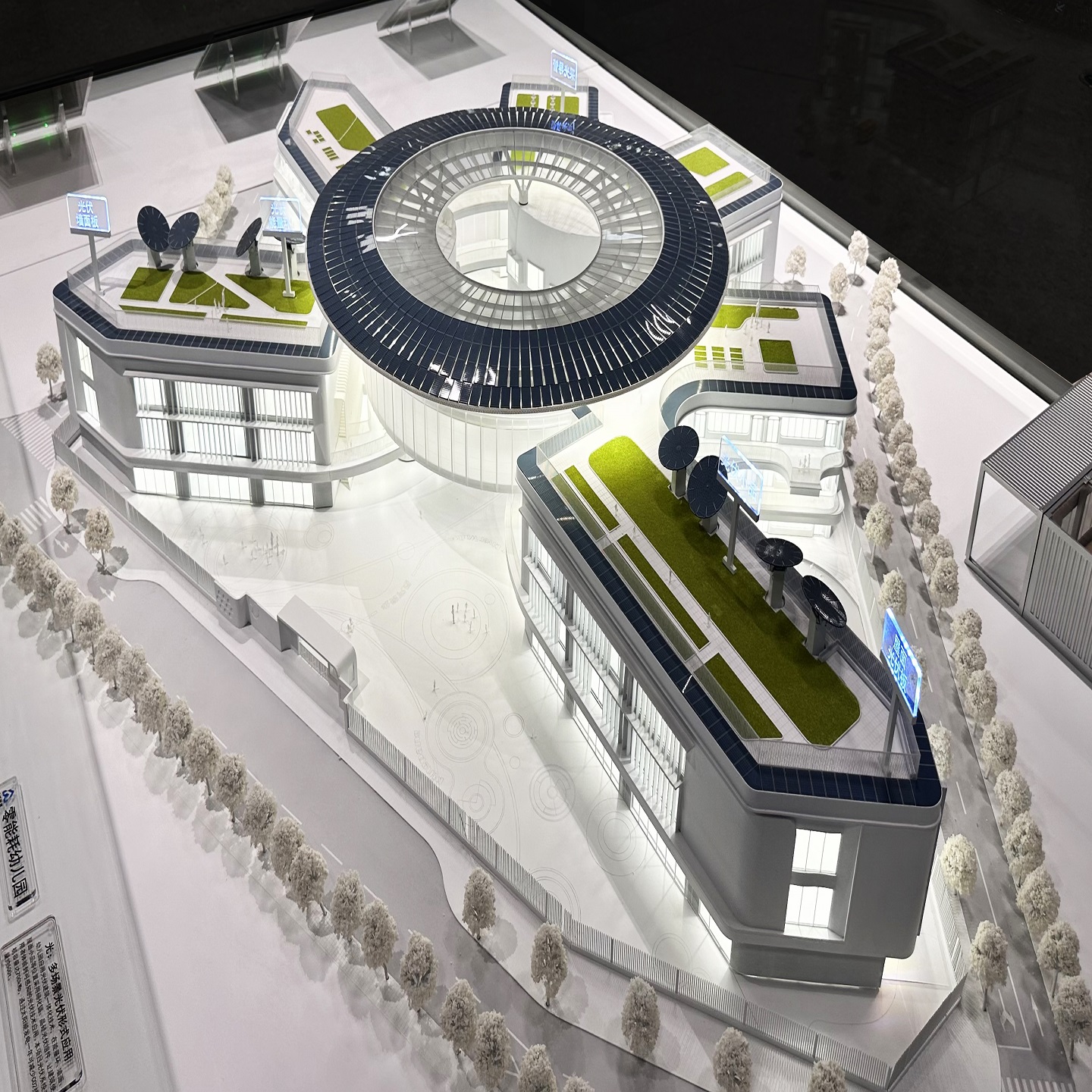
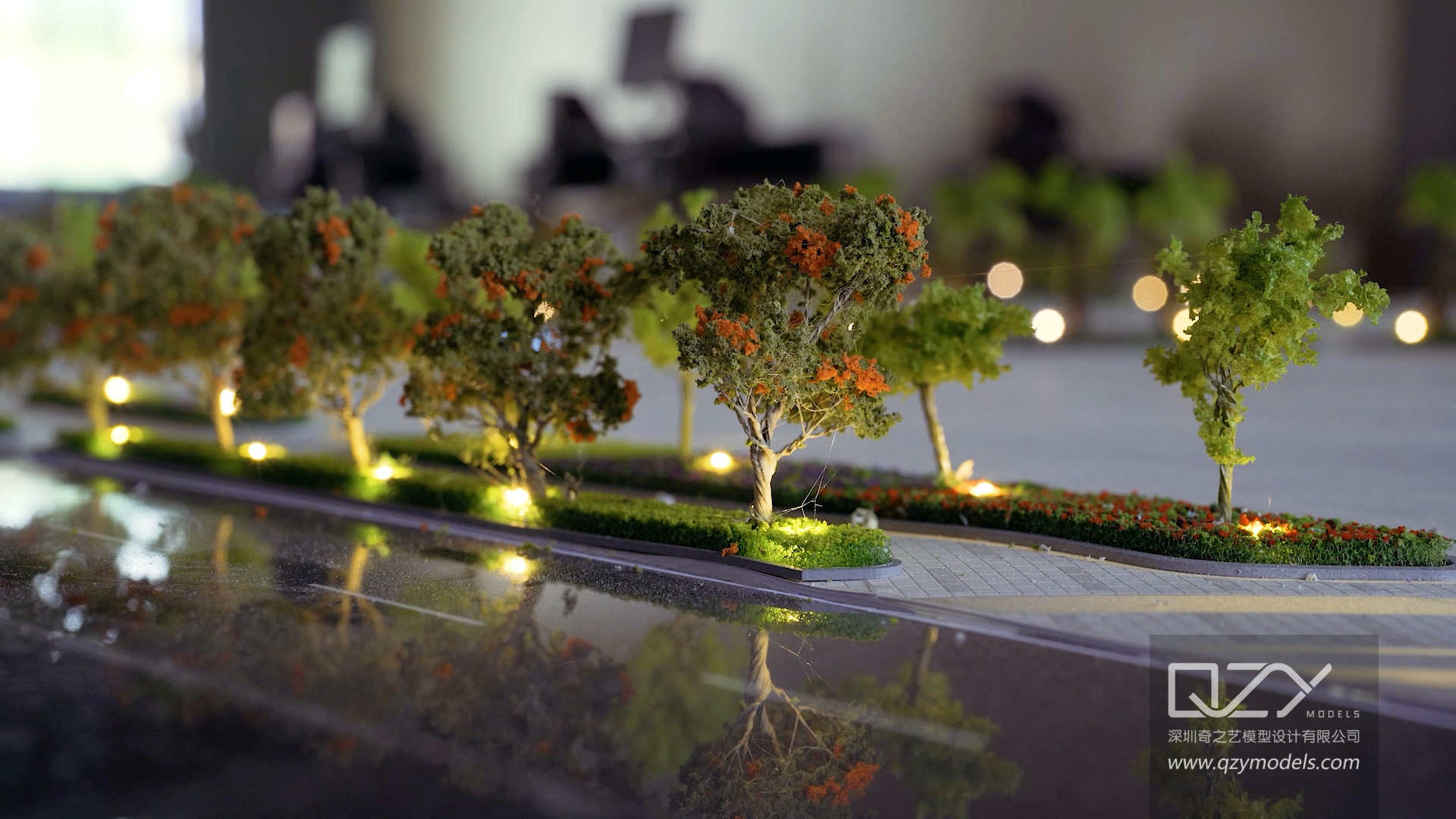
3D printed architectural displays rely on advanced additive technologies such as Fused Deposition Modeling, Stereolithography, and Binder Jetting. Each process serves a unique purpose: high-resolution resin printing for intricate façade details, powder-based methods for large-scale city models, and multi-material extrusion for integrating glass, steel, and vegetation textures. The result is a new generation of architectural mockups that capture geometry, proportion, and atmosphere with near-perfect precision.
Digital slicing software, parametric design integration, and AI-enhanced optimization have further expanded the limits of what is possible. Designers can now predict material performance, test light reflection, and simulate structural dynamics before construction begins. This fusion of computational design and physical production enables data-driven creativity—delivering both form and function in a single workflow.
Competitor Comparison Matrix
| Method | Accuracy | Production Speed | Cost Efficiency | Ideal Use Case |
|---|---|---|---|---|
| Traditional Handcrafted Models | Moderate | Slow | High Labor Cost | Conceptual Presentations |
| CNC Machined Models | High | Moderate | Medium | Industrial Projects |
| 3D Printed Architectural Displays | Very High | Fast | Low Material Waste | Final Client Presentations & Urban Planning |
Real User Cases and ROI
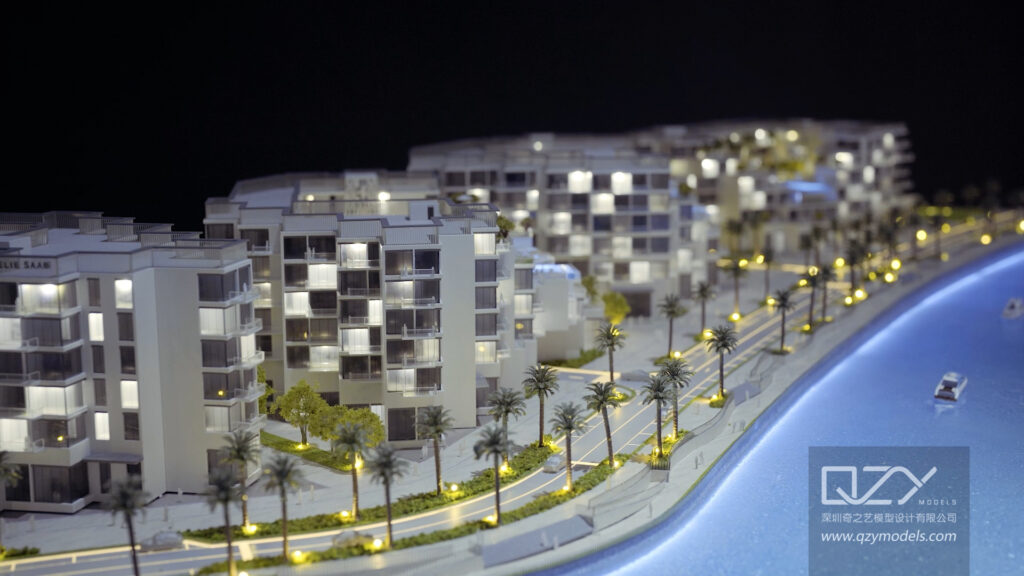
Leading architectural studios now report cutting project model production times from weeks to days using 3D printed architectural displays. Real estate developers employ large-scale printed models to attract investors and streamline city zoning approvals. Educational institutions use them as immersive learning tools, allowing students to materialize parametric designs instantly. The return on investment comes from reduced manpower, faster prototyping cycles, and enhanced project clarity. In one metropolitan housing project, switching from manual modeling to 3D printing reduced design lag by 47% and project costs by 30%.
Company Profile Integration
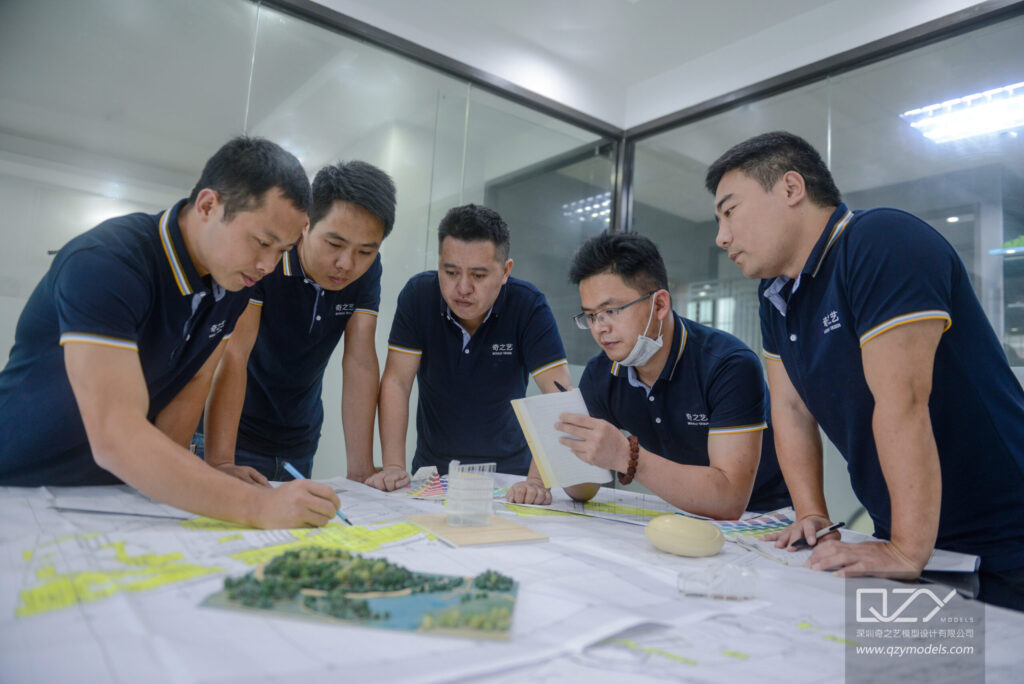
QZY Models, founded in 2013 in Shenzhen, China, has become an industry leader in precision architectural model production. With extensive experience and global collaborations, the company integrates 3D printing, digital design, and fine craftsmanship to deliver models for international architects, developers, and government institutions seeking premium physical displays.
Industry Applications
Architectural visualization has extended beyond presentation rooms into virtual reality and interactive urban mapping. Developers use printed cityscapes enhanced with light and motion control to simulate smart-city functions. Museum exhibitions leverage 3D printed architectural displays to present conceptual models of heritage conservation or futuristic projects. Interior designers use miniature spatial models to test furniture layouts, circulation strategies, and lighting design—all before physical construction begins.
Future Trend Forecast
By 2030, architectural model making will likely evolve into a hybrid ecosystem combining 3D printing, robotics, and sustainable materials. Emerging bio-based filaments, recycled polymers, and metal composites will reduce carbon footprints while enhancing durability. The integration of augmented reality overlays on 3D printed displays will allow instant scaling, dynamic annotation, and interactive storytelling during presentations. As architectural storytelling continues to evolve, the fusion of digital precision with tangible craftsmanship will define the new era of design communication.
Three-Level Conversion Funnel CTA
For design professionals exploring efficient, precise, and visually compelling architectural models, adopting 3D printed displays is not just an upgrade—it’s a competitive necessity. Studios aiming to elevate their client presentations should begin integrating additive manufacturing into their workflow. And for firms seeking expert assistance with architectural showpieces or large-scale urban planning models, collaborating with established professional model makers ensures unmatched accuracy and presentation quality.
3D printed architectural displays are revolutionizing physical model making by turning creative vision into reality faster, smarter, and with greater detail than ever before. The architects shaping cities tomorrow are already printing them today.