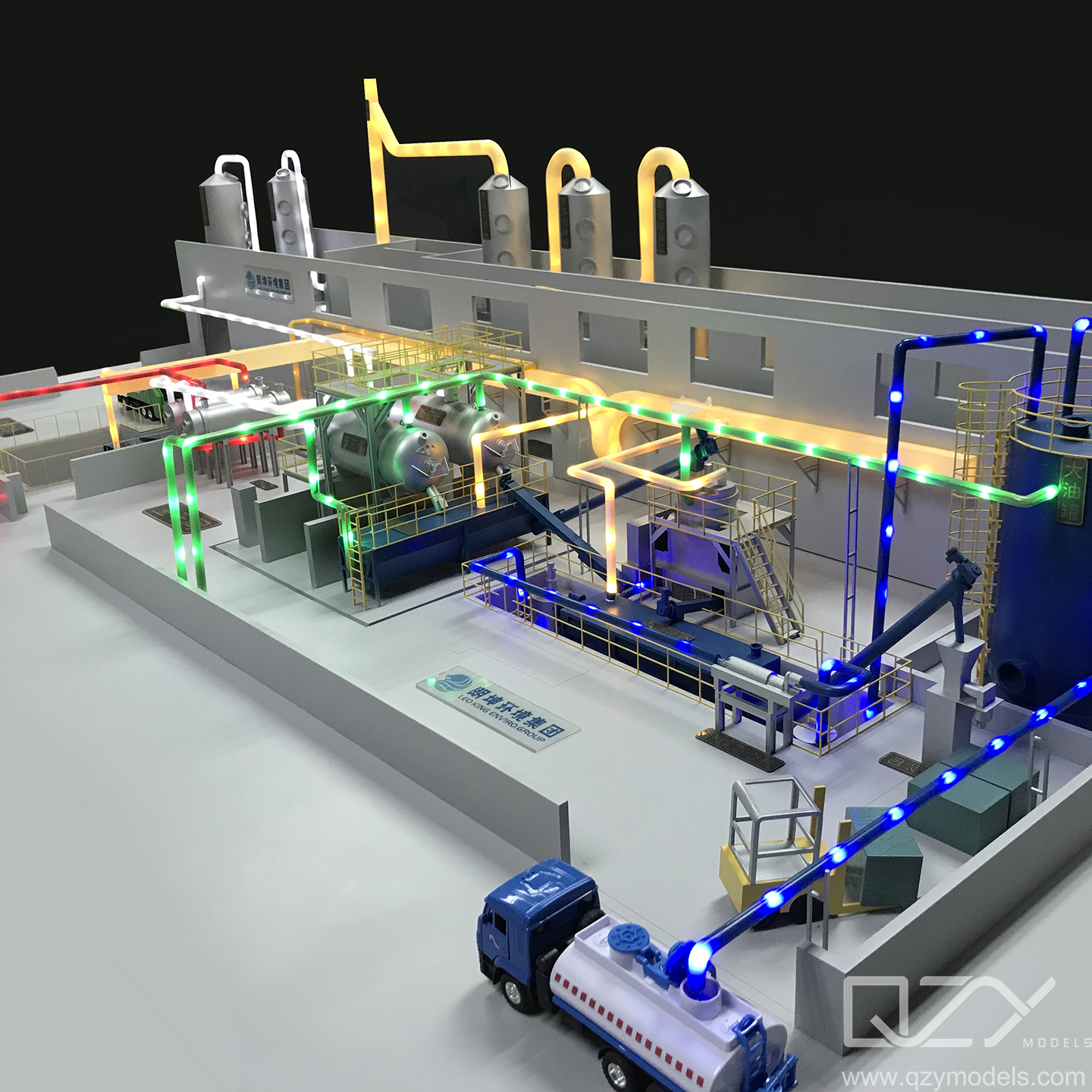
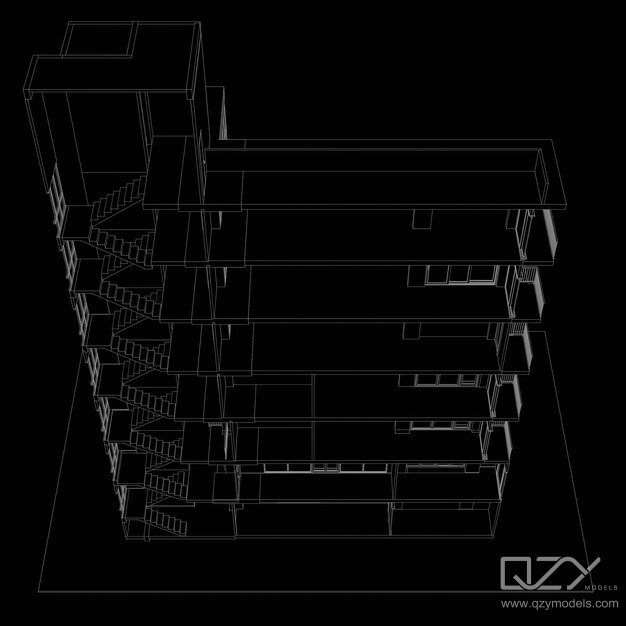
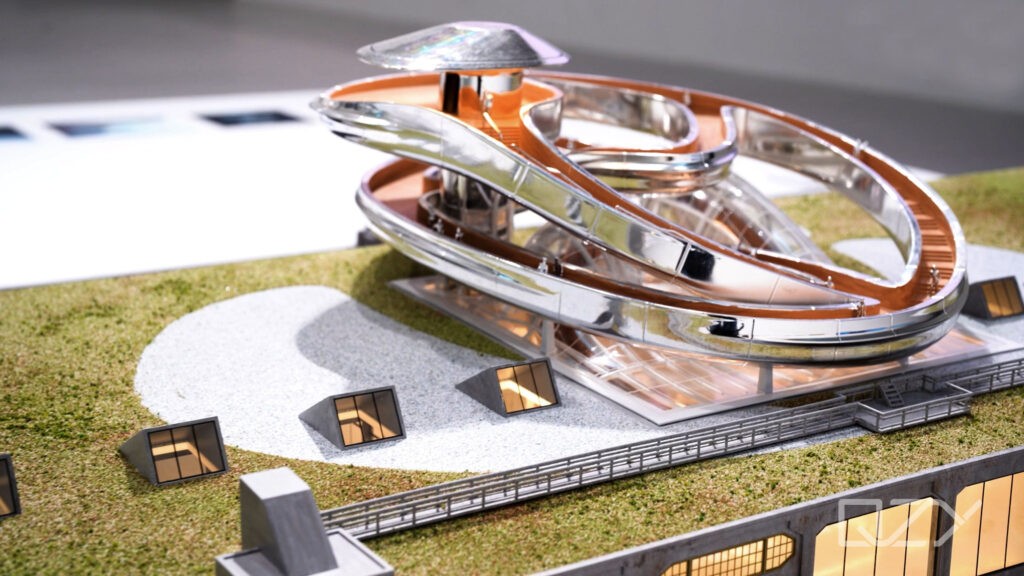
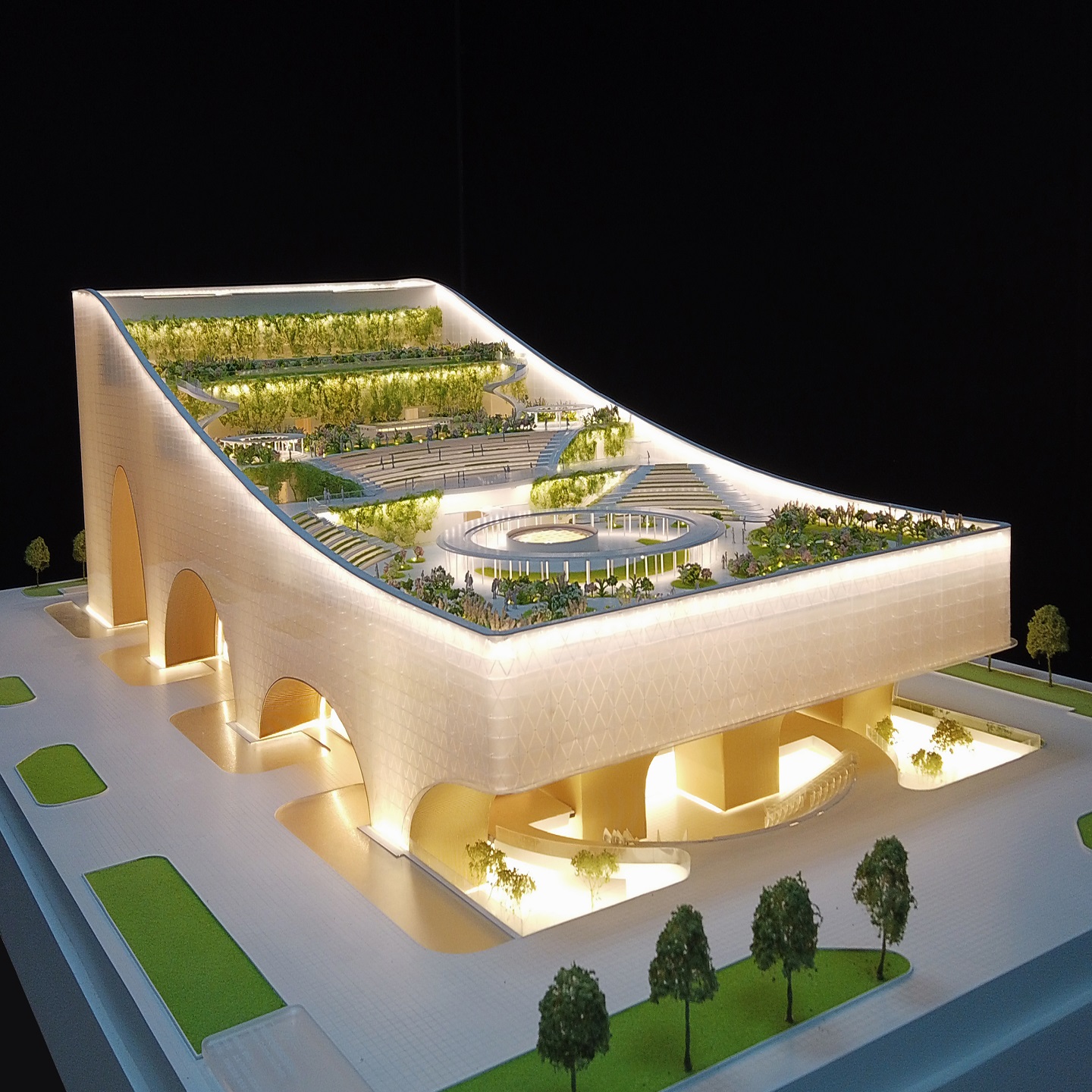
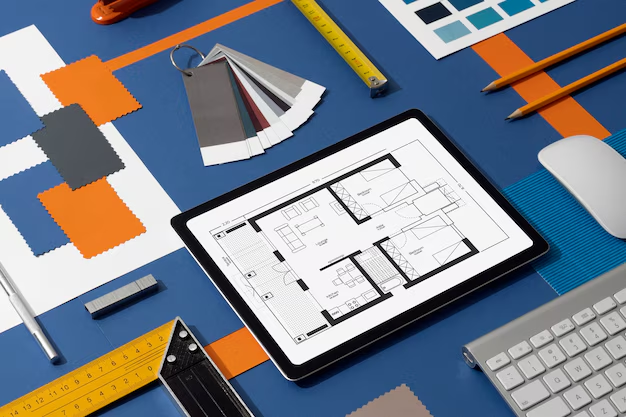
The global real estate industry is in the midst of an innovation boom, with 3D printed prototype models redefining how properties are visualized, developed, and marketed. These advanced architectural models allow developers, investors, and buyers to interact with their projects long before ground is broken—bridging the gap between imagination and construction reality. From urban planning to interior design, the integration of 3D printing and architectural model-making has become one of the most disruptive forces in modern property development.
Market Trends and Data
The adoption of 3D printed prototype models in real estate has accelerated rapidly since 2020. According to global data from Allied Market Research, the market for 3D printing in construction and architecture surpassed 12 billion dollars in 2025, with an annual growth rate exceeding 20%. Developers now rely heavily on precision-printed architectural scale models to shorten approval cycles, reduce costs, and eliminate communication barriers among stakeholders.
Across cities like Dubai, Shanghai, and New York, developers use highly detailed prototypes to secure permits, refine designs, and attract pre-sales investors. Real estate professionals are leveraging these physical models to complement Building Information Modeling (BIM) systems, creating a hybrid workflow that blends digital visualization with tangible results. This convergence of 3D printing and architectural modeling is driving a new era of digital transformation across the entire property lifecycle.
Core Technology Analysis
At the heart of these 3D printed prototype models lies advanced additive manufacturing technology. Using precision techniques such as stereolithography, selective laser sintering, and fused deposition modeling, architects can produce accurate, intricate components at scale. The digital-to-physical workflow begins with a CAD or BIM file, which is converted into layer-by-layer printed structures using materials like resin, nylon, or photopolymer.
Modern architectural 3D printers can replicate textures, facades, and complex geometries with micron precision—something impossible with traditional model-making methods. For large projects like mixed-use developments or masterplans, models can integrate real lighting, landscaping, and topography to represent every property detail. This fidelity offers unmatched realism and creates trust among clients and investors in early development phases.
Competitive Product Comparison
| Product/Service | Key Advantages | Ratings | Use Cases |
|---|---|---|---|
| 3D Resin Printed Models | High resolution, smooth finish | 9.6/10 | Luxury residences, commercial high-rises |
| Large-Scale FDM Models | Cost-effective, durable | 9.2/10 | City masterplans, government planning |
| Hybrid Laser Models | Multi-material textures | 9.5/10 | Mixed-use complexes, industrial zones |
As technologies evolve, combining digital precision with artisanal craftsmanship has become a critical differentiator. Many leading developers now integrate 3D printing into every design presentation and exhibition phase to highlight planning accuracy and architectural innovation.
Company Background Integration
QZY Models, founded in 2013 in Shenzhen, China, is a leading professional team specializing in the design and production of high-quality architectural and industrial physical models. With over 20 years of expertise led by founder Richie Ren, the company has executed thousands of international projects for world-renowned architects like Foster + Partners and developers such as Vanke and China Resources. Their work exemplifies the fusion of aesthetic excellence, engineering detail, and 3D printing innovation that defines the industry’s next frontier.
Real User Cases and ROI in Real Estate
Real estate firms implementing 3D printed prototype models report substantial reductions in design iteration time—often cutting visualization and presentation cycles by more than 40%. A prominent example comes from a real estate developer in Singapore who used large-scale 3D architectural models to secure foreign investment for a $500 million mixed-use project. The detailed physical mockups enabled investors to grasp spatial relationships and material choices instantly, resulting in faster capital commitments.
Marketing departments also reap the rewards. Instead of relying solely on renderings, sales teams now use interactive 3D printed models during property expos and showrooms to enhance visitor engagement. Data from real estate exhibitions shows properties with tactile 3D printed prototypes experience up to 60% higher buyer interest compared to projects displayed through digital visuals alone.
Competitor Comparison Matrix
| Criteria | Traditional Model Making | 3D Printed Architectural Models |
|---|---|---|
| Production Time | 4–6 weeks | 1–2 weeks |
| Material Accuracy | Medium | Very High |
| Modification Flexibility | Low | High |
| Cost Predictability | Variable | Controlled |
| Environmental Impact | High waste | Minimal waste |
This measurable advantage demonstrates why adopting 3D printed property models is now a strategic necessity for major developers. They provide both speed and precision, helping decision-makers visualize final outcomes before construction even begins.
Market and Technology Synergies
The synergy between 3D printing, virtual reality, and digital twin technology extends the usefulness of prototype models beyond traditional visualization. Property planners can embed 3D printed models into smart city simulations, data-driven urban analytics, and sustainability reporting. These integrated solutions allow governments and developers to make informed decisions with minimal environmental impact.
Emergent materials such as bio-based polymers and recycled composites are setting new sustainability benchmarks. This eco-conscious approach not only reduces carbon footprints but also aligns with global ESG strategies in the construction technology sector.
Future Trend Forecast
Forecasts indicate that by 2030, 3D printed models will be standard in over 70% of large commercial developments globally. The next wave of innovation will include AI-assisted generative design, robotic multi-material printing, and modular scalable manufacturing. Property visualization firms will increasingly adopt mixed-reality integration—allowing investors to interact with their printed architectural models in virtual spaces.
In the coming decade, real estate leaders will see 3D printed prototype models evolve from simple presentation tools to intelligent data-driven communication platforms. These models will not only attract clients but guide sustainable construction and accelerate urban development in smart cities worldwide.
Conversion and Final Insights
For developers, architects, and urban planners seeking to compete in a visually driven real estate market, 3D printed prototype models represent a transformative edge. They enhance accuracy, accelerate funding cycles, and inspire client confidence. Whether showcasing a skyscraper, residential community, or industrial complex, these precise miniature representations symbolize the power of technology in turning blueprints into tangible reality.
Embracing 3D printing in real estate today means investing in the future of design, transparency, and innovation—one layer at a time.