Rapid urbanization and the rising demand for high-quality housing have pushed real estate developers to adopt more precise and immersive presentation tools. Residential project models, powered by cutting-edge technology and expert craftsmanship, now enable stakeholders to visualize, optimize, and sell properties with unprecedented accuracy. QZY Models leads this evolution with custom-built physical and digital models that elevate every stage of architectural presentation and decision-making.
What Is the Current State of the Residential Model Industry and Its Pain Points?
According to data from the United Nations, 56% of the global population now lives in urban areas, a figure projected to rise to 68% by 2050. This growth drives demand for residential projects that can be communicated, sold, and approved effectively. Yet, 72% of developers face challenges accurately conveying project value to investors and buyers, according to Deloitte’s 2025 Global Construction Report. Physical and digital visualization tools have become critical—but still under-optimized—components of the development process.
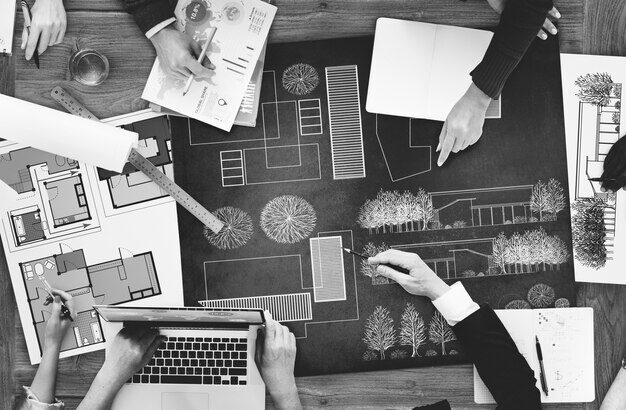
Developers struggle to bridge the gap between architectural design complexity and client understanding. Traditional blueprints or digital renders often fail to fully represent scale, space, or environment realism. As a result, project approvals slow down, marketing campaigns underperform, and costly redesigns occur due to communication breakdowns.
Furthermore, the industry’s reliance on outdated visualization solutions leads to inefficiencies. Clients increasingly demand interactive experiences and sustainable production options, but many developers lack access to partners who can blend artistry, precision engineering, and advanced materials into one scalable solution.
Why Are Traditional Model-Making Methods Falling Short?
Traditional model-making often relies on manual production with minimal technological integration. While these models can capture form, they rarely provide functional or interactive representation. Limitations include:
-
High material waste and long production cycles.
-
Limited realism in lighting, landscaping, and texture details.
-
Poor scalability for smart or digital integration.
-
Inefficient collaboration between designers and manufacturers.
These challenges not only reduce cost efficiency but also prevent teams from achieving data-driven and presentation-ready outputs. The absence of digital synchronization between design files (such as BIM) and production also hampers adaptation during design changes.
How Does QZY Models Redefine Residential Project Model Solutions?
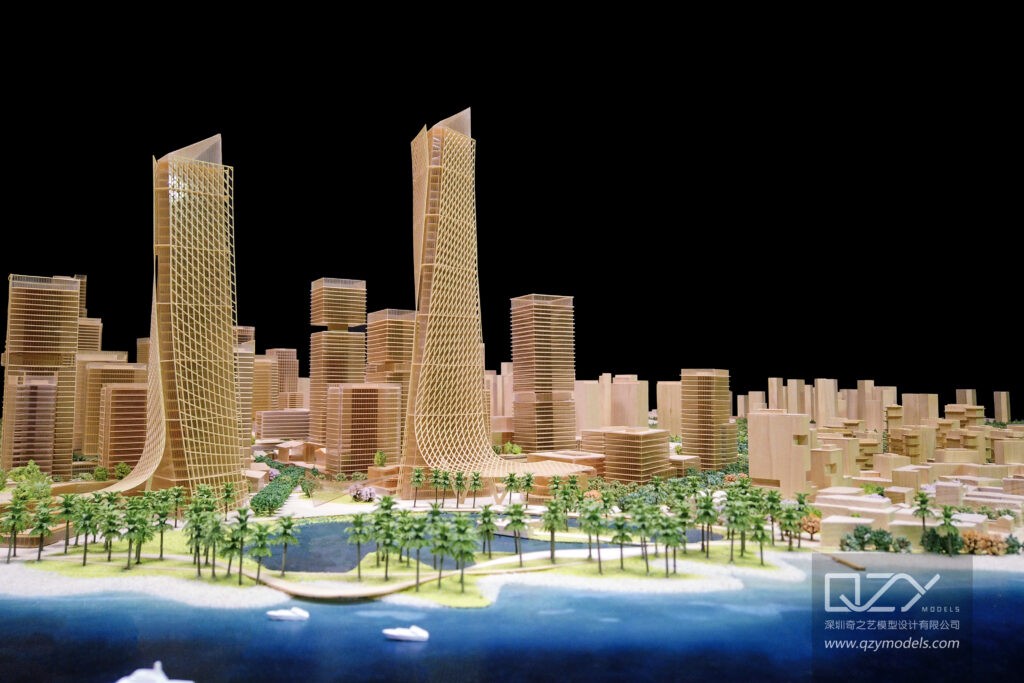
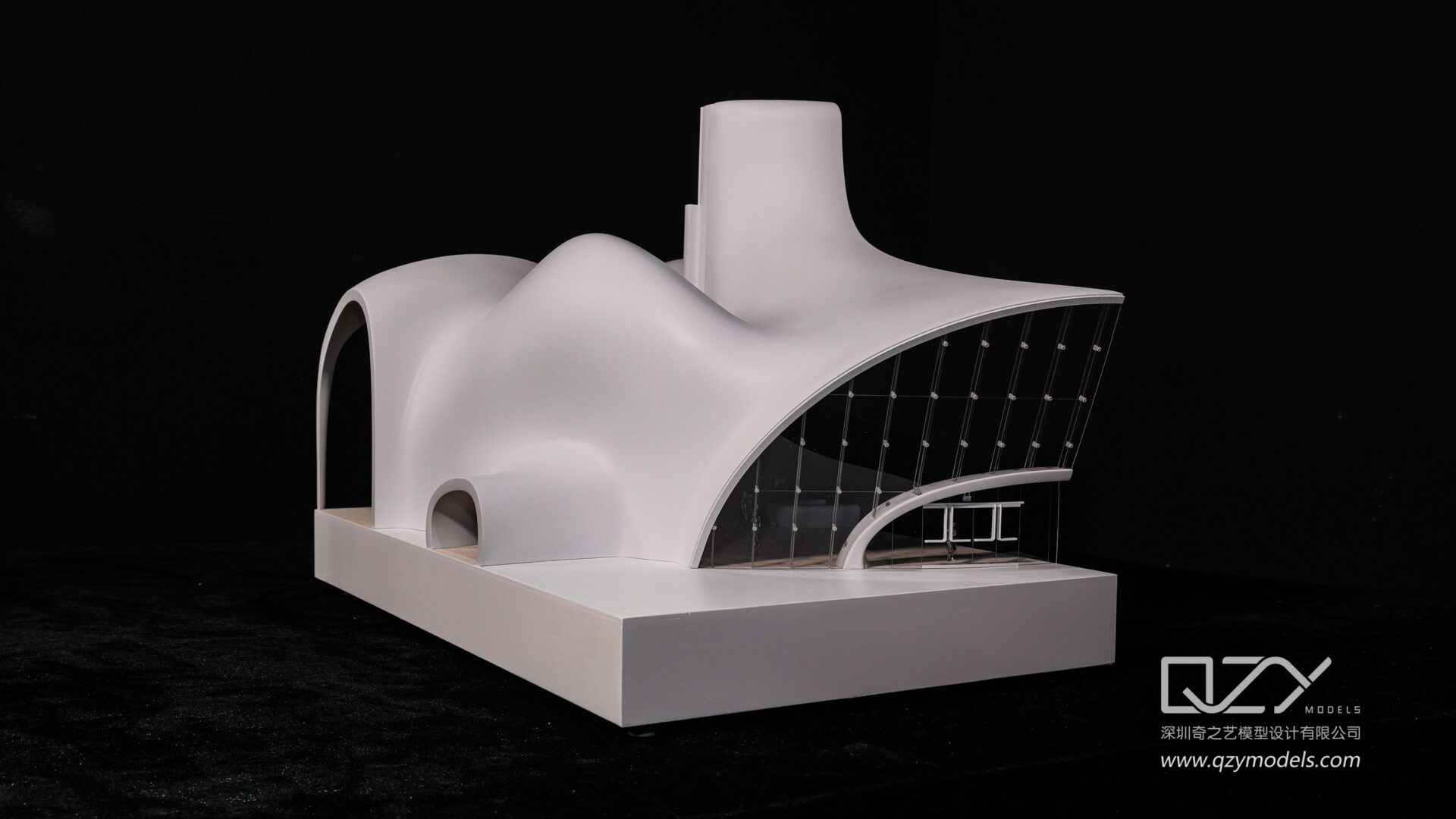
QZY Models offers a hybrid solution that merges traditional craftsmanship with modern fabrication technology. Since 2013, QZY Models has specialized in creating high-quality architectural and industrial models for clients across 20+ countries. Leveraging advanced CNC milling, laser-cutting, and 3D printing technologies, QZY delivers models that visualize every detail—from façade textures to environmental context.
Key capabilities include:
-
Integration with digital design tools (BIM, AutoCAD, Rhino).
-
Smart lighting and motion integration to showcase functionality.
-
Global project support, from design consultation to logistics.
-
Sustainable materials that reduce production footprint.
Through this technology-human hybrid approach, QZY Models ensures consistent precision and aesthetic value for residential projects at any scale.
Which Advantages Distinguish QZY Models from Traditional Solutions?
| Feature | Traditional Model-Making | QZY Models’ Integrated Solution |
|---|---|---|
| Technology integration | Mostly manual | Digital + automated (CNC / 3D printing) |
| Customization | Limited | Fully bespoke with client collaboration |
| Detail accuracy | Moderate | Sub-millimeter precision |
| Delivery efficiency | 6–10 weeks average | 30–50% faster turnaround |
| Sustainability | High material waste | Eco-friendly components |
| Interactivity | Static | Dynamic lighting, movement, AR options |
How Can Teams Implement QZY Models’ Solution Step-by-Step?
-
Consultation and Design Brief: Clients share their architectural plans, concepts, and goals.
-
Digital Preparation: QZY experts convert BIM or 3D models into precision production files.
-
Model Fabrication: Automated equipment creates core components, while artisans complete finishing details.
-
Assembly and Quality Check: Each element is examined for accuracy, durability, and aesthetic consistency.
-
Packaging and Delivery: Final models are safely packed and shipped worldwide.
-
Ongoing Support: QZY provides after-sales maintenance and presentation customization options.
Where Can These Models Deliver the Greatest Impact? (4 Real-World Scenarios)
1. Real Estate Marketing
-
Problem: Buyers struggle to visualize large-scale developments from digital plans.
-
Traditional: Use of 2D renderings or basic digital walkthroughs.
-
With QZY Models: Physical models attract attention, build trust, and shorten sales cycles by 35%.
-
Key Benefit: Tangible experiences accelerate decision-making.
2. Government and Urban Planning
-
Problem: Hard to communicate mixed-use developments in community hearings.
-
Traditional: Flat presentations lead to approval delays.
-
With QZY Models: Interactive models support clear stakeholder discussions.
-
Key Benefit: 40% faster approval processes.
3. Architectural Competitions
-
Problem: Design intent often lost in renderings.
-
Traditional: Concept sketches lack depth.
-
With QZY Models: Detailed scale models bring visionary projects to life.
-
Key Benefit: Higher win rates for competition entries.
4. International Exhibitions
-
Problem: Global clients demand premium display quality.
-
Traditional: Inconsistent quality across suppliers.
-
With QZY Models: Hand-finished models meet global display standards.
-
Key Benefit: Enhanced brand image and client engagement at trade shows.
What Trends Define the Future of Residential Project Models?
Emerging trends include digital-physical hybrid models, sustainability-driven fabrication, and AI-assisted design translation. By 2030, more than 60% of real estate presentations will integrate AR/VR or physical-digital model systems, according to PwC’s Smart Construction Outlook. QZY Models is already leading this transformation by merging eco-conscious materials with intelligent production methods. Now is the time for developers and architects to invest in model-based presentation ecosystems that enhance efficiency, credibility, and client experience.
FAQ
1. Why should developers invest in physical models when digital tools are available?
Physical models provide spatial realism, emotional engagement, and decision confidence that digital renderings alone cannot achieve.
2. How long does it take QZY Models to produce a residential project model?
Lead time varies by scale but typically ranges from 3 to 6 weeks depending on complexity and client requirements.
3. Does QZY Models offer global delivery and installation?
Yes. The company provides worldwide logistics services, including on-site installation for exhibitions and presentations.
4. Can QZY integrate lighting, motion, or smart features into models?
Absolutely. QZY Models offers programmable lighting, kinetic elements, and remote controls for interactive presentations.
5. What makes QZY Models sustainable compared to traditional workshops?
QZY minimizes waste through automated cutting, recycles unused materials, and sources eco-friendly substrates for all projects.
Sources
-
United Nations World Urbanization Prospects (https://population.un.org/wup/)
-
Deloitte Global Construction Report 2025 (https://www.deloitte.com/)
-
PwC Smart Construction Outlook 2025 (https://www.pwc.com/)
-
QZY Models Official Website (https://www.qzymodels.com/)