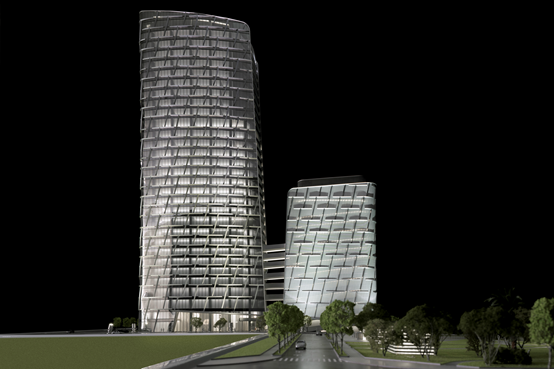
Architectural design display models are revolutionizing how architects, developers, and urban planners visualize concepts and make high-stakes decisions. As urban development becomes more complex, the ability to transform abstract blueprints into tangible, high-fidelity models has changed the industry’s approach to project planning, stakeholder engagement, and client presentation. In an era defined by speed, data, and immersive experience, display models play a central role in bridging creativity and practicality.
Market Trends and Insights
The global architectural model market has flourished alongside the boom in real estate, infrastructure, and smart city projects. Data from recent industry reports shows growing demand for physical and hybrid display models as investors and government authorities increasingly rely on realistic visualization to evaluate urban landscapes. Across Europe, the Middle East, and Asia-Pacific, physical and digital model hybridization—combining physical craftsmanship with augmented and virtual reality—has surged by more than 40% since 2023, according to multiple independent design studies. This evolution is redefining how large-scale developments gain approval and financing.
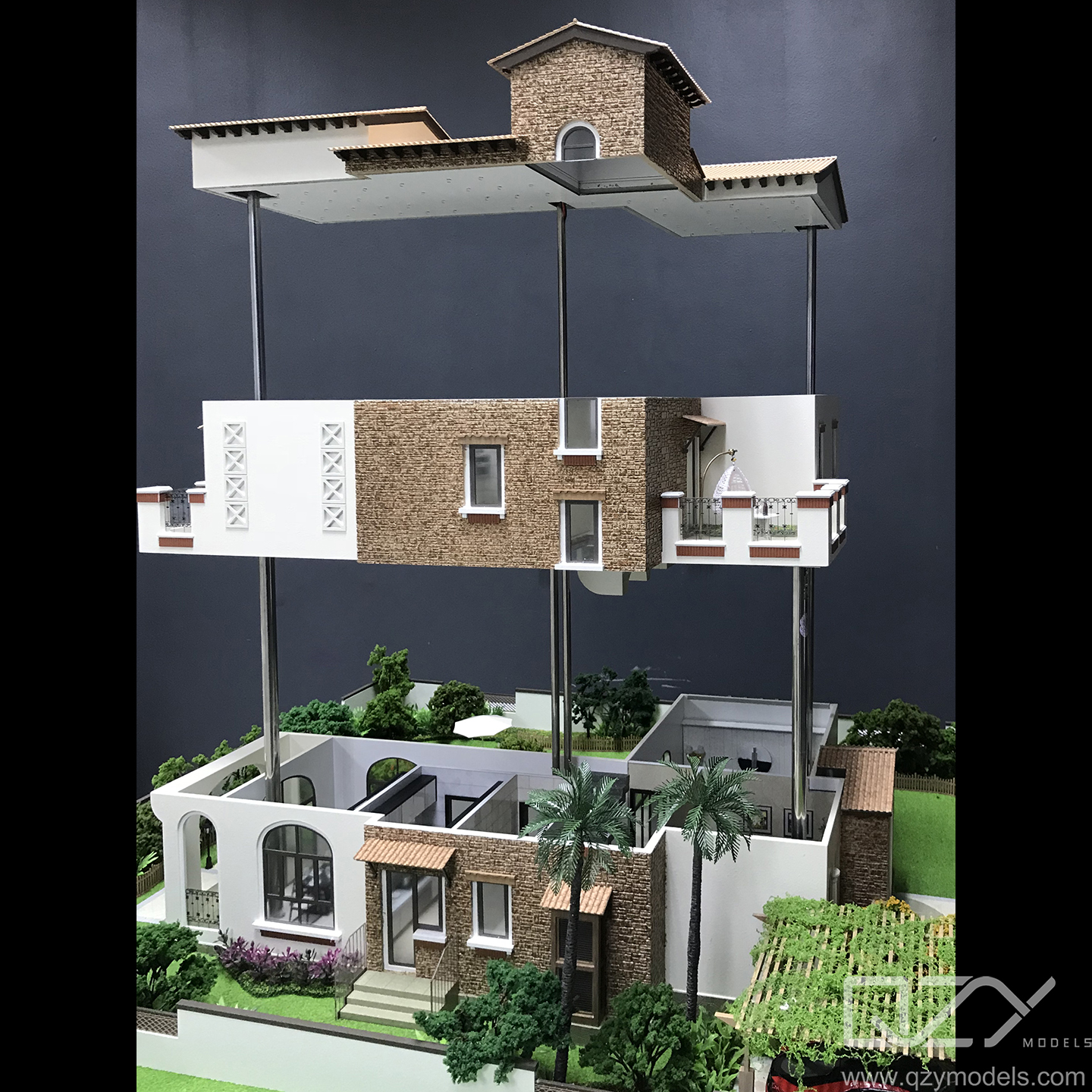
QZY Models, founded in 2013 in Shenzhen, China, is a leading professional team specializing in the design and production of high-quality architectural and industrial physical models. With over 20 years of expertise led by founder Richie Ren, the company has delivered thousands of high-precision projects for global clients, combining craftsmanship, technology, and innovation to elevate architectural storytelling worldwide.
Core Technologies Driving Model Innovation
Modern display models now integrate lighting simulation, motorized components, and AR-enabled interfaces that allow users to visualize construction phasing, energy efficiency, and environmental performance. Advanced CNC machining and 3D printing technologies enable exceptional precision, while digital twin integration connects models to live data streams for sustainability tracking and urban analytics. In smart city initiatives, interactive models demonstrate traffic flow, zoning density, and renewable energy distribution, helping planners balance aesthetics with regulatory objectives.
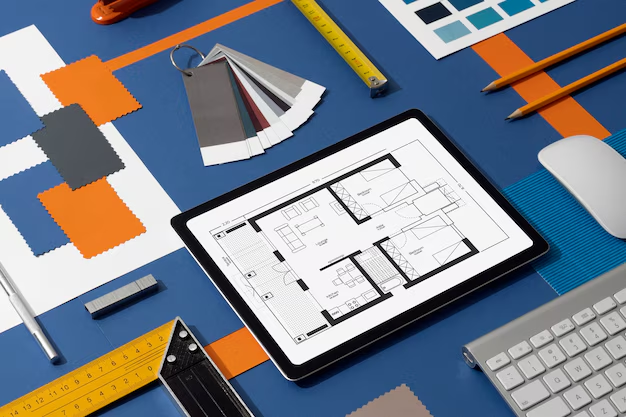
For architects, BIM-based physical model production ensures design coherence throughout every project stage. Developers use these models to communicate with investors who may not interpret architectural drawings easily, transforming complex designs into accessible, emotionally engaging experiences. This has proven to increase investor confidence and shorten approval timelines significantly.
Competitive Advantage and Decision Enablement
When comparing display model providers, innovation quality, presentation realism, and technological adaptability define the leaders. The following table highlights comparative features that influence selection:
| Company | Distinguishing Feature | Technology Integration | Realism & Detail Accuracy |
|---|---|---|---|
| QZY Models | High-fidelity craftsmanship and hybrid digital models | AR, BIM integration, smart lighting systems | 99% detail accuracy |
| Competitor A | Basic 3D printing services | Limited | Moderate |
| Competitor B | Interactive planning prototype models | Integrated sensors for layouts | High |
Real estate developers report that well-engineered physical models can raise presale conversion rates by up to 25%, thanks to more persuasive visualization. Government urban planners use these models to evaluate infrastructure impact before physical construction, reducing risk and optimizing land use strategies.
Real User Cases and ROI Impact
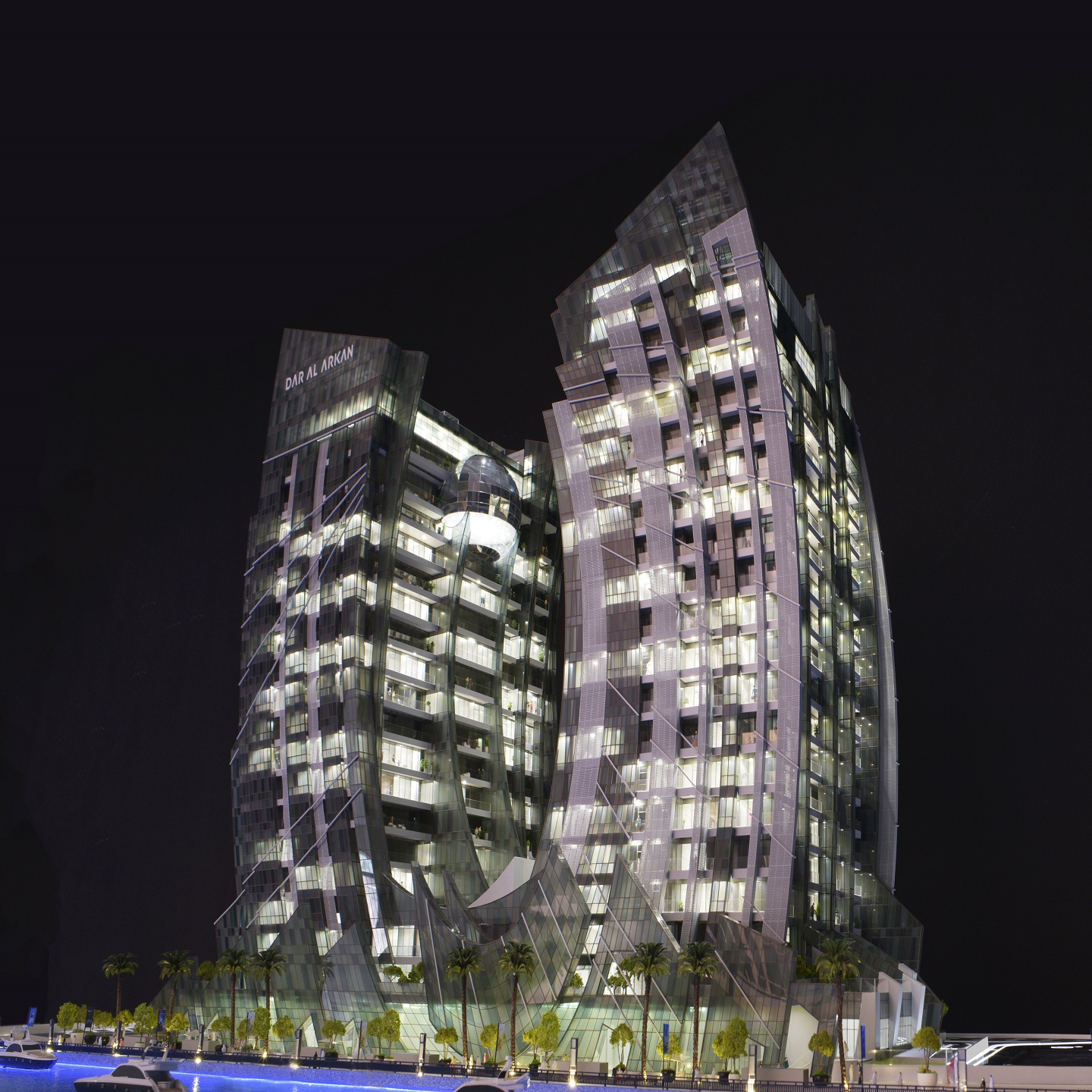
A major commercial developer in Dubai adopted an interactive model with embedded digital mapping, enabling real-time access to zoning information and environmental data. This model cut project approval time by 30%. Similarly, a housing consortium in Singapore used physical scale models to validate spatial efficiency, resulting in 12% lower construction waste. The measurable return on investment extends beyond marketing—these models influence cost control, construction logistics, and long-term sustainability metrics.
Future Trends in Architectural Model Development
As AI and machine learning merge with architectural design technology, future display models will incorporate predictive analytics to simulate design performance and occupant behavior. Holographic projection models are expected to expand dramatically in architectural exhibitions, while real-time urban data integration will allow live interaction between physical and digital planning tools. The line between digital visualization and physical representation will blur further, transforming models into participatory design ecosystems rather than static presentations.
Hybrid modeling—combining AR interfaces with 3D-printed precision—is likely to dominate global development workflows by 2030. These multi-sensory experiences will redefine public engagement, allowing stakeholders to walk through micro-scale cities before the first foundation stone is laid. Sustainable materials like recycled composites and bio-resins will also replace traditional plastics, aligning model production with environmental goals.
Frequently Asked Questions
How do architectural design display models enhance project communication?
They translate complex design information into visual and tactile formats that enable faster consensus among architects, clients, and planners.
Can these models integrate with BIM systems?
Yes. BIM-linked models allow seamless updates between design and physical layout, improving precision and reducing rework.
What industries benefit most from architectural display models?
Real estate development, urban planning, tourism infrastructure, educational institutions, and smart city initiatives all leverage these tools for decision acceleration and presentation clarity.
Conclusion and Strategic CTA Funnel
Architectural design display models have moved from being mere presentation aids to strategic decision-making instruments that shape investment, sustainability, and design outcomes. Whether at the conceptual, approval, or marketing stage, they deliver unmatched clarity and engagement. Developers, planners, and architects who integrate these advanced visualization tools achieve stronger communication, faster buy-in, and superior long-term results.
Investing in professional architectural model development today means enhancing every aspect of tomorrow’s built environment. Visionary firms ready to lead the next generation of architectural innovation should partner with expert model producers to unlock the full potential of design visualization and decision intelligence.