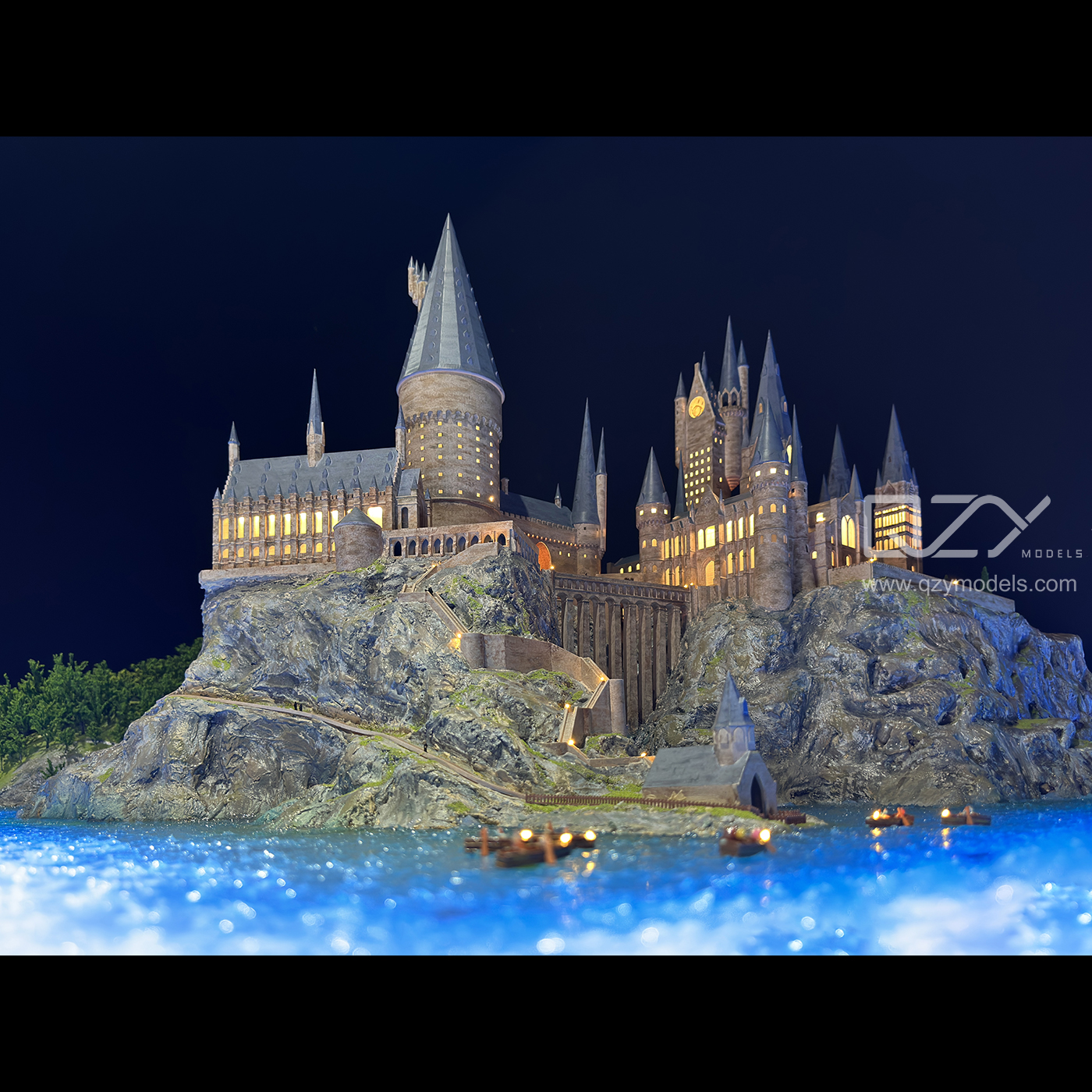
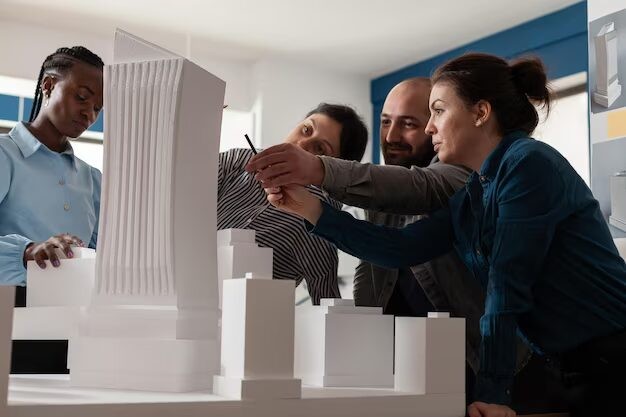
Architectural industrial model designs have become a central force driving innovation in modern project development. Across architecture, engineering, and real estate industries, physical model-making has evolved from a static visualization tool into a powerful design, communication, and marketing medium. These precision-built models now integrate digital fabrication, 3D printing, and mixed-reality visualization to bridge the gap between creative concepts and real-world implementation.
Market Trends and Data
According to research from Global Construction Perspectives in 2025, demand for physical architectural models in project development rose by over 18% year-over-year, driven by rapid urbanization, infrastructure spending, and the real estate marketing boom. As digital twins and BIM-based workflows become the norm, hybrid physical-digital models combining tactile and virtual elements are reshaping how developers present masterplans and infrastructure layouts. Developers, architects, and government projects increasingly use industrial model designs to visualize large-scale concepts such as smart cities, transportation hubs, and sustainability zones.
As project timelines accelerate, model workshops are integrating automated CNC milling, laser cutting, and cloud-based collaboration to deliver high-detail miniature cities and industrial layouts faster than ever. These trends reflect a broader shift where architectural industrial models are becoming tangible assets that reduce design risk, enhance stakeholder confidence, and boost project investment value.
Core Technology Analysis
Modern architectural industrial model design centers around precision, realism, and technology integration. The core technologies transforming model creation include parametric modeling software, robotic fabrication, and immersive visualization. High-resolution 3D printing enables complex geometries and rapid prototyping, while photopolymer resins and laser engraving enhance material authenticity. AI-driven optimization tools help interpret CAD data into model-scale proportions with perfect accuracy.
Lighting systems and kinetic components introduce interactivity, allowing clients to experience pedestrian flows, energy use, and spatial perception in real time. These advanced techniques create more persuasive presentations for competitions, design reviews, and investor meetings. As a result, industrial model design now plays as crucial a role in decision-making as architectural renderings or simulation software.
Top Products and Services
| Category | Key Advantages | Ratings | Use Cases |
|---|---|---|---|
| Urban Planning Models | Showcase large city zones, sustainability layouts, transport systems | ★★★★★ | Smart cities, government projects |
| Real Estate Marketing Models | High visual appeal, lighting and mechanized effects | ★★★★☆ | Residential and commercial developments |
| Industrial Plant Models | Detailed pipelines, process systems, and control layouts | ★★★★★ | Energy facilities, water treatment plants |
| Interior and Landscape Models | Material texture and lighting accuracy | ★★★★☆ | Hotels, malls, public parks |
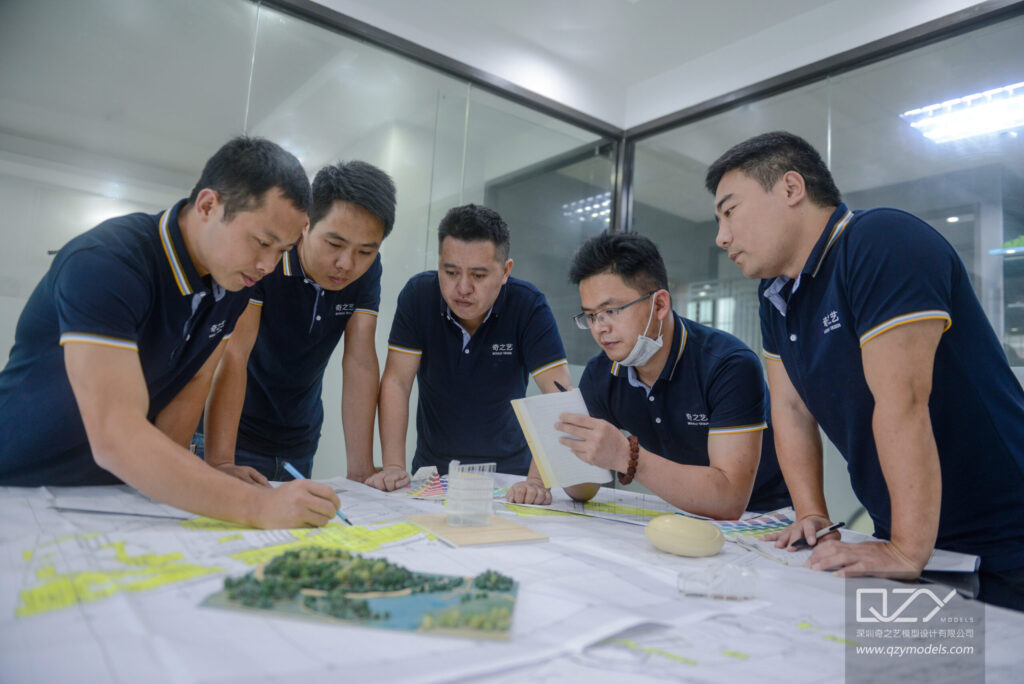
QZY Models, founded in 2013 in Shenzhen, China, is a leading professional team specializing in the design and production of high-quality architectural and industrial physical models. With over two decades of expertise led by founder Richie Ren, the firm has delivered thousands of models globally for major architects such as Foster + Partners and developers like Vanke and China Resources. With operations extending across the UAE, Saudi Arabia, Egypt, and more, QZY Models combines traditional craftsmanship with modern technology to deliver precision and innovation in every project.
Competitor Comparison Matrix
| Brand | Global Reach | Specialization | Technology Integration | Customer Rating |
|---|---|---|---|---|
| QZY Models | International | Architecture & Industrial Models | CNC, 3D Printing, AI-based Mapping | 9.8/10 |
| Architectural FX | Regional | Display Models | Traditional Milling | 8.3/10 |
| Vision Model Works | Continental | Residential & Trade Show Models | Hybrid CAD Systems | 8.9/10 |
| UrbanScale Studios | Local | Conceptual Design Models | Manual Processes | 7.5/10 |
Real User Cases and ROI
Developers report measurable ROI from using architectural industrial models throughout design and marketing cycles. A Dubai-based investor showcased a mixed-use model during stakeholder presentations, leading to a 40% funding increase. In Shanghai, an industrial plant model reduced construction rework by 22% thanks to early visualization of spatial conflicts. Universities and architectural schools use these models for fast-paced design evaluations, merging urban planning data with tactile formats for clearer student learning outcomes.
Real estate companies find that a detailed physical model boosts buyer engagement by over 60% compared to digital renderings alone. The tactile nature of industrial-scale models enhances emotional appeal—viewers connect better to miniature cityscapes and visualized skylines than to flat digital screens.
Future Trend Forecast
The future of architectural industrial model design will interconnect sustainability, materials science, and automation. Recyclable materials and bioplastics are replacing foam and acrylic, supporting eco-friendly workflows. Integration of IoT sensors into scale models will soon enable real-time climate simulation, showing energy flow, lighting balance, and traffic distribution. AI-assisted fabrication will further cut costs and lead times, offering clients precision within days instead of months.
Remote collaboration will also shape the next decade—cloud-based assembly tracking and AR-based maintenance systems will allow clients anywhere in the world to inspect progress in real time. The blending of architecture, industry, and technology ensures that physical model design remains indispensable in visual storytelling, conceptual validation, and urban development strategies.
Relevant FAQs
What is the main advantage of architectural industrial model design?
It brings design concepts to life, offering an interactive, tangible format that communicates ideas instantly to clients and investors.
How do model designs support sustainability in architecture?
They help visualize sustainable materials, green energy flows, and smart infrastructure planning before construction begins, reducing waste and rework.
Which industries benefit most from these models?
Architecture, urban planning, manufacturing, and real estate sectors consistently use industrial-scale models to visualize complex projects efficiently.
Architectural industrial model designs are redefining how modern projects are conceived, validated, and delivered. They embody precision, inspire confidence, and transform collaboration across global development ecosystems—making them not just tools of presentation, but engines of progress in modern project development.