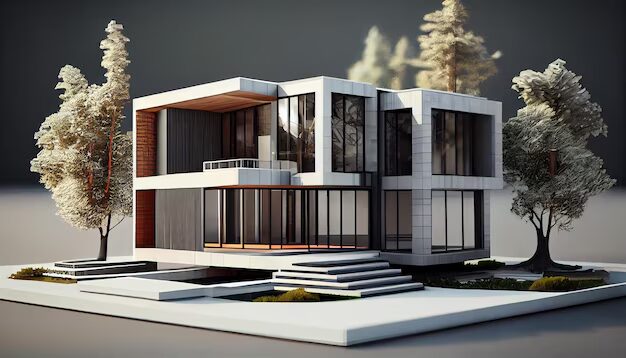
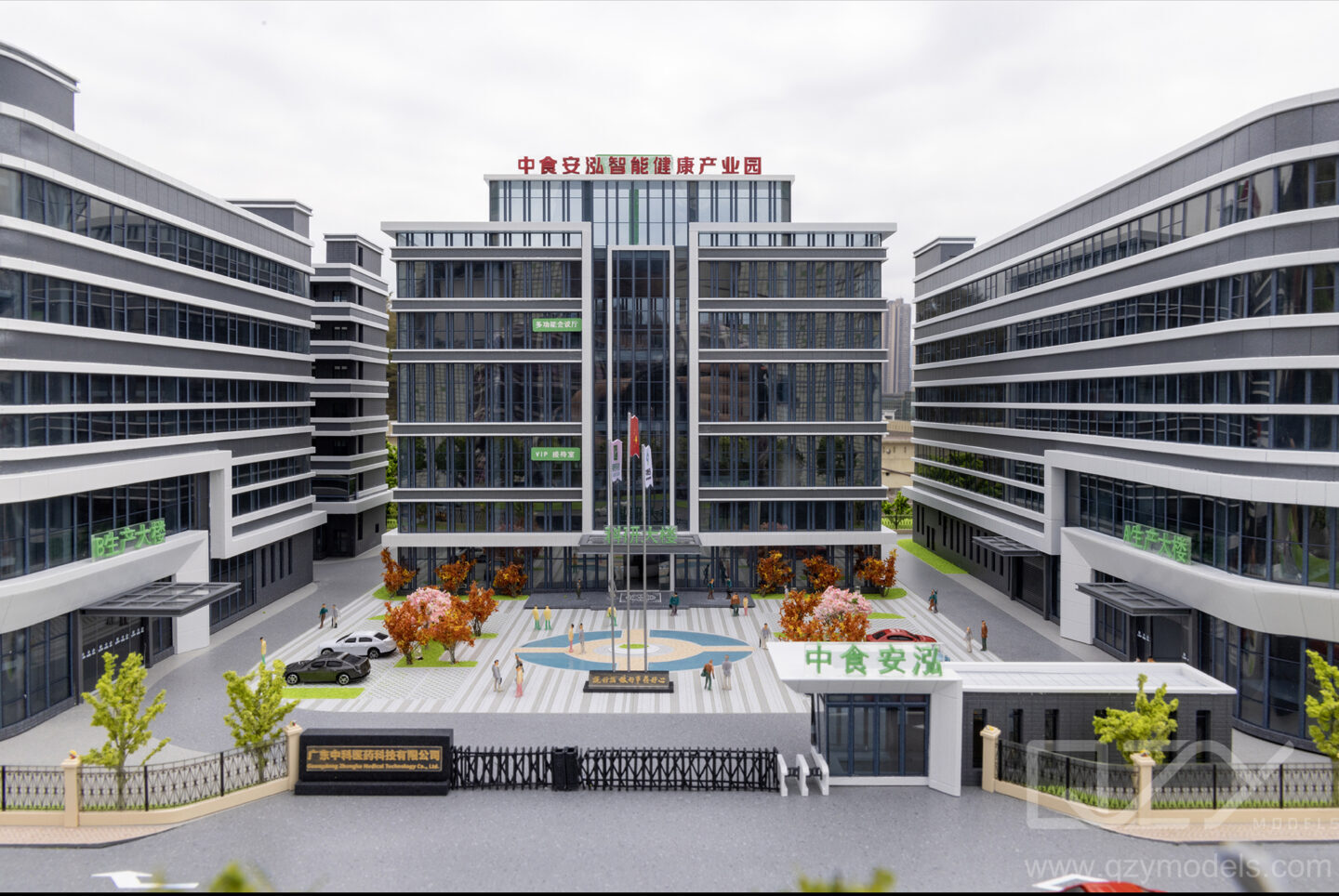
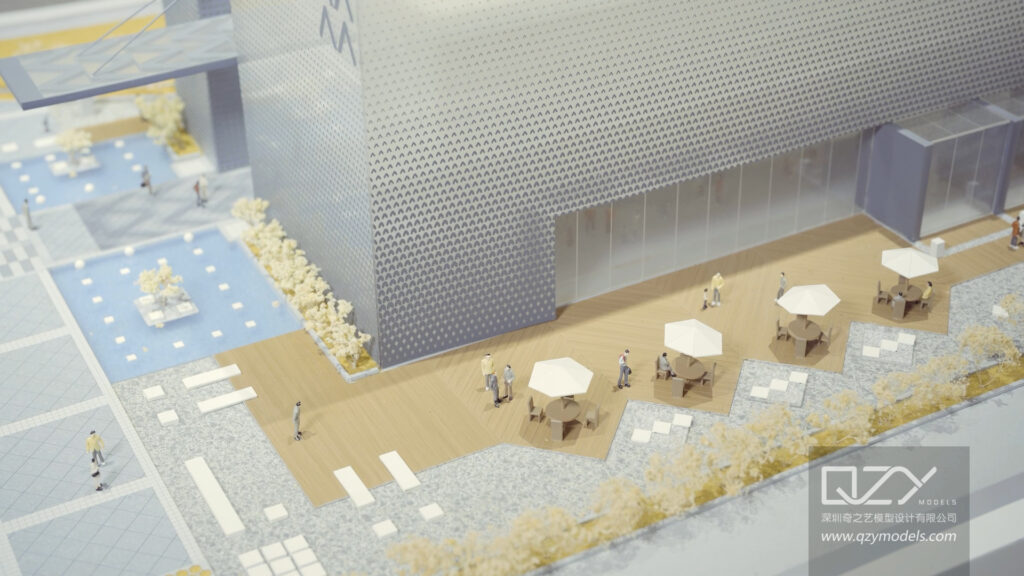
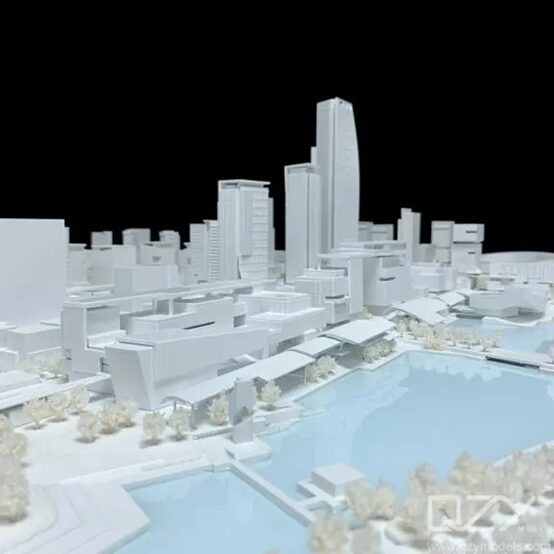
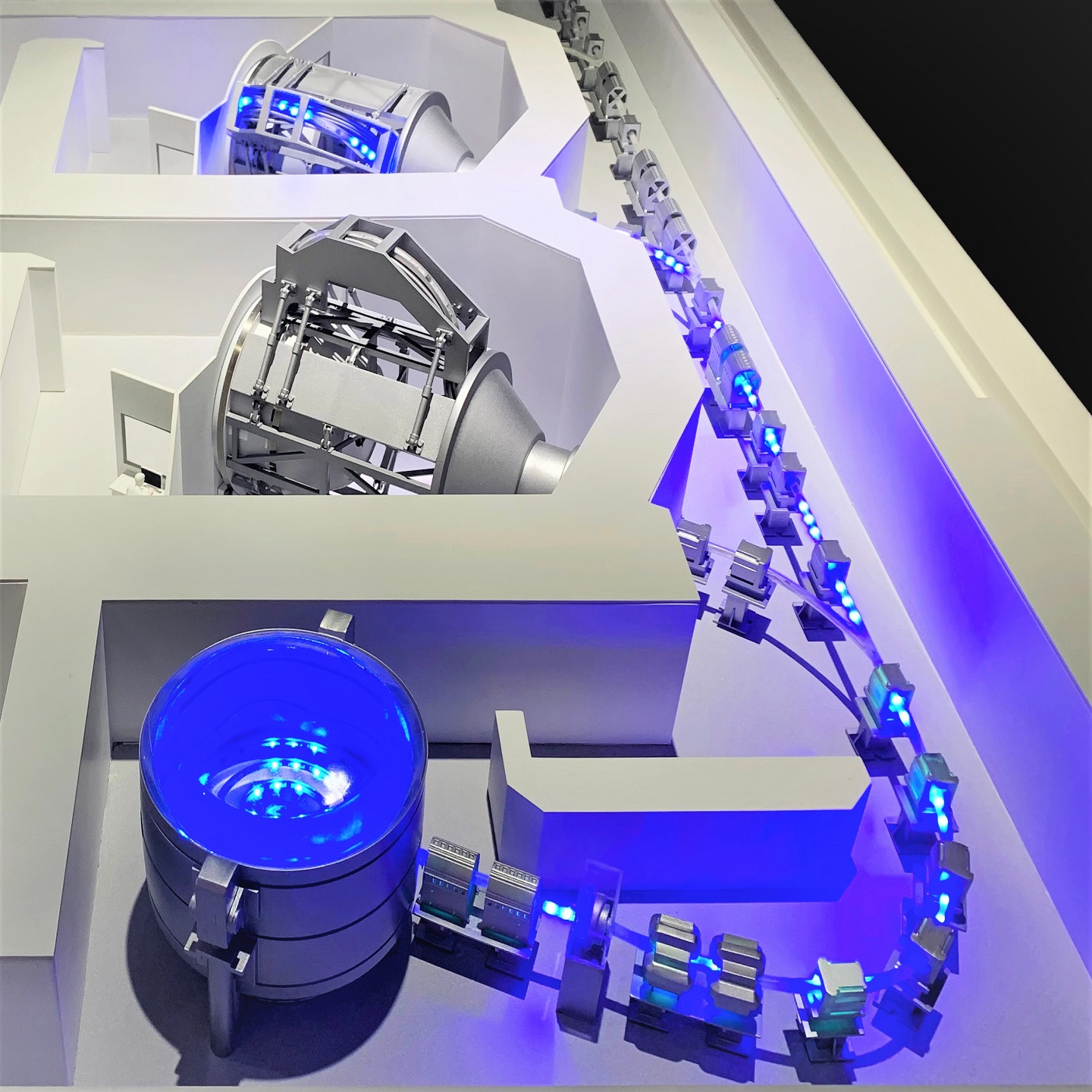
Architectural models are scaled physical representations that bring building concepts to life, helping architects, developers, and clients visualize spatial relationships and design intent. They combine precise materials, detailed craftsmanship, and digital technology to create realistic, tangible miniatures. QZY Models leverages decades of expertise to produce models that communicate ideas clearly, inspire confidence, and support design, marketing, and approval processes worldwide.
What Are Architectural Models and Why Are They Important?
Architectural models are three-dimensional representations of buildings, landscapes, or urban designs. They allow designers and stakeholders to explore spatial relationships, form, and scale beyond what drawings or digital renderings provide. Models are essential for communicating complex ideas, testing design options, and presenting concepts to clients or regulatory authorities.
Models serve multiple purposes: concept validation, client presentations, marketing campaigns, planning approvals, and exhibition displays. Their physical presence provides an immersive understanding of space and proportions. QZY Models ensures that each model not only accurately depicts the design but also conveys the aesthetic and functional intentions of the project.
How Do You Choose the Right Materials and Tools for Making Architectural Models?
Selecting materials depends on scale, purpose, and level of detail required. Common materials include:
-
Foam board: Lightweight and easy to cut, ideal for massing studies.
-
Acrylic: Transparent and durable, perfect for windows and facades.
-
Wood (basswood or balsa): Strong and natural-looking, suitable for structural elements.
-
Polystyrene: Smooth surface, easy to shape for detailed features.
-
Cardboard: Cost-effective for contour layers or conceptual models.
Essential tools include precision knives, cutting mats, tweezers, glue, sanding tools, and advanced equipment like laser cutters and 3D printers. High-quality tools ensure accuracy and durability. QZY Models combines premium materials and state-of-the-art tools to create visually striking, structurally precise models.
How Can You Create an Architectural Model Step-by-Step?
The model-making process is systematic:
-
Collect project data, plans, and references.
-
Determine scale and model type (concept, presentation, or site model).
-
Choose materials and assemble necessary tools.
-
Cut base and structural elements precisely.
-
Add architectural details and textures.
-
Apply finishing touches: paint, landscaping, or lighting.
Attention to detail at each stage ensures the model reflects the original design intent. QZY Models follows a proven workflow, honed over 20 years, to maintain excellence from initial sketches to final delivery.
What Techniques Improve the Quality and Realism of Architectural Models?
High-quality models rely on advanced techniques:
-
Layering materials to create depth and dimension.
-
Laser cutting and CNC machining for precise components.
-
3D printing for intricate details.
-
Hand-painted finishes to enhance realism.
-
Topographical modeling using foam, cork, or clay for natural landscapes.
These methods increase visual impact, realism, and functional clarity. QZY Models combines traditional craftsmanship with innovative techniques to produce models that engage clients and accurately convey architectural concepts.
How Is Technology Used in Modern Architectural Model Making?
Technology enhances efficiency, precision, and creativity in model-making. Tools include:
-
Laser cutters and CNC machines for accurate fabrication.
-
3D printers for complex geometries.
-
CAD and BIM software to generate precise blueprints.
-
Virtual reality to complement physical models and provide immersive experiences.
Digital workflows streamline collaboration between designers, fabricators, and clients, enabling faster revisions and higher-quality outcomes. QZY Models leverages these technologies to deliver sophisticated, accurate, and visually compelling models.
Where Can High-Quality Architectural Model Services Be Sourced Internationally?
Professional architectural model services are offered worldwide by firms specializing in bespoke solutions. QZY Models operates globally with branches in the UAE, Saudi Arabia, and Egypt, providing tailored models for urban planning, exhibitions, education, and private clients. Partnering with a reputable firm ensures access to skilled artisans, advanced production techniques, and rigorous quality control, essential for impactful presentations.
Who Benefits Most from Architectural Physical Models in Architecture and Design?
Primary beneficiaries include:
-
Architectural design firms
-
Real estate developers
-
Urban planners and government agencies
-
Interior and landscape designers
-
Educational institutions and design schools
-
Private collectors and high-end clients
Models enhance communication with clients, aid in regulatory approvals, and improve marketing outcomes. They offer tangible insights into spatial relationships, lighting, and design aesthetics, complementing digital models. QZY Models consistently delivers solutions that support client decision-making and design success.
Does Sustainable and Eco-Friendly Model Making Impact the Industry?
Sustainable model-making practices are increasingly important. Using recyclable or biodegradable materials and minimizing waste reflects the growing emphasis on environmental responsibility. Eco-friendly methods align with architects’ sustainable design goals, reducing ecological impact while maintaining aesthetic and functional quality. QZY Models integrates green practices into its production, offering clients ethical, innovative, and visually compelling model solutions.
QZY Models Expert Views
“At QZY Models, our mission is to transform architectural ideas into precise, compelling models. Over two decades, we have merged traditional craftsmanship with cutting-edge technology to create models that communicate design intent clearly and inspire stakeholders. Every project is treated with the highest standards, ensuring that clients can experience, understand, and present architectural concepts with confidence.” — Richie Ren, Founder of QZY Models
Comparison of Common Model Materials
| Material | Advantages | Typical Use | Cost Level |
|---|---|---|---|
| Foam board | Lightweight, easy cutting | Concept/model massing | Low |
| Acrylic | Transparent, durable | Facades, windows | Medium |
| Wood (basswood) | Sturdy, natural texture | Structural elements | Medium-High |
| Polystyrene | Smooth surface, easy shaping | Detailed elements | Low-Medium |
| Cardboard | Cost-effective, versatile | Site models, contour layers | Low |
Frequently Asked Questions
-
How long does it take to make an architectural model?
Varies by size and detail, ranging from hours for simple models to weeks for complex presentation pieces. -
Can digital models replace physical models?
Digital models are complementary; physical models provide tactile, spatial understanding that enhances communication. -
What scale is best for architectural models?
Common scales include 1:50, 1:100, and 1:200, chosen based on project complexity and presentation needs. -
Are architectural models reusable?
Some elements can be repurposed, but most models are custom-built for individual projects. -
How much do professional models cost?
Costs vary by size, detail, and materials, ranging from hundreds to thousands of dollars.