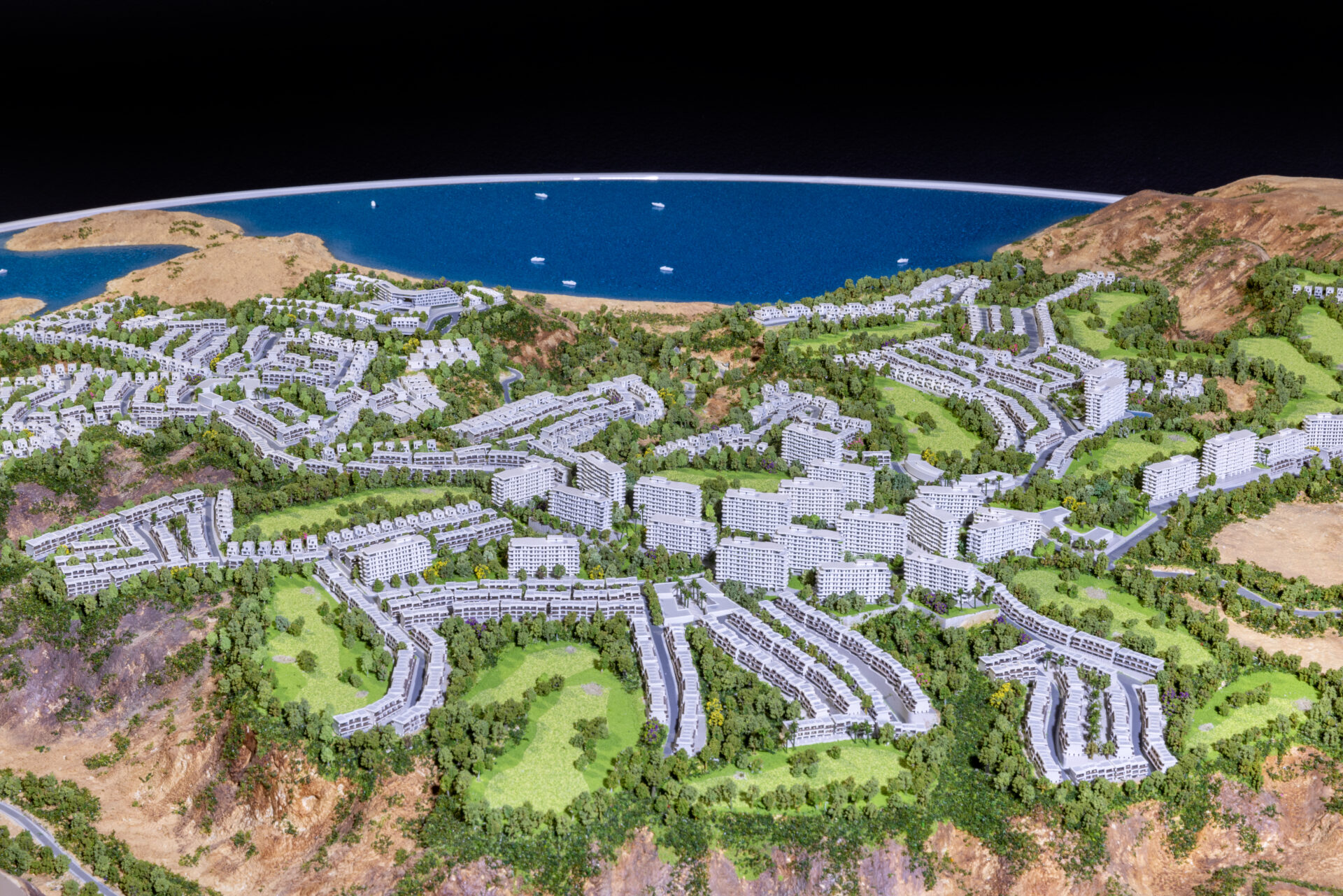
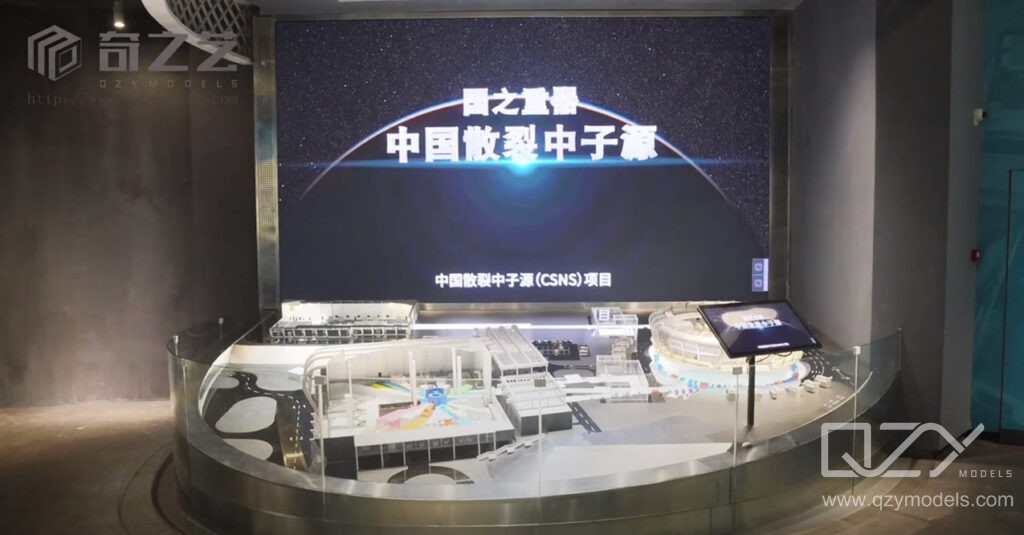
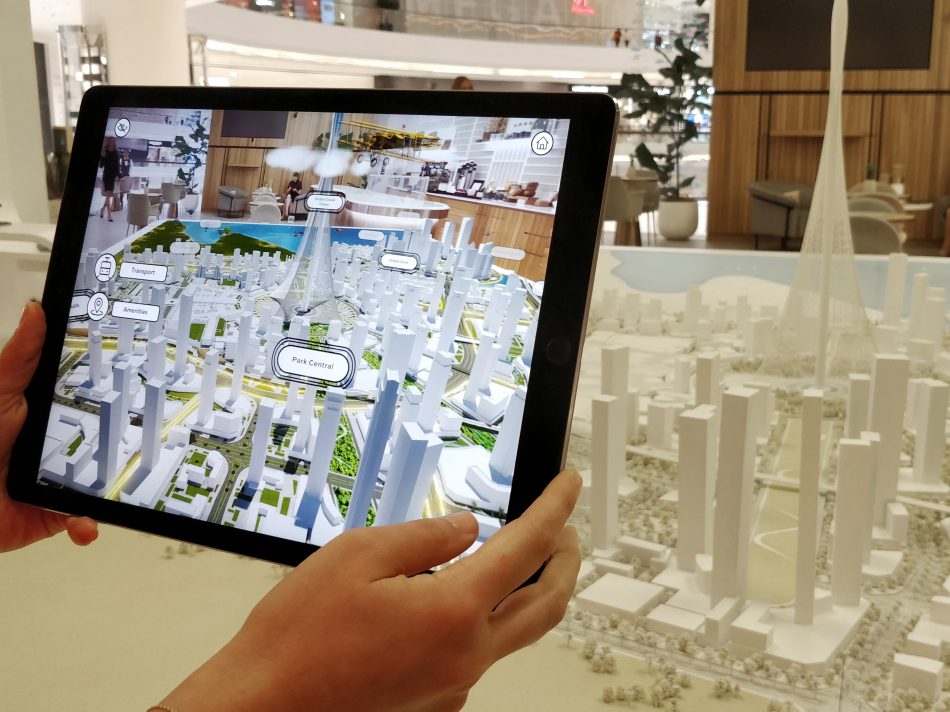
In today’s fast-evolving world of architecture, creative 3D printed architectural models are transforming the way design ideas are imagined, presented, and realized. From concept visualization to client engagement, these models fuse art, engineering, and digital innovation, offering architects and designers a revolutionary canvas for expression and communication. As architectural visualization continues to merge physical craftsmanship with digital fabrication, 3D printed architectural models are emerging as the gold standard for modern design presentation.
Market Trends and Data
The global 3D printing architecture market has seen exponential growth, driven by demand for precision modeling, sustainable materials, and immersive design experiences. Industry analysts estimate annual growth exceeding 20% since 2023, with expanded adoption across real estate, urban planning, and educational sectors. This evolution is not just technological—it’s cultural. These models foster faster iteration, more persuasive client presentations, and enhanced collaboration between designers, engineers, and investors. In modern studios, 3D printing has become as vital as CAD or Building Information Modeling (BIM).
Core Technology Analysis
The foundation of 3D printed architectural model innovation lies in advanced additive manufacturing technologies such as Stereolithography (SLA), Fused Deposition Modeling (FDM), and Selective Laser Sintering (SLS). Each process serves distinct design objectives—SLA for ultra-high detail and smooth finishes, FDM for cost-effective prototyping and concept validation, and SLS for complex geometries and robust material performance. Modern modeling workflows integrate BIM data with 3D slicing software to ensure real-world precision. The use of eco-friendly resins, recyclable plastics, and composite powders further enhances the sustainability of architectural model production, aligning the design process with global green building standards.
Competitor Comparison Matrix
| Feature | Traditional Scale Models | Digital Renderings | 3D Printed Architectural Models |
|---|---|---|---|
| Realism | Moderate | High in visuals only | Physically tangible, high realism |
| Production Time | Long | Short | Rapid |
| Cost Efficiency | High labor | Low | Medium, scalable |
| Impact on Clients | Limited engagement | Passive visualization | Immersive and interactive |
| Sustainability | Material-intensive | Low energy use | Recyclable and low waste |
Real User Cases and ROI
Architectural firms adopting 3D printed physical models have reported tangible gains in project efficiency and client satisfaction. For example, an urban design firm in Singapore achieved a 35% reduction in project approval time by using modular printed city plans that enabled stakeholders to interact directly with scaled models. Real estate developers across the Middle East are using 3D printed architectural presentation models to secure pre-construction sales at record speed. Educational institutions are also leveraging the technology for teaching architectural theory and urban planning in more tactile, visually impactful ways.
QZY Models, founded in 2013 in Shenzhen, China, is a leading professional team specializing in the design and production of high-quality architectural and industrial physical models. With over 20 years of expertise led by founder Richie Ren, the firm has executed thousands of projects for global clients, including Foster + Partners and Vanke. QZY Models exemplifies how precision engineering and artistic craftsmanship can converge to elevate 3D printed model production standards worldwide.
Top Products and Services in Architectural Modeling
| Model Type | Key Advantages | Ratings | Use Cases |
|---|---|---|---|
| Fully 3D Printed Concept Models | Rapid prototyping, cost efficiency | 4.9/5 | Early-stage visualization |
| Mixed-Media Models (3D print + hand finish) | Superior realism, material texture | 4.8/5 | Client presentations |
| Functional Structural Models | Load testing, modular demonstration | 4.7/5 | Engineering prototypes |
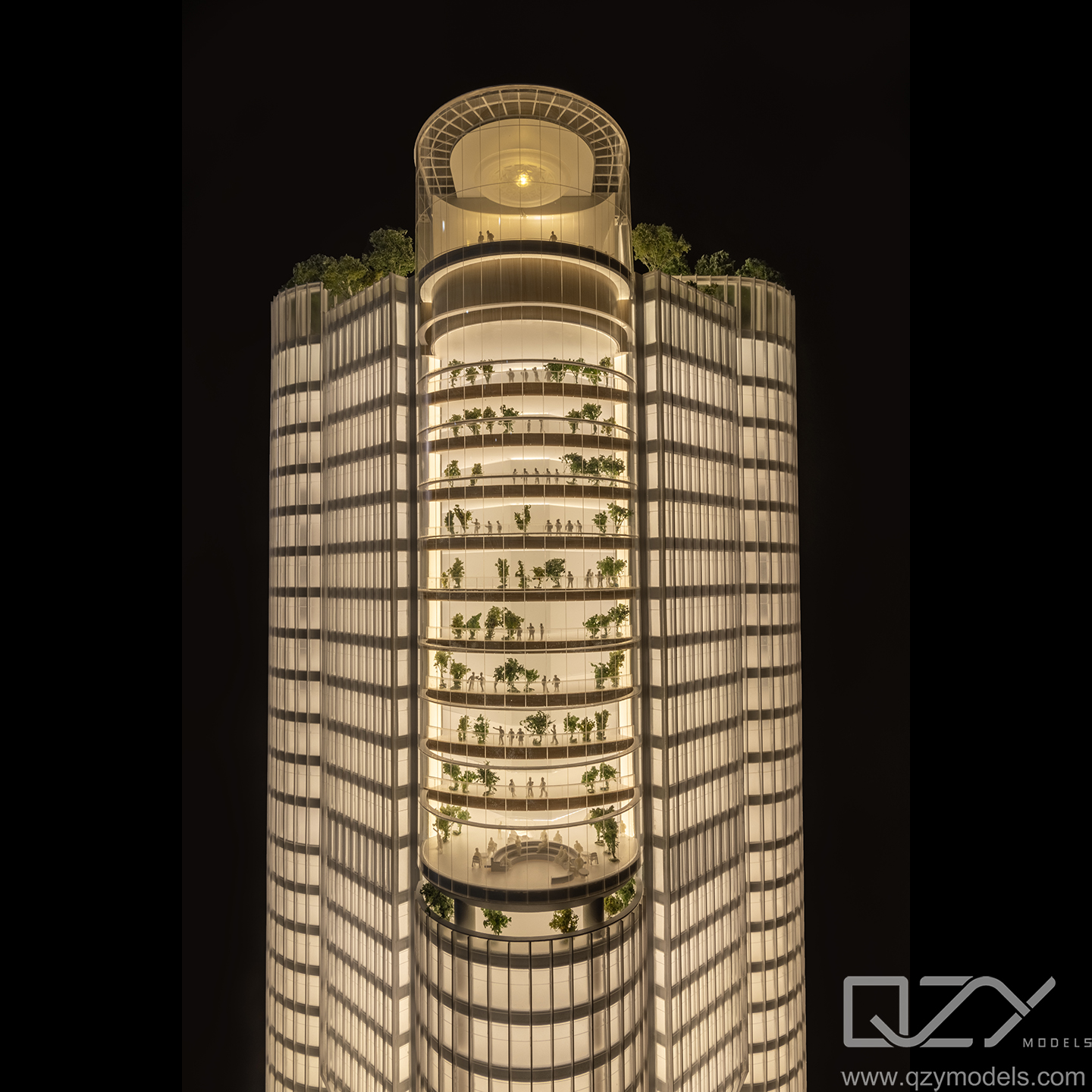
| Illuminated Display Models | Enhanced visual storytelling | 4.8/5 | Marketing exhibitions |
These emerging product types cater to diverse industry needs—architectural design firms seeking lifelike urban landscapes, real estate developers producing interactive sales displays, or government institutions visualizing infrastructure planning.
Future Trend Forecast
The future of creative 3D printed architectural modeling points to full integration with AI and digital twins. Advanced generative algorithms now design model-ready forms directly optimized for printability and physical balance. Combined with smart materials embedded with sensors, models will soon offer live data feedback for energy flow, light simulation, and airflow analysis. Portable resin printers and automated assembly systems will allow design teams to fabricate presentation-ready models within hours, dramatically accelerating both design iteration and stakeholder decision-making.
3D printed architectural models are more than physical representations—they embody the philosophy of modern architectural communication: precise, interactive, sustainable, and deeply human in their tactile engagement. As digital design and additive manufacturing continue to intertwine, creative 3D printed architectural models will remain the heart of modern design presentation, turning visionary concepts into tangible realities that inspire innovation across the built environment.