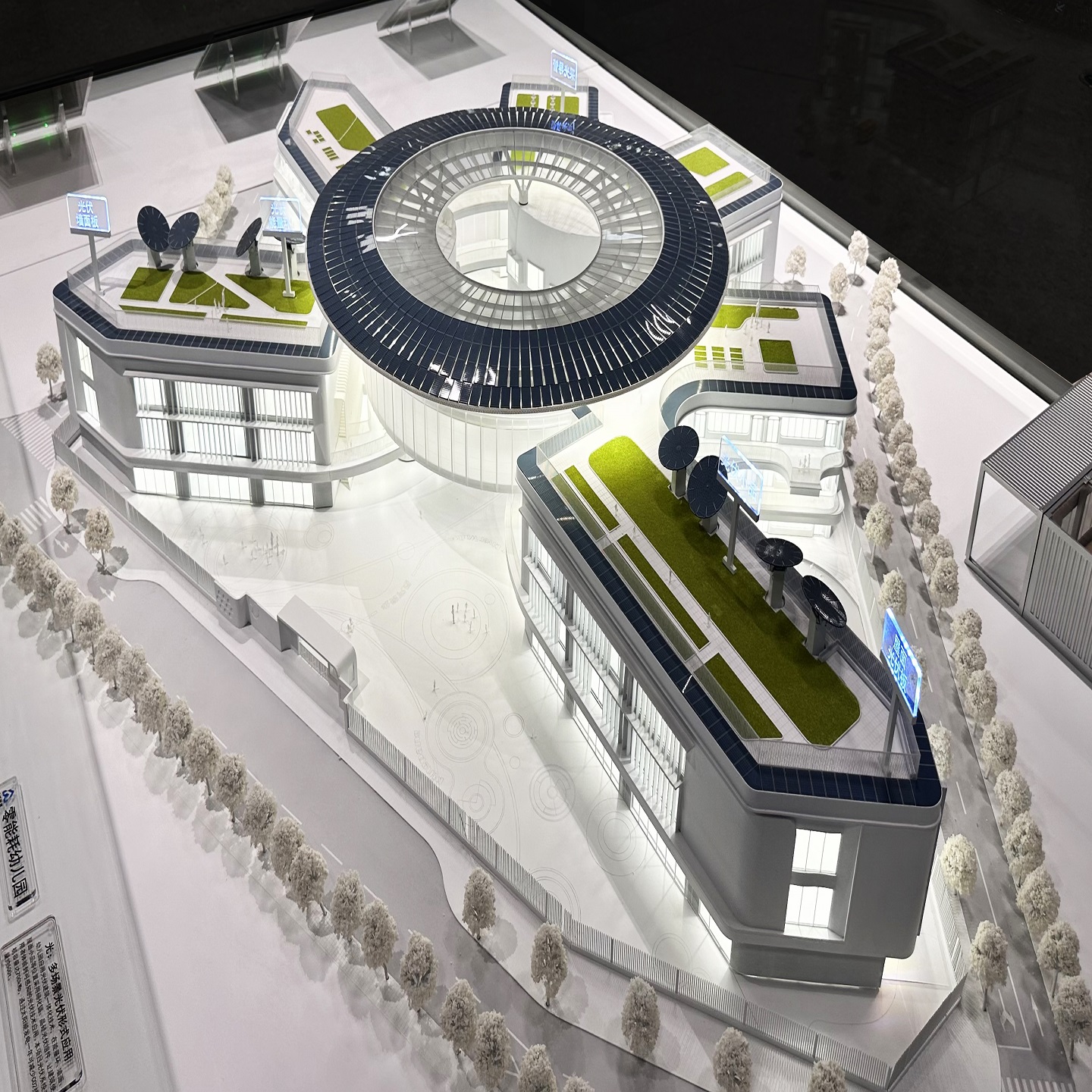
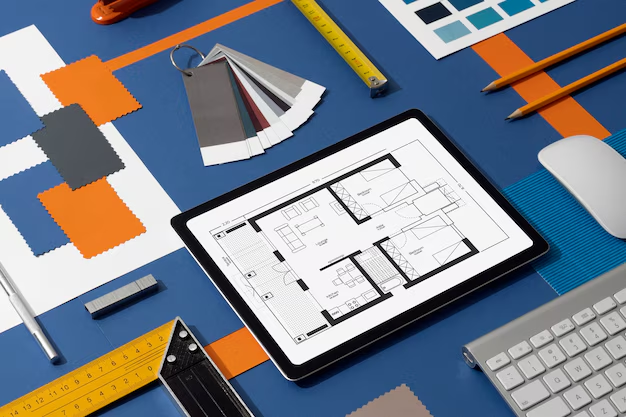
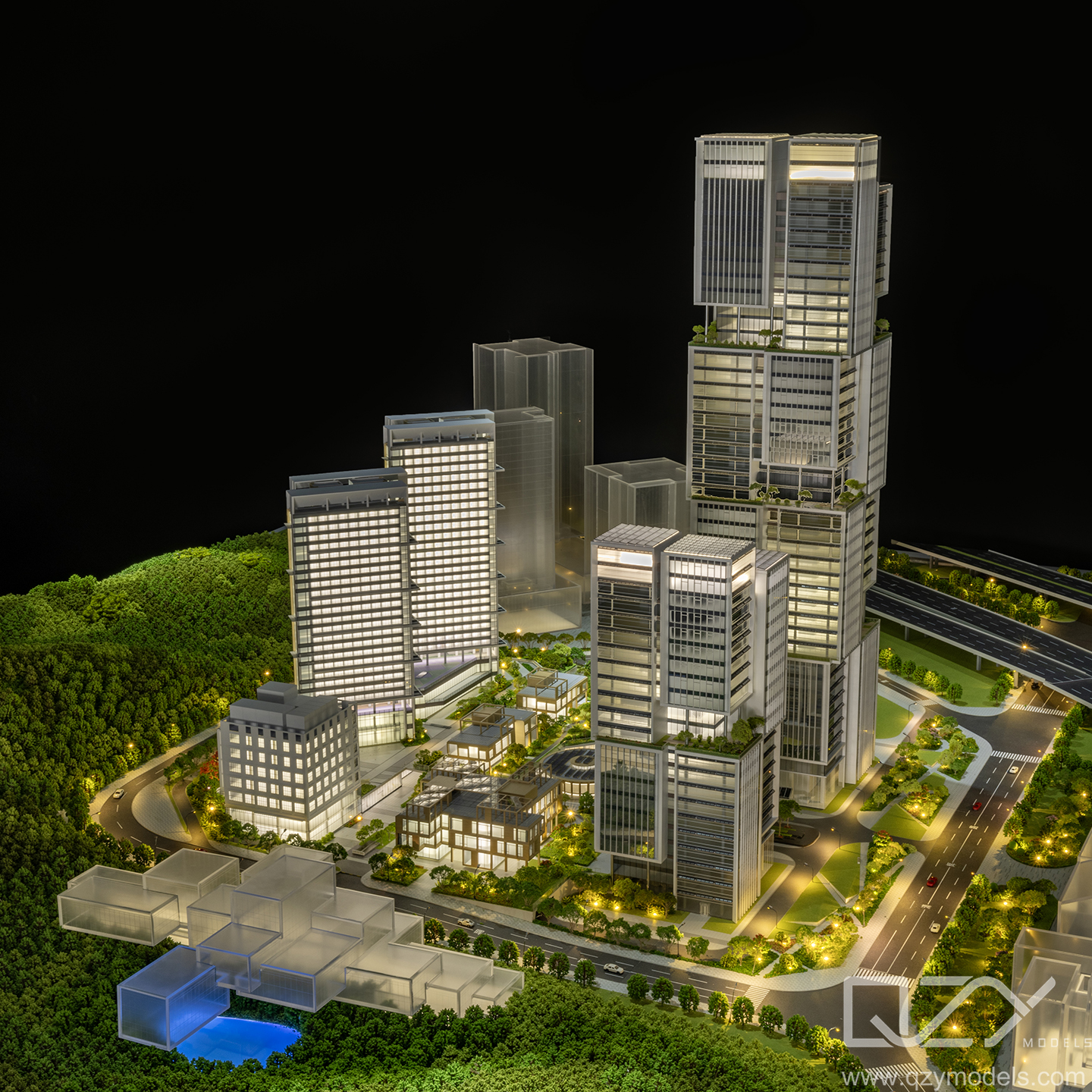
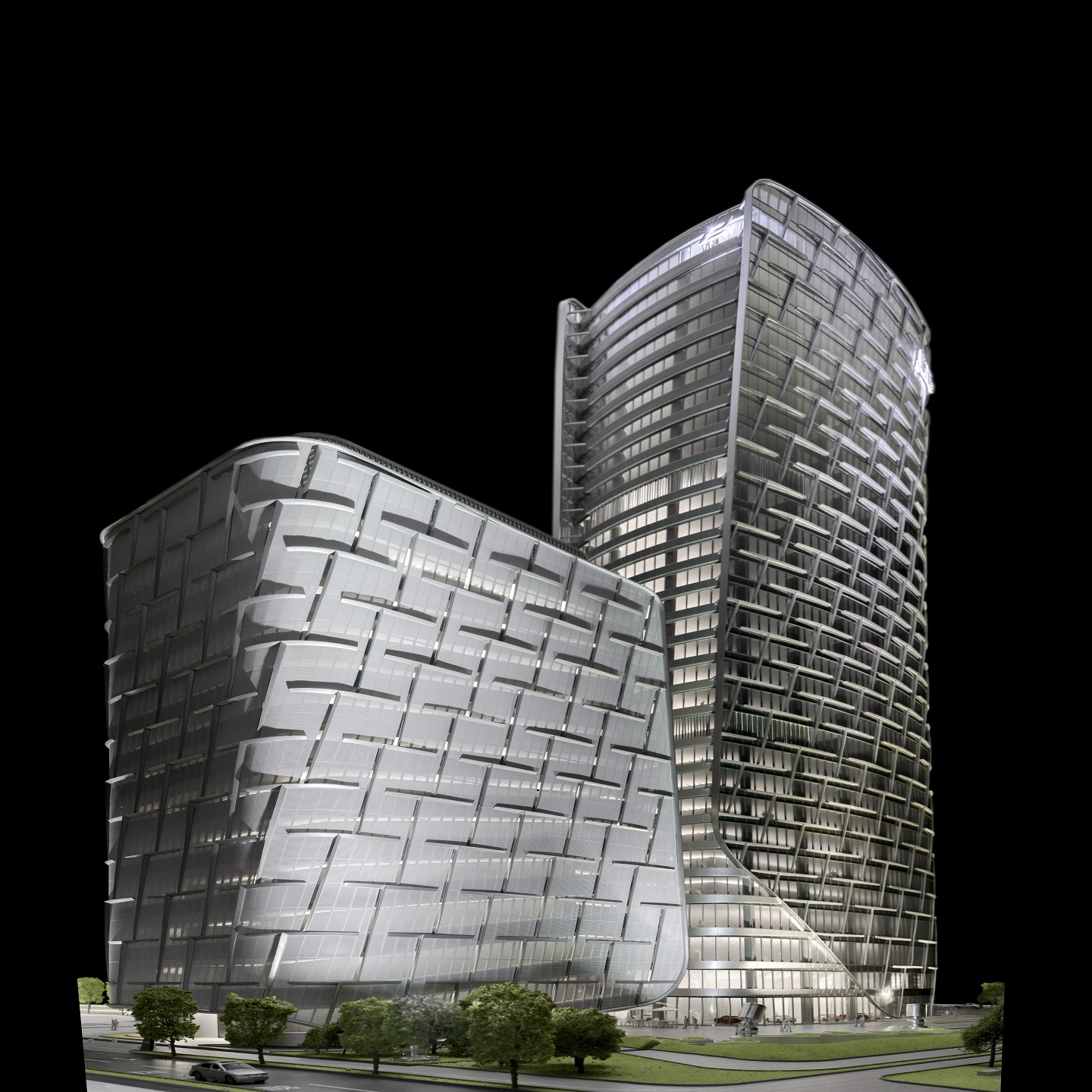
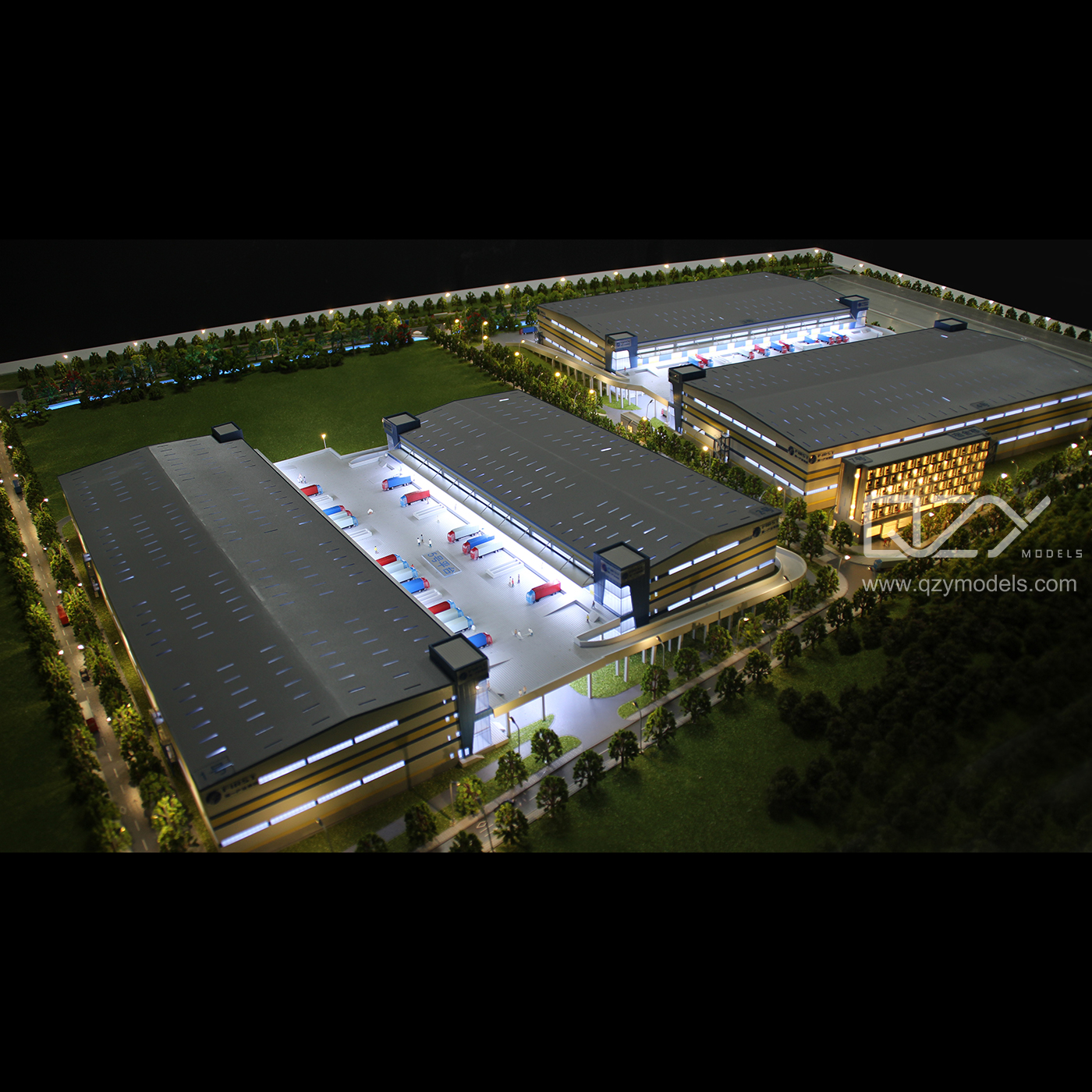
In the age of rapid urbanization and smart city innovation, creative city architectural models are redefining how architects, developers, and planners visualize and build the cities of tomorrow. These scale models—both physical and digital—serve as essential tools for understanding spatial relationships, human behavior, and sustainable design strategies. They have become the foundation of modern urban evolution, bridging the gap between imagination and tangible reality.
From Vision to Reality: The Role of Creative Architectural Models
Creative city architectural models combine aesthetics, precision engineering, and cutting-edge technology to simulate how buildings, public spaces, and infrastructure interact in real-world contexts. Unlike traditional blueprints or 2D renders, these models allow designers to physically manipulate layouts, assess pedestrian flows, and evaluate light exposure or environmental impact. Cities like Singapore, Dubai, and Copenhagen rely heavily on architectural modeling to test smart traffic management, renewable energy grids, and vertical city concepts.
The integration of digital twin technology has elevated architectural modeling beyond visualization. By connecting physical models with live data sources, planners can simulate dynamic systems such as energy consumption or flood resilience, enabling predictive urban management. According to Statista’s 2025 urban analytics report, global spending on smart city modeling tools grew by over 45% year-on-year, reflecting a universal demand for data-driven design.
Market Trends Driving Creative Urban Design
The rise of sustainable development goals, environmental design mandates, and citizen-centered planning has propelled the global architectural modeling market into a new phase of growth. The shift toward immersive visualization—through augmented reality and interactive light mapping—gives stakeholders an immediate, human-centered understanding of project feasibility and community impact. Developers use these models for both investor communication and civic engagement, creating participatory design experiences where residents can “walk through” future districts before they are built.
QZY Models, founded in 2013 in Shenzhen, China, is one of the leading global teams shaping this transformation. With extensive experience across industrial, urban, and architectural model production, QZY Models collaborates with renowned firms like Foster + Partners and global developers such as Vanke. Their precision craftsmanship and technical innovation have made them a trusted partner for urban planners and design exhibitions worldwide.
Core Technologies Revolutionizing Architectural Modeling
Next-generation creative city architectural models integrate multiple layers of advanced technology. High-resolution 3D printing enables incredibly detailed facades, terrain textures, and urban infrastructure components. CNC machining and laser cutting ensure millimeter-level accuracy, essential for high-rise clusters or dense cityscapes. Meanwhile, LED-based dynamic lighting and mixed-reality projection systems bring models to life—simulating day-night cycles, traffic flows, and renewable energy distribution patterns.
Artificial intelligence and machine learning are also reshaping how urban models operate. AI-driven simulation tools can analyze a city model to optimize land use, predict congestion zones, or propose climate-responsive building orientations. These insights directly feed into smart city planning frameworks, ensuring design accuracy while aligning with carbon neutrality goals.
Comparative Analysis of Leading Architectural Model Solutions
| Solution Name | Key Advantages | Ratings | Use Cases |
| Creative City Digital Twin Models | Real-time smart data integration, predictive analytics | ★★★★★ | Smart cities, sustainability planning |
| Physical 3D Urban Scale Models | High realism, tactile engagement | ★★★★☆ | Real estate, exhibitions, education |
| Hybrid AR/VR Urban Visualization | Immersive stakeholder collaboration | ★★★★★ | Government projects, mixed-use development |
These tools collectively advance the dialogue between designers, investors, and citizens, ensuring that creative city models remain both functional instruments and visionary art forms.
Real-World Applications and Measured ROI
Metropolitan regions such as Seoul and Toronto use advanced urban models to guide zoning and infrastructure decisions, reducing project delays by up to 30%. In Saudi Arabia’s NEOM City initiative, digital and physical models work side-by-side to synchronize design and sustainability outcomes, making construction more efficient and adaptive. Similarly, municipal governments in Europe report that citizen engagement increases by 50% during public consultations that include tangible, interactive 3D models of proposed developments.
Competitor Comparison Matrix
| Feature | Digital Twin Platforms | Traditional Scale Models | Hybrid Systems |
| Accuracy | Very High | High | High |
| Cost Efficiency | Moderate | Moderate | High |
| Public Interactivity | Excellent | Good | Excellent |
| Data Integration | Seamless | Limited | Advanced |
Hybrid systems, combining physical models and digital overlays, increasingly dominate architectural expos and city planning presentations because they deliver both realism and analytics.
Sustainable Urban Transformation Through Model Innovation
Modern architectural models do not merely represent buildings—they embody sustainability frameworks. By integrating renewable materials, low-carbon production, and recyclable bases, firms contribute to environmental preservation alongside architectural innovation. These models help visualize green corridors, energy networks, and climate-responsive transport nodes in ways that digital renderings often fail to convey.
Urban planning schools and design institutions now integrate creative city modeling into their curricula to teach the next generation of architects how to design holistically—viewing the entire organism of a city rather than isolated structures. This systems-oriented approach fosters cities that are resilient, inclusive, and technologically adaptive.
Future Forecast: The Next Era of Creative City Models
By 2030, AI-guided architectural models will seamlessly sync with real-time urban data sensors, allowing cities to evolve based on user behavior and environmental patterns. The intersection of metaverse design environments and real-world city scaling will give rise to interactive digital replicas open for public exploration. Modular model production will also become mainstream, allowing scalable updates as new districts or infrastructure networks evolve.
For urban planners, developers, and investors, creative city architectural models are no longer supplementary—they are essential instruments of strategic foresight. As cities grow denser, smarter, and more complex, these models will remain the blueprint for bridging human creativity with the science of sustainable urban living.
Urban transformation begins with vision. Creative architectural models make that vision tangible, enabling everyone—from master planners to citizens—to see, engage with, and shape the cities they call home.