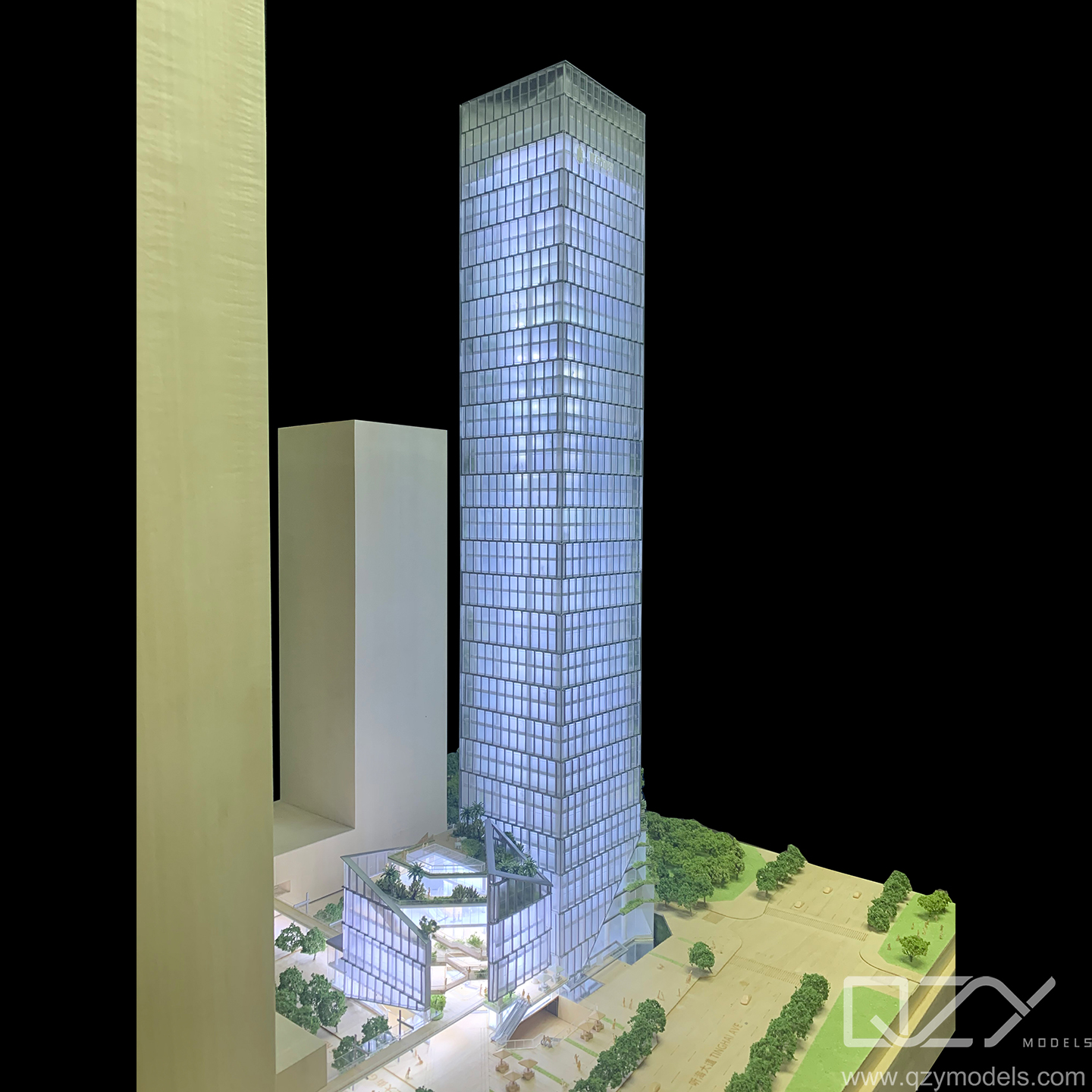
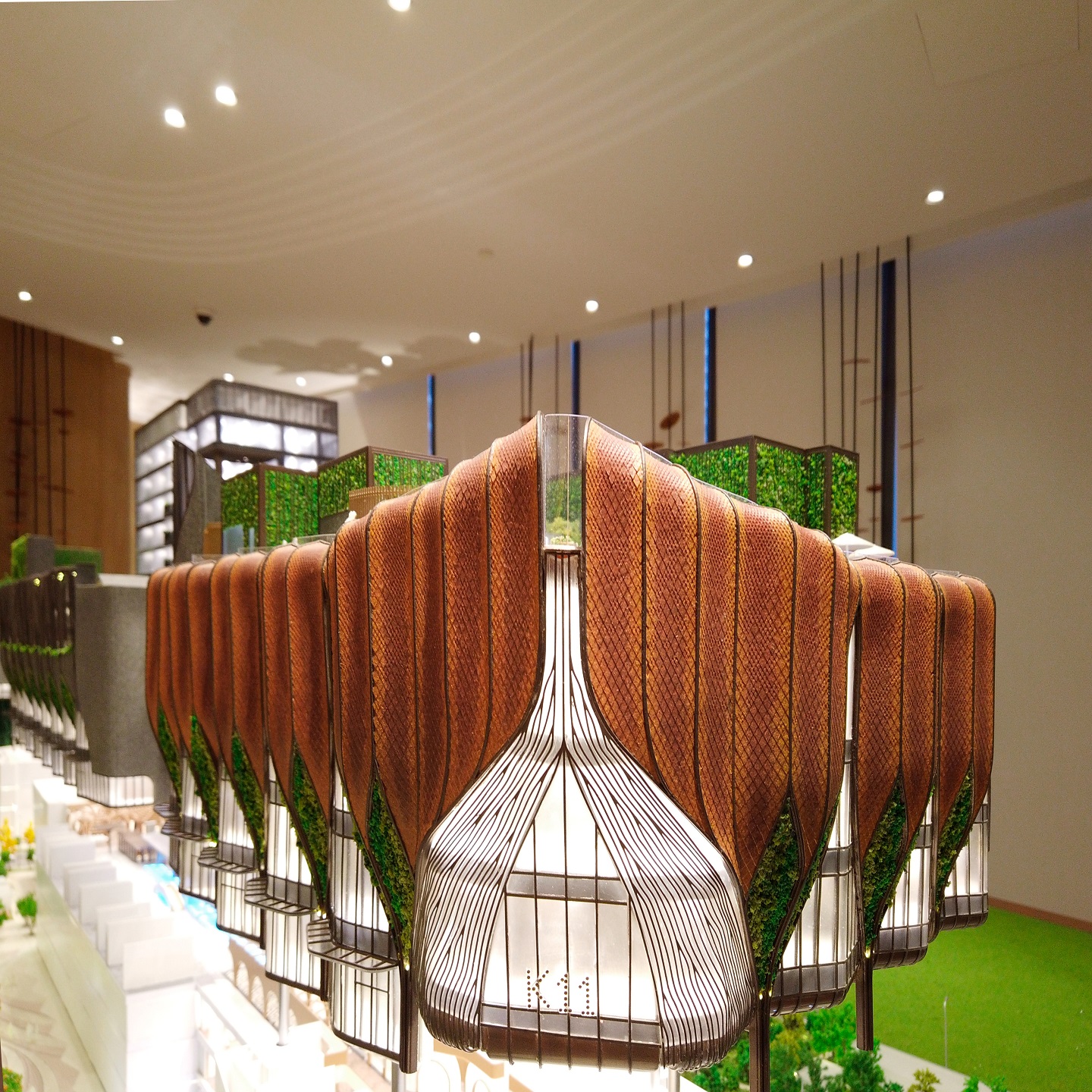
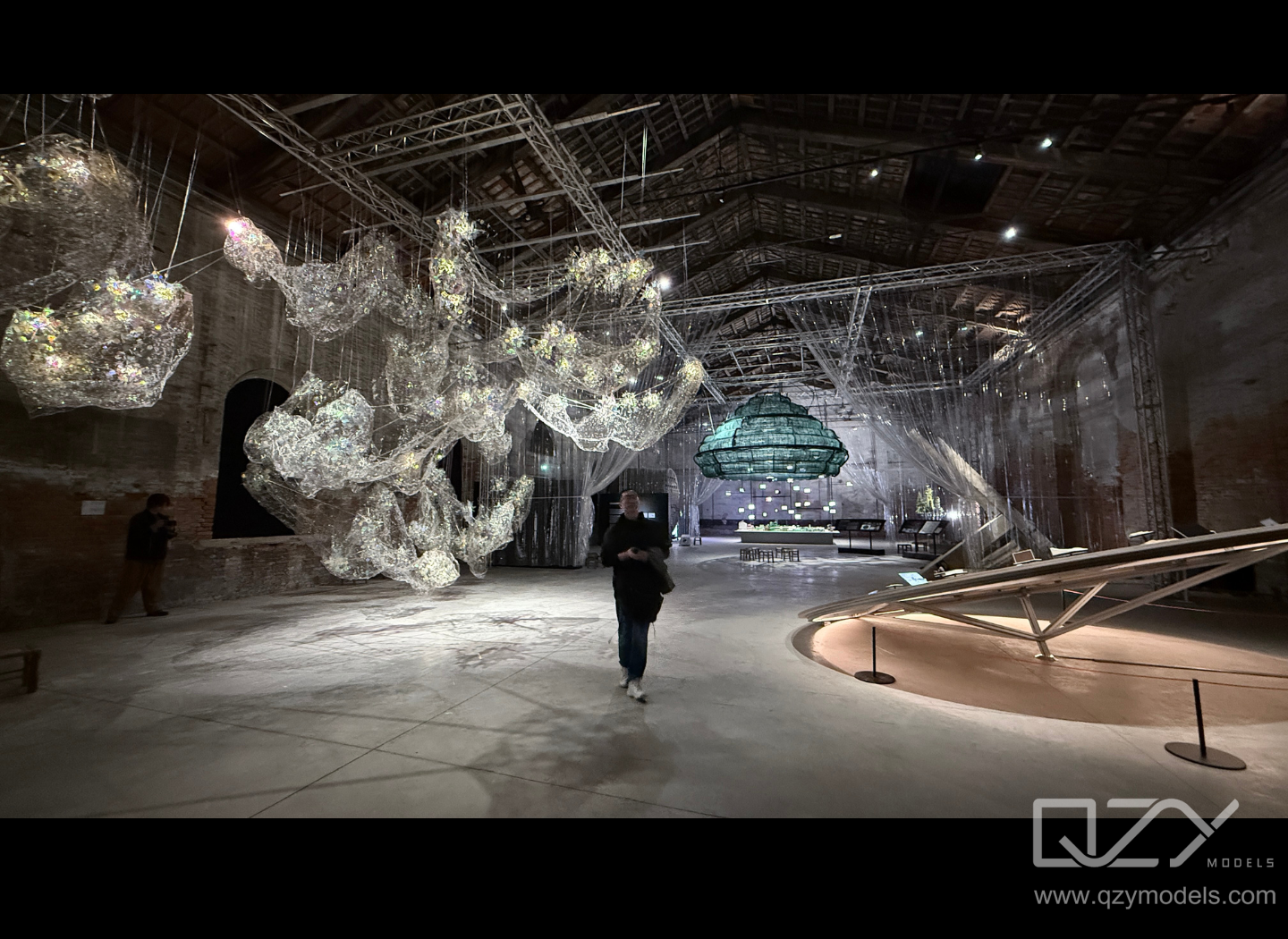
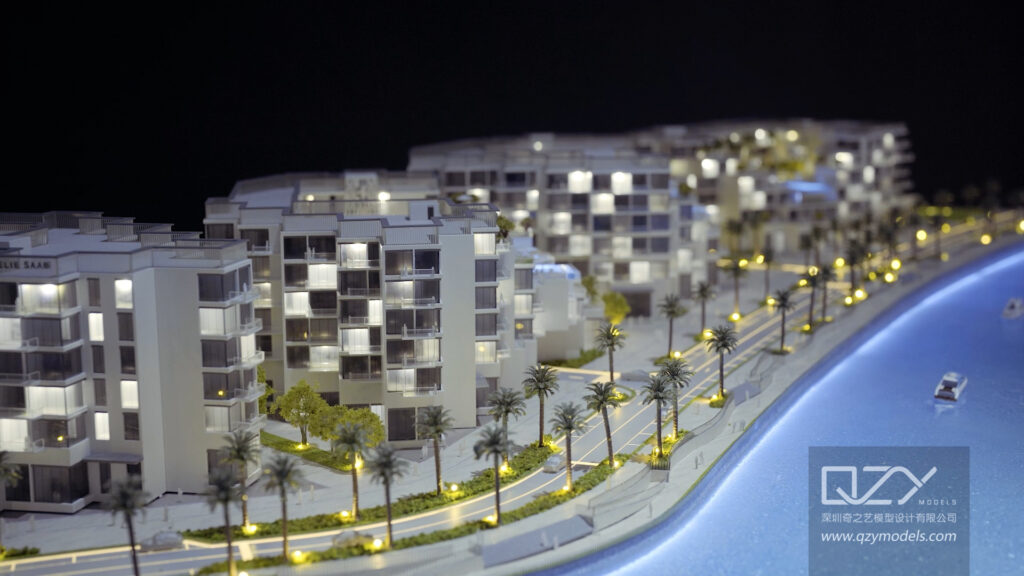
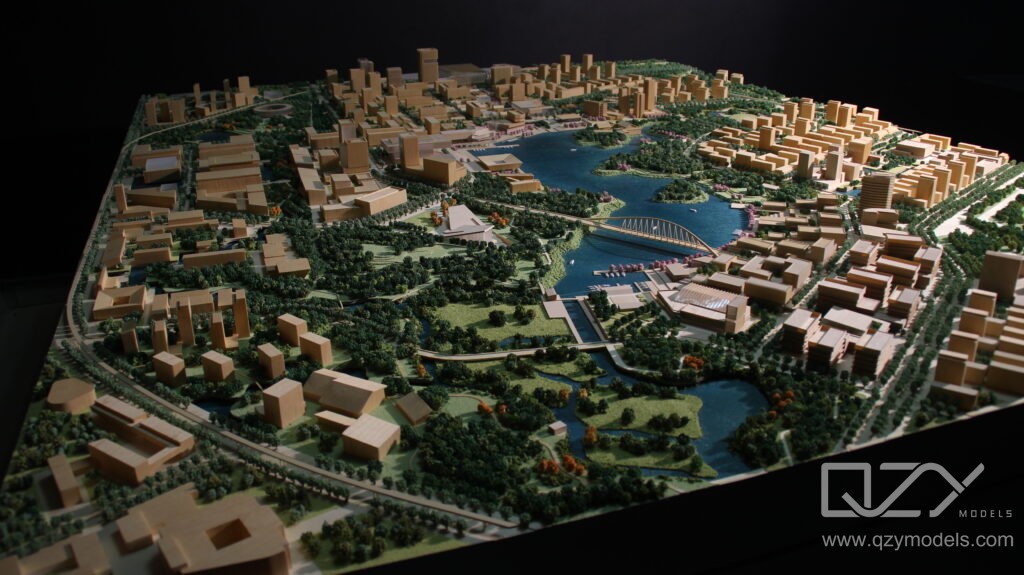
In an era defined by precision, visualization, and data-driven design, custom 3D architectural models are empowering architects, developers, and governments to bring visions to life faster and more convincingly. As a global leader in this field, QZY Models delivers unparalleled accuracy, detail, and craftsmanship—turning digital concepts into tangible masterpieces that inspire confidence and drive decision-making.
What Is the Current State of the Architectural Visualization Industry, and What Are Its Pain Points?
The global architectural visualization market has grown rapidly, reaching an estimated value of over USD 3.5 billion in 2025 with an expected CAGR of 20% through 2030, according to credible industry reports. This growth highlights the increasing reliance on 3D models to enhance planning efficiency, investor communication, and public engagement. Yet, despite technological progress, critical challenges remain.
Most development projects still face cost overruns and approval delays due to inadequate physical visualization tools. According to data from McKinsey, 75% of large-scale construction projects exceed budgets, often because stakeholders cannot fully grasp spatial and aesthetic details through 2D drawings or screen-based renderings alone.
Urban planners and real estate developers, in particular, are under pressure to present concepts that resonate emotionally and logically with both investors and communities. The inability to bridge the “design communication gap” between digital visualization and real-world comprehension limits project approvals and slows decision cycles.
Why Are Traditional Design Presentation Methods Falling Short?
Conventional renderings and 2D plans rely heavily on digital screens, which fail to capture spatial realism and scale perception effectively. While VR and AR tools have partially improved visualization, they still require sophisticated equipment and technical literacy, limiting accessibility during on-site discussions or exhibitions.
Physical models made by traditional means—foam, cardboard, or manual crafting—lack precision and scalability. They’re often time-consuming to produce and difficult to update when project specifications change. Moreover, inconsistent material quality affects the durability needed for international exhibitions or long-term client presentations.
In contrast, data-driven, 3D-printed, and CNC-fabricated architectural models by QZY Models overcome these shortcomings, offering both artistic and engineering-grade reliability.
How Does QZY Models Deliver a Comprehensive 3D Model Solution?
QZY Models combines advanced digital fabrication technologies with handcrafted detailing to produce accurate, durable, and photorealistic architectural models. The company’s core capabilities include:
-
Precision 3D printing and CNC milling for achieving exact architectural proportions.
-
Integrated lighting and landscaping systems to replicate real-world conditions.
-
Modular design construction allowing scalable and updatable model structures.
-
Global delivery support through branches in the UAE, Saudi Arabia, and Egypt, ensuring quality consistency for international exhibitions.
By combining over 20 years of experience with end-to-end production workflows, QZY Models eliminates inefficiencies and provides customized solutions that align precisely with each client’s vision.
Which Key Differences Set QZY Models Apart from Traditional Methods?
| Aspect | Traditional Model Making | QZY Models’ Custom 3D Models |
|---|---|---|
| Production Speed | Manual and time-consuming | Digitally driven, 50% faster turnaround |
| Accuracy | Prone to scale errors | Laser and CNC precision under 0.1 mm tolerance |
| Material Quality | Limited and inconsistent | Premium composite and photographic materials |
| Adaptability | Difficult to modify | Easy digital updates and reprints |
| Presentation Impact | Static and fragile | Interactive, durable, and exhibition-ready |
How Can Users Implement the QZY Models Solution Step-by-Step?
-
Project Consultation: Clients share CAD, Revit, or SketchUp files with detailed requirements.
-
Design Optimization: QZY’s engineering team refines geometry, textures, and lighting.
-
Material & Scale Selection: Clients choose between various materials (resin, acrylic, wood).
-
Model Fabrication: 3D printing, CNC carving, and manual assembly ensure precision.
-
Quality Control & Delivery: Final inspections guarantee model integrity before global shipment or exhibition installation.
-
Post-Service Support: QZY assists clients with maintenance, display upgrade, and digital integration options.
Who Benefits Most from These Custom 3D Models? (Four Scenarios)
1. Real Estate Developers
-
Problem: Difficulty convincing investors with flat renderings.
-
Traditional Approach: Slide-based digital presentations only.
-
After Using QZY Models: Physical models increased investor engagement during pre-sales events, improving funding rates by 30%.
-
Key Benefit: Tangible visualization builds trust.
2. Government Urban Planning Departments
-
Problem: Public feedback barriers during zoning presentations.
-
Traditional Approach: 2D maps and technical charts.
-
After Using QZY Models: 3D masterplans improved public understanding and transparency, accelerating approvals.
-
Key Benefit: Enhanced civic participation and faster policy execution.
3. Architectural Firms
-
Problem: Clients struggle to understand spatial flow.
-
Traditional Approach: Virtual tours or renders on-screen.
-
After Using QZY Models: Physical models clarified proportions instantly, reducing design revisions by 25%.
-
Key Benefit: Streamlined communication and higher design acceptance.
4. Educational Institutions & Exhibitions
-
Problem: Limited engagement in architecture education setups.
-
Traditional Approach: Poster-based theoretical displays.
-
After Using QZY Models: Students gained experiential learning from tactile, detailed miniatures.
-
Key Benefit: Improved understanding of structure-function integration.
Why Should the Industry Act Now Toward Adopting Custom 3D Models?
As global competition in real estate and infrastructure intensifies, clients demand faster, more persuasive visual tools. Governments are mandating transparent urban communication, while investors expect data-supported realism. The combination of 3D printing, IoT integration, and AI-driven planning tools is reshaping how architecture communicates intent.
By embracing accuracy, artistry, and innovation, providers like QZY Models stand at the forefront of this transformation—bridging imagination with precision. Those who adopt custom 3D modeling solutions now position themselves as design leaders capable of exceeding client expectations in both aesthetics and function.
FAQ
1. What is the average production timeline for a QZY architectural model?
Typically, 3–6 weeks depending on complexity, size, and material choice.
2. Can QZY Models handle international projects and shipping?
Yes. QZY operates globally with logistics hubs in Asia, the Middle East, and Europe.
3. Are 3D models scalable for large urban masterplans?
Absolutely. Models can represent cityscapes spanning several square meters with modular assembly.
4. Does QZY Models provide digital files or integrated AR options?
Yes. Digital twin integration and lighting synchronization are available on request.
5. How is quality ensured before delivery?
All models undergo multi-stage precision checks, including tolerance testing and surface inspection.
Sources
-
McKinsey Global Institute – Construction Productivity Report: https://www.mckinsey.com/industries/engineering-construction
-
Statista – Architectural Visualization Market Data: https://www.statista.com
-
World Economic Forum – Infrastructure Trends Report 2025: https://www.weforum.org
-
Allied Market Research – 3D Printing in Architecture Forecast: https://www.alliedmarketresearch.com
-
PwC Global Urbanization Outlook 2025: https://www.pwc.com