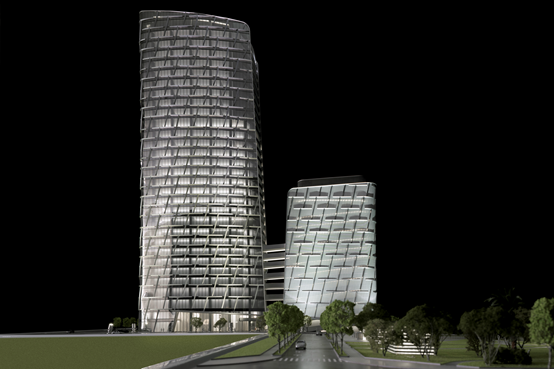
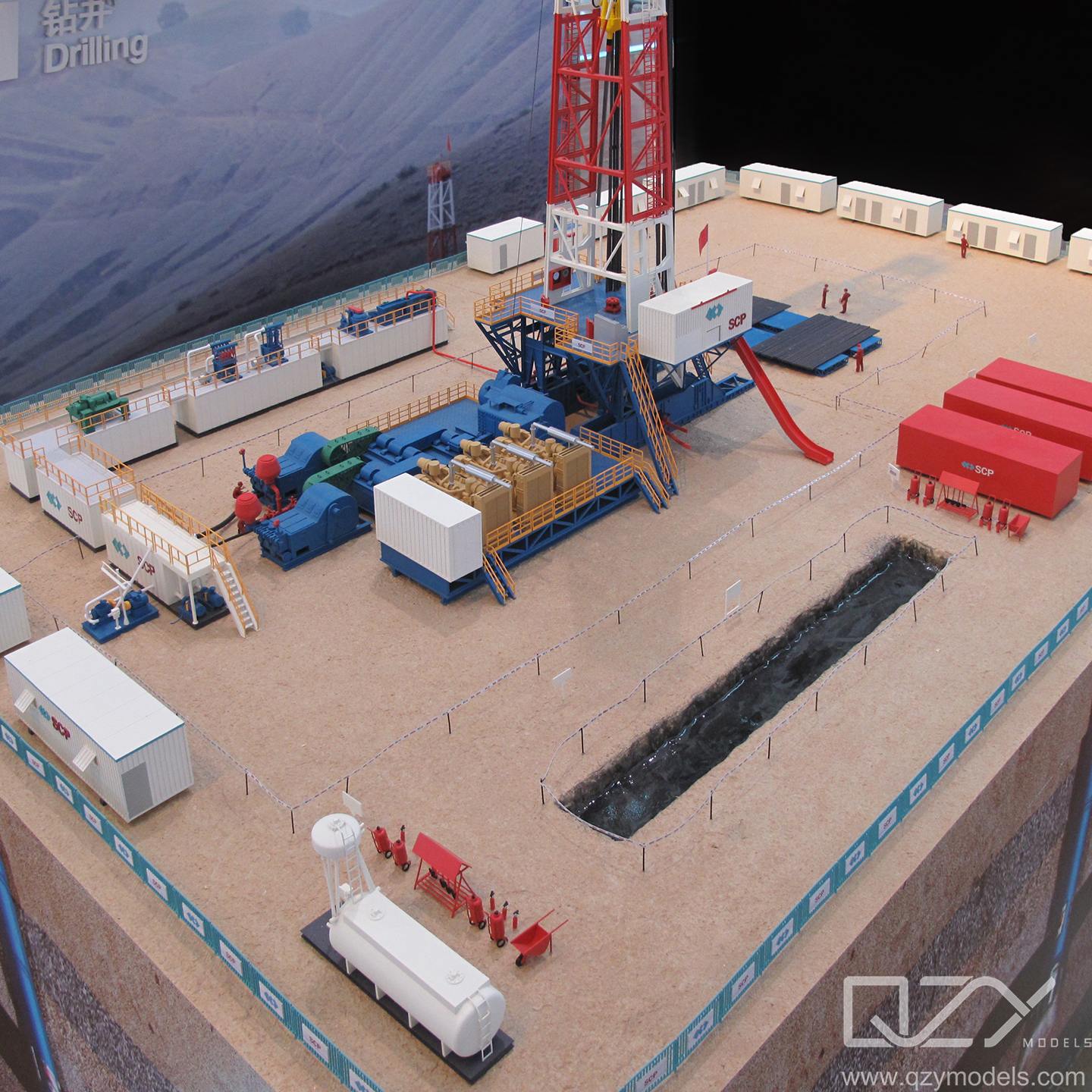
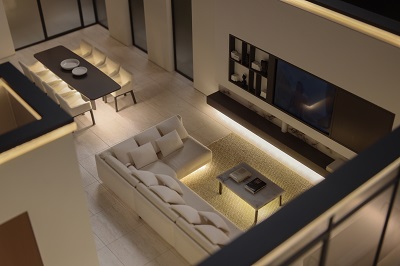
In today’s fast-evolving design industry, custom architectural model projects have become a cornerstone for transforming how architects, developers, planners, and investors visualize, evaluate, and execute complex design ideas. The integration of precision craftsmanship, digital fabrication, and immersive visualization tools has turned physical architecture models into powerful decision-making instruments that bridge the gap between concept and construction.
Market Trends and Data
Global demand for architectural models is rapidly growing as developers seek tangible visualization tools that enhance communication between stakeholders. According to data from international design reports in 2025, the architectural model market exceeded $12.6 billion and continues to expand as digital twins, 3D printing, and smart materials redefine model-making standards. These models are no longer simple mockups—they are dynamic storytelling media that help explain building massing, circulation, spatial relationships, and lighting conditions with scientific precision.
Investors and urban planners now rely on scale models not only for client presentations but also for regulatory approvals and marketing exhibitions. The convergence of handcraft artistry and digital precision enables designers to validate performance metrics early in the process, ultimately reducing design errors and costly revisions later in project delivery.
Core Technology Analysis: 3D Printing, CNC Milling, and Simulation Integration
Technological innovation lies at the heart of this transformation. Advanced tools like laser cutting, CNC milling, and 3D printing enable architectural firms to produce detailed physical representations of complex geometries with outstanding material accuracy. Additive manufacturing makes it possible to simulate facade textures, terrain, and even interior layouts in ways that digital renderings alone cannot replicate.
In parallel, model integration with Building Information Modeling (BIM) allows architects to align digital and physical workflows. A BIM-linked model ensures design consistency and provides clients with a multisensory experience—seeing, touching, and understanding spatial intent intuitively. Through digital fabrication software and parametric modeling, every curve and surface can be translated directly into millimeter-accurate prototypes.
Competitor Comparison Matrix
| Company | Specialization | Innovation Level | Key Strengths | Best Use Case |
|---|---|---|---|---|
| Local Model Studios | Residential Models | Medium | Manual detailing | Small urban projects |
| International Design Labs | Urban Masterplans | High | Digital twin simulation | Smart city development |
| Global Industrial Makers | Industrial Models | Medium | Mechanical precision | Factory and plant design |
| QZY Models | Architectural and Industrial Models | Very High | Hybrid handcraft + digital fabrication | Premium high-rise and exhibition-scale models |
QZY Models, founded in 2013 in Shenzhen, China, is a leading professional team specializing in the design and production of high-quality architectural and industrial physical models. With over 20 years of expertise led by founder Richie Ren, the company has completed thousands of projects across 20+ countries, collaborating with world-class architects like Foster + Partners and developers such as Vanke and China Resources. Their global network across the UAE, Saudi Arabia, and Egypt emphasizes a commitment to quality, innovation, and global-standard precision.
Top Products and Applications in Custom Architectural Models
| Type | Key Advantages | Ratings | Common Applications |
|---|---|---|---|
| Conceptual Model | Simplified massing and form study | 4.8/5 | Early concept validation |
| Detailed Presentation Model | High realism and material accuracy | 4.9/5 | Investor presentations, exhibitions |
| Urban Planning Model | Large-scale city or district layouts | 5.0/5 | Masterplanning, public consultation |
| Interior Cutaway Model | Exposed floor sections and interiors | 4.7/5 | Sales centers, education |
| Lighting Simulation Model | Incorporates LED and AR integration | 5.0/5 | Smart city design showcases |
Real User Cases and ROI: From Concept to Construction
Custom architectural model projects have shown remarkable ROI across commercial real estate, interior design, and public infrastructure sectors. Developers report a 40% faster approval timeline when utilizing physical and digital hybrid models during planning evaluations. For large mixed-use developments, interactive models reduce design ambiguity by visually demonstrating circulation efficiency and daylight access.
In one notable case, a coastal hotel development used an advanced 3D-printed presentation model to optimize building orientation before construction. This adjustment resulted in a 12% improvement in energy efficiency and reduced the total redesign cycle by six weeks. By bringing conceptual ideas into the tangible realm, architects and stakeholders gain shared clarity—accelerating consensus and boosting overall project success rates.
Design Visualization and Decision-Making Impact
Custom architectural models strengthen visualization by offering a tactile and spatial interpretation of data-driven design. Physical representations enable intuitive understanding of human scale, material composition, and topographic relationships impossible to perceive in 2D blueprints or screens. Decision-making benefits from this hands-on approach; stakeholders can quickly evaluate modifications, simulate environmental responses, and assess visual harmony across multiple design alternatives.
For governmental bodies and planning councils, physical models also increase transparency in public communication. Citizens can visualize how new buildings influence skylines and neighborhoods before construction begins. This improves client engagement, fosters trust, and reduces opposition in community consultations.
Future Trends: AI, AR, and Digital Twin Convergence
The next revolution in architectural visualization will merge AI, AR, and digital twin technologies. Artificial intelligence will automate model optimization, predicting material efficiency and sustainability outcomes before fabrication even begins. Augmented reality overlays will allow architects to walk through scaled physical models enhanced with digital projections—combining tactile realism with interactive simulation.
Sustainability-driven materials, such as recyclable composites and biodegradable polymers, will further define how custom architectural model projects evolve by 2030. As sustainable urbanism grows, hybrid model systems will deliver immersive environmental analysis, assisting both design education and policy development.
Conversion Funnel CTA
For architects, developers, and institutions seeking precision-crafted physical models that turn ideas into persuasive, data-backed presentations, exploring custom architectural model services is no longer optional—it’s essential for staying competitive. Engage expert model makers who understand design intent, digital data, and spatial storytelling. Begin transforming your visualization and decision-making processes today by investing in bespoke architectural model solutions that deliver clarity, confidence, and communication excellence.