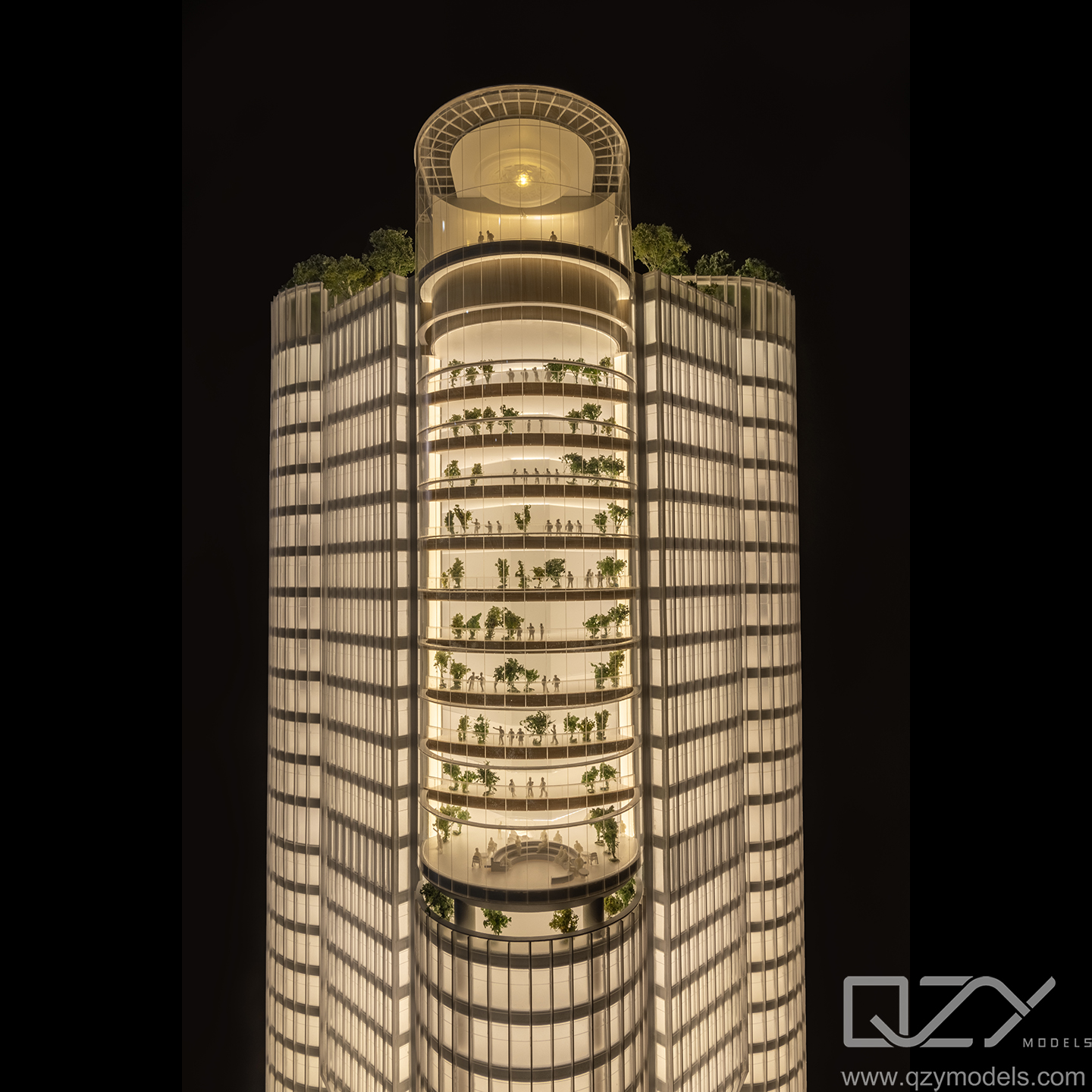
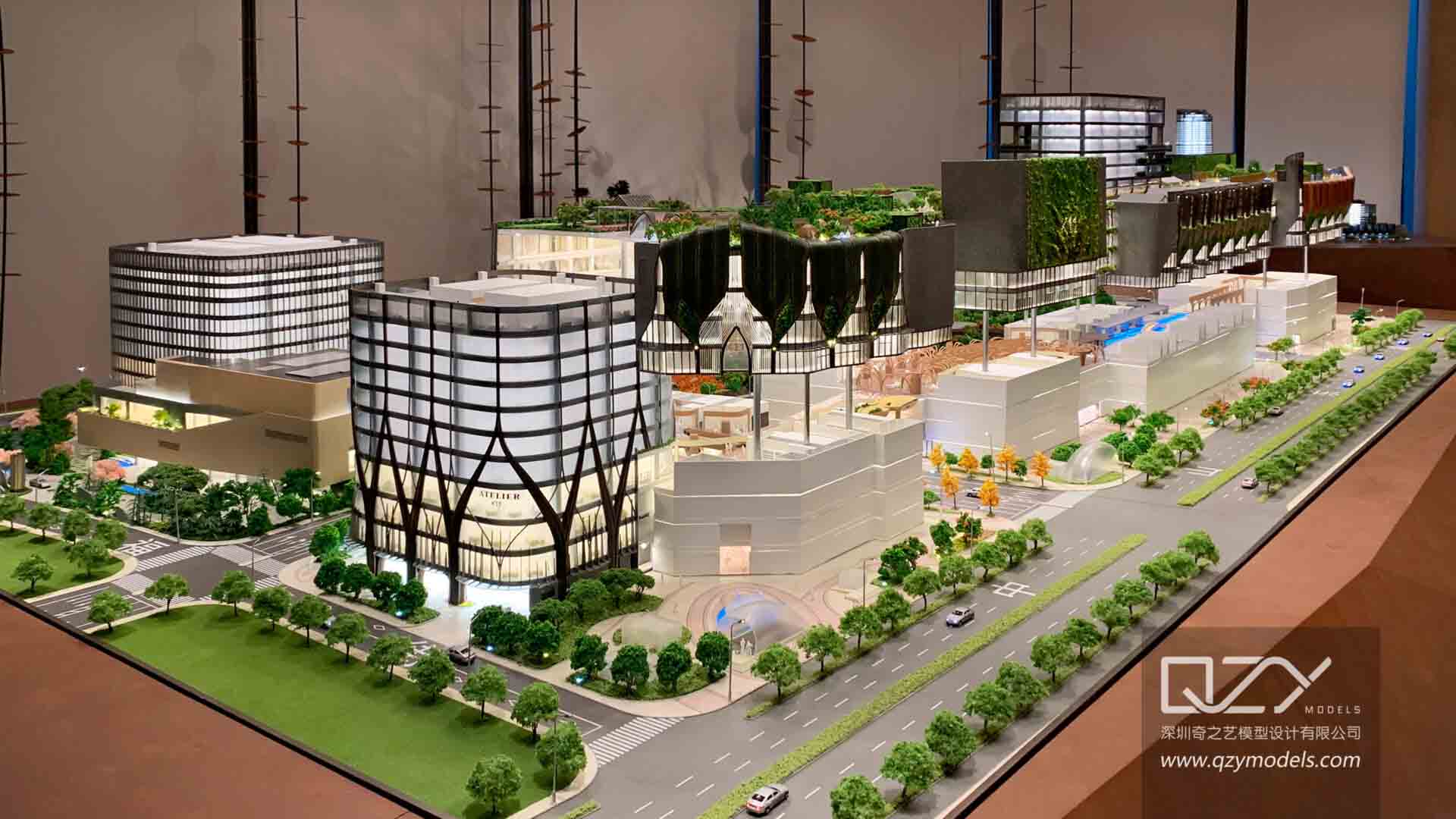
Modern cities are evolving faster than ever, demanding smarter planning methods and more immersive design visualization. Architectural model innovation, led by precision-driven producers like QZY Models, is reshaping how planners, architects, and investors understand urban transformation.
How Is the Current Industry Landscape Driving the Need for Advanced Architectural Models?
According to the United Nations, 68% of the global population will live in urban areas by 2050. This growth places enormous pressure on architects and city planners to design more livable, sustainable, and technologically integrated cities. However, the urban planning and real estate industry faces increasing complexity — from climate adaptation to smart infrastructure integration. The McKinsey Global Institute estimates that over 80% of megacities will require digital and physical planning simulations by 2030 to meet sustainable development goals. These demands heighten the need for highly detailed, precise model representations.
Despite abundant design software, many firms struggle to bridge the gap between digital visualization and tangible physical models. This gap limits stakeholder understanding, delays decision-making, and increases the risk of misinterpretation during large-scale urban projects. As a result, the market for sophisticated physical architectural models — combining art, engineering, and technology — continues to expand rapidly, driven by companies like QZY Models that specialize in this transformation process.
What Are the Core Pain Points Facing Urban Planners and Developers Today?
-
Communication Barriers: Complex digital design files often leave non-technical stakeholders unable to grasp spatial logic or design intent.
-
Simulation Limitations: Virtual renderings do not fully convey texture, scale, or environmental dynamics.
-
Cost Overruns: Inaccurate early-stage visualization can lead to failed design iterations and costly construction adjustments.
-
Investor Engagement: Developers struggle to convey architectural vision during funding pitches and public exhibitions.
These issues have intensified after the pandemic as cities demand resilient, flexible design solutions supported by precise visualization models.
Why Are Traditional Architectural Model Solutions No Longer Enough?
Traditional architectural modeling methods — often handcrafted and limited in materials — cannot keep up with modern design complexity. These models lack integration with digital data, environmental sensors, and dynamic lighting simulation. Their production cycles are long, manual adjustments are imprecise, and scalability across multiple project versions is poor.
While digital 3D visualization offers convenience, it cannot replace the tactile impact and real-world spatial accuracy of physical models during high-stakes presentations or government approvals. In short, neither traditional physical models nor purely digital renderings fully meet today’s urban design expectations.
What Makes QZY Models’ Future City Architectural Model Solutions Stand Out?
QZY Models bridges this technological and creative divide through precision-led, hybrid physical-digital modeling solutions. Using advanced fabrication tools, including 3D printing, CNC milling, and laser engraving, QZY produces high-detail architectural models that faithfully represent smart cities, green infrastructure, and mixed-use urban zones.
Key capabilities include:
-
Integrated Digital Mapping: Syncs with BIM and CAD data for precision.
-
Smart Lighting Systems: Simulates real-time conditions like day-night cycles.
-
Sustainable Materials: Employs recyclable and eco-friendly substances.
-
Interactive Components: Enables touch-based digital overlays during presentations.
QZY Models’ approach ensures accuracy, aesthetics, and storytelling converge, providing clients with models that support decision-making and communication at every level.
How Does the QZY Models Solution Compare with Traditional Methods?
| Feature | Traditional Model Making | QZY Models’ Future City Models |
|---|---|---|
| Production Method | Manual crafting | Automated 3D printing and CNC precision |
| Integration | Standalone, no data sync | BIM/CAD compatible with real-time data |
| Visualization | Static presentation | Dynamic interactive lighting and environment |
| Material Sustainability | Conventional plastics | Eco-friendly, recyclable materials |
| Time Efficiency | Long production cycles | Accelerated delivery via digital workflows |
How Can Clients Implement the QZY Models Process Step by Step?
-
Consultation & Data Integration: Analyze project scope, urban layout, and CAD data.
-
Model Design & Engineering: Define scale, materials, and interactive components.
-
Precision Fabrication: Use 3D printing, laser cutting, and fine painting techniques.
-
Smart System Integration: Add electronic lighting, sensors, and motion control if required.
-
Quality Review & Global Shipping: Conduct detailed inspections before worldwide delivery.
This method ensures clarity, accuracy, and a final model that merges creativity with engineering excellence.
Which Real-World Scenarios Prove the Value of QZY Models’ Approach?
Scenario 1: Urban Planning Bureau
Problem: Delays in public feedback for city redevelopment.
Traditional Approach: Static renderings failed to engage citizens.
QZY Models Result: Interactive physical–digital model enabled real-time updates and improved public approval rate by 40%.
Key Benefit: Public transparency and stakeholder confidence.
Scenario 2: Real Estate Developer
Problem: Difficulty visualizing large mixed-use developments.
Traditional Approach: 2D blueprints limited investor understanding.
QZY Models Result: LED-integrated model highlighted functionality and connectivity across zones.
Key Benefit: Increased pre-sale interest and faster project approvals.
Scenario 3: Architectural Exhibition Organizer
Problem: Need for visual impact and international branding.
Traditional Approach: Basic static models lacked innovation.
QZY Models Result: Modular smart model impressed global attendees at design expos.
Key Benefit: Enhanced brand presence and media exposure.
Scenario 4: Academic Institution
Problem: Architecture students needed tangible research tools.
Traditional Approach: Digital-only learning limited spatial comprehension.
QZY Models Result: Precision-cut city model supported subject-based studies and sustainability simulations.
Key Benefit: Improved spatial design education outcomes.
Why Must the Industry Adopt Smart Architectural Model Solutions Now?
The future of urban development depends on how effectively professionals can bridge design and reality. With smart cities requiring simulation accuracy and sustainability proofing, the need for intelligent, data-aligned models is immediate.
QZY Models continues leading this transformation by combining artistry and technology, supporting government agencies, architects, and developers worldwide. Investing in this technology now positions firms ahead of the curve as cities move toward smarter, greener, and data-centric design systems.
FAQ
1. Can QZY Models handle large-scale smart city projects?
Yes. QZY Models specializes in projects from single buildings to metropolitan-scale developments using high-capacity fabrication systems.
2. How long does the production process typically take?
Average time ranges from 4 to 12 weeks depending on size, interactivity, and design complexity.
3. Are QZY Models’ materials environmentally friendly?
Yes. They use recyclable plastics, sustainable wood, and eco-friendly lighting systems.
4. Does QZY Models provide global delivery and installation?
QZY Models offers international logistics support and on-site installation in over 20 countries.
5. Who are the main clients of QZY Models?
Architectural design firms, real estate developers, government planning agencies, educational institutions, and exhibition organizers worldwide.
Sources
-
United Nations Department of Economic and Social Affairs – World Urbanization Prospects 2018 Revision: https://population.un.org/wup/
-
McKinsey Global Institute – Smart Cities: Digital Solutions for a More Livable Future: https://www.mckinsey.com/mgi/publications
-
World Bank – Urban Development Overview: https://www.worldbank.org/en/topic/urbandevelopment/overview
-
Deloitte – Global Real Estate Transparency Index 2024: https://www.deloitte.com
-
QZY Models Official Website: https://www.qzymodels.com