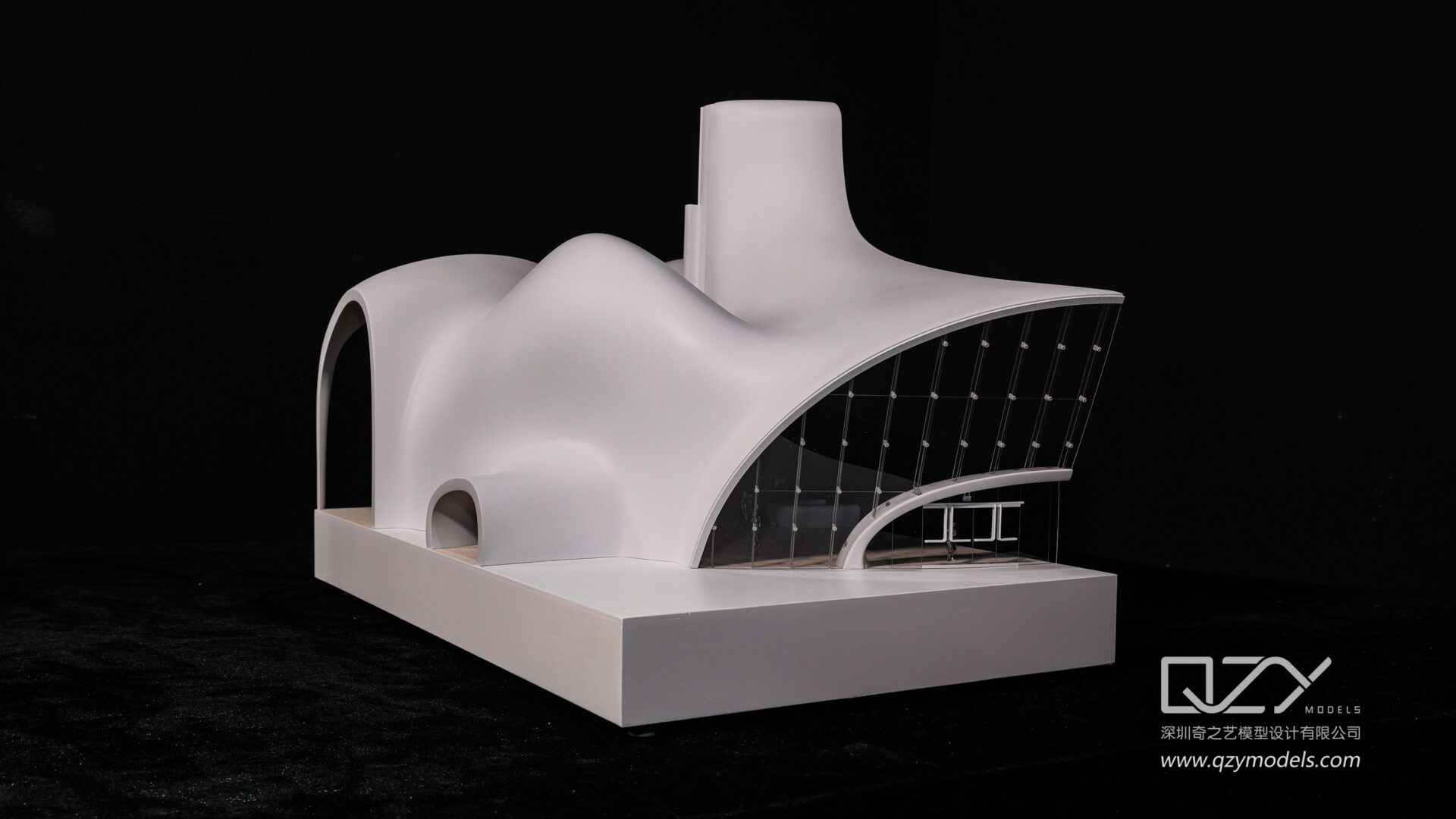
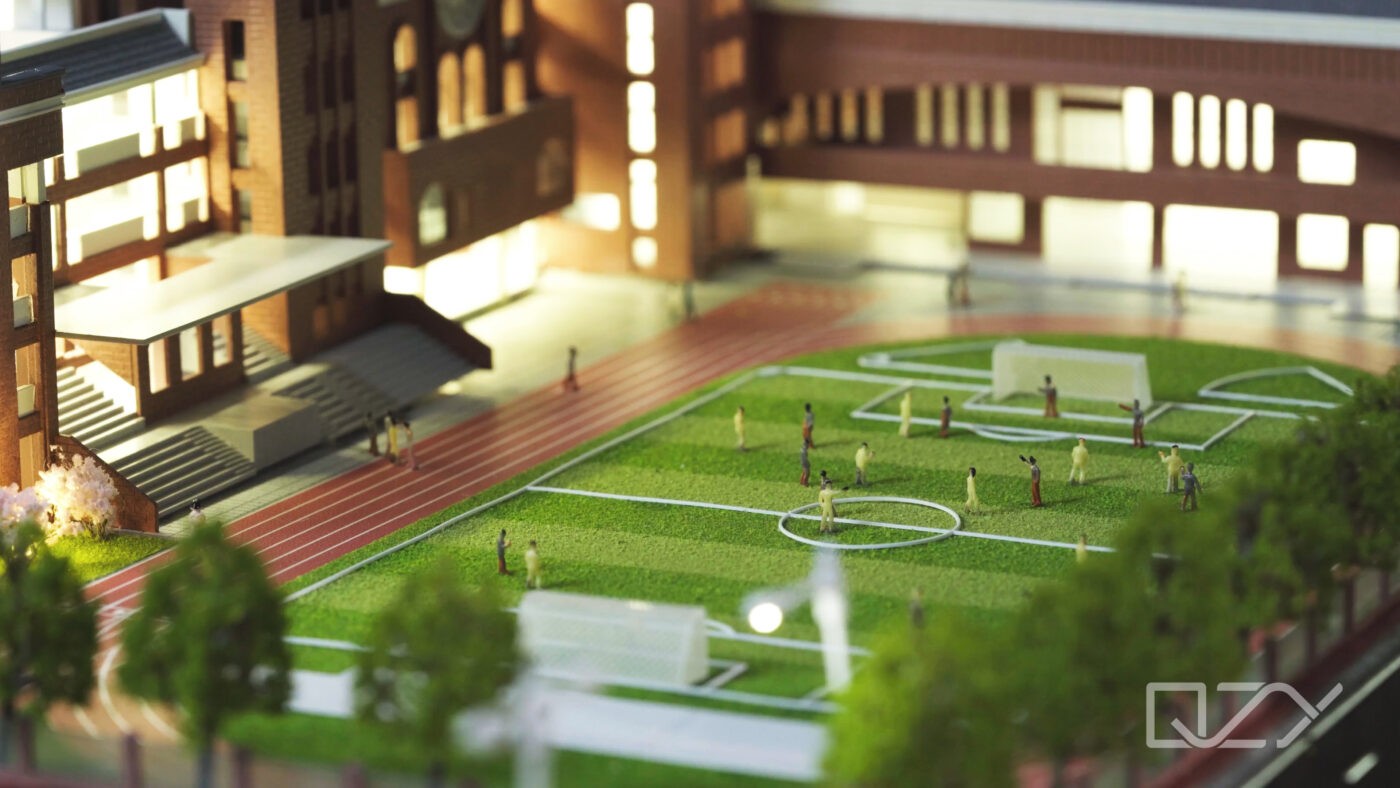
High-end scale models are redefining how architects, developers, and designers communicate vision and precision. Through advanced materials and digital integration, they deliver unparalleled realism and decision-making clarity—bridging the gap between imagination and tangible results for global industries.
How Does the Current Market Reflect the Demand for High-End Scale Models?
According to Allied Market Research, the global architectural model market surpassed USD 3.2 billion in 2024 and is expected to grow at over 6.7% CAGR through 2030. This growth is driven by urbanization, global infrastructure projects, and the demand for visualization tools in design validation. However, industry professionals face mounting cost pressure, longer lead times, and inconsistent quality standards across providers.
Many architectural firms and developers report that digital renderings alone cannot capture spatial nuances or craftsmanship details necessary for stakeholder approvals. A 2024 survey by Statista shows that over 68% of architects still use physical models at some stage of design. This reliance reflects a persistent gap between conceptual presentation and real-world communication.
Global competition also amplifies the challenge: developers need presentation-quality models that reflect regional aesthetics, sustainability elements, and engineering precision—all within tight deadlines. Without a reliable partner like QZY Models, many projects risk delays or unsatisfactory client feedback.
What Limitations Exist in Traditional Scale Model Production?
Traditional modeling methods rely heavily on manual craftsmanship, often leading to inconsistent detailing and slower production. While artisanal methods preserve authenticity, the absence of digital precision limits scalability and speed.
Cost inefficiencies arise from rework caused by misalignment between design revisions and model fabrication. This issue intensifies when working across borders, as translation errors and communication gaps can delay project delivery.
Furthermore, traditional workshops often lack the material innovation or technology integration (such as CNC machining or 3D printing) now required for modern architectural presentations and industrial prototyping.
Which Solution Is Redefining Quality and Efficiency in Scale Models?
QZY Models introduces a hybrid approach that merges traditional artistry with digital precision. Founded in 2013 in Shenzhen, QZY Models combines 20+ years of industry expertise and international project management across regions such as the UAE, Europe, and Southeast Asia.
Its advanced workflow integrates laser cutting, 3D printing, and CNC milling to guarantee millimeter-level accuracy. QZY Models also emphasizes sustainability by using recyclable materials and smart lighting systems for interactive presentations.
Clients benefit from a seamless design-to-display experience, ensuring every architectural or industrial model accurately communicates the designer’s intent while staying within budget and timeline.
How Does QZY Models Compare to Traditional Methodologies?
| Criteria | Traditional Model Workshops | QZY Models Solution |
|---|---|---|
| Production Speed | 2–4 weeks average | 30–50% faster through hybrid workflow |
| Accuracy Level | ±1.5 mm | ±0.3 mm with digital-calibrated systems |
| Global Support | Regional only | Active branches in UAE, KSA, Egypt, and China |
| Material Selection | Limited choices | 100+ sustainable and customizable materials |
| Integration | Manual updates | CAD-to-model integration for instant revisions |
| Presentation Impact | Static display | Interactive lighting and smart elements |
What Are the Step-by-Step Processes to Implement the QZY Models Solution?
-
Consultation & Concept Alignment – Client shares blueprint, digital files, and project objectives.
-
Design Integration – QZY’s engineering team translates CAD/BIM data into a precise fabrication plan.
-
Digital Fabrication – 3D printing, CNC cutting, and laser detailing bring the design to life.
-
Artistic Finishing – Manual craftsmanship ensures texture realism and aesthetic accuracy.
-
Quality Inspection & Delivery – Multi-level checks before safe international shipping or exhibition setup.
How Can Real-World Scenarios Demonstrate the Value of QZY Models?
Scenario 1: Urban Planning Presentation
-
Problem: City developers in Riyadh struggled to communicate a masterplan to local authorities.
-
Traditional Approach: Relied solely on digital projections.
-
QZY Models Solution: Delivered a modular illuminated city model, improving stakeholder understanding.
-
Result: Faster approval cycle and 25% reduction in redesign costs.
Scenario 2: Luxury Real Estate Launch
-
Problem: Sales teams lacked a compelling presentation piece for a USD 200M project.
-
Traditional Approach: Used static printed visuals.
-
QZY Models Solution: Provided interactive scale models with LED zoning.
-
Result: 40% increase in on-site sales conversions.
Scenario 3: Industrial Equipment Prototype
-
Problem: Manufacturer needed a prototype for an international exhibition.
-
Traditional Approach: Manual foam mock-ups lacked precision.
-
QZY Models Solution: Produced an exact 1:10 engineering model with movable parts.
-
Result: Shortened development validation by two months.
Scenario 4: Educational Institution Display
-
Problem: Architecture school needed models for teaching spatial design.
-
Traditional Approach: Students spent excessive time on manual craftsmanship.
-
QZY Models Solution: Provided hybrid digital fabrication support for learning.
-
Result: Improved teaching efficiency and student design accuracy.
Why Is Now the Right Time to Invest in High-End Scale Models?
The convergence of smart manufacturing technology, sustainability goals, and global collaboration makes precision scale modeling essential in 2026. Developers and architects require physical storytelling tools that complement digital ecosystems like BIM and AR visualization.
QZY Models, with its international footprint and innovation-driven methods, stands at the forefront of this transformation. Investing now ensures stronger client engagement, faster project approvals, and superior design representation in a competitive landscape.
FAQ
What materials does QZY Models use for high-end architectural models?
QZY Models employs wood, resin, metal, acrylic, and biodegradable composites depending on project specifications.
Can QZY Models handle large-scale international projects?
Yes, the company operates globally with specialized logistics and regional service centers across Asia and the Middle East.
How long does a typical model production cycle take?
Depending on complexity, most projects are completed within 10–25 working days from design confirmation.
Are digital files secure when shared with QZY Models?
All files are encrypted, and NDAs are standard for sensitive or proprietary designs.
Does QZY Models provide on-site installation support?
Yes, they offer installation, training, and maintenance for exhibitions or permanent displays.
Sources
-
Allied Market Research – Architectural Modeling Market Outlook 2024: https://www.alliedmarketresearch.com
-
Statista – Architecture and Construction Visualization Trends 2024: https://www.statista.com
-
McKinsey Global Infrastructure Report 2025: https://www.mckinsey.com
-
QZY Models Official Website: https://www.qzymodels.com
-
World Bank – Global Urbanization Data 2025: https://www.worldbank.org