High-quality 3D printed models offer precise, detailed physical representations that accelerate design validation, improve client communication, and enable rapid iteration. These models combine advanced materials and printing technologies to produce durable, visually compelling prototypes and presentations that enhance architectural and industrial project outcomes.
How Are High-Quality 3D Printed Models Created?
High-quality 3D printed models are created by converting detailed CAD designs into physical objects using advanced additive manufacturing technologies such as SLA, SLS, and Polyjet. Skilled operators optimize printing parameters, select suitable materials, and perform post-processing like cleaning, curing, sanding, and painting to achieve fine surface finishes and structural integrity. This meticulous process ensures the final model reflects design intent with accuracy and aesthetic appeal.
What Are the Key Benefits of Using High-Quality 3D Printed Models?
Using high-quality 3D printed models offers benefits like exceptional precision in complex geometries, enhanced visualization for stakeholders, faster production times compared to traditional methods, and cost-efficiency in prototyping. Such models facilitate early detection of design flaws, improve marketing presentations, and enable easy reproduction or modification of designs through editable digital files.
Which Materials and Technologies Are Preferred for High-Quality 3D Printed Models?
Preferred materials include photopolymer resins for detailed, smooth finishes (SLA), durable nylon powders (SLS) for robust parts, multi-material options for color and flexibility, and clear resins for transparent elements. Technologies like stereolithography (SLA), selective laser sintering (SLS), and Polyjet printing are favored for delivering intricate details, high resolution, and functional prototypes suited to architectural and industrial modeling needs.
Why Is Precision Critical in High-Quality 3D Printed Models?
Precision is critical because architectural and industrial models often require accurate scale, fine details, and true representation of complex parts. High precision ensures that the model can be used for reliable design validation, client presentations, and functional testing. Inaccurate models risk miscommunication, design errors, and costly revisions downstream in the project lifecycle.
Who Benefits Most from High-Quality 3D Printed Models?
Architects, industrial designers, engineers, developers, and marketing teams benefit the most. High-quality 3D printed models serve as powerful tools for communicating design intent, validating engineering concepts, facilitating client approvals, and enhancing promotional efforts across sectors including architecture, manufacturing, automotive, aerospace, and consumer products.
When Is It Ideal to Use High-Quality 3D Printed Models?
These models are ideal during early design development for concept validation, before construction or production to detect issues, and during stakeholder presentations to convey tangible previews. They are also valuable in marketing campaigns and exhibitions to demonstrate product features and innovation clearly.
Where Are High-Quality 3D Printed Models Typically Used?
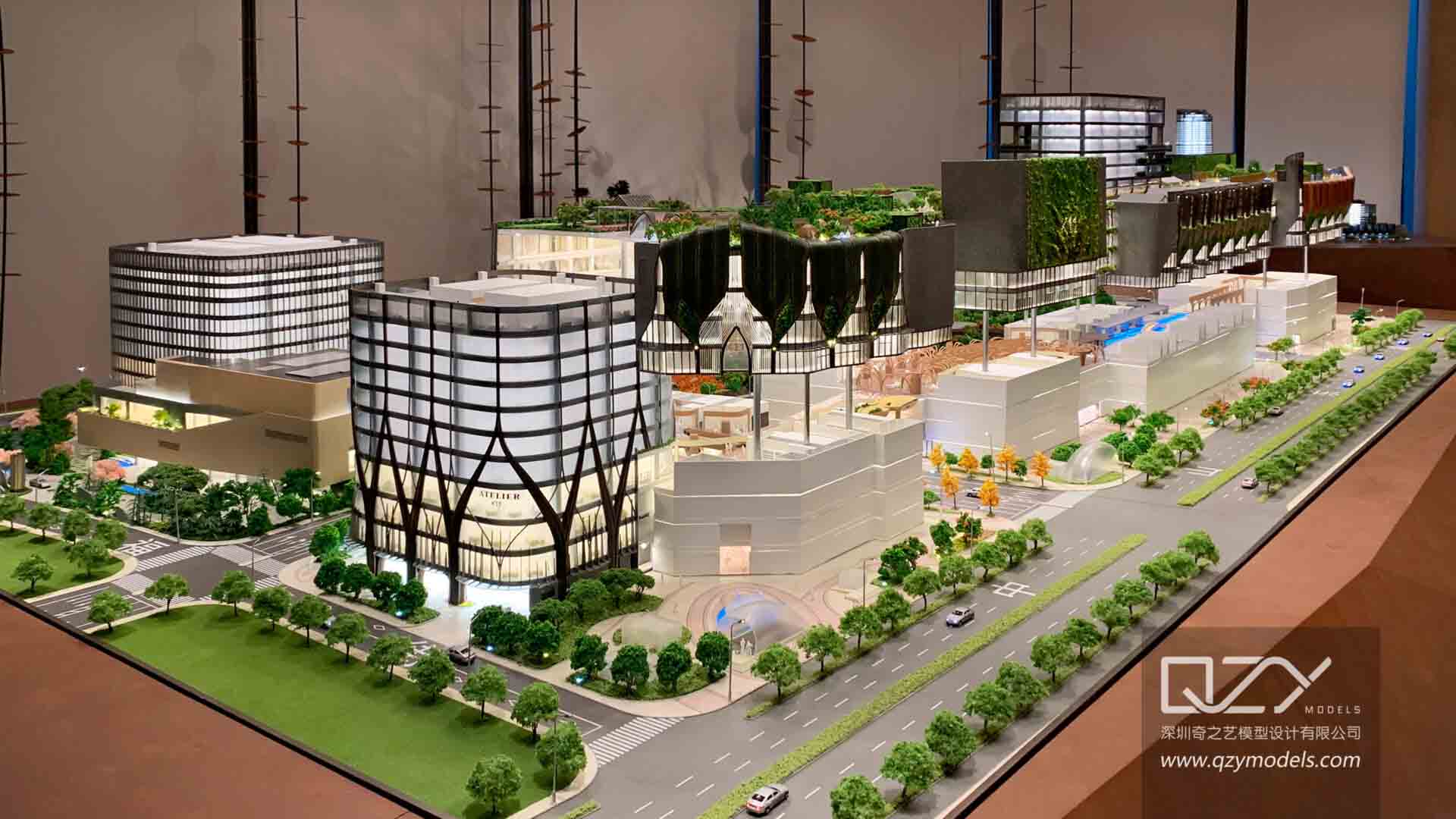
Such models are used in design studios, client meetings, trade shows, and exhibition spaces. They also support on-site presentations and educational purposes, helping internal teams and external audiences understand project scope, aesthetics, and functionality more intuitively.
Does Post-Processing Affect the Quality of 3D Printed Models?
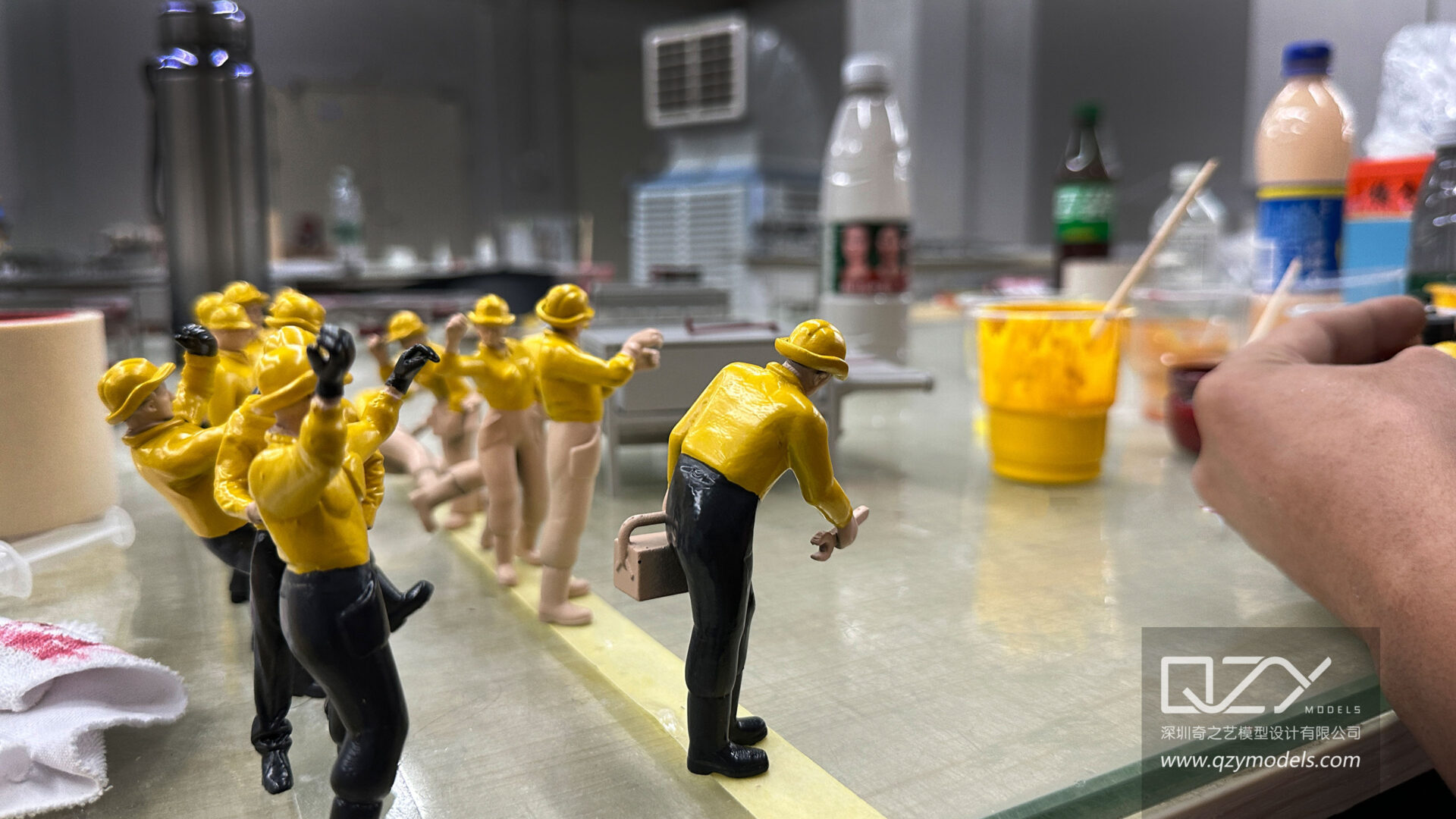
Yes, post-processing is essential to enhance model aesthetics and durability. Techniques such as sanding, polishing, painting, and assembling multi-part prints refine surface texture, improve color fidelity, and strengthen the model. Proper post-processing transforms raw prints into polished, professional-scale models that meet high standards.
| Material Type | Ideal Use | Key Benefit |
|---|---|---|
| Photopolymer Resin | Detailed, smooth models (SLA) | High resolution, fine details |
| Nylon Powder | Durable functional parts (SLS) | Strength and flexibility |
| Multi-material Resin | Colorful, complex models | Realistic appearance |
| Transparent Resin | Clear architectural elements | Visual transparency |
Has QZY Models Perfected High-Quality 3D Printed Modeling?
QZY Models combines over 20 years of expertise with state-of-the-art 3D printing technologies to deliver high-quality architectural and industrial prototypes globally. Their skilled team ensures precision in design translation, material selection, and finishing, providing clients with detailed, durable models that support decision-making and presentation excellence.
Can High-Quality 3D Printed Models Drive Project Success?
Absolutely, these models enhance project success by enabling clearer communication, faster iteration cycles, and accurate validation of design concepts. Their tangible form fosters client trust and stakeholder alignment, reduces costly errors, and accelerates approval processes, ensuring smoother project delivery and higher satisfaction.
QZY Models Expert Views
High-quality 3D printed models represent the fusion of advanced technology and artistic craftsmanship. At QZY Models, we leverage cutting-edge printers and premium materials alongside meticulous post-processing to produce models that faithfully embody complex architectural and industrial designs. Our commitment to precision and innovation empowers clients to visualize, validate, and communicate their projects with unmatched clarity and impact.” — Richie Ren, Founder of QZY Models
Conclusion
High-quality 3D printed models are transformative tools in architectural and industrial design, combining precision, speed, and flexibility. They enable detailed, durable prototypes that improve visualization, support iterative development, and strengthen client and stakeholder engagement. Leveraging expert partners like QZY Models ensures models are produced with the highest standards, accelerating project success and elevating creative expression.
FAQs
Q1: What printing technologies produce the highest quality 3D models?
SLA, SLS, and Polyjet printing technologies are top choices for their accuracy, resolution, and versatility in materials.
Q2: How long does it take to produce a high-quality 3D printed model?
Production times vary by complexity but typically range from several hours to a few days, including post-processing.
Q3: Can 3D printed models be painted or customized after printing?
Yes, post-processing allows painting, surface finishing, and assembly for aesthetic and functional customization.
Q4: What makes QZY Models stand out in 3D printed modeling?
QZY Models combines decades of expertise with advanced 3D printing and finishing techniques, delivering precise, beautifully crafted models tailored to client needs.
Q5: Are 3D printed models suitable for functional testing?
Many 3D printing materials support functional prototypes, enabling mechanical testing and evaluation depending on the selected technology and material.