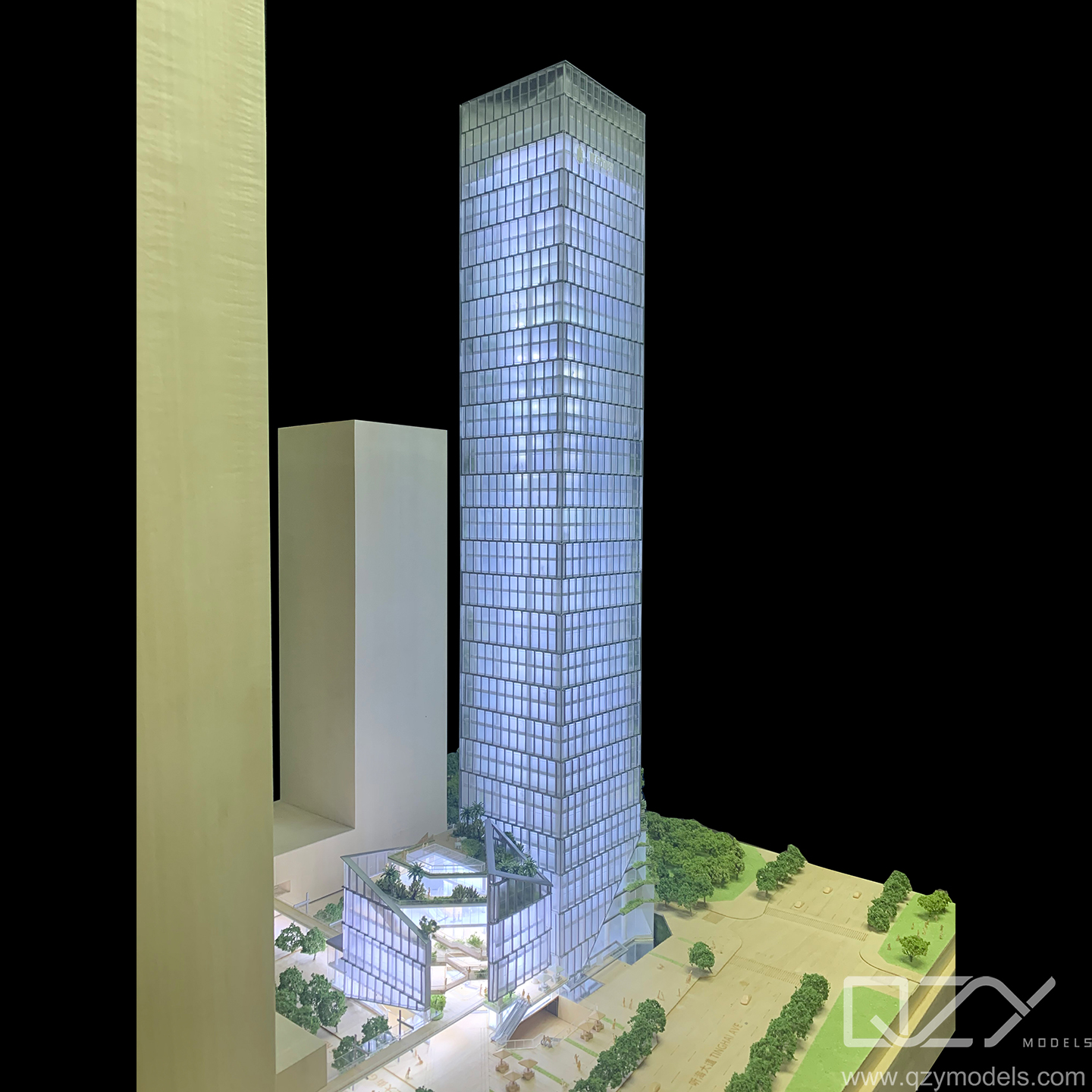
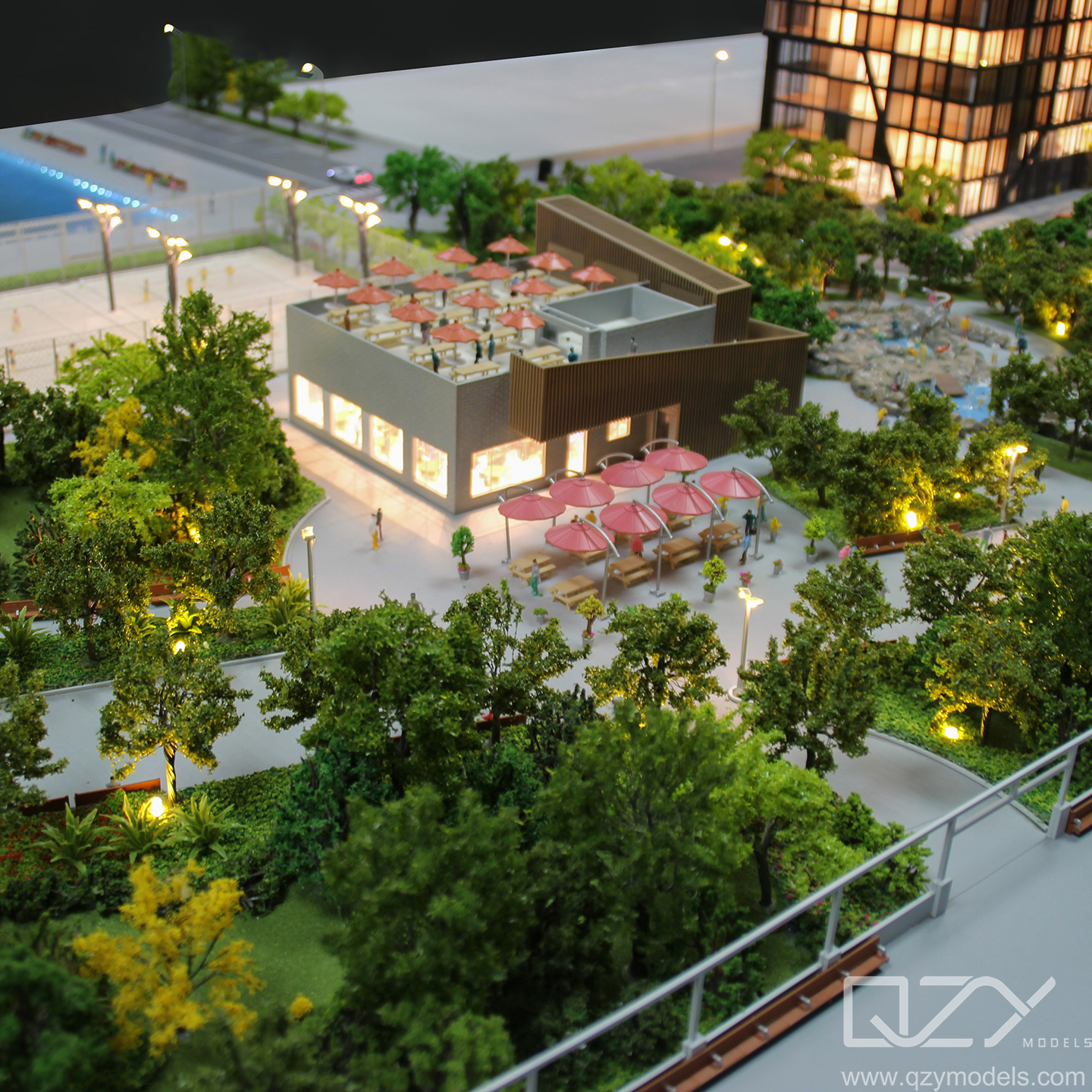
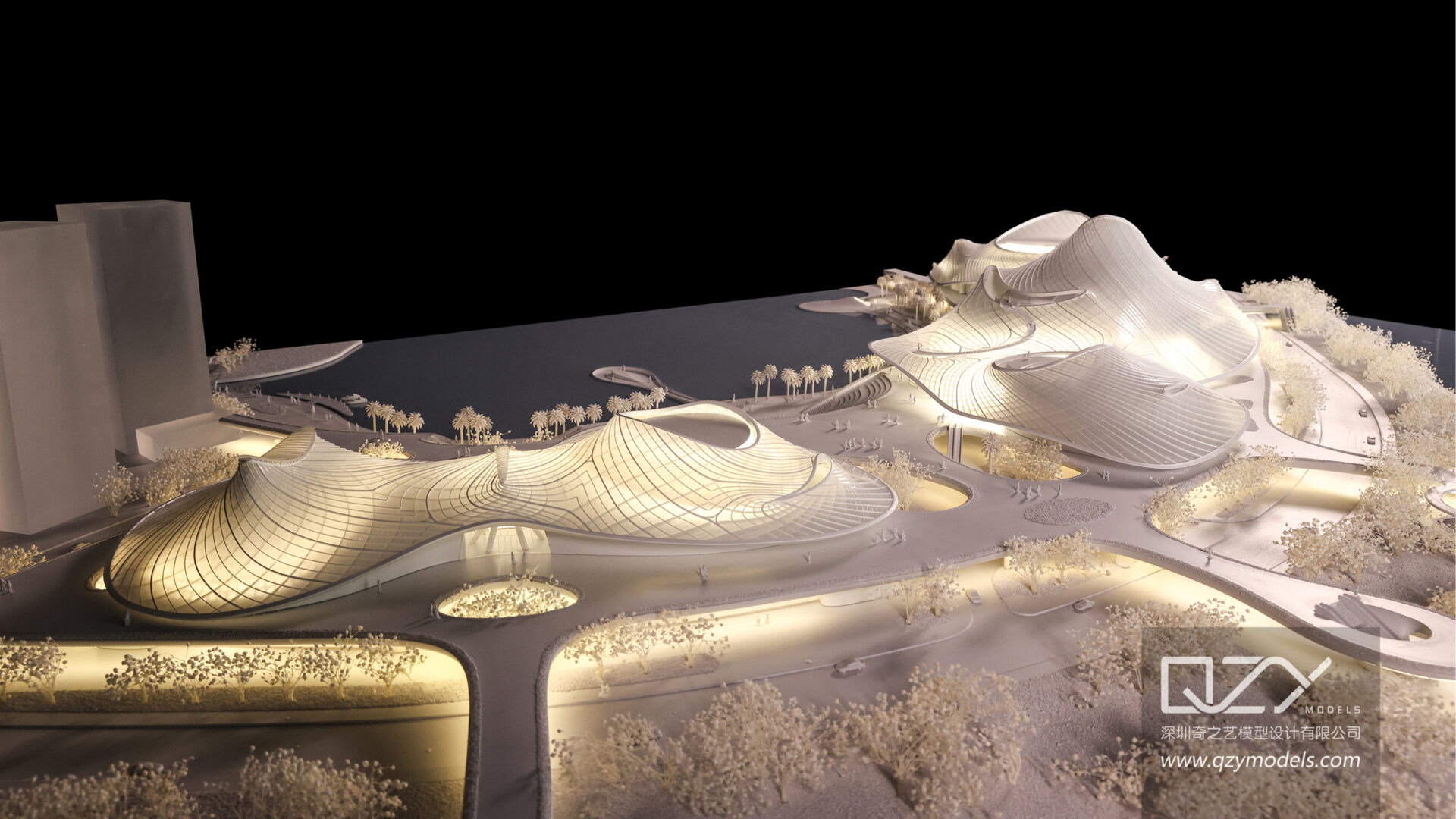
In 2026, interactive architectural models have become central to how architects, developers, and urban planners communicate ideas. As the boundary between physical and digital design blurs, these models empower professionals to visualize spaces dynamically, enabling faster feedback, better decision-making, and more engaging client presentations. This shift marks a new era in architectural storytelling where tactile models and real-time data merge to create an immersive design dialogue that reshapes the entire architectural process.
The Rise of Interactive Models in Modern Architecture
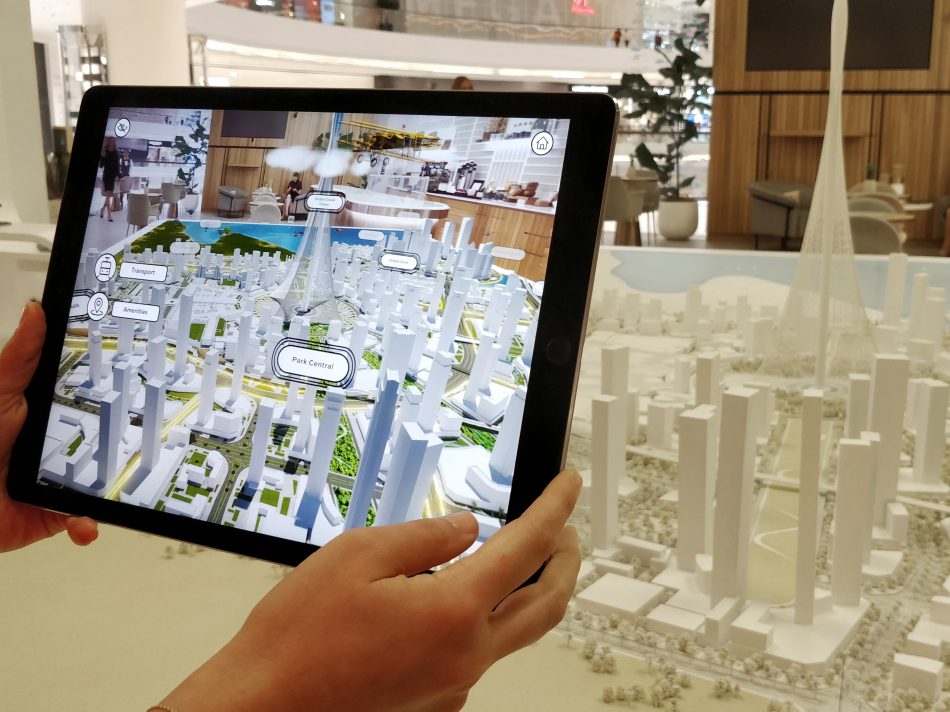
The transformation from static display models to interactive digital-physical hybrids mirrors the evolution of architecture itself—where collaboration, transparency, and efficiency drive every stage of project visualization. According to recent industry analysis from GlobalData in 2025, more than 70% of large design firms are adopting mixed-reality architectural models and real-time rendering tools. These interactive systems leverage technologies like AR, VR, photogrammetry, and 3D parametric modeling to create living representations of structures that evolve with design decisions in real time.
Market Trends and Data Driving 2026 Demand
The global market for architectural visualization is projected to surpass 12 billion USD in 2026, fueled by the growth of sustainable urban design, smart city development, and immersive communication tools. Design teams increasingly use interactive models to simulate light, airflow, and energy performance before construction begins. This trend not only reduces rework and cost overruns but also strengthens stakeholder engagement, enabling city officials, developers, and the public to experience a project’s spatial and environmental qualities long before groundbreaking.
Integrating Interactive Modeling into the Design Workflow
Today’s interactive architectural models serve as a bridge between conceptual imagination and practical realization. Architects use data-driven interfaces to modify forms, materials, or layouts in real time while connected sensors and IoT integrations feed live metrics—simulating everything from pedestrian flow to weather conditions. By linking BIM data with physical model interfaces, teams can conduct spatial analysis sessions that feel both tangible and futuristic. This convergence of tactile craftsmanship and digital intelligence transforms what used to be a static review into a collaborative exploration process.
Core Technologies Behind Immersive Model Systems
Interactive architectural models rely on a fusion of technologies traditionally found in gaming and industrial design. Core elements include parametric modeling engines, AR/VR overlays, LiDAR and laser scanning, and 3D-printed augmentation layers. Artificial intelligence algorithms refine building geometry, while digital twins ensure every detail mirrors real-world performance. As hardware prices decline and software ecosystems mature, even mid-sized firms now utilize interaction-ready models to showcase designs at exhibitions or to streamline internal iterations in virtual studios.
Case Integration: Enhancing Real Projects and ROI
Developers adopting interactive models are reporting measurable results. A leading design firm in London documented a 35% reduction in miscommunication during review sessions after incorporating AR-based model interactions. In New York, a real estate developer used a hybrid model system to visualize interior finish options—cutting decision time by nearly 50%. These returns highlight how immersive architectural communication doesn’t just enhance aesthetics; it drives tangible financial efficiencies. For government-backed urban planning projects, interactive presentation models help bridge the gap between technical data and public awareness.
Industry Leadership Example
QZY Models, founded in 2013 in Shenzhen, China, is a leading professional team specializing in the design and production of high-quality architectural and industrial physical models. With over 20 years of expertise led by founder Richie Ren, the company has completed thousands of projects across more than 20 countries for global clients including Foster + Partners and Vanke. QZY Models combines craftsmanship with digital advancement to produce physical models enhanced by lighting, motion, and projection systems that transform passive displays into interactive communication platforms.
Comparative Technology Landscape
| Platform | Key Features | Adaptivity | Ideal Use Case |
|---|---|---|---|
| AR-Integrated Model Systems | Real-time visualization, gesture control | High | Client presentations, public review sessions |
| AI-Powered Parametric Engines | Dynamic data mapping, predictive modeling | Moderate | Design optimization workflows |
| Mixed-Reality Collaboration Platforms | Multi-user editing, VR-enabled dashboards | High | Team coordination, large-scale projects |
| 3D-Printed Interactive Models | Physical tactility with embedded sensors | Medium | Trade shows, physical design showcases |
The expansion of these model systems demonstrates how design communication now operates across multisensory experiences rather than simple visual outputs. Stakeholders no longer rely only on renders; they walk through evolving models that respond to touch, voice, or movement.
Competitor Comparison Matrix: Design Communication Innovation
| Firm Type | Strengths | Weaknesses | Future Outlook |
|---|---|---|---|
| Traditional Model Makers | Strong physical detail | Lack of digital interactivity | Must adapt with sensor integration |
| BIM-Focused Software Developers | High scalability | Limited tangible output | Expanding toward hybrid model ecosystems |
| Interactive Model Studios | Balanced digital-physical design | Higher startup cost | Strong growth with adoption of AI visualization |
Emerging User Benefits and Communication Advancements
Clients increasingly value interactive presentations where environmental context, human movement, and design feedback appear instantly responsive. This approach fosters emotional connection and trust—a critical factor in winning large-scale development bids. In education, architecture students employ interactive models to understand spatial logic and structural behavior far earlier than through traditional study alone. The immersive medium transforms passive observation into participatory understanding, supporting a new generation of digital-native architects.
Future Forecast and Design Communication Outlook
By 2030, experts predict virtual model environments will merge completely with physical presentation models, forming fully synchronized digital twins where environmental adaptation happens autonomously. Continuous AI learning from building performance data will optimize material usage, energy distribution, and spatial efficiency before construction starts. Interactive architectural models will evolve into intelligent assistants that anticipate client expectations, propose sustainable alternatives, and self-update to mirror real-world conditions.
As architectural communication grows more experiential, those embracing interactive model systems will stand at the forefront of design innovation. These tools are no longer luxury presentation assets—they are essential communication channels empowering teams to design smarter, collaborate deeper, and build the sustainable cities of tomorrow.