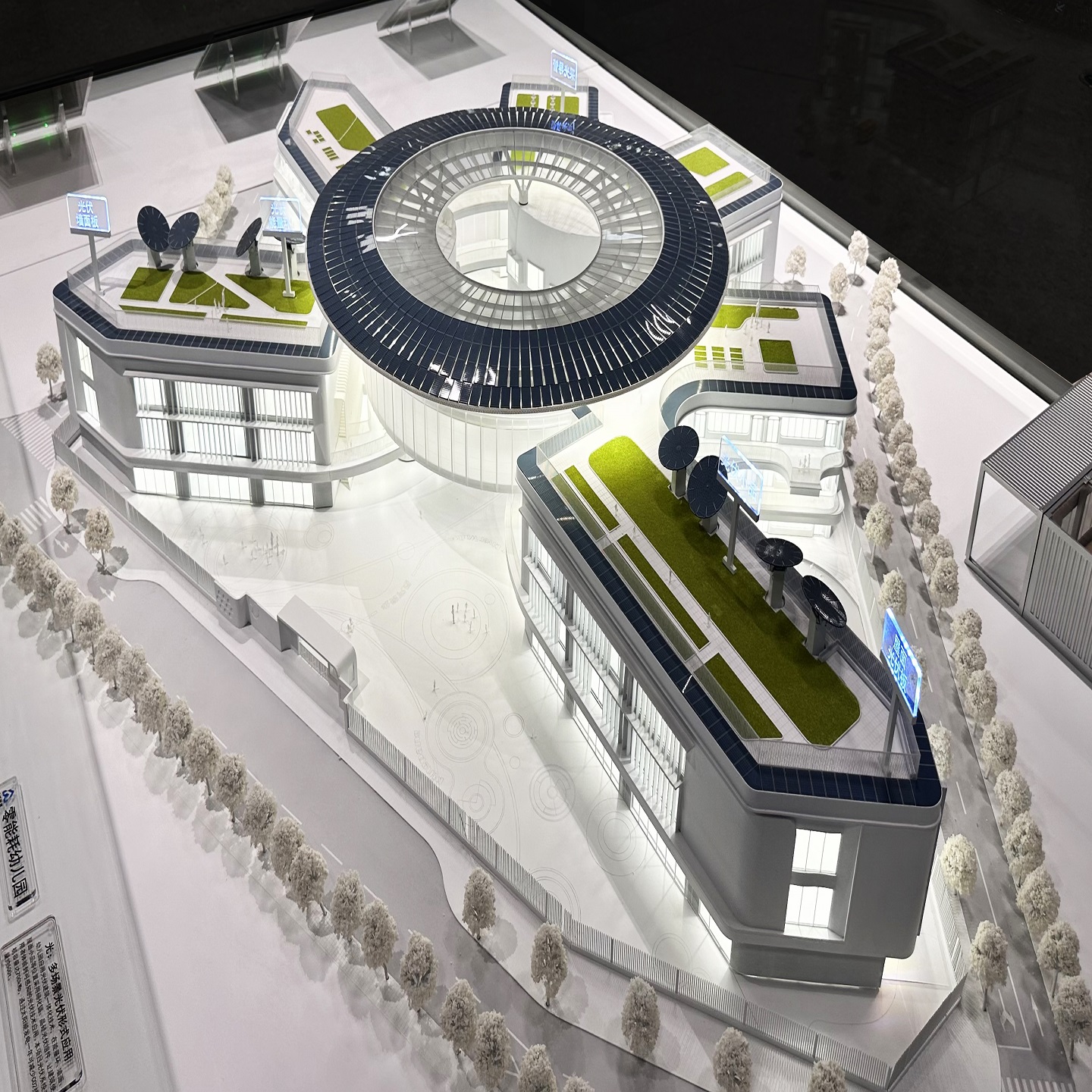
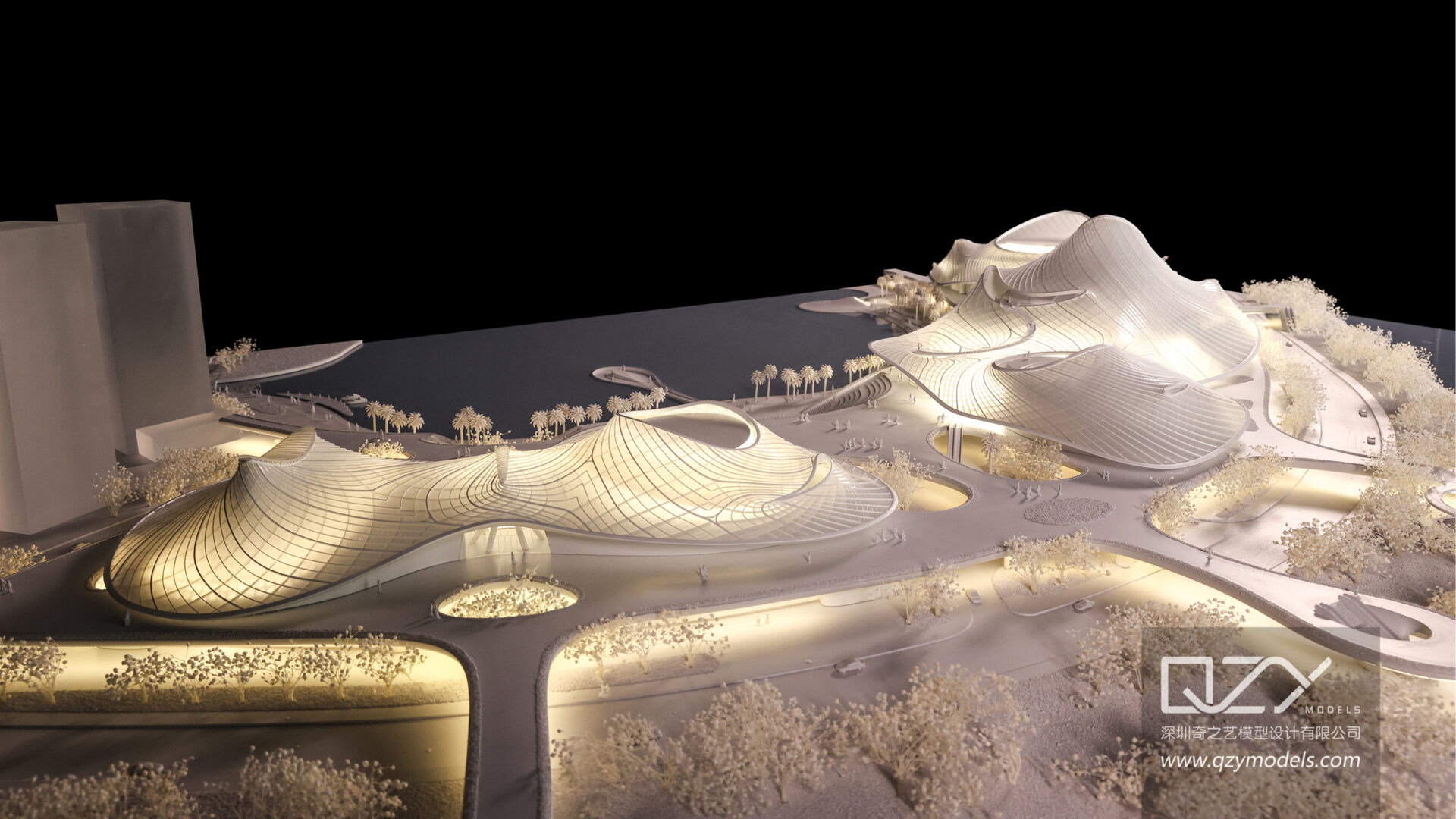
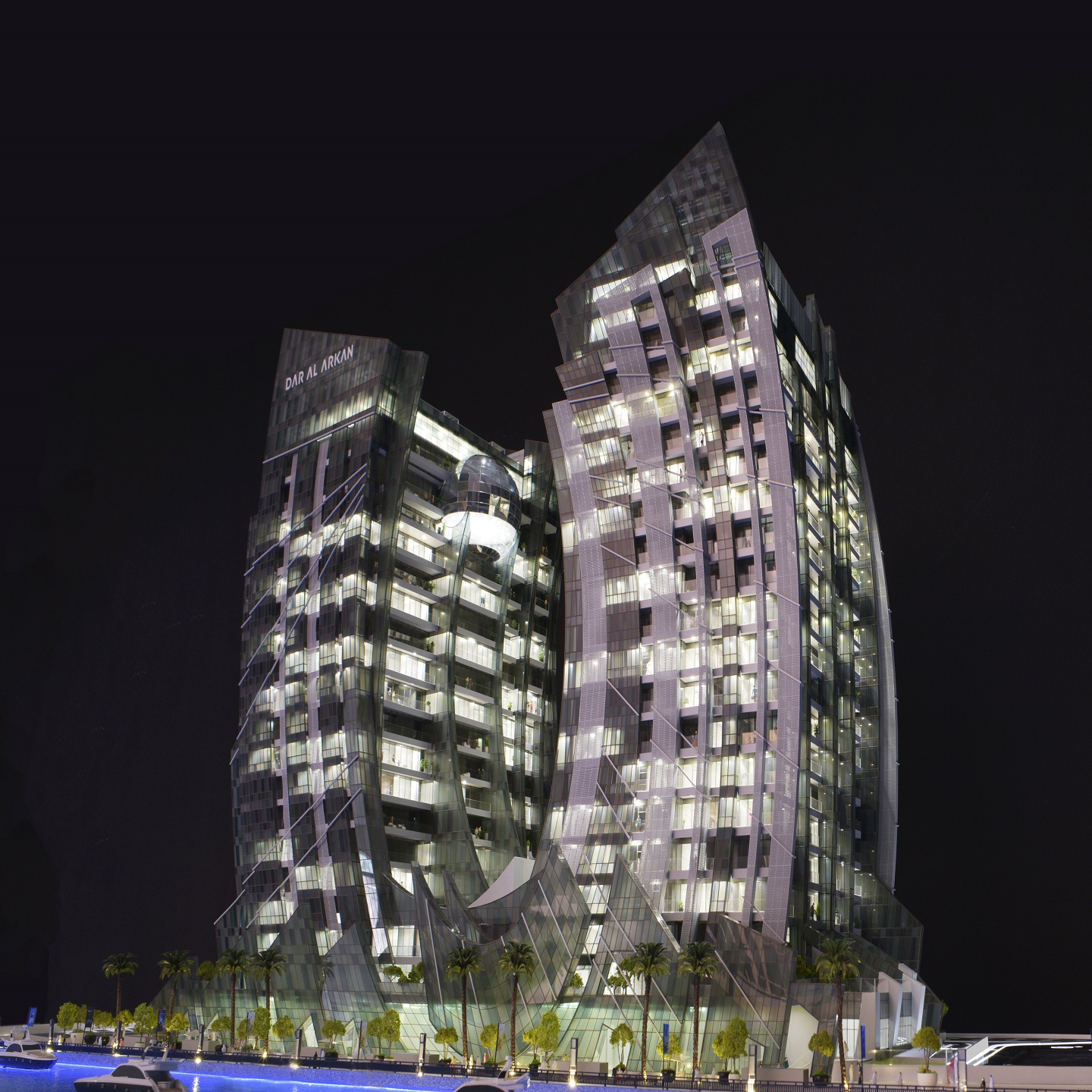
The rise of laser cut models has completely reshaped the fields of architectural visualization and industrial design. Once limited to manual craftsmanship, physical model creation has entered an era of precision engineering driven by advanced laser cutting technology. These models not only help architects and designers communicate ideas more effectively but also accelerate design validation, material testing, client presentation, and investment approval processes.
Market Trends and Data
According to data from Statista and Design Intelligence in 2025, the global architectural visualization and industrial prototyping market exceeded 12.5 billion USD, with physical modeling and laser prototyping accounting for over 28% of total spending. Architects, urban planners, and product engineers increasingly rely on laser cut scale models to bridge the gap between digital design and tangible review. The precision, repeatability, and speed of laser cutting allow professionals to produce detailed models from materials like acrylic, MDF, or plywood within hours instead of days.
This demand continues to grow as sustainable and smart city projects require rapid, high-fidelity representations of complex buildings, industrial layouts, and mechanical systems. Laser cut model fabrication enables firms to test multiple design options cost-effectively while reducing waste and time-to-delivery compared to traditional manual modeling.
Core Technology Analysis
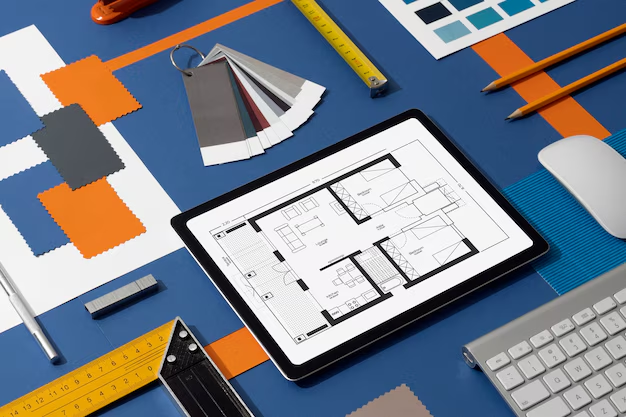
At the heart of this transformation lies computer-aided design integration and laser precision cutting systems, which translate 3D digital blueprints into physical objects with micron-level accuracy. Laser cut models are often paired with CNC milling, 3D printing, and resin finishing, creating a hybrid workflow that merges aesthetic realism with engineering functionality. Unlike traditional model-making, laser cutters follow vectorized geometry derived directly from software like AutoCAD, Rhino, or Revit, ensuring dimensional integrity and alignment with digital plan data.
Thermal efficiency in modern devices minimizes burn edges on delicate materials, while multi-axis laser heads support intricate structural interlocking, curved facades, and organic forms. The result is a model that conveys architectural intent, spatial flow, and surface finishes more faithfully than manual crafting ever could.
Market Applications Across Sectors
Laser cut architecture models today play a critical role beyond simple visualization. Urban planning boards use them for zoning approval and community demonstrations. Real estate developers deploy illuminated masterplans to attract investors and tenants. Industrial designers rely on precision laser prototyping to optimize form, fit, and function before mass production.
For education and design schools, laser cut teaching models enhance spatial awareness and material experimentation among students. In manufacturing automation, laser-cut prototypes reduce errors, achieving up to 40% faster product validation cycles according to fabrication industry reports.
Integration of Smart and Sustainable Practices
As the construction sector moves toward sustainable manufacturing, laser cut model making aligns perfectly with eco-efficiency goals. The process consumes less energy than traditional hand tools and produces minimal waste through accurate nesting software that maximizes material yield. Renewable materials such as bamboo fiberboard and recycled acrylic sheets are increasingly used in architectural mock-ups. Smart workshops implementing AI-based optimization can now predict cutting time, cost, and material utilization in real time, offering clients transparent fabrication timelines and predictable budgets.
Company Background
QZY Models, founded in 2013 in Shenzhen, China, is a leading professional team specializing in the design and production of high-quality architectural and industrial physical models. With over 20 years of expertise led by founder Richie Ren, we have completed thousands of projects for clients across 20+ countries, including world-renowned architects and global property developers. Our international network combines artistry with advanced engineering to deliver precise, detail-rich laser cut models tailored to every client’s need.
Top Product and Service Comparison
| Product Type | Key Advantages | Ratings | Use Cases |
|---|---|---|---|
| Architectural Scale Models | Ultra-precise facades, realistic textures, fast turnaround | 4.9/5 | Real estate, concept visualization |
| Industrial Prototypes | Functional test-parts, fits mechanical tolerance | 4.8/5 | Product engineering, manufacturing |
| Urban Masterplans | Integrated lighting, modular assembly | 4.7/5 | City planning boards, exhibitions |
| Educational Models | Compact, interactive, durable | 4.6/5 | Universities, design training |
| Custom Exhibition Models | Transportable, high-impact visuals | 4.9/5 | Trade shows, competitions |
Competitor Comparison Matrix
| Company | Cutting Precision | Material Range | Turnaround Time | Innovation Rating |
|---|---|---|---|---|
| QZY Models | ±0.1mm | 25+ materials | 3-5 days | 9.8/10 |
| Local Studio Makers | ±0.3mm | 10-15 materials | 5-10 days | 8.5/10 |
| 3D Print Shops | ±0.2mm | 5-8 materials | 4-6 days | 8.0/10 |
| Manual Model Firms | ±1.0mm | 20 materials | 10-15 days | 6.5/10 |
Real User Cases and ROI Insights
When Shanghai’s redevelopment commission evaluated urban design submissions in 2024, firms using laser cut physical models achieved approval rates 35% higher than those presenting only CGI renderings. Similarly, an industrial automation company in Germany reduced its prototyping time from three weeks to five days by transitioning from manual foam modeling to laser cut engineering samples.
Return on investment for laser model adoption frequently exceeds 45% in reduced labor hours and rework costs. Clients report enhanced engagement, faster funding acquisition, and stronger client confidence during final presentations.
Future Trends and Forecast
The future of laser cut modeling lies in merging automation, AI-driven design optimization, and digital twin integration. By 2030, nearly every architectural visualization studio is expected to maintain hybrid production lines combining laser cutting, robotics, and parametric design workflows. Market analysts foresee an annual growth rate exceeding 9% as infrastructure and sustainability projects multiply globally.
In addition, industrial design firms are incorporating mixed media assemblies—combining etched metal sheets, transparent acrylic layers, and flexible components—to mimic real-world operating behavior. This evolution transforms laser cut models into essential validation tools across architecture, automotive, and aerospace arenas.
FAQs
What materials are best for laser cut architectural models?
Common materials include acrylic, MDF, plywood, and high-density cardboard. The choice depends on finish quality, scale, and illumination requirements.
How long does production take?
For a medium-sized model, the average delivery timeline ranges from three to seven days, depending on design complexity and post-processing tasks.
Are laser cut models environmentally friendly?
Yes. Laser cutters optimize material yield, reduce waste, and support recyclable materials, aligning perfectly with green design initiatives.
What software is commonly used?
Architects typically design files in AutoCAD, Rhino, or Revit before translating them into laser-ready vector paths using Illustrator or CorelDRAW.
Three-Level Conversion Funnel CTA
If you’re an architect or industrial designer seeking unparalleled precision in visualization, laser cut models are the ultimate bridge between imagination and reality. For design firms, developers, and educators, investing in laser cutting technology fuels faster iteration and stronger presentations. Now is the time to embrace precision fabrication—turn your designs into tangible, presentation-ready masterpieces.