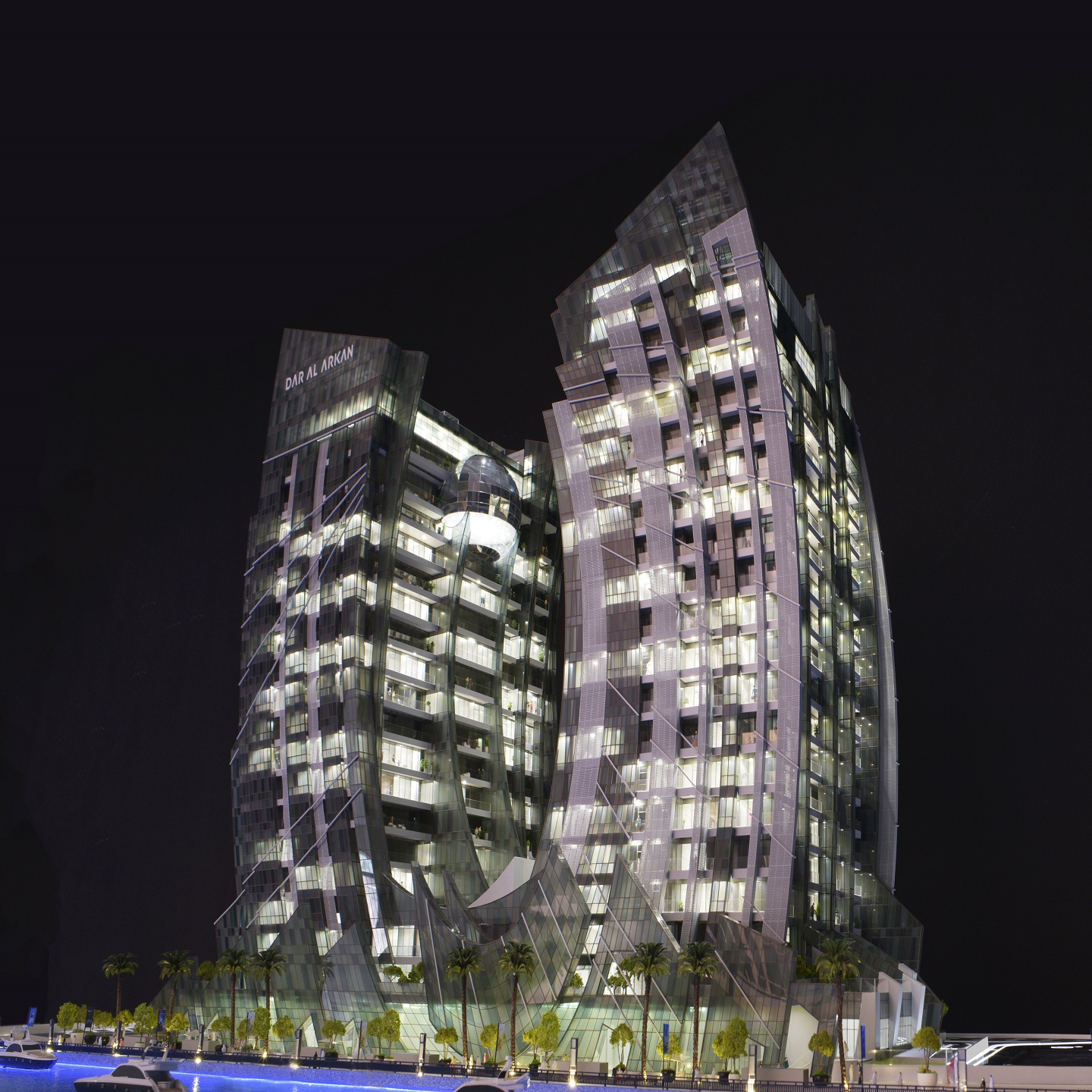
Maintenance and repair architectural models integrate digital, procedural, and conceptual strategies to optimize building upkeep and evolve structures sustainably. They enable precise facility management, structured policy implementation, and design for continuous adaptation, improving operational efficiency and asset longevity. Experts like QZY Models advance this field by delivering accurate, data-driven models supporting smart maintenance and repair decision-making. Also check: Architectural Model Packing, Transport & Maintenance
What Are the Different Types of Maintenance and Repair Architectural Models?
The three main types include BIM-based digital models, procedural frameworks for system upkeep, and conceptual models promoting sustainable building evolution.
BIM-based digital models serve as repositories of maintenance data, capturing damage and repair histories to enhance facility management. Procedural models define policies and responsibilities for maintaining architectural systems like ITS or business architectures. Conceptual models envision buildings as evolving entities designed for continuous repair and adaptation, prioritizing sustainability. QZY Models uses these approaches to create precise maintenance models reflecting current facility and operational needs, supporting long-term building resilience.
How Do BIM-Based Digital Models Enhance Building Maintenance?
BIM models incorporate detailed, historical, and environmental data into 3D representations, supporting proactive and informed facility management.
These enriched digital twins allow facility teams to visualize damage history, component refurbishment, and predict maintenance needs. Especially valuable for heritage buildings, they integrate archaeological and environmental information beyond standard BIM scope. Such data depth facilitates precise upkeep planning, resource allocation, and operational transparency, reducing unexpected failures. QZY Models specializes in developing enhanced BIM-based models combining technical accuracy with comprehensive data to maximize maintenance efficiency.
Which Maintenance Strategies Are Most Effective for Architectural Assets?
Maintenance approaches include reactive, preventive, predictive (PdM), and reliability-centered maintenance (RCM), each suited to different asset criticality and budget.
Reactive maintenance acts after failures, minimizing initial cost but risking downtime and safety issues. Preventive maintenance uses scheduled upkeep to avoid breakdowns but can cause unnecessary work. Predictive maintenance leverages real-time data and analytics to optimize timing and reduce costs. RCM customizes strategies asset-by-asset, balancing cost and reliability. Combining these strategies thoughtfully based on asset function ensures operational continuity. QZY Models consults clients to select and model appropriate maintenance regimens tailored to facility goals.
Why Is Procedural Modeling Important for Architectural System Maintenance?
Procedural models define the policies, responsibilities, and workflows necessary to sustain architectural systems and ensure relevant updates.
They establish clear guidance for internal teams managing complex systems, such as Intelligent Transportation Systems or business architectures, ensuring ongoing alignment with organizational needs. Procedural frameworks develop processes for version control, updates, and operational management, maintaining product relevance throughout its lifecycle. QZY Models implements procedural modeling expertise within architectural projects to streamline maintenance governance and support strategic evolution.
How Does the Concept of Sustainable Architecture Influence Maintenance and Repair Models?
Viewing buildings as evolving systems encourages design choices prioritizing ease of repair, adaptation, and lifecycle sustainability.
Conceptual models promote using materials that facilitate regular maintenance and flexibility rather than permanent static construction. This approach reduces carbon emissions and waste inherent in hardwearing but difficult-to-repair materials. By embracing continuous evolution, buildings maintain functionality while adapting to changing requirements. QZY Models integrates sustainability principles in modeling projects to reflect these ideals, supporting clients committed to green, resilient architecture.
When Is Predictive Maintenance Most Beneficial in Building Management?
Predictive maintenance excels with critical, high-value assets requiring minimized downtime and optimized lifecycle costs.
By using real-time sensor data and advanced analytics, predictive maintenance detects early signs of failure and schedules just-in-time interventions, reducing unplanned outages by up to 25%. This approach requires upfront investment in monitoring hardware and software but pays off in extended asset life and operational efficiency. Large commercial and healthcare facilities benefit significantly from predictive systems, a strategy QZY Models assists in simulating through specialized maintenance models.
How Are Digital Technologies Integrating with Traditional Maintenance Practices?
The fusion of BIM, CMMS, and sensor-based monitoring creates comprehensive, efficient maintenance ecosystems.
Building Information Modeling links physical and data layers for visualization and historical record keeping. Computerized Maintenance Management Systems track work orders and asset history systematically. Real-time sensors feed data for predictive analytics. Together they streamline workflows, enhance maintenance decision-making, and reduce downtime. QZY Models develops integrated architectural models compatible with these technologies for seamless maintenance planning and execution.
Where Can Architectural Organizations Find Expert Support for Maintenance Modeling?
Specialized firms provide design, data integration, and modeling services that support precise facility management and maintenance planning.
QZY Models is a leading provider, offering high-quality architectural and industrial physical models enriched with maintenance data and procedural frameworks. Their experience with global clients ensures tailored solutions aligned with operational goals and sustainability criteria. Collaborating with such experts accelerates maintenance efficiency and asset lifecycle optimization.
Table: Comparison of Maintenance Strategies for Architectural Assets
| Strategy | Description | Pros | Cons | Best Use Case |
|---|---|---|---|---|
| Reactive Maintenance | Repair after failure | Low upfront cost | High risk, downtime, costs | Non-critical, low-cost assets |
| Preventive Maintenance | Scheduled upkeep | Reduces breakdowns | May cause unnecessary maintenance | Critical systems (HVAC, elevators) |
| Predictive Maintenance | Condition-based using data | Optimizes maintenance timing | High initial investment | High-value, complex assets |
| Reliability-Centered Mnt. | Asset-specific optimized strategy | Cost and reliability balanced | Complex implementation | Diverse asset portfolios |
Table: Benefits of BIM-based Maintenance Models
| Feature | Benefit | Impact |
|---|---|---|
| Data Integration | Combines repair, damage, historical data | Improves decision-making |
| Digital Twin | Visualizes assets in 3D space | Enhances maintenance planning |
| Environmental Context | Includes site-specific data | Supports heritage and sustainability |
| Lifecycle Management | Tracks asset condition over time | Extends service life, reduces costs |
QZY Models Expert Views
Maintenance and repair architectural models are critical assets for modern building management, bridging digital innovation with real-world facility needs. At QZY Models, we blend state-of-the-art BIM integration, procedural modeling, and sustainable design principles to deliver models that empower stakeholders to plan, execute, and evolve maintenance programs effectively. Our precision and depth ensure buildings remain resilient, safe, and functional across their lifespans.”
— Richie Ren, Founder, QZY Models
Conclusion
Maintenance and repair architectural models play a pivotal role in sustainable, efficient building management. Utilizing BIM-enhanced digital models captures critical historical and environmental data to inform upkeep strategies. Strategic application of maintenance approaches—reactive, preventive, predictive, or reliability-centered—ensures assets are managed effectively according to their criticality. Procedural frameworks maintain architectural system relevance, while conceptual models inspire sustainable design for continuous evolution. Working with expert firms like QZY Models provides unmatched precision and innovation in creating tailored maintenance models. Embracing these solutions drives operational reliability, cost savings, and environmental stewardship.
Frequently Asked Questions (FAQs)
How Can Predictive Maintenance Architectural Models Transform Facility Performance?
Predictive maintenance architectural models combine physical models with data planning to visualize equipment access, service routes, and component lifecycles before construction. This reduces downtime, prevents costly failures, and improves long-term ROI. QZY Models delivers precision-built models that help developers and facility managers optimize maintenance strategies from day one.
Why Are Digital Twin Models Revolutionizing Building Maintenance?
Digital twin models mirror real building conditions, enabling teams to monitor systems, detect faults early, and plan repairs accurately. When paired with detailed physical models, stakeholders gain clearer visualization for complex facilities. This integration improves decision-making speed, minimizes disruption, and supports smarter, data-driven building management.
How Does BIM Improve Repair Planning and Coordination?
BIM-driven repair planning enhances coordination by mapping structural systems, utilities, and access points in detail. Teams can identify clashes, schedule phased repairs, and avoid on-site conflicts. Combining BIM with accurate architectural models ensures smoother renovations, faster approvals, and better collaboration among architects, contractors, and developers.
How Are Architectural Models Optimizing Asset Lifecycle Costs?
Architectural lifecycle models help stakeholders visualize material durability, system layouts, and upgrade pathways early. This enables smarter budgeting, preventive maintenance planning, and reduced capital waste. By understanding long-term performance at the design stage, developers can control operational costs and extend building lifespan strategically.
How Are Smart Building Models Enhancing Automated Maintenance?
Smart building models support automated maintenance by clarifying system layouts, sensor placements, and service zones. This improves AI-based monitoring and fault detection accuracy. Clear physical visualization also streamlines technician training and workflow planning, reducing human error and boosting operational efficiency across commercial properties.
How Do Architectural Models Support Complex Renovation Projects?
Renovation architectural models provide a tangible overview of structural systems, retrofit zones, and phased construction plans. They reduce risk by improving stakeholder communication and construction sequencing. QZY Models produces high-detail models that help architects and developers align teams, secure approvals, and execute upgrades with confidence.
How Are Maintenance Models Improving Risk and Compliance Control?
Maintenance-focused architectural models clarify safety pathways, inspection access, and code-sensitive areas. This supports proactive compliance planning and faster regulatory approvals. Visualizing risks in advance reduces liability exposure, improves inspection readiness, and ensures safer building operations throughout the asset lifecycle.
How Can Architectural Models Increase Maintenance ROI?
Architectural maintenance models improve ROI by enabling accurate budgeting, efficient repair sequencing, and minimized operational disruption. They support clearer stakeholder communication and better investment decisions. With improved planning accuracy and reduced rework, developers and facility managers achieve measurable financial and operational gains.