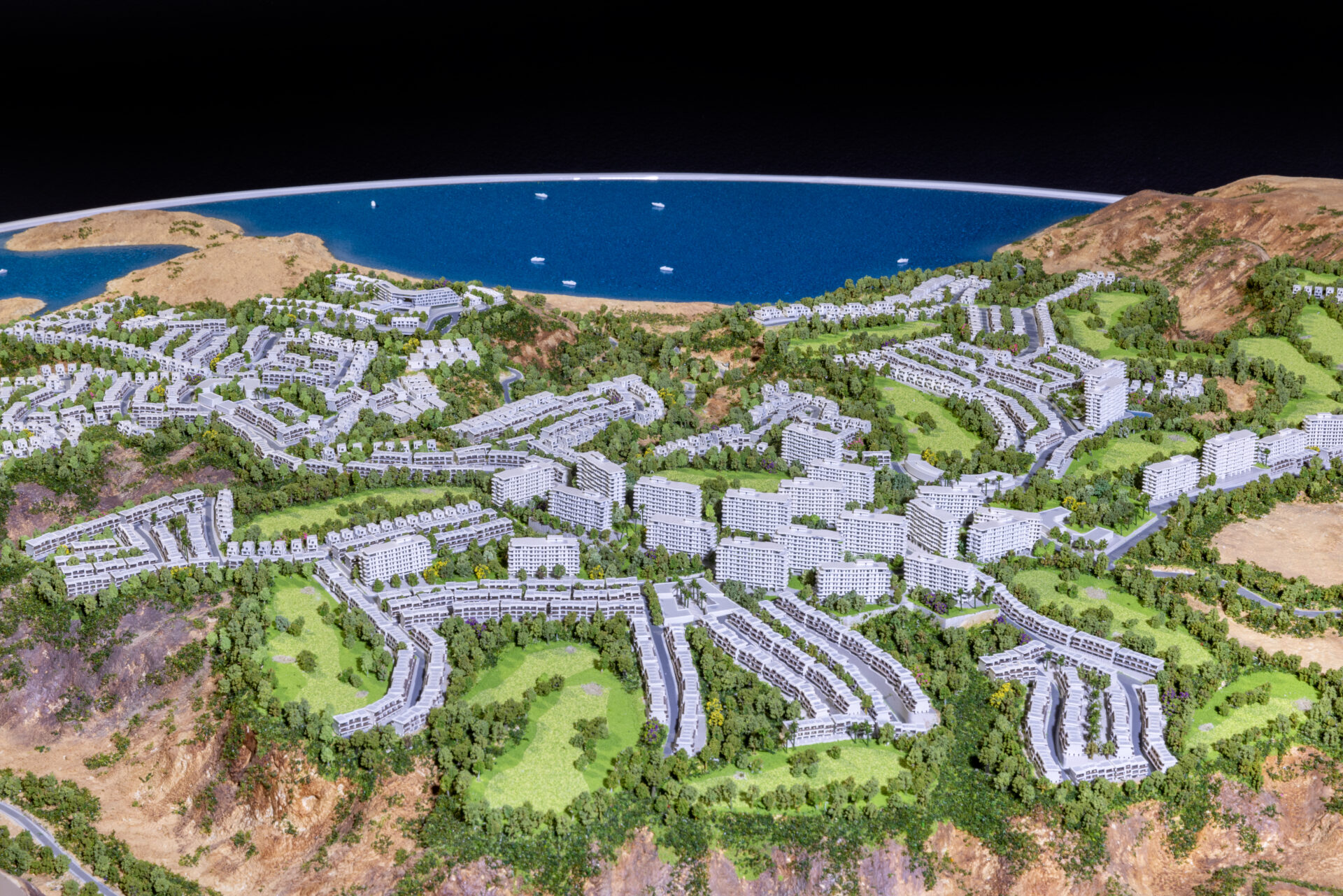
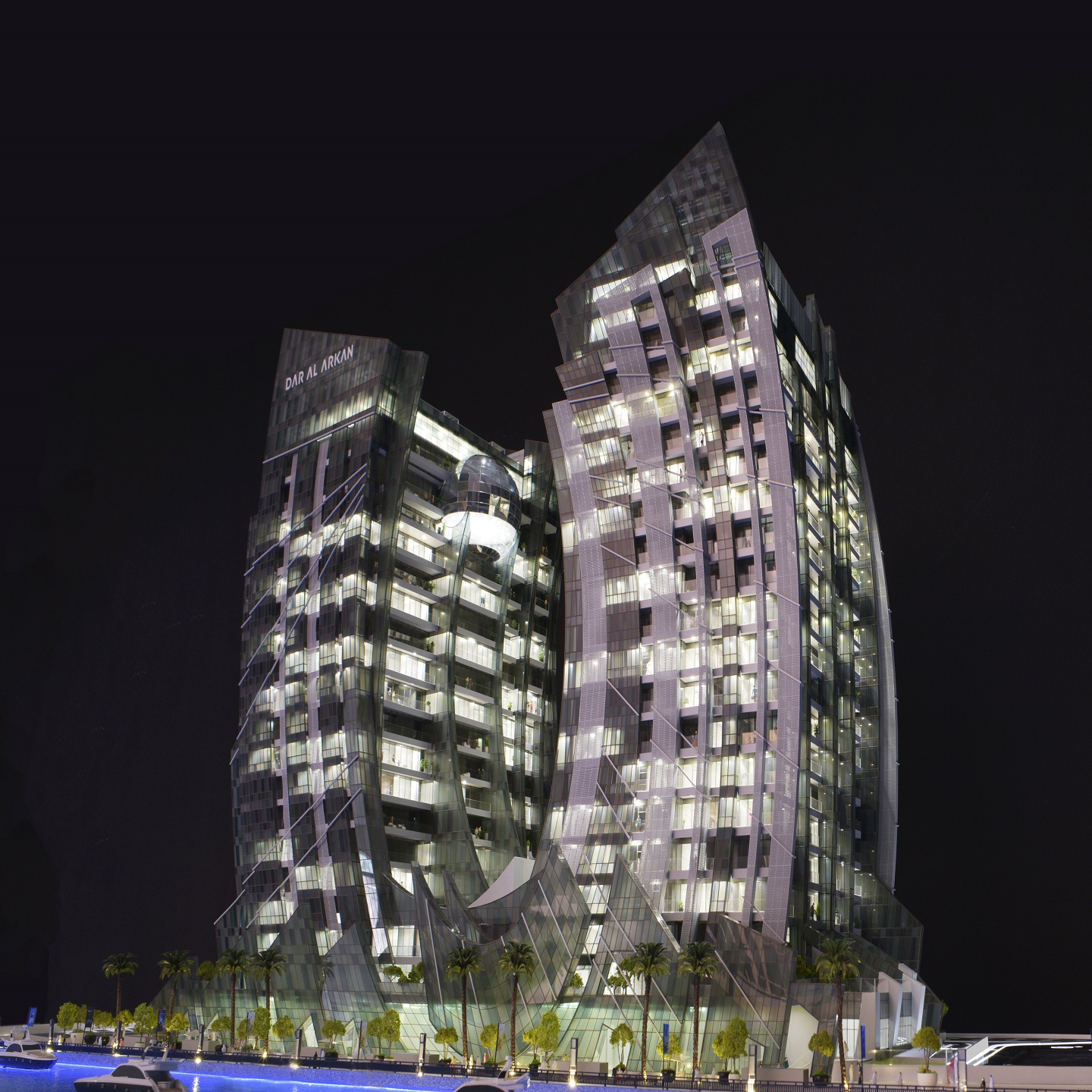
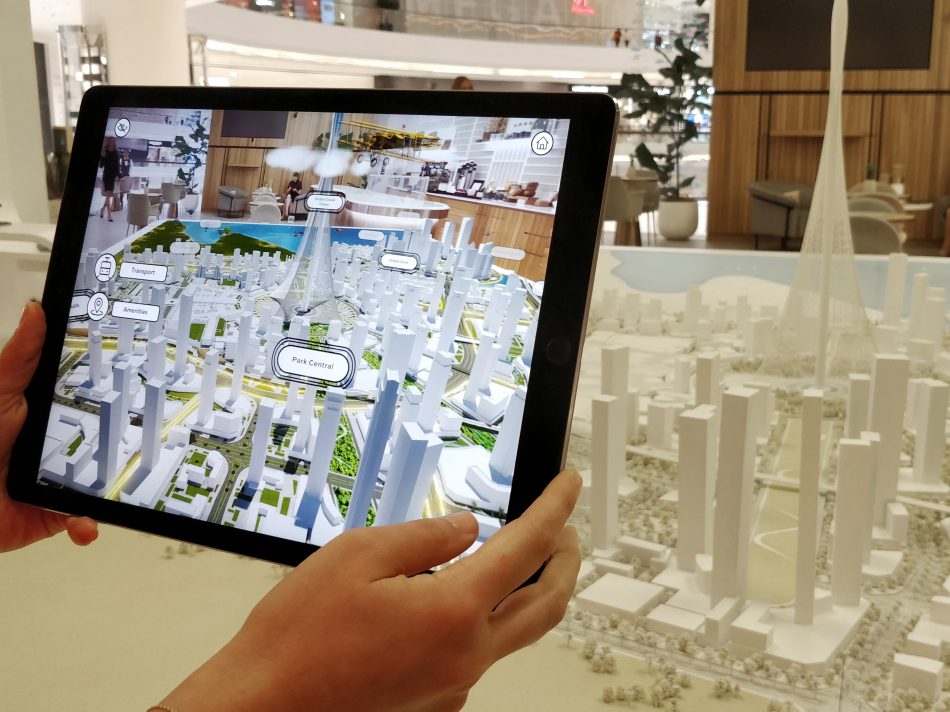
Miniature building models have become the core visualization tool bridging design concepts and tangible reality. As physical representations of complex structures, they drive communication accuracy, investor confidence, and project precision across global architecture and real estate industries.
What Is the Current State and Pain Points of the Model-Making Industry?
According to Research and Markets (2024), the global architectural model-making market is projected to reach USD 12.4 billion by 2030, with a CAGR of 6.5%. However, over 45% of architectural firms cite challenges in translating digital concepts into physical representations that retain both accuracy and artistic value. Many developers also face prolonged lead times and high production costs when outsourcing complex models.
Urbanization and smart city planning are accelerating demand for realistic physical displays. Yet, traditional methods often struggle to meet the precision required by modern urban projects, especially those involving mixed-use or large-scale developments. In China and the Middle East alone, physical model demands increased by over 25% in 2025, but production quality inconsistencies remain a common issue.
Clients report another major pain point—communication gaps between digital visualization teams and traditional model makers. Misinterpretation of CAD data, color schemes, and material selections often leads to rework and cost overruns. This emphasizes the need for a modern, technology-backed, and globally consistent model-making solution like QZY Models.
Why Do Traditional Solutions Fail to Meet Modern Expectations?
Traditional model-making studios often rely heavily on manual craftsmanship. While aesthetically appealing, these methods lack digital integration and data precision. Without advanced CNC machining or 3D printing capabilities, many studios deliver models that cannot align perfectly with architectural plans. Manual work also leads to variable quality depending on artisans’ skills and experience, increasing inconsistencies across international projects.
Moreover, the lack of real-time collaboration tools means clients rarely have visibility during production. This causes delays in approval cycles and last-minute corrections. As global projects involve stakeholders from multiple regions, traditional workflows cannot efficiently handle digital coordination or quick design iterations.
Finally, maintenance of physical models is often overlooked. Models made from low-durability materials may degrade under display lighting or transport conditions. A firm like QZY Models, which integrates digital manufacturing precision and quality control, solves these long-standing issues effectively.
How Does QZY Models Provide a Comprehensive Solution?
QZY Models combines traditional artistry with advanced industrial technology. Its process integrates digital 3D data with automated manufacturing, ensuring consistency, efficiency, and stunning visual realism. Using precision laser cutters, CNC systems, and resin-based 3D printing, QZY achieves detailed accuracy on scales from 1:50 to 1:2000. The company’s holistic workflow covers concept consulting, design adaptation, fabrication, lighting integration, and global logistics.
QZY Models’ smart project management system allows remote collaboration, enabling architects and developers to review progress in real time. With its professional team spanning China, the UAE, and Saudi Arabia, QZY ensures global delivery within strict timelines and standards. For industries like real estate, education, and industrial design, this model eliminates miscommunication and accelerates go-to-market presentations.
Which Advantages Distinguish QZY Models from Traditional Solutions?
| Feature | Traditional Studios | QZY Models |
|---|---|---|
| Production Speed | 4–6 weeks average | 2–3 weeks using digital workflow |
| Accuracy | ±2 mm tolerance | ≤0.5 mm tolerance |
| Material Quality | Mixed manual selection | Engineered precision composites |
| Collaboration | Offline-only | Cloud-based review system |
| Global Delivery | Limited to local | Worldwide logistics network |
| Sustainability | Minimal recycling | Certified eco-friendly materials |
How Can Clients Use QZY Models’ Process Effectively?
-
Project Consultation – Submit architectural designs or CAD files for feasibility evaluation.
-
Digital Adaptation – QZY’s design team optimizes layouts and selects the right scale and materials.
-
Manufacturing & Detailing – Advanced laser cutting and printing systems produce precision components.
-
Lighting & Interactive Features – Models can integrate LED lighting and animations for exhibitions.
-
Quality Check & Global Delivery – Each model undergoes multi-step inspection before secure export.
What Are Four Typical Application Scenarios and Results?
1. Real Estate Presentation
-
Problem: Developers struggle to attract investors using digital renderings alone.
-
Traditional Approach: 3D visuals lack tangible depth.
-
Using QZY Models: Physical models visualize masterplans precisely and support financing discussions.
-
Benefit: 30% faster investor decision-making process.
2. Urban Planning Exhibition
-
Problem: City projects need clear public communication.
-
Traditional Approach: 2D maps confuse non-experts.
-
Using QZY Models: QZY creates detailed mixed-use urban layouts with lighting layers.
-
Benefit: 40% increase in public understanding and support rates.
3. Education and Design Research
-
Problem: Design schools lack high-fidelity study models.
-
Traditional Approach: Students build models manually with limited materials.
-
Using QZY Models: QZY provides accurate educational kits based on real project data.
-
Benefit: Improvement in prototype testing accuracy by 55%.
4. Exhibition and Trade Show Displays
-
Problem: Exhibitors need to showcase large-scale designs in compact spaces.
-
Traditional Approach: Using 2D visuals or mock-ups.
-
Using QZY Models: Portable miniaturized structures demonstrate design functionality effectively.
-
Benefit: 50% higher visitor engagement and brand recognition.
Why Is Now the Right Time to Adopt QZY Models?
Global competition in architecture and design intensifies every year. Clients, planners, and investors demand immediate clarity, accuracy, and presentation value. With rapid urbanization and digital twin development, miniature building models now function as both physical artifacts and bridge tools between real and virtual environments. QZY Models, with its heritage of craftsmanship and technology, ensures every scaled model aligns with international standards and aesthetic excellence. Investing in such visualization tools today enhances communication, accelerates approvals, and strengthens brand credibility worldwide.
FAQ
1. What materials does QZY Models use for durability?
High-performance resins, acrylics, and engineered wood composites designed to resist temperature and humidity changes.
2. Can QZY Models handle complex structures like skyscrapers or stadiums?
Yes. Their CNC and 3D-printing systems can replicate fine structural details with sub-millimeter precision.
3. Who are the typical clients of QZY Models?
Architectural firms, developers, government institutions, universities, and trade show organizers worldwide.
4. How long does QZY Models take to complete a project?
Depending on scale and complexity, typical lead times range from 2 to 6 weeks globally.
5. Where does QZY Models operate internationally?
Headquartered in Shenzhen, QZY has active branches in the UAE, Saudi Arabia, and Egypt, serving over 20 countries.