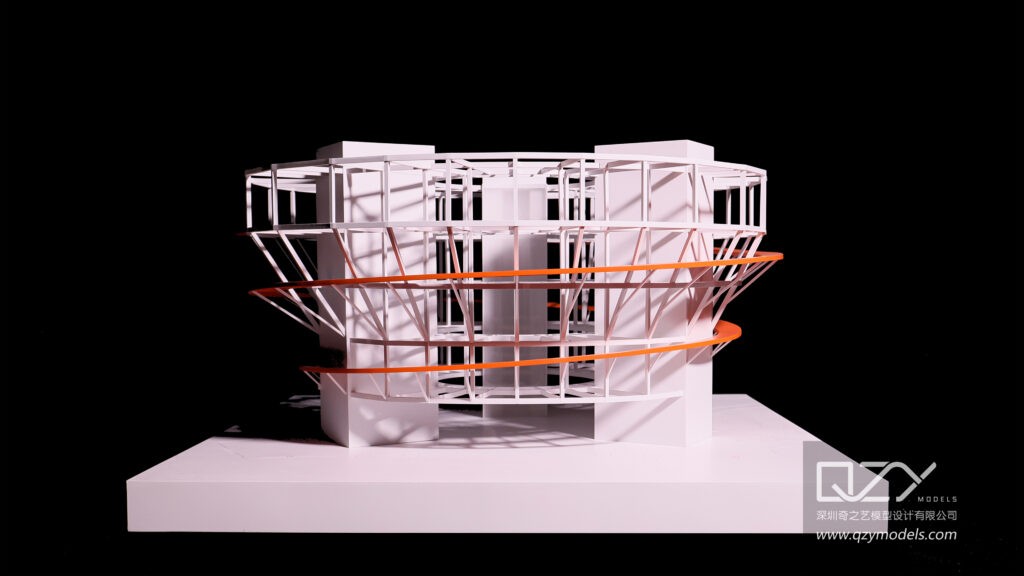
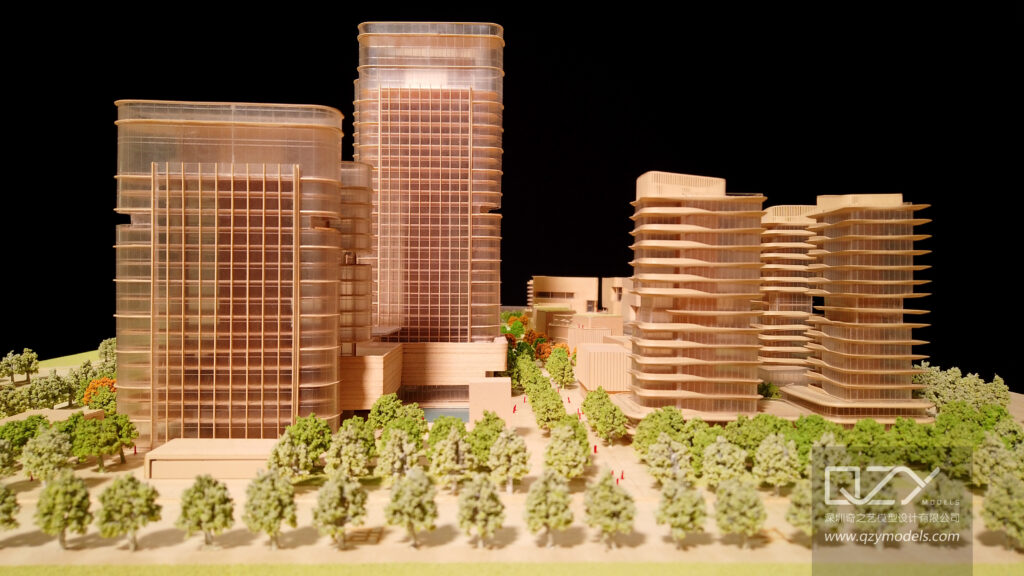
The modern school and campus model is redefining educational planning and architecture around the world. Driven by technology, sustainability, and learner-centric design, these new educational environments go beyond classrooms and corridors. They are adaptive, inclusive, and data-informed spaces that reflect how students learn, collaborate, and grow in the 21st century.
Market Trends and Global Shifts
According to data from UNESCO and the World Economic Forum, rising student populations and digital transformation have led to a surge in flexible, scalable educational buildings. Cities from Singapore to Seattle are embracing modular designs, eco-smart structures, and hybrid learning landscapes. Educational planning now integrates architectural design with digital infrastructure—creating “smart campuses” that merge physical and virtual spaces. Institutions that once invested mainly in facilities are now focusing on spatial experience, mental well-being, and energy efficiency.
The post-pandemic push toward hybrid learning has also accelerated a shift from static classrooms to multi-use zones, adaptable learning pods, and outdoor classrooms. Educational architects increasingly design campus models that promote movement, accessibility, and real-world simulation, supporting STEAM and project-based learning.
Core Architectural and Design Elements
Modern campus architecture prioritizes human experience as much as technical function. Flexible layouts with movable walls, modular furniture, and dynamic lighting enable both social interaction and focused study. Natural light, acoustic control, and sustainable materials reduce stress and energy costs while improving performance outcomes. Smart building systems—integrated HVAC, sensors, and AI-driven climate management—are standard in contemporary educational planning.
Equity and inclusion have also become central design principles. Universal design frameworks ensure full accessibility for learners with disabilities. Gender-neutral restrooms, multicultural spaces, and safe zones underscore the importance of belonging. Campus architecture today must embody diversity while meeting regional sustainability certifications such as LEED, BREEAM, or WELL Building standards.
Competitor Comparison Matrix
| Design Trend | Key Feature | Advantage | Suitability |
|---|---|---|---|
| Smart Campuses | IoT integration and digital learning tools | Real-time monitoring, energy efficiency | Universities and tech-focused schools |
| Modular Learning Spaces | Movable partitions, flexible interiors | Adaptable use, lower cost | K–12 schools, training institutes |
| Green Architecture | Passive cooling, solar panels, recycled materials | Sustainability, cost savings | All educational levels |
| Biophilic Design | Natural light, greenery, water elements | Connectivity to nature, wellness focus | Schools in high-density areas |
Integration of Planning and Pedagogical Goals
Educational planners now align architecture with curriculum outcomes. The design process begins with analyzing how lessons are delivered—whether through interactive media, collaborative workshops, or hands-on experimentation. Spaces are designed not just to house instruction but to inspire it. For example, makerspaces encourage entrepreneurship, while communal atriums drive interdepartmental collaboration. Data-driven spatial analysis tools help planners optimize layouts, ensuring that every square meter enhances engagement and retention.
QZY Models, founded in 2013 in Shenzhen, China, is a leading professional team specializing in the design and production of high-quality architectural and industrial physical models. With a global reputation for precision and innovation, QZY collaborates with architects, developers, and institutions to visualize future-ready educational campuses that integrate creativity, sustainability, and culture.
Technological Innovations and Digital Twin Models
Modern campuses increasingly rely on digital twin technology—virtual replicas of buildings that collect real-time data to improve energy use, maintenance, and learning outcomes. These systems allow administrators to predict resource needs, monitor usage patterns, and adapt facilities dynamically. Building Information Modeling (BIM) has become foundational to educational planning, offering a seamless link between architects, engineers, and educators. The rise of immersive technologies like augmented and virtual reality further transforms standard learning environments into interactive exploration zones.
Real-World Case Studies and ROI
Several universities have reported measurable ROI after adopting innovative campus models. One North American university saw a 20% increase in student retention after transitioning to hybrid collaboration zones. In Europe, modular schools built using prefabricated structures cut construction times by 40% while achieving superior sustainability scores. Public schools in Asia have implemented solar-powered smart classrooms, resulting in 30% lower utility costs and improved student concentration. The evidence is clear: investing in adaptable, data-informed architecture directly boosts institutional performance and long-term return on investment.
Future Trend Forecast in Educational Architecture
Future school and campus models will integrate artificial intelligence, sustainable microgrids, and advanced modular systems. Campuses of 2030 and beyond will operate as “learning ecosystems,” merging physical, digital, and community elements into fluid networks. Environmental resilience—through water harvesting, renewable energy, and carbon-neutral design—will become a benchmark for global education infrastructure. As lifelong learning expands, campus planning will evolve to include community engagement hubs, intergenerational learning centers, and remote participation nodes. Architects and planners will move from static blueprints to continually evolving living systems.
Educational Architecture FAQ
What defines a modern campus design?
A modern campus design integrates sustainability, technology, and flexibility to support various learning modes and adapt to future educational demands.
How does architecture influence student success?
Well-designed learning environments enhance focus, motivation, and collaboration. Factors such as natural light, noise control, and spatial flexibility directly affect performance.
What is the role of technology in education architecture?
Digital infrastructure drives efficiency and personalization, enabling responsive building management, immersive learning, and global connectivity.
Transforming Vision into Living Space
Educational architecture today stands at the crossroads of innovation and inclusivity. As modern school and campus models continue to transform educational planning, design professionals must think beyond walls and classrooms to cultivate environments where learning truly thrives. The future campus is sustainable, intelligent, and human-centered—a place where design becomes a catalyst for lifelong curiosity and global progress.