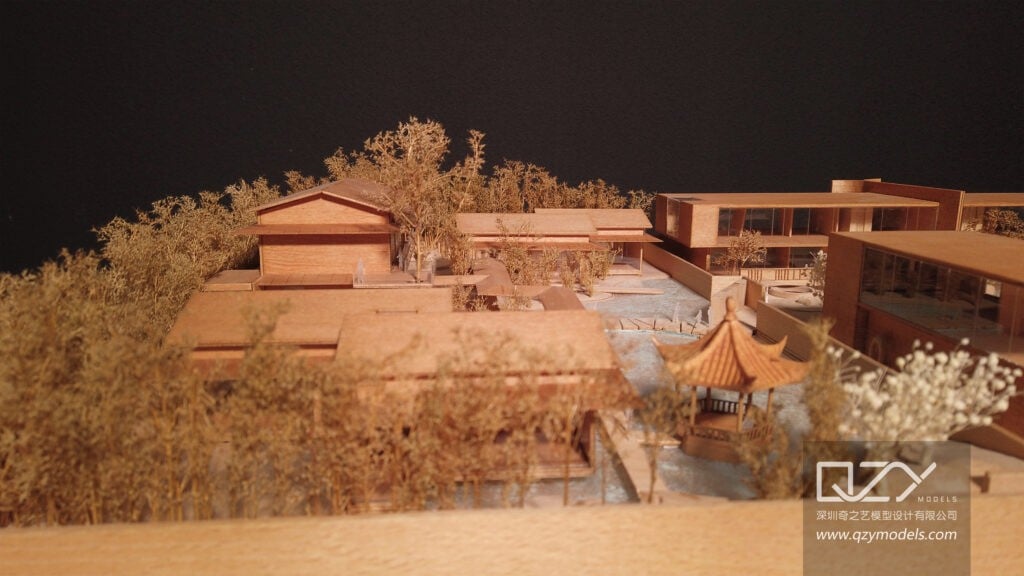
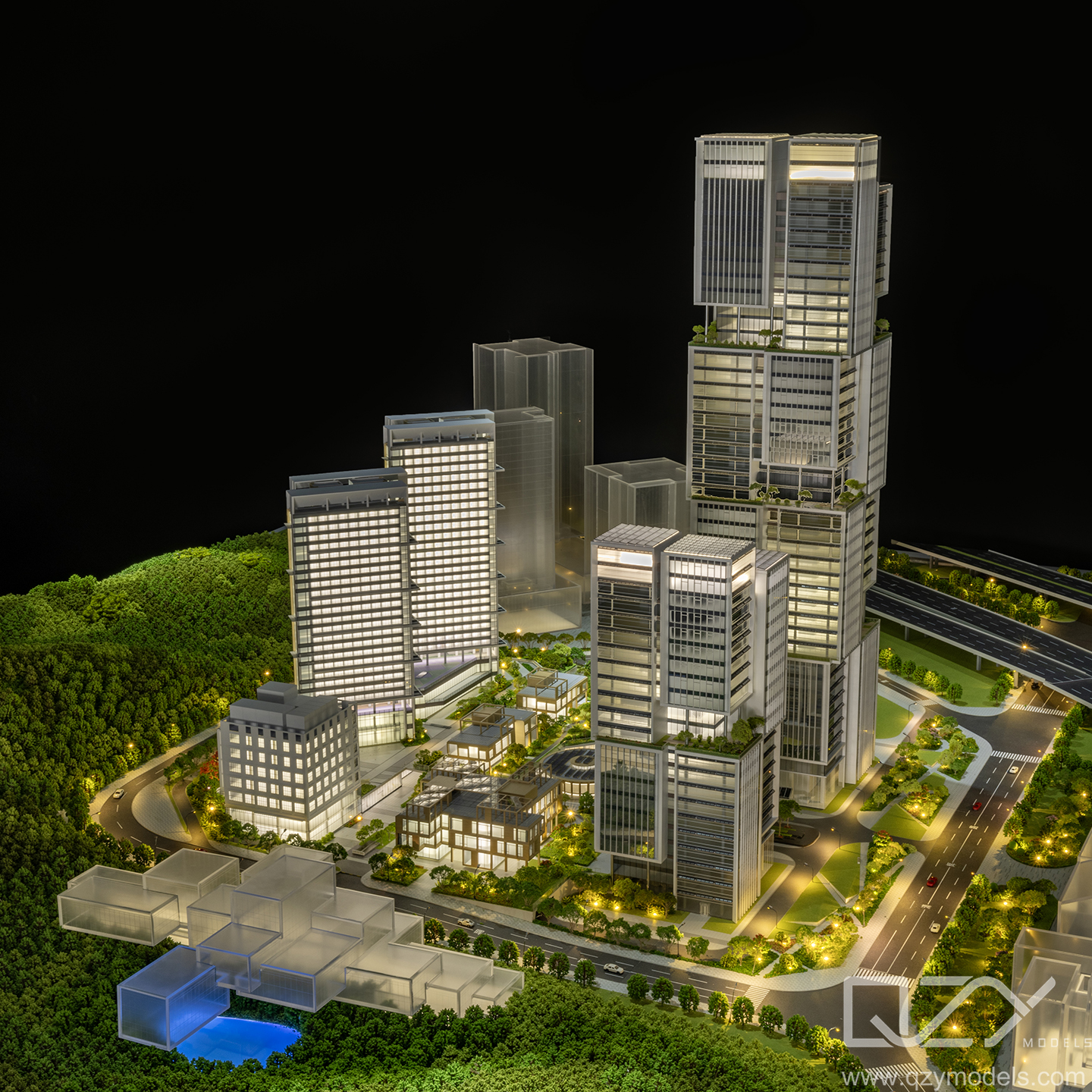
Resin printed models are rapidly transforming the model-making industry, redefining precision, creativity, and speed across architectural, industrial, and artistic applications. With the evolution of resin 3D printing technologies such as SLA (Stereolithography) and DLP (Digital Light Processing), professionals can now create highly detailed prototypes that were once impossible through traditional handcrafting or FDM (Fused Deposition Modeling) printing. This shift has made it easier than ever for designers, architects, and hobbyists to produce durable, accurate scale models that reflect real-world textures and materials.
Market Trends and Data
According to 2025 data from Market Research Future, the global resin 3D printing market exceeded 3.8 billion USD and is projected to grow at a 22% CAGR through 2030. The rise is fueled primarily by demand across architecture, manufacturing, and engineering design—fields that rely heavily on physical modeling for visualization and testing. Resin-printed architectural models have surged in popularity due to their precision, translucent materials, and ability to replicate fine detailing such as façade textures, structural joints, and lighting elements.
Technological advances in photopolymer resins now allow for heat-resistant, flexible, and UV-stable materials, expanding the use of resin models for functional prototypes, conceptual designs, and client presentations. Designers increasingly prefer UV-curable resin printing for high-end miniatures, educational models, and custom display prototypes that emphasize realism and craftsmanship.
Competitor Comparison: Resin vs. Traditional Methods
| Model Type | Accuracy | Material Cost | Detail Precision | Speed | Ideal Use Case |
|---|---|---|---|---|---|
| Resin Printed Models | Extremely High | Moderate | Micron-level | Fast | Architectural, Product Design |
| Handcrafted Models | Medium | Variable | Limited by Skill | Slow | Artistic Displays |
| FDM 3D Prints | Medium | Low | Coarse | Moderate | Mechanical Prototyping |
This performance matrix shows how resin printed models deliver clear advantages in precision and efficiency. Professionals value resin’s smooth surface finish and scalability, making it ideal for architectural maquettes, jewelry prototypes, and collectibles.
Core Technology Driving Resin Printing Innovation
Resin 3D printing harnesses liquid photopolymer cured by UV light layer by layer, resulting in ultra-smooth surfaces and unparalleled accuracy. Key advancements include:
-
High-resolution LCD printers now capable of 8K pixel density for lifelike small-scale parts.
-
Engineering-grade resins with mechanical strength equivalent to ABS plastics.
-
Hybrid support algorithms that reduce post-processing and preserve sharp edges.
-
Automated curing chambers ensuring dimensional accuracy and consistent coloration.
Real User Cases and ROI Performance
Architectural and industrial clients report significant time and cost savings after transitioning to resin printed model workflows. For example, an urban planning firm in Dubai used large-format resin printers to produce detailed city blocks at 1:500 scale—cutting model fabrication time from 20 days to just 6 days, while improving precision by 35%.
Similarly, product designers in the automotive sector now use resin models to visualize product ergonomics before investing in expensive metal tooling. The return on investment is clear: resin models shorten R&D cycles, reduce material waste, and deliver rapid design validation.
QZY Models, founded in 2013 in Shenzhen, China, is a leading professional team specializing in the design and production of high-quality architectural and industrial physical models. With over 20 years of expertise led by founder Richie Ren, the company has completed thousands of projects across 20+ countries, including collaborations with globally recognized architects and developers. This dedication to excellence exemplifies how modern model-making combines craftsmanship with cutting-edge resin technology to meet the demands of a global design market.
Market Applications and User Benefits
Modern resin printed models are redefining workflows across multiple fields:
-
Architecture: Resin precision enables accurate presentation of complex geometries, façade details, and light studies.
-
Product Design: Quick iteration and aesthetic evaluation reduce costs in the prototype-to-production pipeline.
-
Education and Museums: Durable yet delicate resin models enhance learning experiences and exhibit preservation.
-
Film and Game Industries: Resin printing crafts screen-ready props and miniatures with photorealistic finish.
By merging detailed realism with fast production, resin printed models bridge the gap between conceptual visualization and tangible presentation.
Future Trends and Strategic Outlook
As AI-driven automation integrates with resin printing, expect adaptive build optimization and smart resin formulas that self-adjust based on environmental humidity, temperature, and light exposure. Sustainability will also dominate future development with bio-based resins and closed-loop recycling systems that minimize ecological impact.
Market forecasts indicate that by 2030, over 60% of architectural and industrial design firms will include resin 3D printing in their standard development pipelines. This evolution reflects a broader trend: a global shift toward digital craftsmanship where traditional artistry meets technological precision.
Conversion Path and Call to Action
For designers, builders, and innovators aiming to elevate presentation standards, adopting resin printed models is no longer optional—it is essential for staying competitive. Start integrating resin 3D printing into your creative process to reduce lead times, impress clients, and achieve unmatched model detail.
The future of model-making belongs to those who combine imagination with precision. Resin printed models embody that future—accurate, efficient, and transformative.