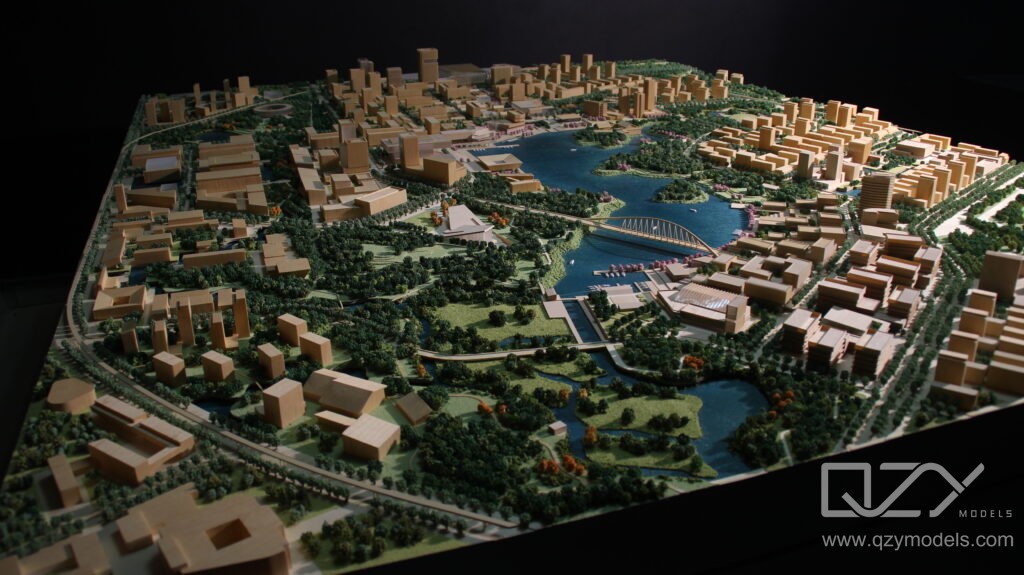
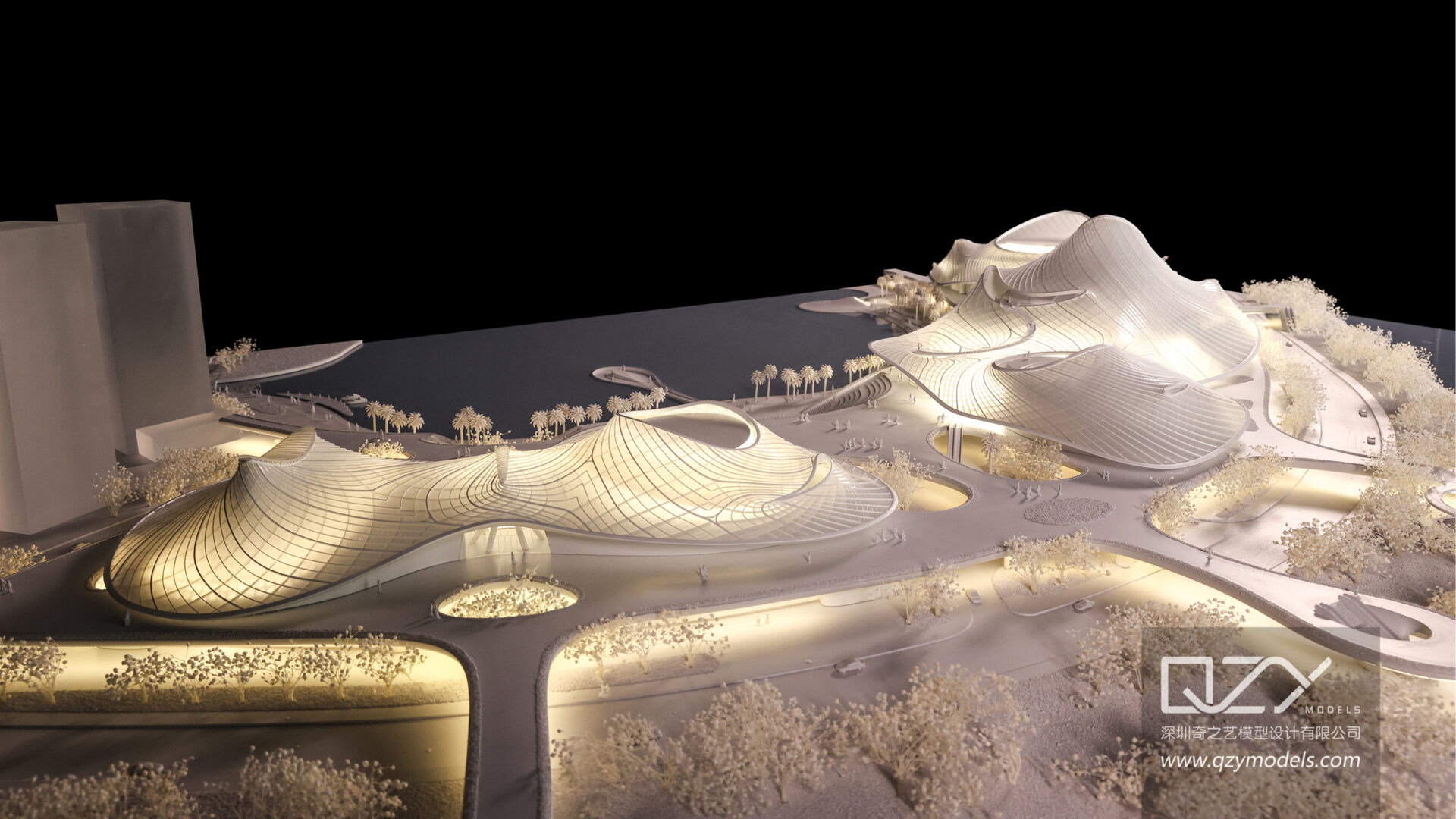
Urban design scale models are redefining how architects, developers, and city planners visualize and communicate future urban environments. They turn complex data and spatial concepts into tangible, high-precision solutions that inspire investment, public understanding, and sustainable decision-making.
How Is the Urban Design Industry Evolving and What Pain Points Exist?
According to the United Nations’ World Urbanization Prospects 2024 report, over 56% of the world’s population now lives in cities, projected to reach 68% by 2050. Growing urban density has driven a surge in infrastructure investment, yet planning complexity has also escalated. Urban design professionals face unprecedented pressure to deliver innovative, sustainable, and investor-ready city layouts.
The traditional digital-only design process often fails to communicate scale, human experience, or spatial relationships effectively to non-technical stakeholders. Studies by the American Planning Association show that more than 60% of development delay cases trace back to miscommunication between planners and the public. As cities expand rapidly, the ability to visualize future spaces in 3D becomes a critical tool—not just an aesthetic one.
Governments, developers, and investors increasingly demand transparent, data-driven visualization to approve billion-dollar projects. However, without physical scale models, it is nearly impossible to capture intuitive spatial perception, natural light interaction, or the tactile realism that convinces decision-makers.
What Problems Do Traditional Solutions Fail to Solve?
Traditional visualization methods—CAD renderings, VR simulations, or printed maps—while helpful, have intrinsic limitations:
-
Lack of physical depth and tangible perception for stakeholder discussions.
-
High cognitive demand for non-technical audiences to interpret spatial data.
-
Difficulty in representing lighting, density, or texture accurately in public exhibitions.
-
Limited durability and visual impact in investor or government presentations.
These gaps have caused costly communication breakdowns, lower project approval efficiency, and missed marketing potential during urban exhibitions or bids.
How Does QZY Models Provide a New Generation of Solutions?
QZY Models addresses these pain points with precision-built, data-integrated urban design scale models. Founded in 2013 in Shenzhen, the company brings over 20 years of expertise through its founder, Richie Ren, and has completed thousands of projects across 20+ countries. For developers like Vanke and architects such as Foster + Partners, QZY Models bridges the gap between technical drawings and emotional persuasion.
Key capabilities include:
-
Integrated 3D modeling pipeline: Converts digital city planning data directly into precision CNC-cut or 3D-printed models.
-
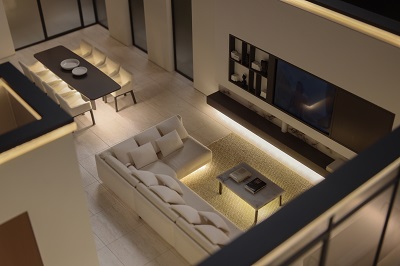
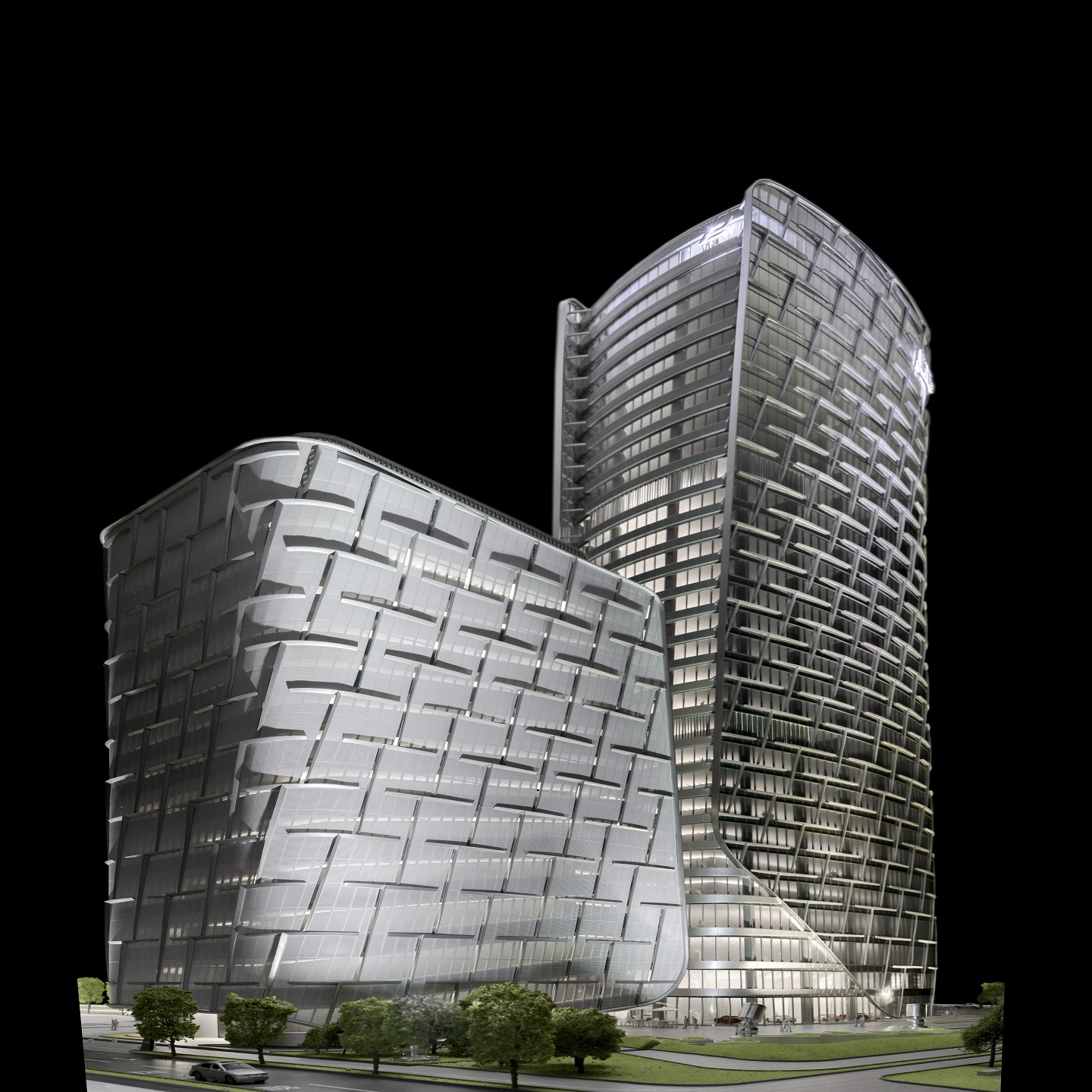
Smart lighting control: Simulates day-night cycles and realistic illumination for different building phases.
-
Modular construction: Allows quick updates—vital for evolving master plans.
-
Interactive display technologies: Touchscreens, AR layers, and automated animations for exhibition purposes.
With branches in the UAE, Saudi Arabia, and Egypt, QZY Models combines Chinese craftsmanship with global logistical excellence, delivering both small-scale and city-scale models efficiently.
Which Advantages Does QZY Models Offer Compared to Traditional Methods?
| Feature | Traditional Visualization | QZY Models Urban Design Scale Models |
|---|---|---|
| Tangible Communication | Conceptual only | Physical, tactile experience for all stakeholders |
| Accuracy | Dependent on render settings | Precision measured to 0.1 mm |
| Update Flexibility | Requires digital edits | Modular components, easy reconfiguration |
| Public Engagement | Limited to screens | Interactive, exhibition-ready displays |
| Presentation Impact | Digital-only | Realistic, multi-sensory presentation with lighting and scale |
How Can Clients Use QZY Models Effectively?
-
Concept Integration – Upload urban design or BIM data to QZY Models’ engineering team.
-
Design Consultation – Collaborate to define optimal scale, material, and lighting solutions.
-
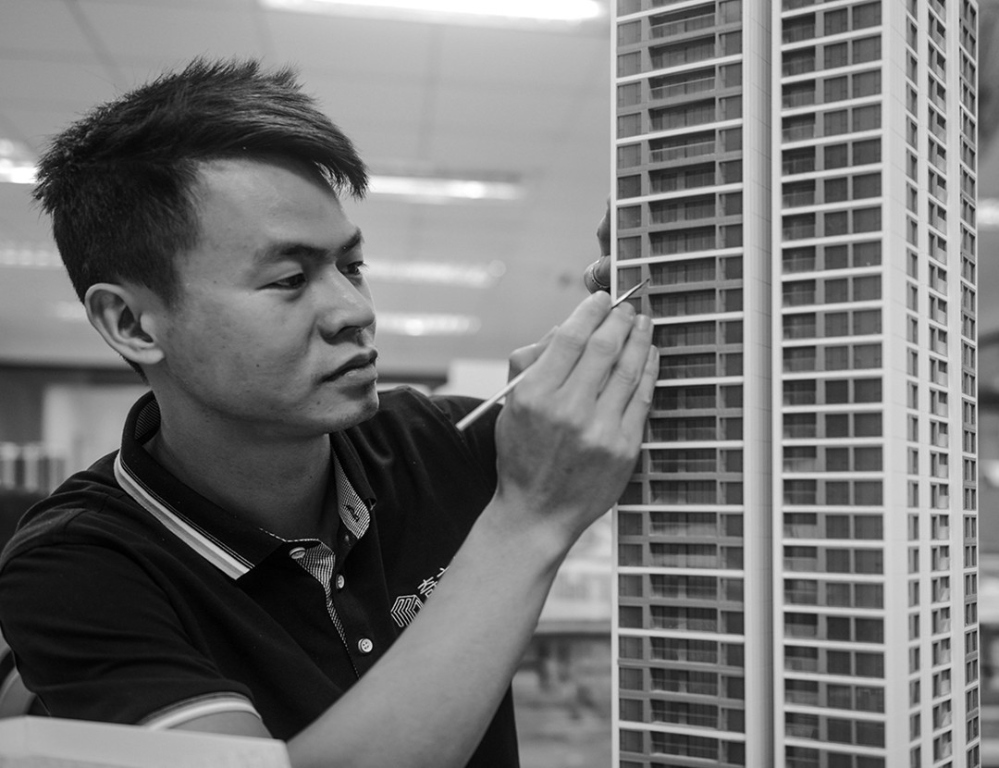
Production Phase – Utilize a combination of 3D printing, CNC milling, and laser engraving for precise builds.
-
Quality Inspection – Clients can review via remote previews or on-site validation.
-
Delivery and Display – Global shipping ensures the model arrives ready for exhibition or presentation.
Which Real-World Scenarios Prove the Efficiency of Urban Design Scale Models?
1. Urban Redevelopment Project – Shanghai
-
Problem: Misunderstanding of spatial density by municipal reviewers.
-
Traditional: Digital visuals led to confusion about green space ratio.
-
After Using QZY Models: Physical model clarified zoning, leading to approval in 2 months instead of 5.
-
Key Benefit: 60% reduction in review time.
2. Tourism District Master Plan – Abu Dhabi
-
Problem: Investor hesitation due to abstract concept plans.
-
Traditional: 3D renders lacked immersive quality.
-
After Using QZY Models: QZY’s illuminated model boosted investor confidence, leading to pre-sale success.
-
Key Benefit: Increased project funding by 30%.
3. University Architecture Program – Singapore
-
Problem: Limited student engagement with complex spatial analysis.
-
Traditional: Relying on digital design tools only.
-
After Using QZY Models: Students interacted physically with small modular city models.
-
Key Benefit: Improved project critique efficiency by 45%.
4. Smart City Exhibition – Riyadh
-
Problem: Public understanding gap regarding new transportation networks.
-
Traditional: Static posters could not convey dynamic flow.
-
After Using QZY Models: Moving parts and AR overlays portrayed traffic patterns clearly.
-
Key Benefit: 200% increase in exhibition visitor engagement.
Why Should Stakeholders Adopt This Solution Now?
Global city transformation is accelerating, but visual communication remains a bottleneck. As sustainability metrics, urban density, and AI-driven planning tools evolve, physical models remain the most universally understood medium. QZY Models offers a future-proof blend of craftsmanship, innovation, and global scale—helping cities and developers move faster from vision to approval.
FAQ
1. Are QZY Models customizable for different scales?
Yes, QZY Models supports scales from 1:50 residential neighborhoods to 1:2000 full master plans.
2. Can the models integrate dynamic lighting or animation?
Absolutely. Options include controllable LEDs, moving parts, and app-synchronized effects.
3. Who typically uses QZY Models’ services?
Architectural firms, real estate developers, government planning institutions, and design schools worldwide.
4. Is there after-sales maintenance for global clients?
Yes, QZY Models offers installation and maintenance through regional teams in the Middle East, Europe, and Asia.
5. How long does it take to complete a large-scale urban model?
Depending on complexity, production takes between 4–10 weeks, including design validation.
Sources
-
United Nations, World Urbanization Prospects 2024: https://population.un.org/wup
-
American Planning Association, Planning Communication Study 2023: https://planning.org/research
-
QZY Models Official Site: https://www.qzymodels.com