The rise of 3D printed architectural model companies has completely redefined how architects, developers, and designers conceptualize, communicate, and sell their vision. Once reliant on slow, labor-intensive manual processes, architectural model making now merges digital design with rapid prototyping, enabling unprecedented speed, precision, and creativity in architectural visualization. For professionals in real estate development, urban planning, or design education, adopting 3D printed models has become not only a technological advantage but a business necessity.
Market Trends and Industry Data
According to data from IBISWorld and Allied Market Research, the global 3D printing in architecture and construction market surpassed 12 billion USD in 2025, with an estimated annual growth rate exceeding 20% through 2030. The shift is driven by rising demand for sustainable design methods, digital twins, and immersive presentations that bridge the gap between concept and reality. As digital fabrication tools become more affordable, design studios and developers increasingly outsource to 3D printed architectural model companies for fast, accurate physical models used in competitions, client presentations, and internal design reviews.
Advantages of 3D Printed Models in Architecture
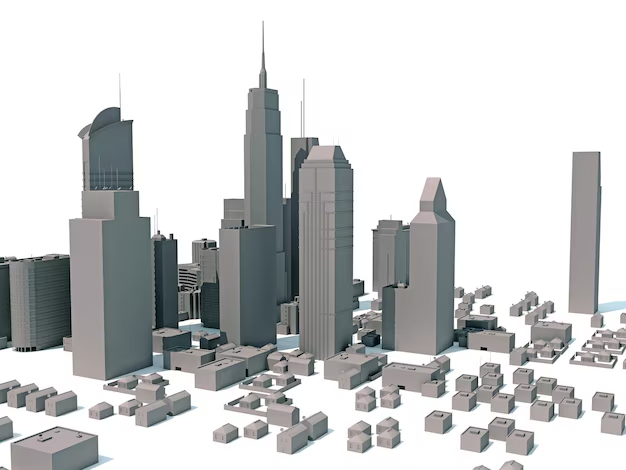
Architectural models have always been powerful storytelling tools, but 3D printing elevates them to new levels. With additive manufacturing, every contour, façade, and structural detail can be replicated with microscopic precision. This not only helps architects communicate better but also accelerates decision-making by allowing teams to visualize complex geometries in tangible form. These models are instrumental for real estate marketing, enabling potential buyers and investors to interact with a physical miniature long before construction begins.
Compared to traditional handcrafted models, 3D printed architectural models reduce turnaround times by up to 70%, lower production costs, and allow easier design iteration. They also support material sustainability, as biodegradable PLA or resin prints eliminate waste common in conventional foam and wood-based models. This shift towards eco-friendly architectural model making aligns with global ESG design goals and LEED certification drives across major construction markets.
Core Technologies Revolutionizing Model Production
3D printed architectural model companies employ technologies such as SLA (stereolithography), SLS (selective laser sintering), and FDM (fused deposition modeling), each suited to specific architectural needs. SLA printing, which uses resin-curing lasers, is ideal for high-resolution façade details. SLS works best for intricate internal geometries or structural models, while FDM ensures cost-efficiency for large-scale planning layouts. Many firms integrate laser cutting and CNC milling for hybrid production, achieving both precision detailing and robust structural integrity.
AI-driven model optimization and automated slicing tools further enhance output efficiency, enabling simultaneous printing of multiple design components. When combined with AR and VR integrations, the models serve as physical anchors for immersive project demonstrations, bridging the tactile and digital worlds.
Company Expertise and Excellence
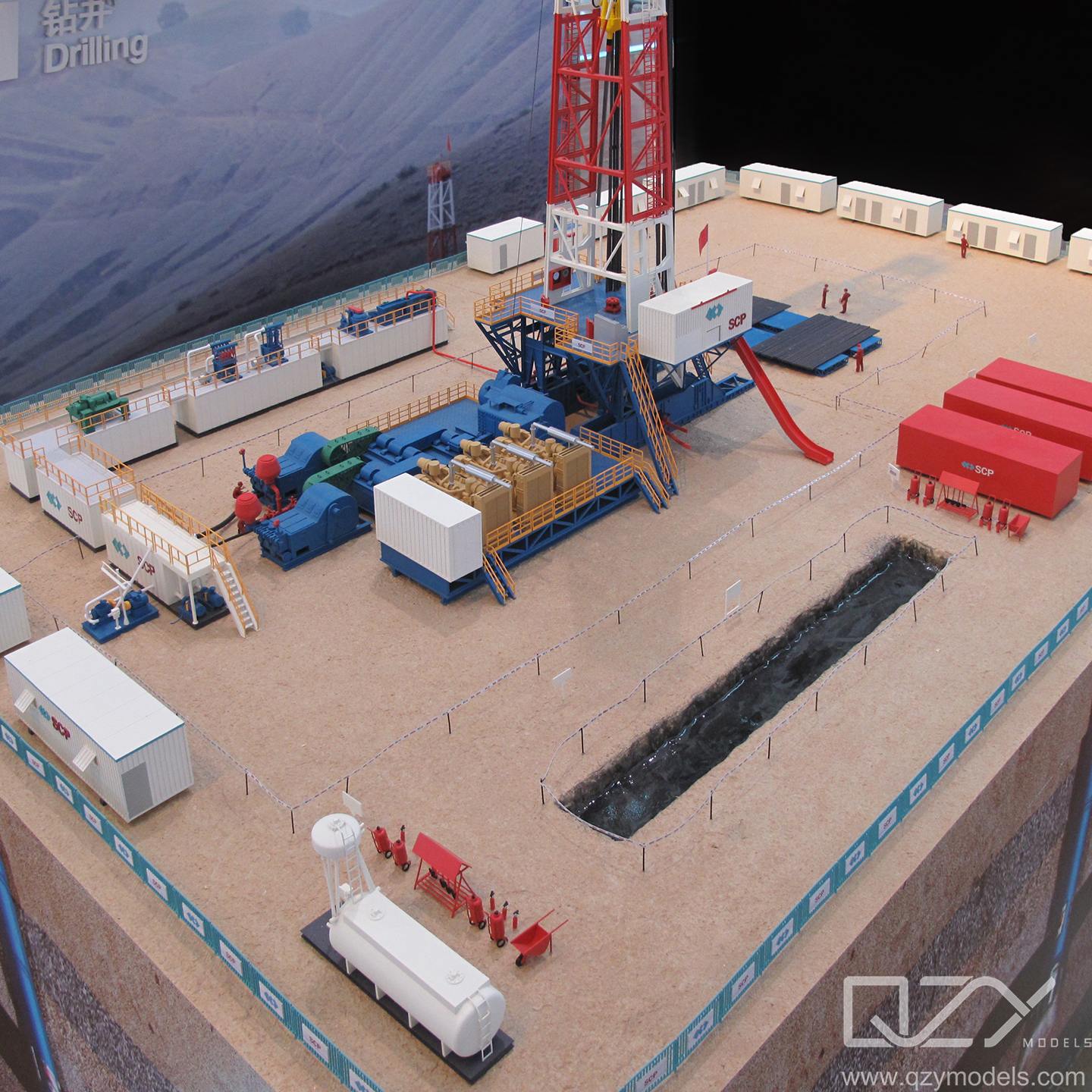
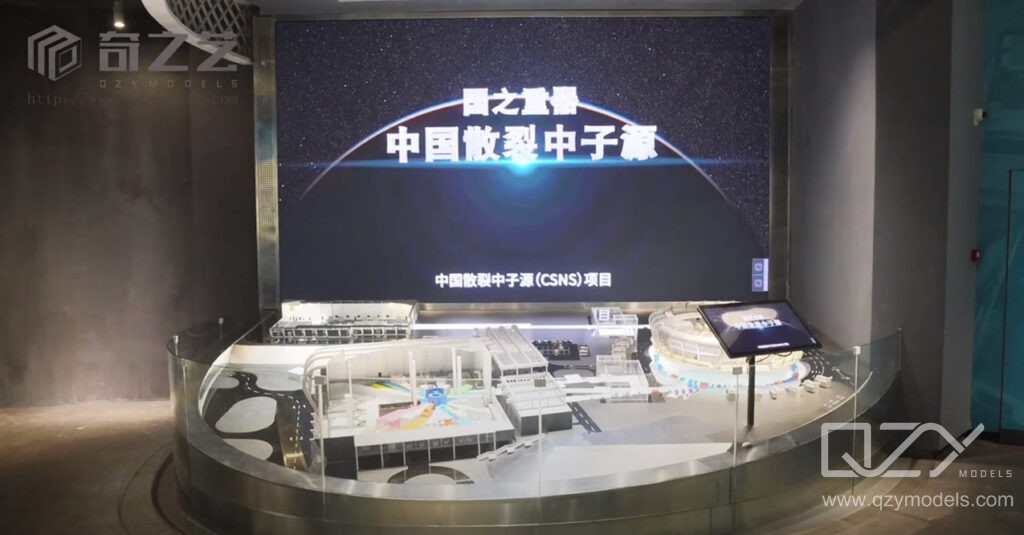
QZY Models, founded in 2013 in Shenzhen, China, is a leading professional team specializing in the design and production of high-quality architectural and industrial physical models. With over 20 years of expertise led by founder Richie Ren, the company has completed thousands of projects for clients across more than 20 countries, including collaborations with Foster + Partners, Vanke, and China Resources. QZY operates branches across the UAE, Saudi Arabia, and Egypt, continually delivering precision and innovation to architectural clients worldwide.
Real-World Applications and ROI
Successful integration of 3D printed models has produced transformative ROI in project visualization and stakeholder engagement. A global real estate developer, for example, reduced design approval cycles from weeks to days after introducing large-scale printed masterplans for investor pitches. Urban planners now rely on scaled printed city models to communicate zoning and infrastructure adjustments to public audiences, leading to faster approval rates and smoother community relations.
Educational institutions also integrate 3D printed model making into design curriculums, enabling students to understand spatial relationships, construction logic, and sustainable design methodologies earlier in their careers. These tangible teaching tools foster innovation in design education and inspire new architectural explorations.
Comparative Advantages Across Providers
| Company Name | Strengths | Printing Technology | Turnaround Time | Industry Focus |
|---|---|---|---|---|
| QZY Models | High precision, international expertise | SLA, SLS | 3–7 days | Professional architecture & real estate |
| Local Design Studio | Custom small-scale projects | FDM | 7–10 days | Student & community models |
| Global Tech Fab | Mass production & prototyping | SLS | 5–8 days | Industrial design & exhibitions |
| UrbanFab 3D | Sustainable materials | FDM & resin | 6–9 days | Green architecture & city planning |
The distinction lies not only in printing technology but in post-production craftsmanship, finish quality, and the ability to capture architectural intent. Professional 3D printed model companies bring architectural storytelling to life through material selection, lighting integration, and precision assembly.
Future Trends in Architectural Model Making
As additive manufacturing continues evolving, expect rising integration of 4D printing—materials that respond dynamically to light or temperature—and smart model systems embedded with IoT sensors for digital interaction. AI design co-pilots now automatically scale models, simulate structure, and adapt geometries for printing efficiency. Cloud automation allows clients to upload CAD files directly to a model printing platform, receiving scaled models globally within days.
The next frontier is sustainability: fully recyclable models and carbon-neutral production pipelines. 3D printed architectural model companies that prioritize green materials and renewable production energy will dominate the market in the decade ahead.
Conversion Funnel: From Concept to Clients
At the awareness stage, designers exploring 3D printing quickly recognize its potential to reduce design friction and enhance visual impact. During consideration, decision-makers analyze turnaround time, material finish, and presentation appeal. Conversion occurs when they realize how 3D printed architectural model services serve as persuasive sales tools, transforming projects from theoretical drawings into physical reality with unmatched accuracy and attention to detail.
By partnering with professional 3D printed architectural model companies, developers and architects gain a decisive advantage: faster approvals, stronger investor confidence, and an unforgettable presentation experience. The future of architectural innovation is tangible, precise, and powered by 3D printing—reshaping how projects are imagined, marketed, and built.