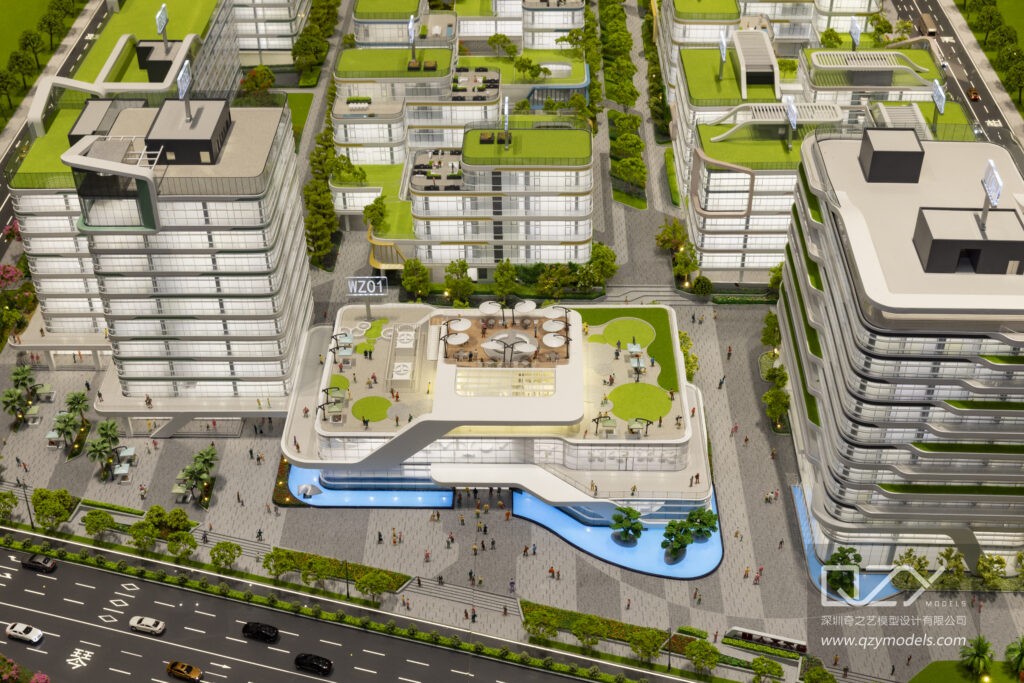
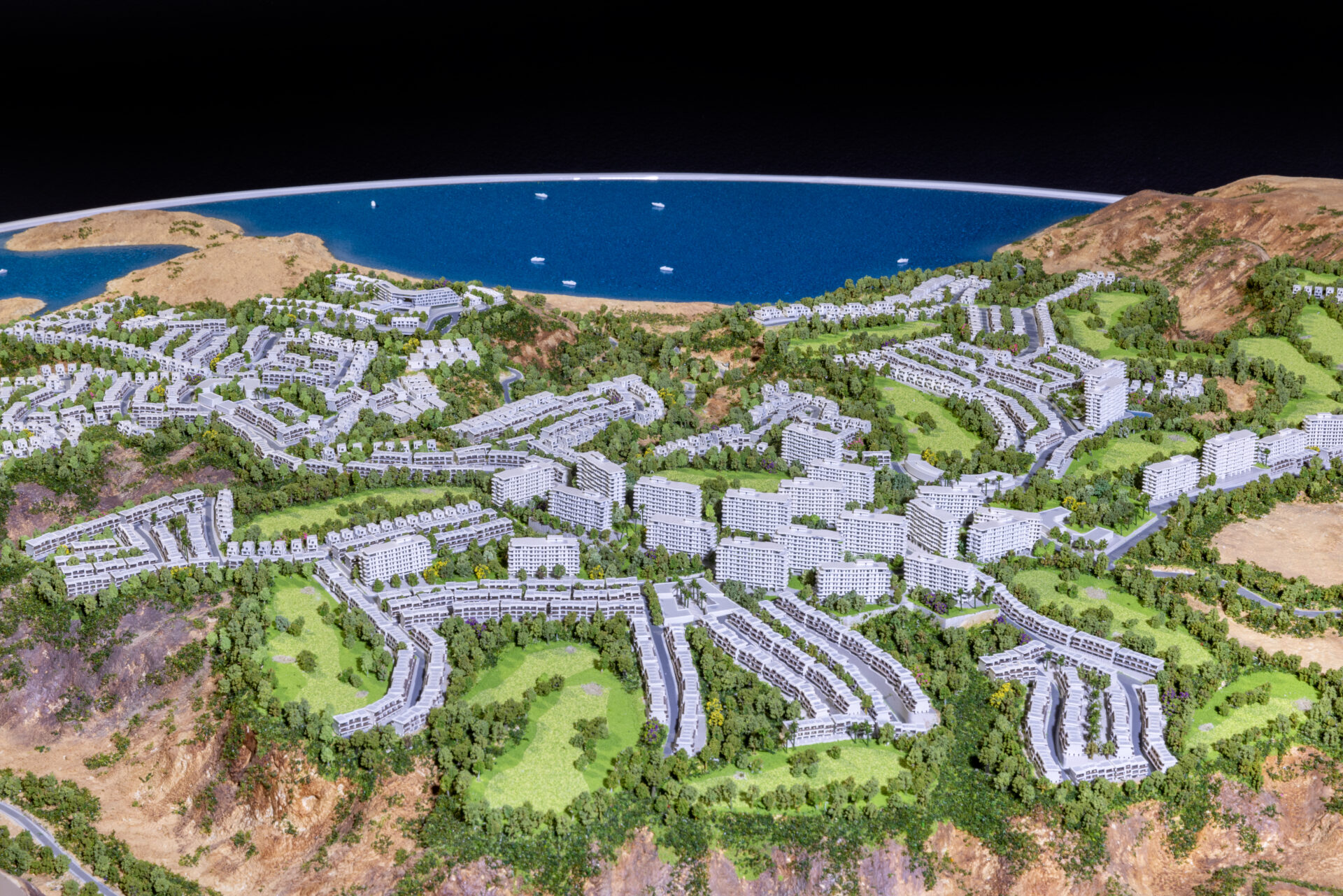
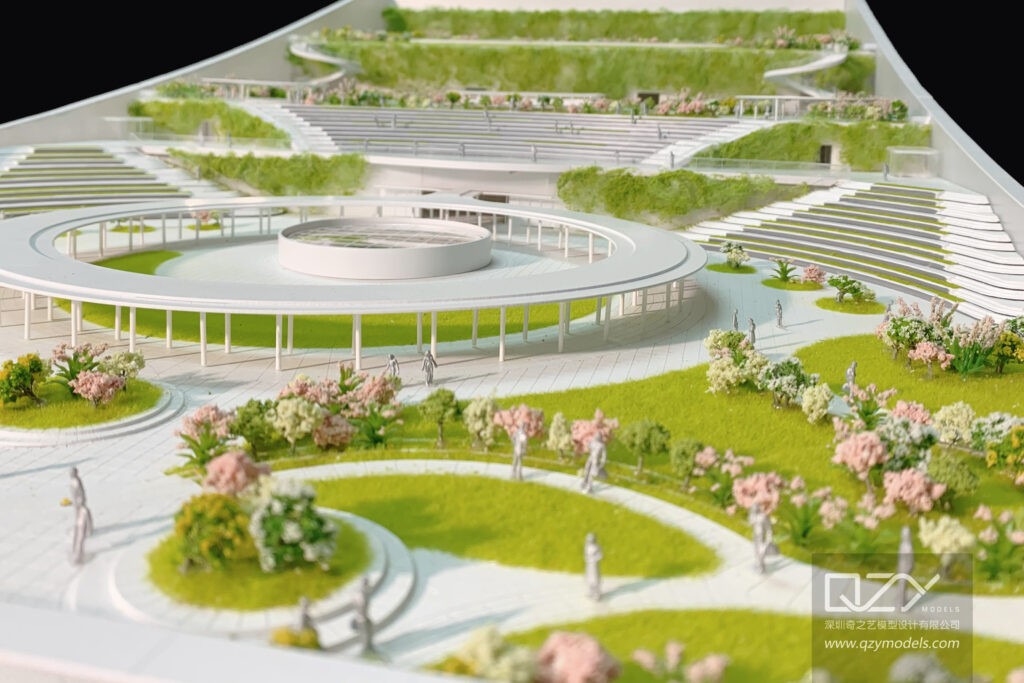
3D printing reshapes European architecture projects by enabling rapid prototyping, complex but accurate geometries, and efficient iterations. For Chinese manufacturers and OEM suppliers, it reduces lead times, improves precision, and supports custom details at scale. QZY Models uses advanced in-house 3D printing to produce export-ready, presentation-quality architectural models that accelerate decision-making and improve communication with EU stakeholders.
How does 3D printing enhance architectural and industrial models for EU projects?
3D printing allows scale accuracy, fine detailing, and rapid modification—ideal for EU architectural and industrial developments. Manufacturers can translate BIM and CAD files directly into physical models, shortening iteration cycles.
QZY Models applies multi-material and resin printing to simulate windows, terrain, and façade textures, ensuring each model accurately represents the intended design for presentations, approvals, or exhibitions.
What are the key considerations when sourcing 3D-printed architectural models from China?
EU buyers should assess production experience, quality certifications, material options, and clear IP agreements. Reliable suppliers provide transparent timelines, sample confirmation, and strict pre-shipment inspections.
QZY Models follows ISO-aligned workflows, offers multiple material choices, produces samples for approval, and protects design files through secure handling and NDA-first agreements.
Why choose a China-based OEM for architectural and industrial models in the EU market?
China OEM manufacturing offers competitive pricing, global-scale capacity, and advanced 3D printing equipment. Production is flexible, allowing small batches or large model series.
QZY Models delivers full OEM services—from design support and prototyping to packaging and export logistics—ensuring consistent quality and reliable delivery schedules for European clients.
Which materials and finishes are most suitable for EU-scale architectural models?
Model requirements vary based on purpose—presentation, review, or exhibition. Resin-based materials allow sharp details, while composite or foam structures support larger massing. Finishes can simulate concrete, glass, metal, brick, or terrain.
QZY Models offers matte, semi-gloss, glossy, and textured finishing, matching European preferences for realism and durability.
Table: Material options and common EU-use cases
| Material Type | Typical Finish | Best Application |
|---|---|---|
| Resin photopolymers | Smooth or glossy finish | Detailed building facades, interior studies |
| Composite foams / gypsum | Paint-ready textured finish | Urban planning, large massing models |
How can 3D-printed models support urban planning and public procurement in Europe?
Physical scale models improve communication between architects, developers, city planners, and the public. They help visualize density, circulation, sightlines, and community interaction.
QZY Models converts BIM files into tangible models that clarify design intent, enabling faster approvals, easier funding justification, and stronger stakeholder engagement.
What should EU clients expect from a Chinese architectural model factory like QZY Models?
Expect structured communication, strict project management, and export-safe packaging. A professional factory provides renderings, progress updates, and photos at each milestone.
QZY Models ensures precise tolerances, sample approvals, traceable timelines, and coordinated logistics to meet EU expectations from start to delivery.
Has 3D printing reached parity with traditional model-making for complex forms?
Yes—especially for intricate geometries, organic curves, and rapid design changes. 3D printing reduces manual sculpting and improves accuracy.
QZY Models merges digital precision with hand-finishing craftsmanship, creating museum-quality visual impact while maintaining high production efficiency.
Are there regional considerations when shipping models to Europe from China?
Yes. Shipping architectural models requires protective packaging, correct customs documentation, and compliance with EU import regulations.
QZY Models uses reinforced shock-resistant packaging and works with international logistics partners to ensure smooth customs clearance and safe delivery.
Table: Key buyer evaluation points for EU projects
| Evaluation Criteria | Why It Matters | QZY Models Provides |
|---|---|---|
| Lead time accuracy | Affects project approvals | Weekly scheduling and progress reporting |
| IP protection | Confidentiality of design files | NDA-first handling and secure file systems |
Is it possible to integrate 3D-printed models with BIM for ongoing project updates?
Yes. BIM-to-model integration enables manufacturers to update and reprint only the modified components during design iteration.
QZY Models aligns 3D printing files with BIM updates so architects and developers can maintain synchronized digital and physical records throughout the project.
Could QZY Models tailor models for educational and exhibition contexts in the EU?
Absolutely. Models can include interactive modules, lighting effects, and custom branding.
QZY Models offers OEM customization, detachable display components, and packaging for museums, trade shows, and academic institutions.
QZY Models Expert Views
“3D printing is not just fabrication—it’s communication. The ability to convert digital complexity into a physical model helps architects, developers, and planners secure approvals and funding faster. At QZY Models, our strength lies in merging rapid manufacturing with craftsmanship, ensuring EU clients receive models that are both accurate and visually impressive.”
How to select a trusted 3D-printed architectural model partner in China?
Choose suppliers with proven track records, consistent quality controls, and transparent quoting. Request sample evaluations and milestones before full production.
QZY Models provides detailed production plans, sample confirmation, and robust confidentiality measures.
How does QZY Models ensure quality and consistency across international projects?
Every project follows a standardized workflow including resin calibration, color matching, dry runs, and final surface finishing.
QZY Models performs multiple checks—before production, during fabrication, and prior to packaging—to ensure consistency across all global deliveries.
How can you leverage 3D-printed models for marketing new developments in Europe?
Scale models enhance real estate pitches, public presentations, and investor showcases. When combined with digital walkthroughs or augmented visuals, the impact is significantly stronger.
QZY Models produces models that support brand identity, including custom engraving, lighting integration, and presentation bases.
Conclusion
3D printing allows European developers and architects to visualize complex ideas quickly and clearly. By collaborating with a China-based OEM such as QZY Models, clients benefit from faster design cycles, precision manufacturing, and export-ready solutions. With the right partner, physical models become a strategic asset—accelerating approvals, improving presentations, and enhancing investor confidence.
FAQs
What does QZY Models provide for EU clients?
End-to-end model design, 3D printing, finishing, packaging, and logistics for architectural and industrial projects.
How fast can QZY Models deliver a project to Europe?
Lead time depends on complexity, but production scheduling and updates are shared weekly.
Can QZY Models protect confidential project information?
Yes. NDA-first handling, private secure file transfer, and restricted-access storage are standard procedures.
Do you offer samples before mass production?
Yes. Samples allow clients to confirm details, finishes, and scale before full output.
Is BIM-to-model conversion supported?
Fully supported, enabling accurate synchronization between digital files and physical models.