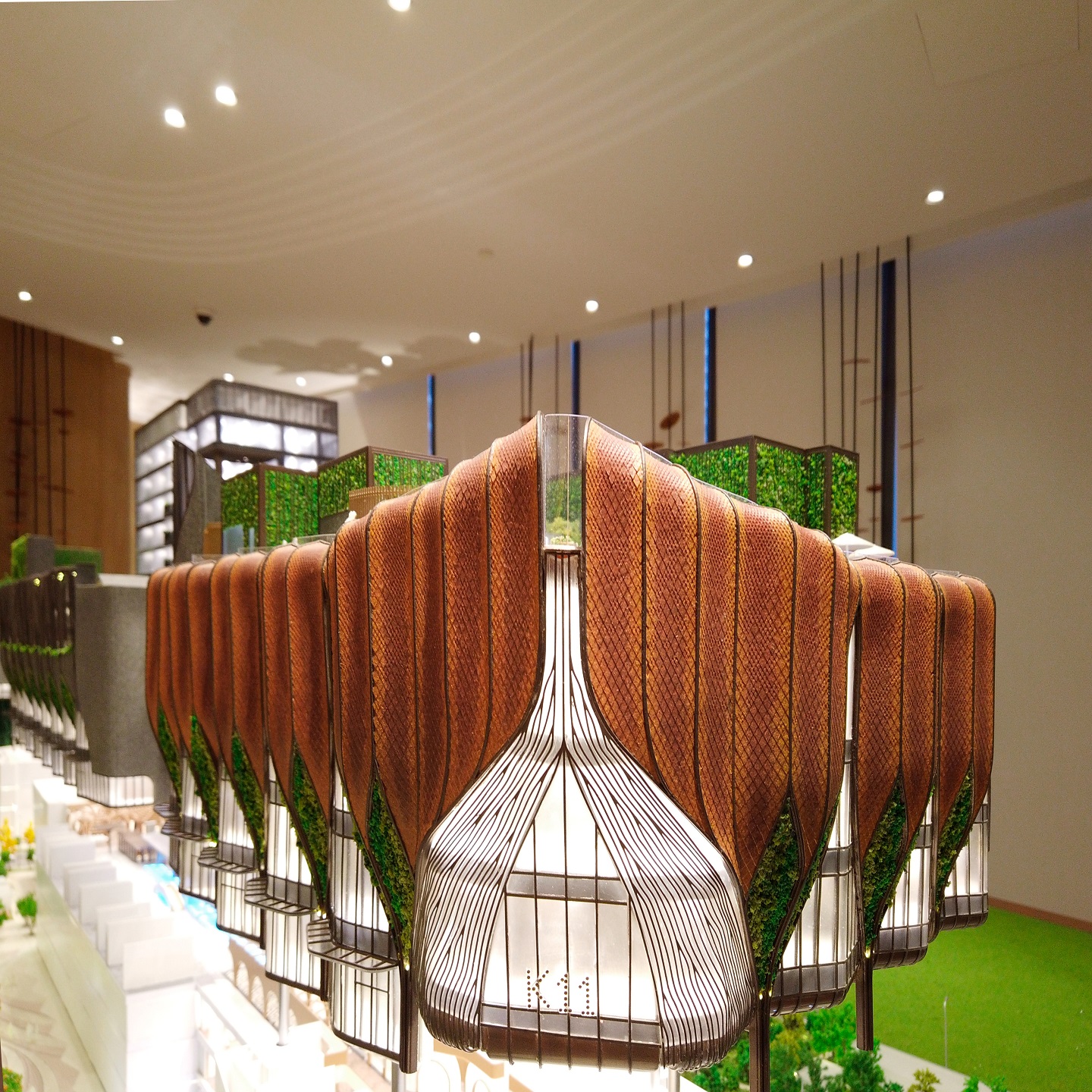
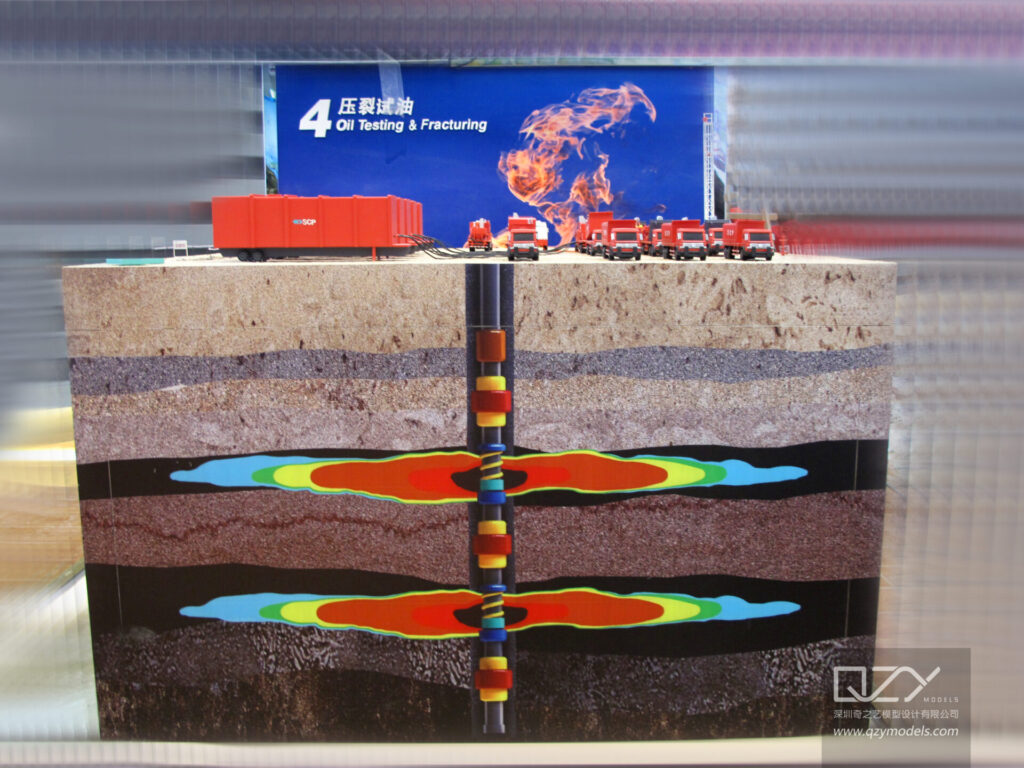
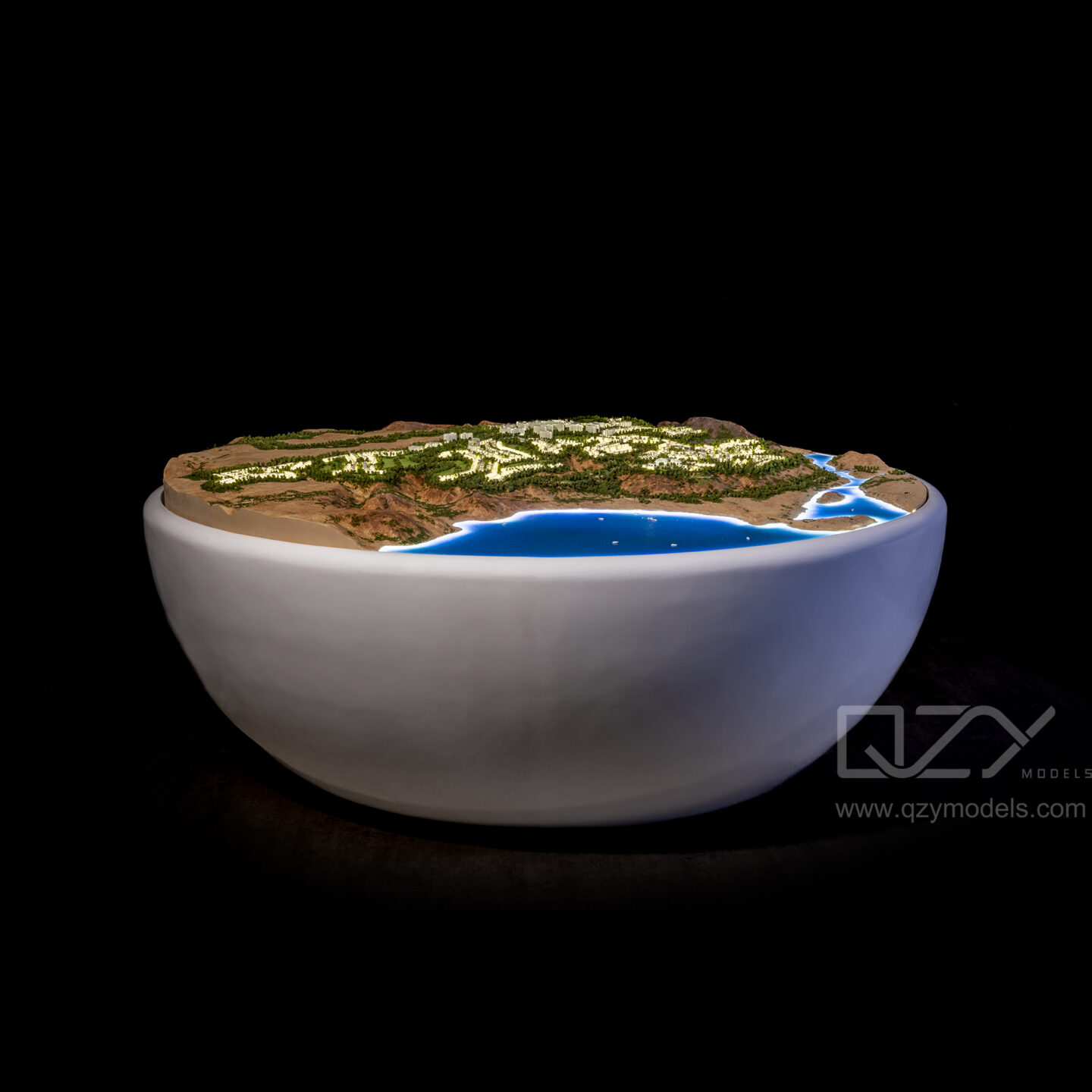
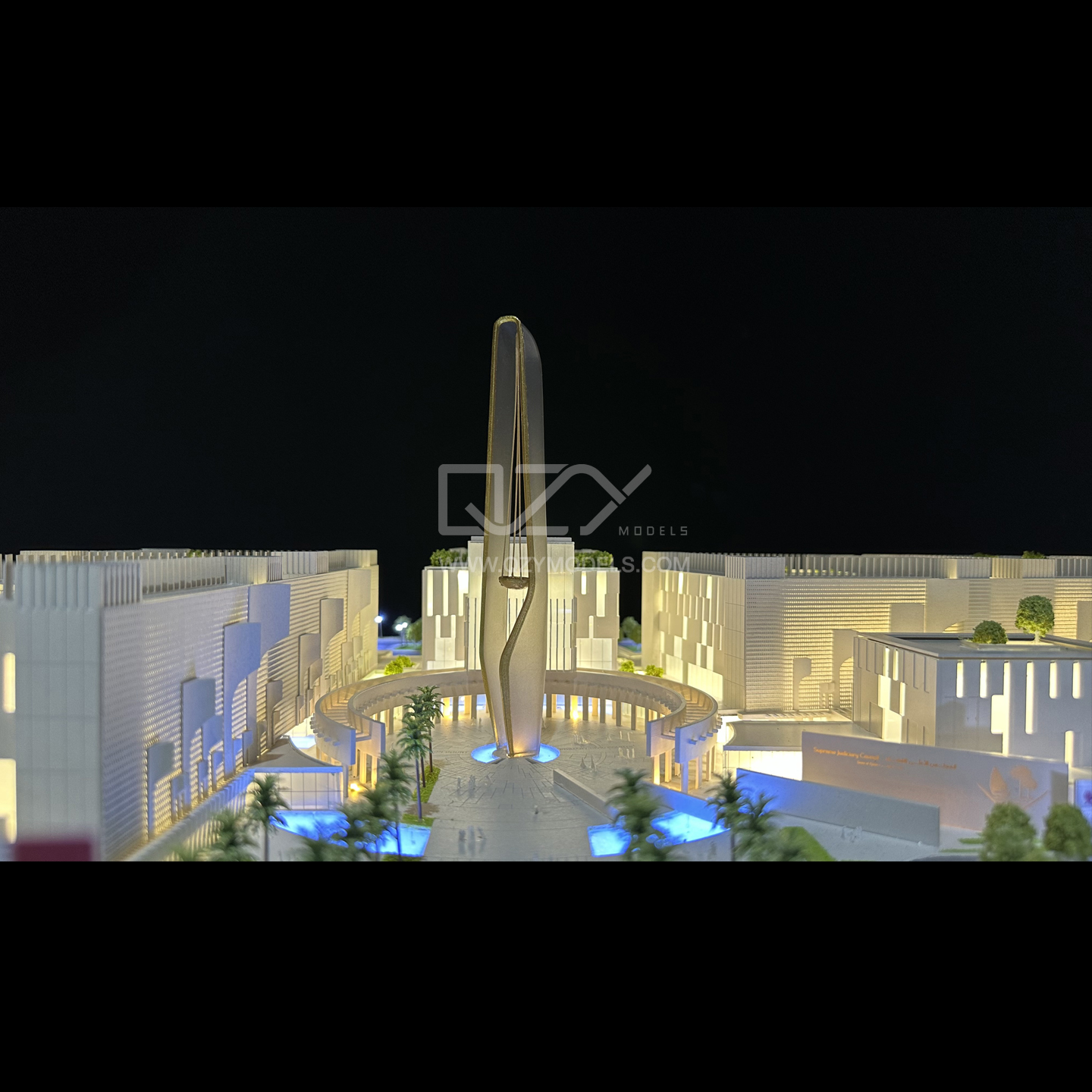
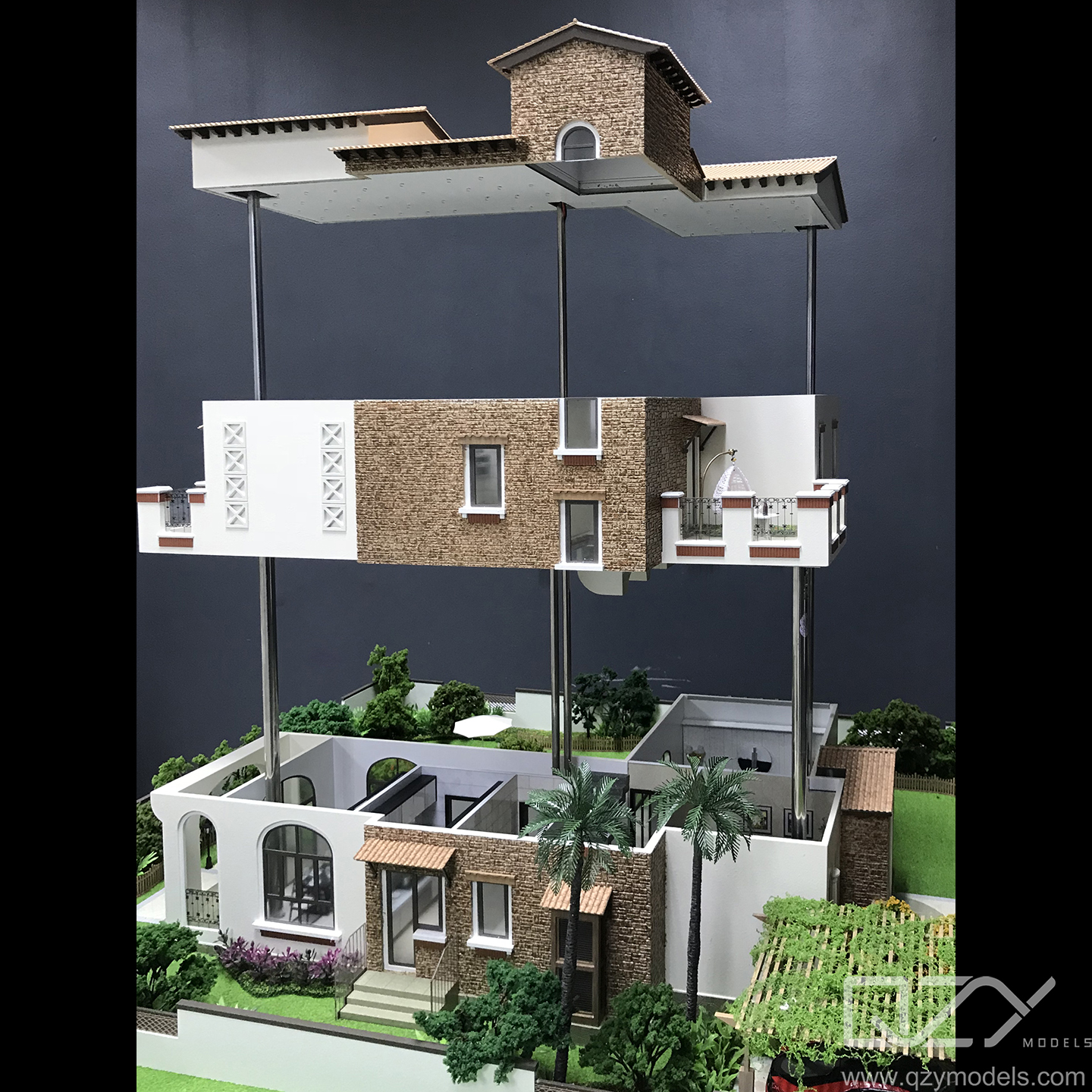
The architecture industry faces mounting pressure to deliver precise, rapid prototypes amid complex designs and tight deadlines. 3D printing emerges as a transformative solution, enabling architects and developers to create detailed physical models with unmatched speed and accuracy. QZY Models leverages this technology to produce high-quality architectural models, reducing production time by up to 70% while maintaining photorealistic finishes for global clients.
What Challenges Does the Architecture Industry Face Today?
The architecture sector grapples with escalating project complexities and resource constraints. According to the American Institute of Architects (AIA), 78% of firms reported delays in 2024 due to model-making bottlenecks, with traditional methods consuming 20-30% of project timelines. This creates tight urgency as developers demand faster visualizations to secure approvals and funding.
Labor shortages exacerbate the issue, with skilled model makers dwindling by 15% annually per industry reports from Dodge Data & Analytics. Firms lose competitive edges when physical models—essential for stakeholder buy-in—take weeks to complete, inflating costs by 25-40% on average.
Rising material waste from manual crafting adds environmental strain, as noted in a 2025 McKinsey sustainability report, where architecture contributes 39% of global carbon emissions partly due to inefficient prototyping.
Why Do Traditional Solutions Fall Short?
Traditional model-making relies on foam carving, wood milling, and hand-assembly, which demand extensive craftsmanship. These methods limit geometric complexity, often failing to capture intricate facades or undercuts, leading to 30% rework rates as per AIA surveys.
CNC milling offers precision but requires costly tooling setups averaging $5,000-$10,000 per project, unsuitable for iterative designs. Hand-finishing remains labor-intensive, with production times spanning 4-6 weeks versus days needed for modern workflows.
Scalability suffers too; large urban models exceed manual capacities, forcing compromises on detail. QZY Models highlights how these approaches yield 40% higher costs and slower turnarounds compared to advanced alternatives.
What Makes 3D Printing the Ideal Solution for Architectural Models?
3D printing builds models layer-by-layer from digital files, supporting scales from 1:500 site plans to 1:50 building details. QZY Models integrates FDM for large bases and SLA resin printers for 0.05mm resolution, capturing fine textures, windows, and landscaping.
Core capabilities include rapid prototyping in 24-72 hours, material versatility like PLA, PETG, and resins, plus hybrid post-processing with painting, LEDs, and real inserts like glass or metal. This enables photorealistic, interactive models for exhibitions and presentations.
QZY Models’ Shenzhen facility, with global branches in UAE and Egypt, handles end-to-end workflows—from Revit exports to display-ready units—serving clients like Foster + Partners across 20+ countries.
How Do 3D Printing Solutions Compare to Traditional Methods?
| Aspect | Traditional (Foam/CNC/Hand) | 3D Printing (QZY Models) |
|---|---|---|
| Production Time | 4-6 weeks | 3-7 days |
| Precision | 0.5-1mm; limited geometries | 0.05-0.1mm; complex shapes |
| Cost per Model | $10,000-$50,000 | $3,000-$15,000 |
| Material Waste | 30-50% | <5% |
| Iterations | Costly rework | Unlimited, low extra cost |
| Scalability | Manual limits on size | Modular, up to 10m+ |
What Is the Step-by-Step Process for 3D Printed Architectural Models?
-
Design Phase: Import or create 3D files in Rhino, Revit, or SketchUp, optimizing for scale, supports, and details like interiors or vegetation.
-
Export and Slicing: Convert to STL format, slice with Cura or PrusaSlicer to set layer height (0.1mm typical), infill (20-40%), and print orientation.
-
Printing: Use industrial FDM/SLA printers; QZY Models employs Formlabs Form 4 for high-detail runs, monitoring for defects over 12-48 hours.
-
Post-Processing: Remove supports, sand surfaces, apply airbrush paints, integrate LEDs or real materials for realism.
-
Assembly and QA: Modular assembly for large models, final inspections ensuring 99% dimensional accuracy before shipping.
Who Benefits Most from QZY Models’ 3D Printing Services?
Scenario 1: Architectural Firm Pitching a High-Rise
Problem: Tight deadline for investor presentation; traditional model takes 5 weeks.
Traditional: Foam mockup with rough details, delaying approval.
After QZY: 1:200 scale model with LED lighting delivered in 5 days.
Key Benefits: Won $50M contract; 60% time savings, enhanced visualization.
Scenario 2: Real Estate Developer Urban Plan
Problem: Complex site with phasing; manual models miss interconnections.
Traditional: CNC-cut modules assembled slowly, high waste.
After QZY: Modular 1:500 print with textures, ready in 1 week.
Key Benefits: Faster zoning approval; 40% cost reduction, stakeholder alignment.
Scenario 3: Government Urban Planning Project
Problem: Large-scale masterplan needs public display accuracy.
Traditional: Hand-carved prone to errors, 8-week timeline.
After QZY: 2m x 2m hybrid model with vegetation, completed in 10 days.
Key Benefits: Public engagement boosted; 70% faster, precise sustainability demo.
Scenario 4: Exhibition Organizer Trade Show Booth
Problem: Interactive pavilion model for global fair.
Traditional: Labor-heavy, inflexible for changes.
After QZY: AR-integrated print with metal accents, shipped to Dubai in 4 days.
Key Benefits: Attracted 20% more leads; scalable for Middle East events.
Why Adopt 3D Printing for Architecture Now?
Future trends point to hybrid digital-physical workflows, with AI slicing and metal printing enabling structural tests by 2027. McKinsey predicts 3D printing will cut prototyping costs 50% industry-wide by 2030.
QZY Models positions clients ahead with proven scalability for Middle East megaprojects and European tenders. Delaying adoption risks falling behind as 65% of firms plan integration per 2025 Deloitte reports.
Frequently Asked Questions
How accurate are 3D printed architectural models?
They achieve 0.05-0.1mm resolution, matching or exceeding manual precision for facades and details.
What materials does QZY Models use for 3D printing?
Options include PLA, PETG, resins, nylon, and hybrids with glass or metal for durability.
Can 3D printing handle large-scale urban models?
Yes, via modular printing up to 10m+ assemblies, ideal for masterplans.
How long does QZY Models take to deliver?
Typically 3-10 days, depending on complexity, versus weeks for traditional methods.
Is 3D printing cost-effective for prototypes?
Absolutely, reducing expenses by 40-60% through minimal waste and rapid iterations.
What post-processing options are available?
Sanding, painting, LED integration, and real material inserts for photorealism.
Sources
-
https://www.qzymodels.com/can-3d-printed-architectural-models-transform-design/
-
https://www.qzymodels.com/what-is-3d-printing-in-architecture/
-
https://www.aiacontracts.com/articles/architectural-model-making-trends-2024
-
https://www.constructiondive.com/news/dodge-data-analytics-labor-shortage-architecture/