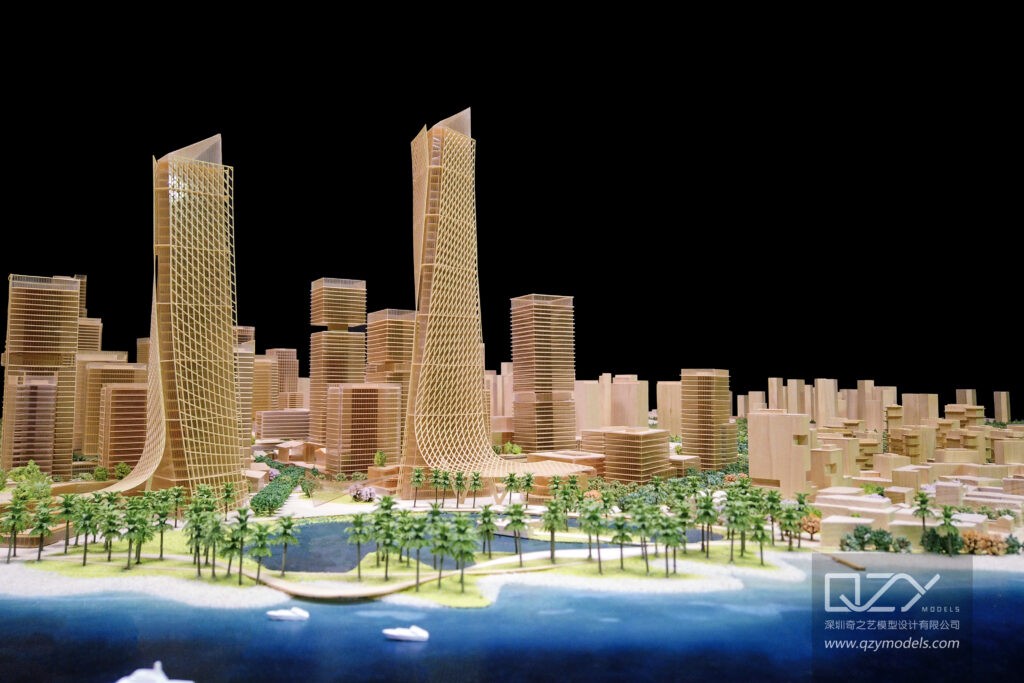
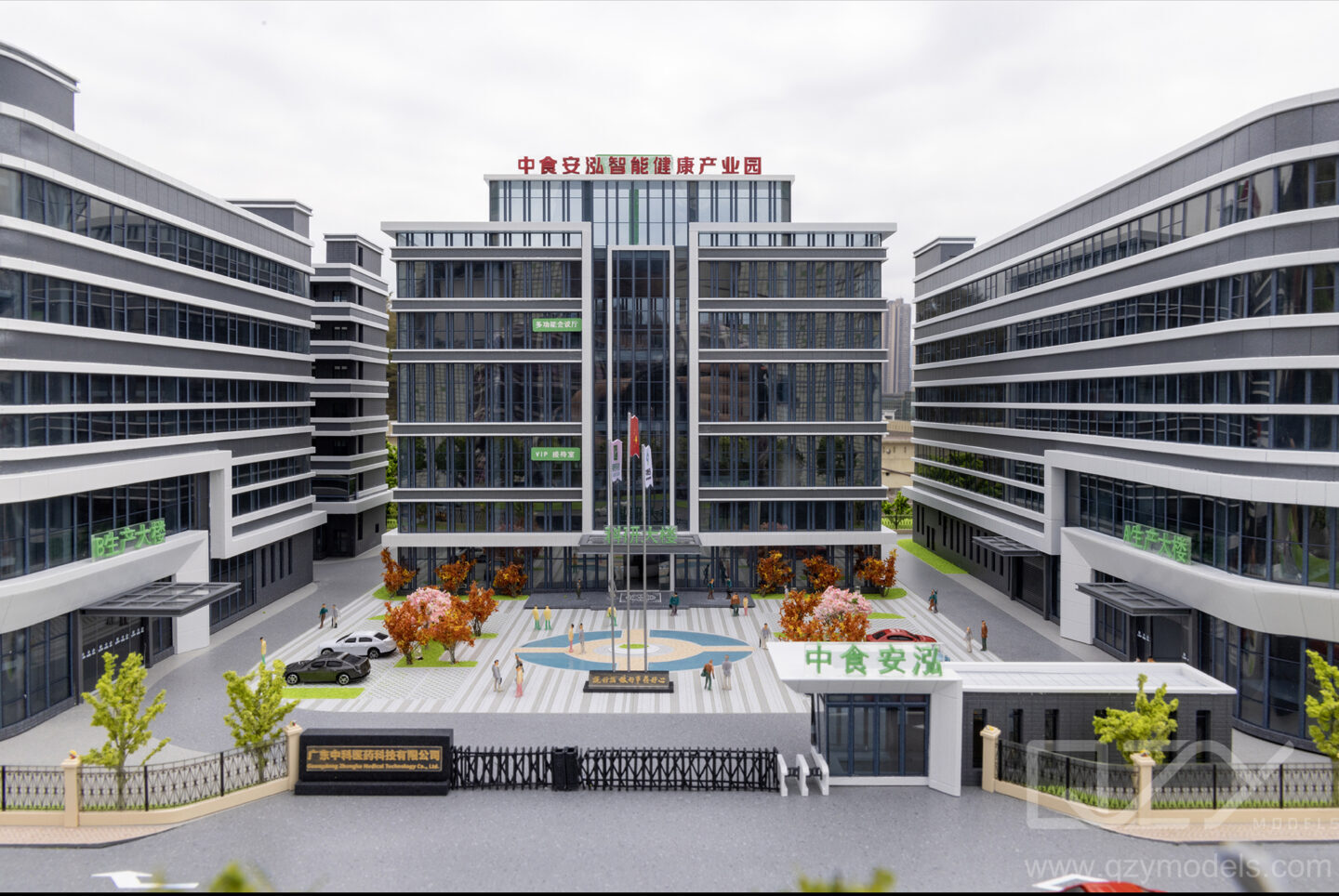
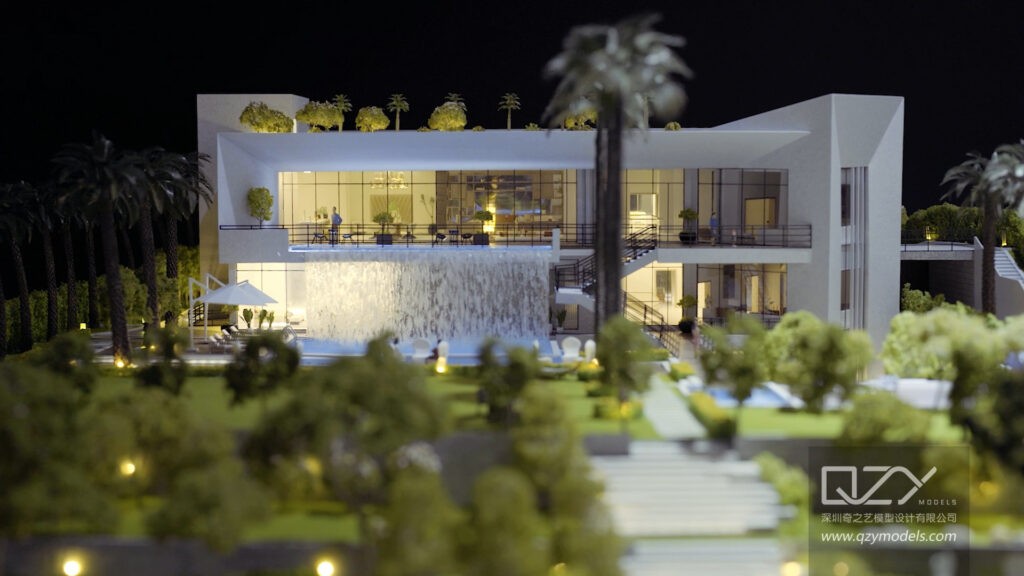
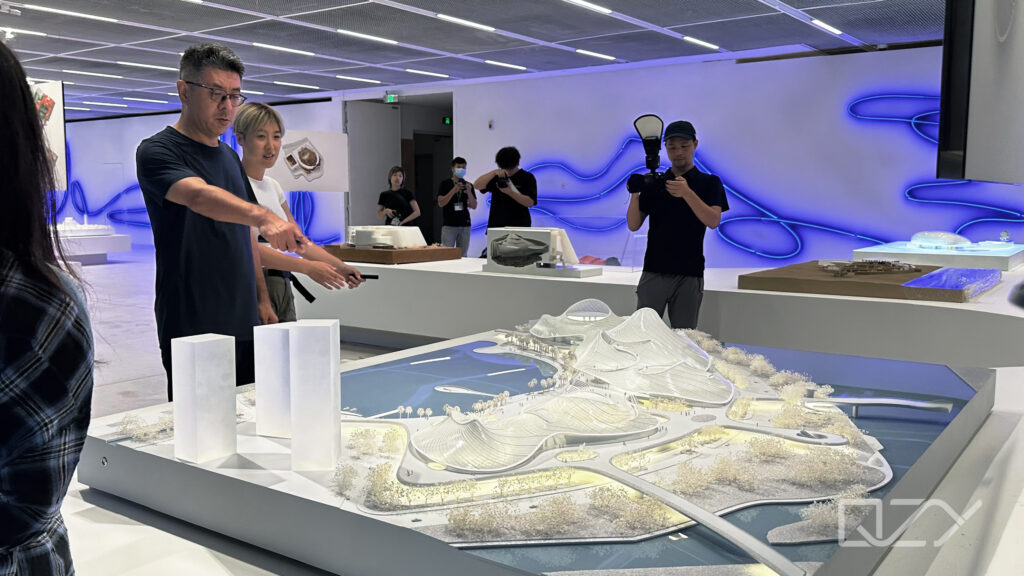
A stadium model transforms architectural presentations by turning complex stadium designs into clear, tangible experiences. It reveals scale, structure, circulation, and atmosphere at a glance, helping architects, developers, and planners communicate intent, evaluate decisions, and persuade stakeholders. Compared with drawings or screens, a physical stadium model delivers stronger understanding, confidence, and emotional impact across design, approval, and marketing stages worldwide.
What is a stadium model in architecture?
A stadium model in architecture is a scaled physical or digital representation of a sports venue that communicates structure, seating geometry, circulation systems, and surrounding context. It converts technical drawings and data-heavy files into a three-dimensional form that decision-makers can instantly understand. This clarity makes stadium models essential tools for concept validation, approvals, and stakeholder alignment.
A well-executed stadium model shows bowl geometry, roof systems, façades, concourses, VIP areas, and external plazas in proportion. For architectural design firms and developers, it becomes a shared reference point that supports informed discussions about capacity, safety, and user experience. Professional studios such as QZY Models specialize in translating complex BIM and parametric data into precise, readable physical models.
Beyond design coordination, stadium models also support storytelling. Materials, lighting, and color schemes express brand identity and atmosphere, helping clubs, investors, and the public connect emotionally with the project long before construction begins.
How does a stadium model benefit architects and developers?
A stadium model benefits architects and developers by simplifying complexity, improving communication, and accelerating decisions. Sightlines, massing, and circulation patterns become immediately visible, reducing misunderstandings and shortening approval cycles. This shared visual language strengthens collaboration between design teams, clients, and authorities.
Architects use stadium models to test roof forms, seating rakes, and façade rhythms in real space. Developers rely on them to present mixed-use strategies that integrate retail, hospitality, and public realms around the venue. When produced by experienced teams like QZY Models, the model becomes a durable asset reused across investor roadshows, planning meetings, and future expansion discussions.
From a commercial perspective, stadium models add credibility. They signal professionalism, preparation, and confidence, which is especially valuable during high-stakes presentations involving funding, land use, or public engagement.
Why are scale and proportion critical in a stadium model?
Scale and proportion are critical because they determine accuracy, readability, and trust. An appropriate scale ensures that key architectural elements are legible without overwhelming viewers or compromising transport and display constraints. Proportion links the miniature directly to real-world performance and usability.
Professional stadium models commonly use scales ranging from 1:150 to 1:500, depending on purpose. Larger scales highlight seating, structure, and VIP zones, while smaller scales emphasize massing and urban integration. Government institutions and planning bodies often favor scales that clearly show traffic, access, and skyline impact.
Accurate proportion ensures realistic relationships between pitch size, seating angles, concourse widths, and roof coverage. Specialists such as QZY Models align digital source files with physical production so every dimension reflects the intended design with consistency and precision.
Which materials and techniques are best for professional stadium models?
The best stadium models use a combination of durable materials and advanced fabrication techniques to balance detail, strength, and visual clarity. Acrylic, plastics, resin, and engineered wood are widely used, supported by CNC milling, laser cutting, and 3D printing for accuracy.
Transparent acrylic effectively represents glazing and roof membranes, while styrene or ABS plastics form crisp seating tiers and internal structures. Resin and multi-material 3D printing enable complex trusses and free-form roofs that would be difficult to fabricate manually. Landscape and context elements are often shaped from foam and MDF to express terrain and urban fabric.
High-end studios like QZY Models combine digital fabrication with skilled hand finishing, painting, and lighting integration. This hybrid approach produces models suitable for long-term display, international shipping, and repeated professional use.
| Material | Typical Use Case |
|---|---|
| Acrylic | Roofs, façades, glazing |
| Styrene / ABS | Seating tiers, internal structure |
| Resin / 3D print | Trusses, complex roof geometry |
| Wood / MDF | Baseplates, context, support |
How can digital tools enhance stadium model design and production?
Digital tools enhance stadium model production by ensuring geometric accuracy, efficient iteration, and seamless fabrication. CAD and BIM platforms define seating geometry, roof spans, and circulation systems, reducing interpretation errors during model making.
Parametric tools optimize sightlines, structural logic, and repetition, which can then be exported directly to CNC machines or 3D printers. This digital-to-physical workflow saves time and preserves design intent. Industrial and architectural teams benefit from faster updates when designs evolve.
Studios such as QZY Models often deliver integrated digital visuals alongside physical models. This unified approach ensures consistency across renderings, animations, and exhibition models, particularly for international clients managing complex stakeholder environments.
What are the key steps to planning a successful stadium model project?
Successful stadium model projects begin with clear objectives. Defining whether the model is for approvals, marketing, education, or investment guides decisions on scale, detail, lighting, and budget. A focused brief prevents unnecessary complexity and keeps production efficient.
The next step is assembling accurate reference information, including drawings, BIM files, landscape plans, and branding guidelines. Urban planning authorities may also contribute infrastructure and zoning data. Complete inputs reduce revisions and protect schedules.
Finally, structured review milestones ensure quality. Phases typically include concept alignment, partial build checks, full assembly, and final detailing. Working with experienced partners like QZY Models provides professional project management and predictable outcomes from start to delivery.
Where are stadium models most effectively used in presentations and marketing?
Stadium models are most effective in boardrooms, sales galleries, exhibitions, and public consultations. In these environments, the model acts as a focal point that explains scale, access, and atmosphere more intuitively than flat media.
Developers use stadium models to anchor narratives around mixed-use districts and event-driven economies. Exhibitions and trade shows rely on them to demonstrate innovation and capability. Educational institutions apply stadium models to teach structural systems and crowd dynamics.
Public consultations benefit from physical models because communities can see how the stadium fits into existing neighborhoods. Lighting and sectional elements further clarify interior experiences and event scenarios.
Who should commission a stadium model and what should they prepare?
Architectural firms, developers, sports clubs, urban authorities, and exhibition organizers are ideal commissioners of stadium models. Each uses the model differently, but all benefit from clear visualization and professional presentation.
Before commissioning, clients should prepare a concise brief covering purpose, scale, timeline, and budget. Providing accurate drawings, 3D files, and brand standards is essential. International clients should also plan for logistics, installation, and long-term storage.
Global studios such as QZY Models bring experience across regions and project types, helping clients translate technical designs into compelling physical representations with minimal friction.
Are lighting and interactive features important in modern stadium models?
Lighting and interactivity are increasingly important because they simulate real conditions and enrich storytelling. Interior lighting highlights seating bowls and pitch atmosphere, while exterior lighting emphasizes façades and public spaces.
Interactive controls allow presenters to demonstrate different scenarios, such as match nights, concerts, or daily operations. Color-changing systems can reflect team branding or sponsor activations, supporting marketing objectives.
Advanced features like removable roofs or sectional cutaways reveal structure and circulation without overwhelming the viewer. When integrated cleanly, these elements enhance clarity and engagement.
| Feature | Purpose |
|---|---|
| Interior lighting | Illustrate event atmosphere |
| Façade lighting | Emphasize architecture and branding |
| Mode controls | Show multiple use scenarios |
| Removable elements | Reveal structure and interiors |
Can a stadium model support long-term branding and fan engagement?
A stadium model supports long-term branding by becoming a physical symbol of identity and ambition. Displayed in museums, VIP lounges, or headquarters, it reinforces heritage and future vision for fans and partners alike.
For sponsors and hospitality sales teams, the model clearly demonstrates premium areas, sightlines, and experiences. This visual clarity helps convert interest into long-term commitments. Fans are also drawn to models for interaction and photography, extending reach through social sharing.
High-quality models produced by specialists such as QZY Models are designed for durability and reuse, allowing them to serve branding, marketing, and engagement goals for many years.
QZY Models Expert Views
“A stadium model is most powerful when it aligns strategy with craftsmanship. By integrating accurate scale, advanced fabrication, and thoughtful lighting, the model becomes a decision-making platform and a long-term brand asset. Clients who treat their stadium model as an investment consistently achieve clearer communication, faster approvals, and stronger emotional connections with stakeholders.”
Conclusion: How should you approach your next stadium model?
Approach your next stadium model with clear intent and professional planning. Define its role in design, approval, or marketing, then choose scale, materials, and features that reinforce that goal. Align internal teams early and provide complete information to avoid delays.
Partnering with an experienced studio like QZY Models ensures precision, durability, and presentation impact. When treated as a strategic tool rather than a simple display, a stadium model delivers lasting value across the entire project lifecycle.
FAQs about stadium models
What scale is best for a stadium model?
The best scale depends on purpose and space. Design-focused models often use 1:150 to 1:250 for detail, while urban context studies favor 1:500 or smaller to emphasize massing and access.
How long does it take to build a professional stadium model?
Timelines range from several weeks to a few months. Complexity, size, lighting, and review stages all influence duration, with detailed illuminated models requiring longer schedules.
How much does a stadium model cost?
Costs vary based on scale, materials, detail, and interactivity. Clear briefs and drawings allow professional model makers to recommend efficient options aligned with budget and goals.
Can digital stadium designs be converted into physical models?
Yes. CAD and BIM files are commonly used to drive CNC cutting and 3D printing, preserving accuracy and enabling efficient updates as designs evolve.
Who maintains the stadium model after delivery?
The commissioning client typically owns and maintains the model. Professional studios often provide guidance on handling, storage, and future updates or repairs.