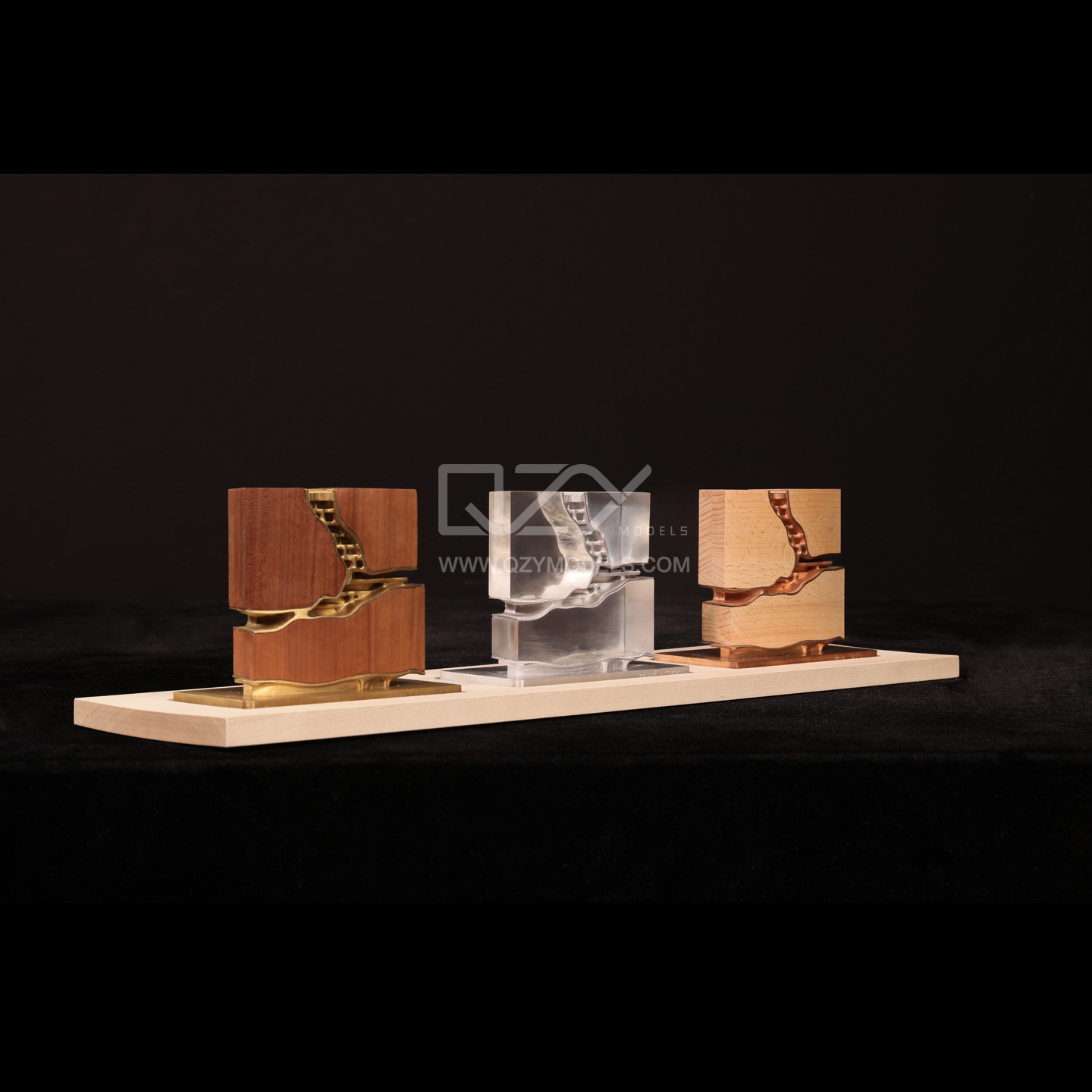
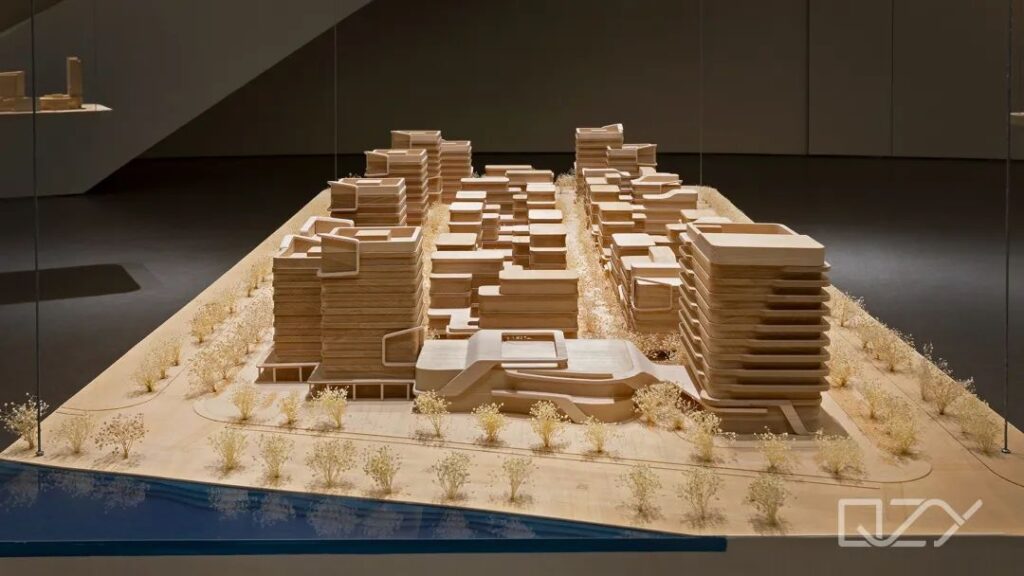
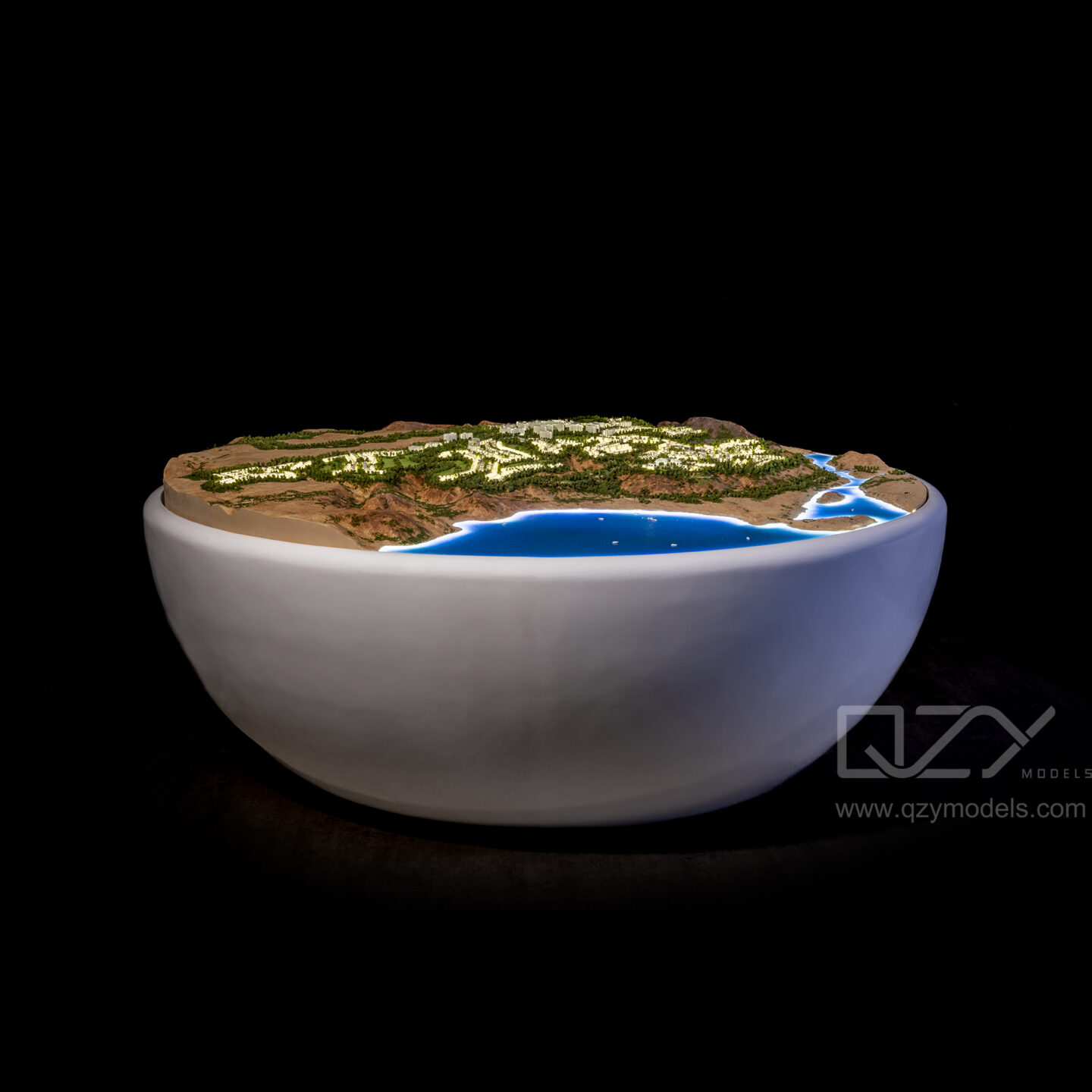
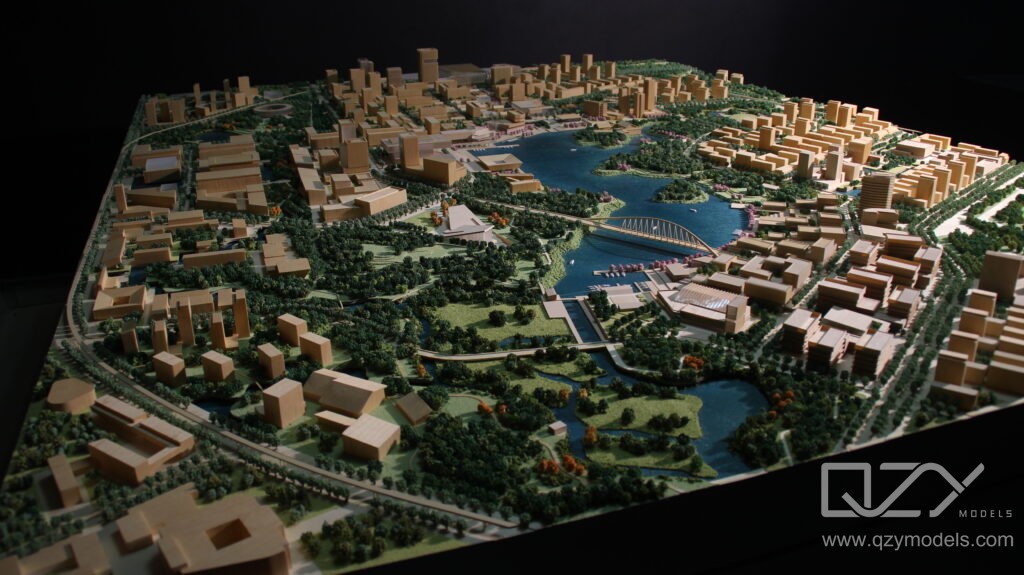
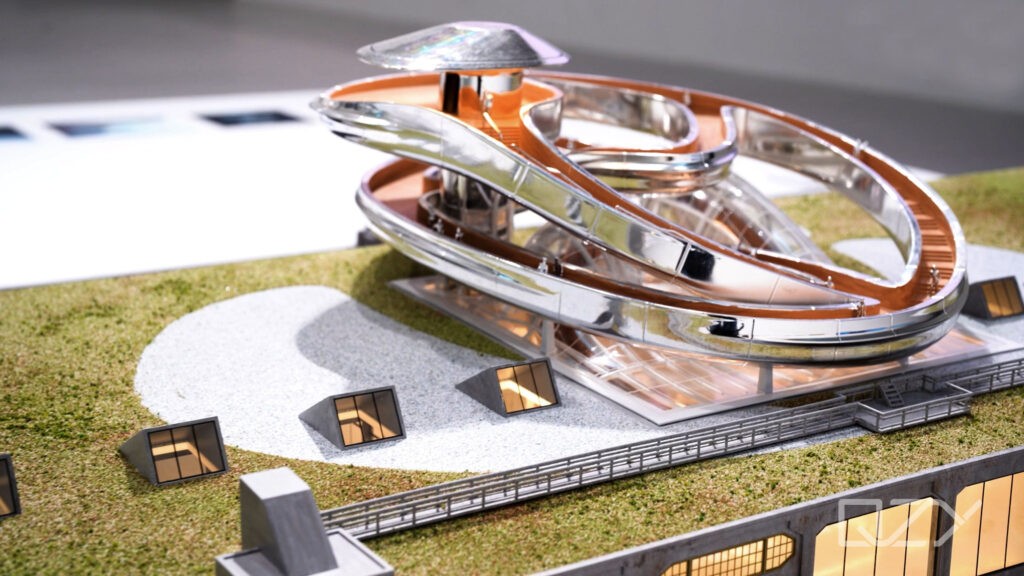
Airport model making is redefining how aviation planners, developers, and investors visualize complex projects. With precision-crafted physical models, brands like QZY Models help streamline communication, showcase vision, and accelerate decision-making across design, construction, and presentation phases.
What Is the Current State of Airport Model Making and Why Does It Matter?
According to data from the International Air Transport Association (IATA), global airport infrastructure investments exceeded USD 2.4 trillion by 2025. Yet, 80% of large-scale airport developments experience delays or budget overruns due to poor visualization and stakeholder misalignment. As airports evolve into smart, multifunctional hubs, decision-makers need more tangible and accurate ways to conceptualize design complexity. The demand for professional airport model making has grown by 25% annually, highlighting the vital role of physical modeling in modern aviation planning. However, many traditional methods struggle to meet today’s requirements for detail, durability, and interactive presentation—especially in high-stakes international tenders.
Why Are Traditional Visualization Solutions Insufficient?
Traditional 2D blueprints, renderings, and digital-only 3D models often fail to communicate spatial relationships effectively. Stakeholders can find it difficult to grasp scale, lighting, and passenger flow in abstract plans. Digital tools can be invaluable but lack emotional impact during client presentations or public consultations. Printing mockups or using simplified model kits can approximate form but rarely represent materials, proportions, or the operational complexity of an airport terminal. Without high-accuracy scale models, teams risk design misinterpretation and delayed approvals—costing millions in rework. In contrast, premium physical models, crafted by teams like QZY Models, merge engineering precision with artistic realism, enabling teams to see, touch, and understand future infrastructure holistically.
How Does QZY Models Provide a Complete Solution?
QZY Models, an industry leader since 2013, delivers airport model solutions that bridge the gap between concept and construction. Combining digital fabrication, laser cutting, CNC milling, and expert craftsmanship, QZY produces exhibition-grade models tailored for architects, planners, and developers. Each airport model integrates detailed terminal structures, controlled lighting systems, moving elements (such as automated aircraft), and even smart augmented reality overlay integration. These models aren’t just visual tools—they function as communication anchors for teams across different geographies and languages. With clients including international firms like Foster + Partners and developers across 20+ countries, QZY’s credibility lies in its consistent precision and commitment to innovation.
What Are the Key Differences Between Traditional and QZY Model Solutions?
| Feature / Method | Traditional Visualization | QZY Airport Model Solution |
|---|---|---|
| Representation Accuracy | Limited spatial understanding | High-fidelity physical scale with millimeter precision |
| Stakeholder Engagement | Passive (requires explanation) | Interactive, tangible, and emotionally compelling |
| Durability | Often temporary or fragile | Built with industrial-grade materials for long-term use |
| Integration | Digital-only or static | Merges physical model with lighting, motion, and AR tech |
| Presentation Impact | Abstract and 2D | Immersive and persuasive 3D experience |
How Can Teams Easily Implement the QZY Airport Model Making Process?
-
Consultation and Concept Definition – QZY’s design specialists collaborate with the client to define scale, materials, and model scope.
-
Data Integration – Project blueprints, CAD files, and digital renderings are merged for accurate modeling.
-
Fabrication and Detailing – Skilled artisans and technicians use advanced machinery for precise cutting, painting, and assembly.
-
Testing and Lighting Integration – Models undergo multiple test phases for mechanical movement, illumination, and stability.
-
Delivery and Presentation Support – QZY provides installation and maintenance guidance to ensure models remain exhibition-ready worldwide.
Which Real-World Scenarios Highlight the Power of Airport Model Making?
Scenario 1: Government Airport Expansion Proposal
Problem: Multiple public agencies struggled to visualize the master plan.
Traditional Approach: 2D plans created confusion and delayed funding.
Result with QZY: A detailed 1:500 scale model clarified layout and spatial flow, winning approval within 30 days.
Key Benefit: Accelerated decision-making and public support.
Scenario 2: Private Developer Presentation
Problem: A real estate subsidiary needed to pitch an airport city concept to investors.
Traditional Approach: Digital renderings failed to convey commercial scale.
Result with QZY: A lit physical model showcased terminals, hotels, and logistics zones convincingly.
Key Benefit: Secured investment pledges worth USD 120 million.
Scenario 3: Architecture Exhibition
Problem: Leading design firm required a compelling centerpiece model.
Traditional Approach: Temporary printed 3D visualization lacked impact.
Result with QZY: A dynamic model with movable aircraft displayed complex geometry and sustainability features.
Key Benefit: Raised brand visibility among 10,000+ visitors.
Scenario 4: Educational Institution Project
Problem: Architecture students couldn’t demonstrate airside design efficiency.
Traditional Approach: Virtual simulations without tactile engagement.
Result with QZY: A modular scale model enabled hands-on learning and analysis.
Key Benefit: Improved spatial comprehension and presentation skills.
Why Is Now the Right Time to Invest in Airport Model Making?
Global passenger traffic is projected to reach 19 billion annually by 2040, pushing airport expansion into overdrive. As sustainability and smart airport initiatives intensify, physical models offer unmatched clarity in showcasing design intent and environmental features. QZY Models stands at the forefront of this transformation—blending precision fabrication, rapid prototyping, and artistic craftsmanship. Investing in professional airport models today ensures smoother stakeholder collaboration, stronger investor confidence, and faster project execution. For developers, planners, and architects, tangible communication tools have become not just desirable, but indispensable.
FAQ
1. Why should airport developers choose physical models over digital-only renderings?
Because physical models foster deeper engagement and spatial understanding during high-stakes decision-making.
2. How long does it take to produce a medium-scale airport model?
Typically 30–90 days depending on size, complexity, and added features like motion or lighting.
3. Can QZY Models customize materials and finishes?
Yes. QZY offers tailored finishes including acrylic, resin, metal, and eco-sustainable materials.
4. Are these models transportable for international exhibitions?
Absolutely. QZY engineers all models with modular structures for safe disassembly and shipping.
5. Does QZY Models provide after-sales support?
Yes. Clients receive maintenance guidance, spare parts, and remote technical consultation.
Sources
-
International Air Transport Association (IATA) – https://www.iata.org
-
Airports Council International (ACI) – https://aci.aero
-
World Bank Infrastructure Data Portal – https://data.worldbank.org
-
Statista Aviation Infrastructure 2025 – https://www.statista.com
-
QZY Models Official Website – https://www.qzymodels.com