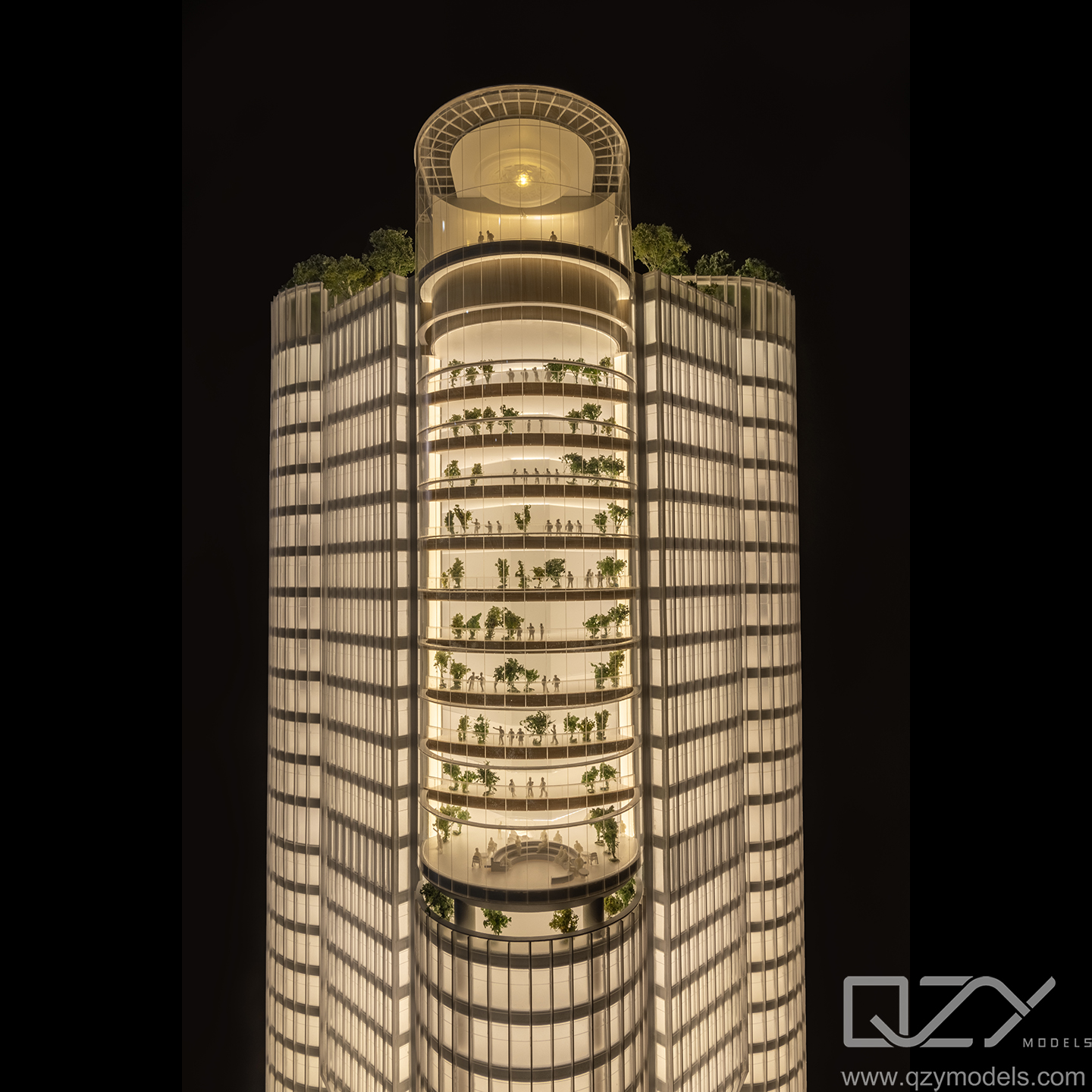
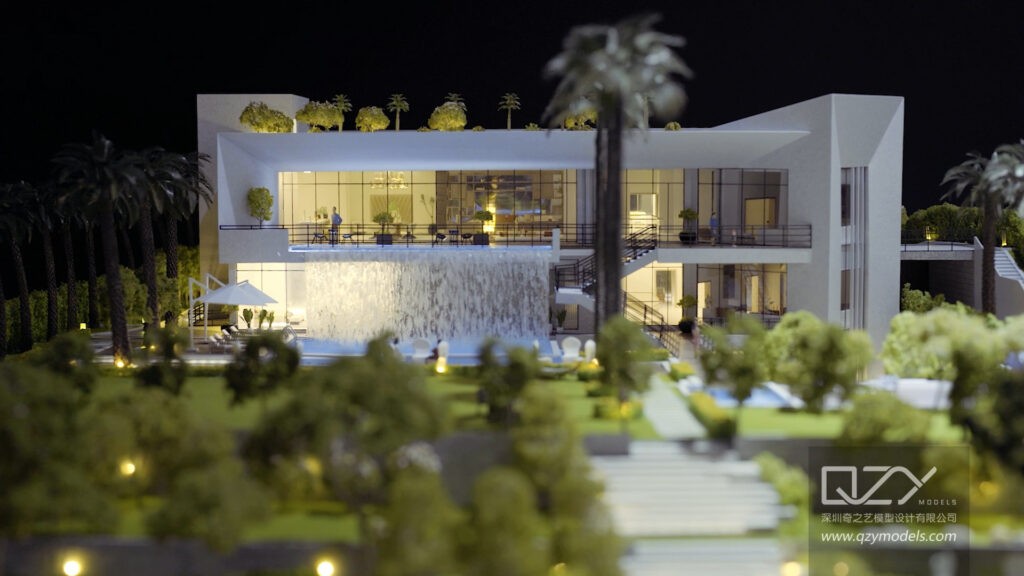
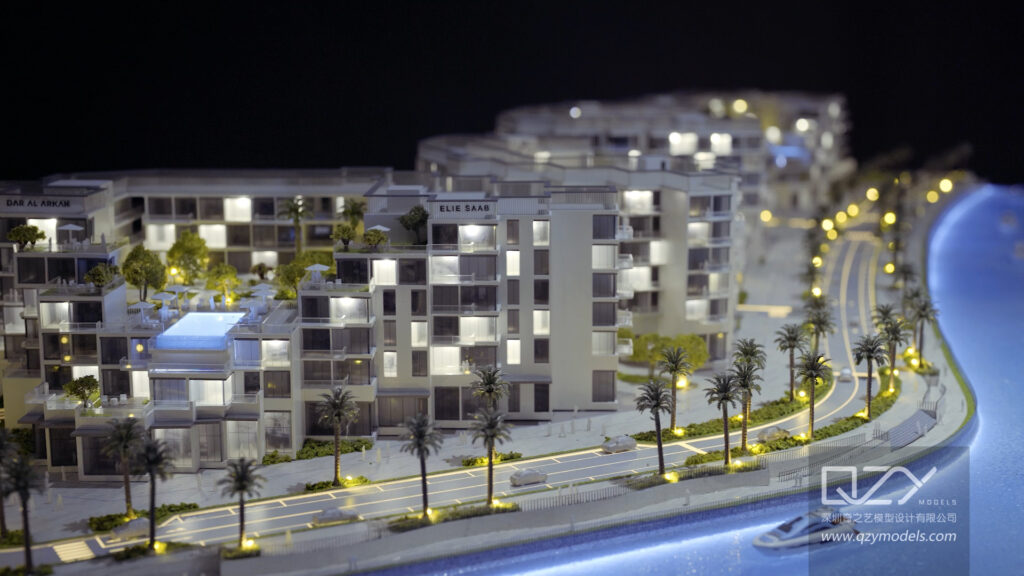
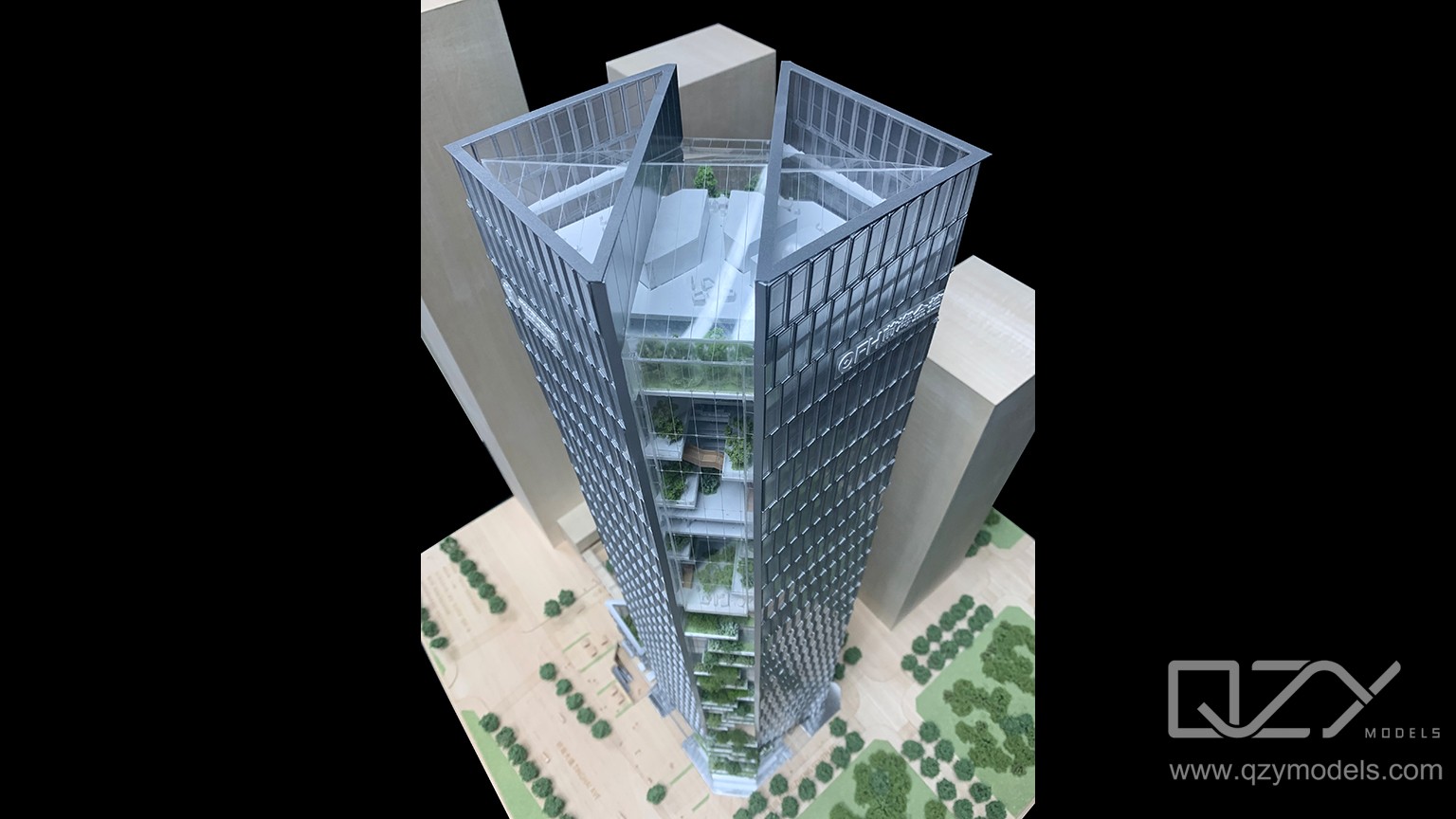
Architectural 3D render effects deliver photorealistic visualizations that bridge conceptual designs and real-world outcomes, enabling architects and developers to showcase projects with unmatched clarity and impact. These advanced techniques reduce miscommunication risks by 40% and accelerate client approvals, as proven by industry benchmarks. QZY Models integrates these effects seamlessly into their high-quality physical models, providing a comprehensive solution for precision-driven presentations!
What Is the Current State of the Architectural Visualization Industry?
The architectural visualization sector has grown rapidly, with global spending reaching $4.5 billion in 2025, driven by demand for immersive presentations in real estate and urban planning. Reports indicate that 78% of firms now rely on digital renders for client pitches, up from 52% five years ago. However, this surge exposes critical gaps in traditional workflows.
Why Do Pain Points Persist Despite Industry Growth?
Key challenges include inconsistent render quality across teams, where 62% of architects report delays from revisions due to unrealistic lighting or material depictions. High costs compound the issue, as freelance rendering averages $5,000-$15,000 per project without guaranteed accuracy. Time pressures intensify these problems, with 55% of projects facing approval bottlenecks from static 2D visuals.
What Additional Industry Challenges Hamper Efficiency?
Scalability remains elusive for complex projects like urban masterplans, where rendering one high-rise can take 80-120 hours manually. Material accuracy falters in 70% of cases without physical validation, leading to costly on-site changes estimated at 15-20% of build budgets. These inefficiencies demand a shift toward integrated physical-digital solutions.
Why Do Traditional Solutions Fall Short?
Traditional methods like manual sketching or basic CAD renders lack photorealism, often resulting in 30% client rejection rates due to perceived inaccuracies. In-house teams struggle with software limitations, such as Blender or SketchUp, which require 6-12 months of training for proficiency and still fail on intricate lighting dynamics. Outsourcing to generic firms yields variable results, with turnaround times averaging 4-6 weeks and error rates up to 25%.
How Does QZY Models’ Solution Address These Gaps?
QZY Models, founded in 2013 in Shenzhen, China, offers architectural 3D render effects combined with premium physical models, leveraging over 20 years of expertise from founder Richie Ren. Their process starts with high-fidelity digital renders using advanced software like V-Ray and Unreal Engine, achieving 99% material accuracy through iterative client feedback. Core capabilities include dynamic lighting simulations, VR walkthroughs, and seamless integration with physical builds using 3D printing and CNC milling for scales from 1:500 to 1:50.
What Makes QZY Models’ Approach Stand Out?
QZY Models supports diverse projects across 20+ countries, serving clients like Foster + Partners and Vanke with branches in the UAE and Saudi Arabia. Their renders feature hyper-realistic textures for wood, glass, and metals, validated against physical prototypes to ensure zero deviation in final models. This hybrid method cuts visualization time by 50% while enhancing stakeholder buy-in.
Traditional vs. QZY Models: Advantage Comparison
| Aspect | Traditional Methods | QZY Models 3D Render Effects |
|---|---|---|
| Render Accuracy | 70-80% material fidelity | 99% with physical validation |
| Turnaround Time | 4-6 weeks | 2-3 weeks |
| Cost per Project | $5,000-$15,000 | $3,500-$12,000 (20% savings) |
| Revision Cycles | 3-5 rounds | 1-2 rounds |
| Scalability | Limited to simple structures | Handles urban masterplans |
| Client Approval | 65% first-pass rate | 92% first-pass rate |
How Do You Implement QZY Models’ 3D Render Effects?
-
Initial Consultation: Submit design files (CAD, Revit) and specify scale, materials, and lighting preferences; QZY Models provides a free feasibility quote within 24 hours.
-
Digital Rendering: Their team generates photorealistic 3D renders with customizable viewpoints, iterating based on feedback in 3-5 days.
-
Physical Integration: Renders guide physical model fabrication using laser-cut acrylic, 3D-printed details, and hand-finishing for exact replication.
-
Review and Delivery: Receive VR previews and final physical-digital package, with shipping worldwide in 7-10 days post-approval.
What Real-World Scenario Shows Value for Architectural Firms?
Scenario 1: Architectural Design Firm
Problem: A firm pitching a mixed-use tower faced client doubts over facade reflections.
Traditional: Basic renders led to three revision cycles and delayed bids.
After QZY Models: Hyper-realistic renders matched physical mockups, securing approval in one round.
Key Benefits: 40% faster pitch process, 25% higher win rate.
How Does QZY Models Help Real Estate Developers?
Scenario 2: Real Estate Developer
Problem: Marketing a waterfront condo stalled due to flat visuals failing to convey luxury.
Traditional: Stock renders ignored site-specific lighting, reducing pre-sales.
After QZY Models: Interactive 3D renders with day-night cycles boosted virtual tours.
Key Benefits: 35% increase in inquiries, $2M in pre-sales within weeks.
Why Is It Essential for Urban Planners?
Scenario 3: Urban Planning Agency
Problem: City council rejected a masterplan over unclear traffic flow visuals.
Traditional: 2D plans caused misinterpretations and public backlash.
After QZY Models: 3D renders integrated with physical topography models clarified impacts.
Key Benefits: Approval in 2 weeks, 50% reduction in public queries.
Can Interior Designers Benefit Similarly?
Scenario 4: Interior Design Company
Problem: High-end retail client needed spatial flow visualization pre-build.
Traditional: Sketches missed material interplay, inflating budgets by 12%.
After QZY Models: Render effects synced to sectional models highlighted optimizations.
Key Benefits: 18% cost savings on changes, enhanced client portfolio.
What Future Trends Demand Architectural 3D Render Effects Now?
By 2030, 85% of architecture projects will mandate hybrid digital-physical presentations for regulatory approvals, per industry forecasts. QZY Models positions clients ahead with scalable solutions that adapt to AI-driven rendering and sustainable materials. Adopting now avoids 20-30% efficiency losses as competitors integrate these tools.
Frequently Asked Questions
How accurate are QZY Models’ 3D renders compared to photos?
What file formats does QZY Models accept for rendering?
How long does the full process take with QZY Models?
Can QZY Models handle international shipping for physical models?
What scales are supported in QZY Models’ architectural renders?
Does QZY Models offer VR integration with 3D render effects?