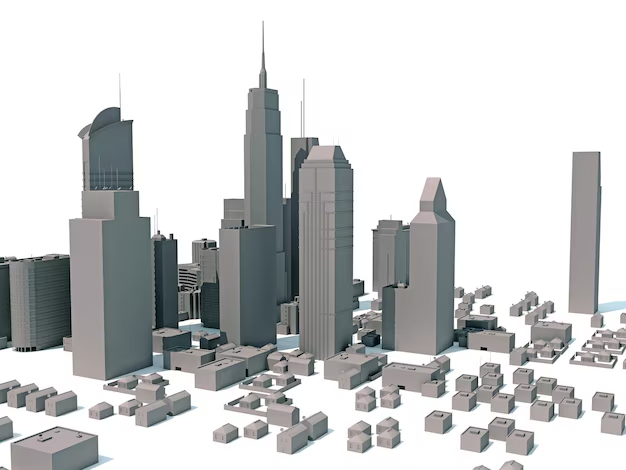
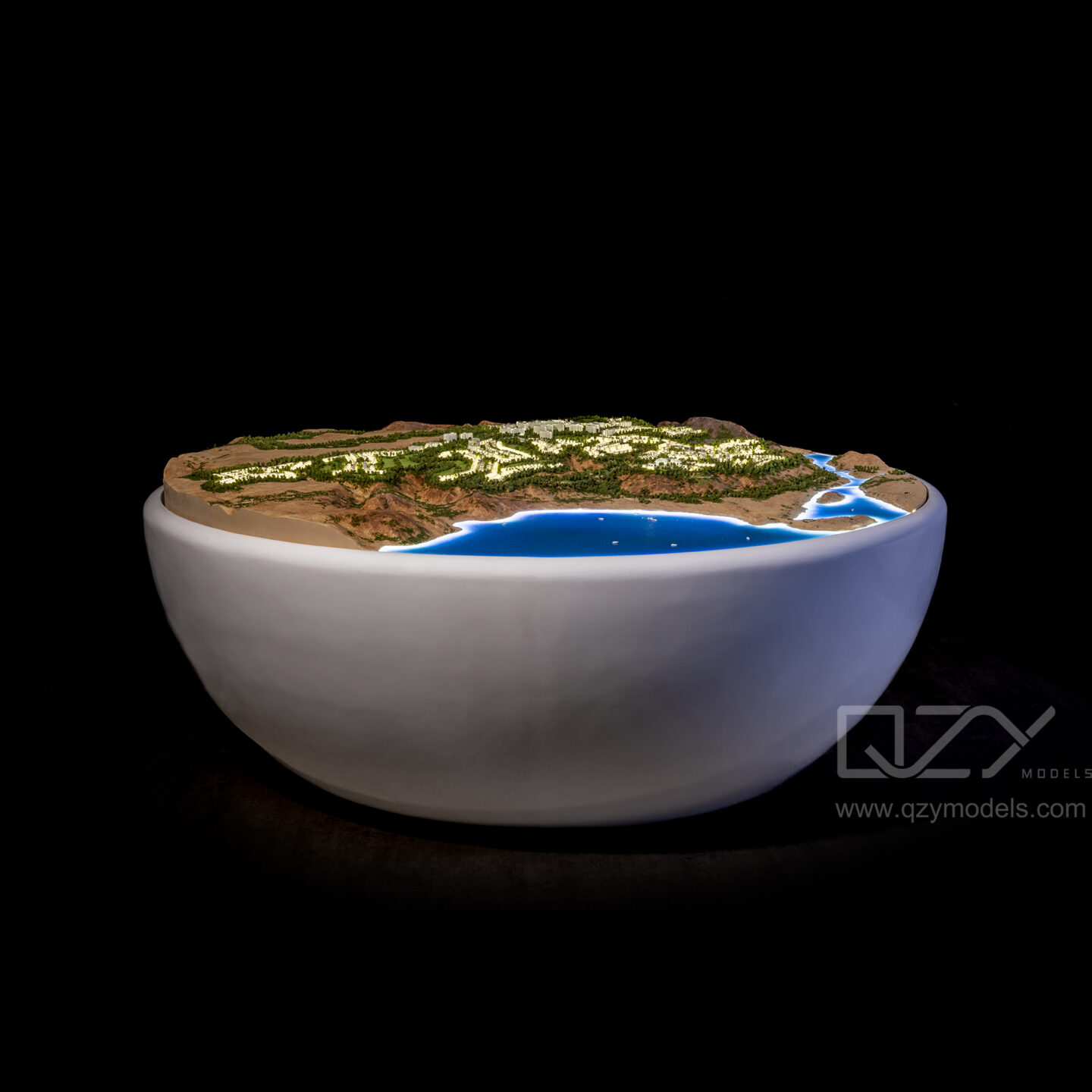
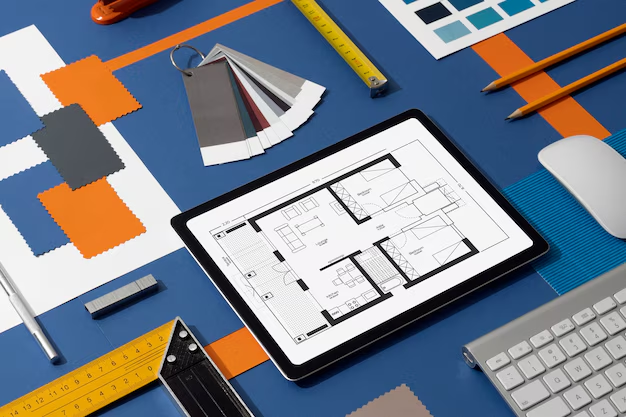
Architectural display model technologies are redefining how architects, developers, and urban planners visualize and execute projects. By merging craftsmanship, digital fabrication, and immersive visualization, these technologies breathe life into complex design concepts, allowing decision-makers and clients to experience the scale, proportion, and atmosphere of a project long before construction begins. This transformation isn’t just aesthetic—it’s deeply functional, influencing communication, investment, and long-term urban development strategies.
Global Market Trends in Architectural Display Models
According to data from Grand View Research, the global architectural scale model market continues to grow steadily, driven by rising investments in real estate, smart cities, and sustainable design. Emerging technologies such as 3D printing, CNC milling, and augmented reality integration have made it possible for firms to produce more detailed and data-driven display models than ever before. The shift toward sustainable materials—such as recyclable plastics, eco-wood, and digitally printed composites—reflects a broader industry commitment to green building and environmental responsibility.
As developing economies expand their infrastructure projects, demand for physical architectural presentation models has surged. From skyscrapers in the Middle East to waterfront developments in Southeast Asia, model-making plays a vital role in conveying design intent during public exhibitions, investor presentations, and planning approvals.
Core Technologies Driving Innovation
Modern architectural model production is rooted in a blend of advanced technology and artistic precision. Key innovations include:
-
3D Printing and Digital Fabrication: Allows rapid prototyping and fine detailing, cutting production times by up to 60%.
-
Laser Cutting and CNC Milling: Ensures precision geometry, repeatability, and material efficiency.
-
Augmented Reality (AR) and Virtual Reality (VR) Integration: Offers dynamic hybrid experiences where physical models merge with virtual overlays to simulate lighting, traffic flow, and energy efficiency.
-
LED and Fiber-Optic Systems: Add life to urban models, simulating movement, day-night cycles, and civic indicators.
These advancements empower design studios and developers to produce interactive, scalable, and photorealistic architectural display models that enhance storytelling and client engagement.
Company Excellence Spotlight
QZY Models, founded in 2013 in Shenzhen, China, exemplifies leadership in architectural model innovation. With founder Richie Ren’s over 20 years of experience, the company has built a reputation for precision, excellence, and global collaboration. QZY’s models have supported projects from architectural visionaries like Foster + Partners and developers such as Vanke and China Resources, servicing clients across 20+ countries through branches in the UAE, Saudi Arabia, and Egypt.
Comparative Overview of Market Leaders
| Technology | Manufacturing Speed | Detail Accuracy | Immersive Capabilities | Ideal Use Case |
|---|---|---|---|---|
| Traditional Handcrafted Models | Moderate | High | Low | Heritage or conceptual presentations |
| 3D Printed Hybrid Models | Very High | Very High | Moderate | Complex urban and infrastructure plans |
| Digital-Interactive Models (AR/VR Integrated) | High | Exceptional | Very High | Smart city and industrial visualization |
This comparison highlights the industry’s evolution toward hybrid and interactive model systems that blend physical craftsmanship with digital depth.
Real-World Case Studies and ROI
In Dubai, a major developer used interactive architectural display model technologies to visualize a multibillion-dollar mixed-use complex, resulting in a 35% increase in investor engagement and faster approval processes. A North American university employed large-scale campus models with AR overlays to communicate design upgrades, which helped attract 25% more donor funding. Likewise, landscape designers in Singapore use 3D-printed terrain models to demonstrate sustainable drainage systems, improving regulatory approval rates and stakeholder satisfaction.
How Model Visualization Enhances Design Communication
Physical display models foster a shared understanding among architects, engineers, and stakeholders. Digital integration further allows planners to simulate pedestrian flow, lighting studies, and environmental impacts in real time. This eliminates ambiguity from 2D blueprints and offers an intuitive framework for collaborative decision-making. The ability to present tangible evidence at an early stage accelerates buy-in from government authorities, investors, and end-users, transforming costly revisions into proactive design improvements.
Future Forecast: Where Architectural Model Technologies Are Headed
By 2030, experts predict a new era of AI-driven architectural display model manufacturing. Artificial intelligence will refine digital fabrication algorithms, optimizing resource use and energy efficiency. Cloud-based design platforms will allow teams from multiple continents to co-create in real time, combining physical and digital model-building processes seamlessly. As sustainability imperatives grow, more manufacturers will adopt biodegradable materials and renewable-energy-powered workshops.
Urban development agencies and private firms alike will see architectural model technology as a cornerstone of smart city planning. With intelligent data integration—traffic analytics, IoT-enabled urban mapping, and renewable systems simulation—future models will evolve from static objects into living infrastructures of real-time insight.
Conclusion and Strategic Takeaway
Architectural display model technologies have become an indispensable bridge between design vision and practical realization. They improve communication, inspire stakeholders, and reduce development risks by visualizing every layer of a project’s complexity. As innovations in 3D printing, AR, and AI continue to expand, the line between imagination and execution will fade further, empowering architects and developers to create more intelligent, sustainable, and emotionally captivating projects.
If you’re ready to elevate your next architectural project, consider exploring how advanced display model technologies can transform your process—from concept to completion—with precision, impact, and enduring value.