In a world where architectural design cycles accelerate and client expectations rise, achieving fast model production has become a critical competitive advantage. Firms today balance accuracy, scale, and aesthetics while meeting compressed deadlines. The rapid shift toward digital fabrication, automation, and hybrid production workflows has transformed how architectural models are conceived, customized, and produced.
Market Trends Driving Fast Model Production
According to 2025 global architecture industry data, the demand for physical models grew by nearly 18%, driven by the surge in mixed-use urban projects and interior design showcases. Top-performing architectural firms have adopted integrated production systems combining 3D printing, CNC milling, laser cutting, and parametric modeling. These methods streamline processes, reduce material waste, and ensure precision in complex geometries.
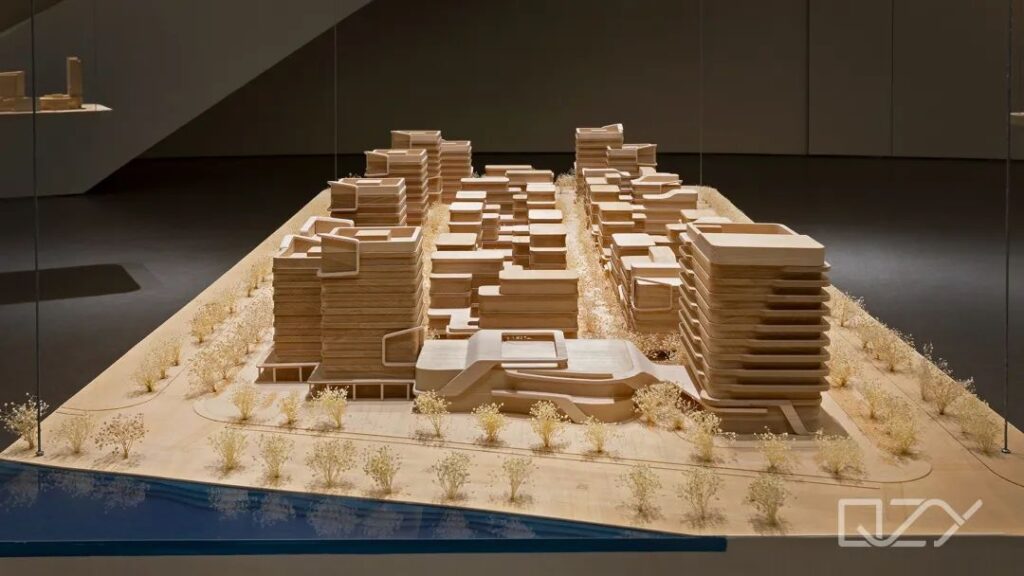
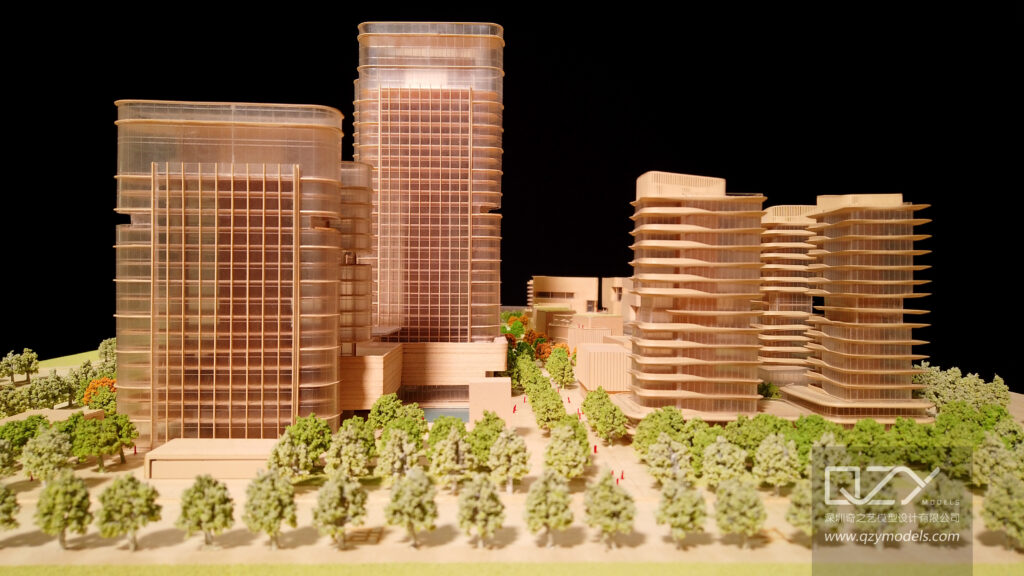
New trends also show the growing use of mixed media models that combine acrylic, resin, metal, and bio-composite materials. Architects are blending physical craftsmanship with digital prototyping to communicate spatial logic and material intent more vividly. In competitive tenders, such hybrid models often act as visual storytelling tools that can impress clients and juries alike.
Core Technologies Accelerating Model Production
Modern architectural model production is powered by several core technologies. Parametric design tools like Rhino and Grasshopper enable architects to generate highly detailed model components directly from project BIM data. Automated slicing and digital fabrication systems eliminate repetitive manual tasks, significantly cutting production time from days to hours.
High-precision 3D printers deliver ultra-fine architectural detail, ideal for façade geometry, topographic forms, and structural simulations. Laser cutters ensure clean edges and accurate joints, making assembly more intuitive. By integrating digital model-making with cloud collaboration platforms, teams can now coordinate across continents, maintaining real-time synchronization and instant change updates.
Company Background
QZY Models, founded in 2013 in Shenzhen, China, is a leading professional team specializing in the design and production of high-quality architectural and industrial physical models. With over 20 years of expertise led by founder Richie Ren, we have completed thousands of projects for clients across 20+ countries, including world-renowned architects like Foster + Partners and developers such as Vanke and China Resources. Our global team operates branches in the UAE, Saudi Arabia, Egypt, and beyond. At QZY, we are dedicated to quality, innovation, and excellence—delivering every model with precision, pride, and professionalism.
Competitor Comparison Matrix
| Firm Approach | Core Technology | Average Lead Time | Key Differentiator | Ideal Application |
|---|---|---|---|---|
| Traditional Model Studio | Manual handcrafting | 10–20 days | Artisan detailing | Small-scale concept models |
| Hybrid Workshop | 3D printing and milling | 5–10 days | Digital materials mix | Urban design and presentation models |
| Fully Automated System | AI-driven fabrication | 2–5 days | Rapid precision output | Mass production and large-scale showcases |
Real User Cases and ROI Outcomes
Leading design firms report up to a 40% reduction in model turnaround time when shifting from fully manual fabrication to hybrid workflows. For example, one urban planning studio replaced hand-cut plexiglass processes with automated laser setups, saving 100 labor hours per project. Another international developer achieved consistent detail quality across global bids by coordinating through BIM-linked model templates.
These results underscore that fast physical model production not only shortens deadlines but also improves presentation quality and consistency. Faster delivery enhances client confidence, improves chances of project approval, and increases overall ROI by reducing rework cycles.
Integrating Automation with Creative Craftsmanship
The misconception that automation compromises creativity has faded. Instead, blending automated workflows with handcrafted finishing has given rise to a new design standard where efficiency coexists with artistry. Teams use robotics to handle repetitive cutting and assembly while relying on skilled artisans for detail painting, landscaping, and fine adjustments. This partnership ensures superior tactile realism and speed.
Moreover, digital fabrication archives models in data-driven formats, enabling firms to replicate or scale designs easily for exhibitions or sales displays. The use of modular templates lets teams adjust dimensions, textures, or lighting conditions rapidly without restarting production.
Future Trends in Architectural Model Production
Looking ahead to 2030, the industry is projected to adopt AI-assisted generative modeling, material recycling systems, and multi-environment VR-to-physical model synchronization. Sustainable materials such as recycled resin and wood veneer will dominate as firms pursue eco-friendly alternatives. Fully integrated BIM-to-model pipelines will standardize workflows, ensuring that every design update automatically triggers fabrication-ready changes.
Global collaboration platforms are set to redefine how teams manage iterations, handle logistics, and deliver physical prototypes to clients worldwide. The combination of speed, sustainability, and precision will shape the next era of architectural model making. Firms that invest in these innovations now will not only meet client timelines but exceed creative expectations—all while maintaining cost control and production scalability.
Strategic Call to Action
Architectural firms seeking to optimize efficiency should evaluate how quickly their current model production systems adapt to design revisions, client demands, and market competition. Implementing hybrid workflows and smart fabrication tools today ensures stronger differentiation tomorrow. Fast model production is no longer just about speed—it’s about driving innovation, precision, and storytelling excellence in every design presentation.