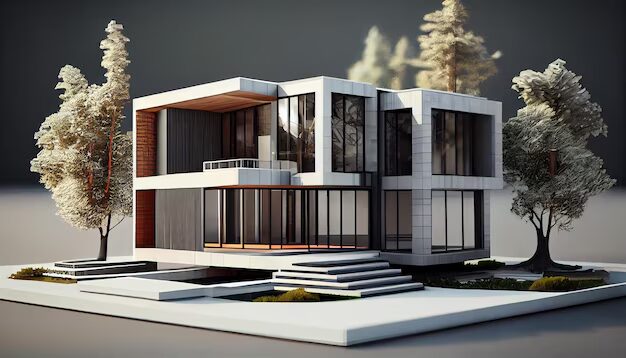
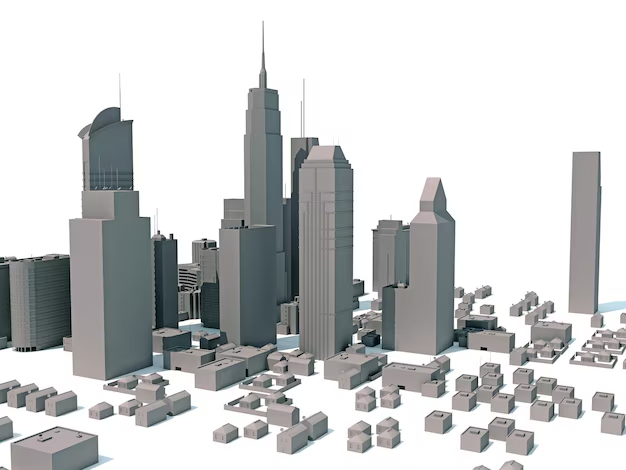
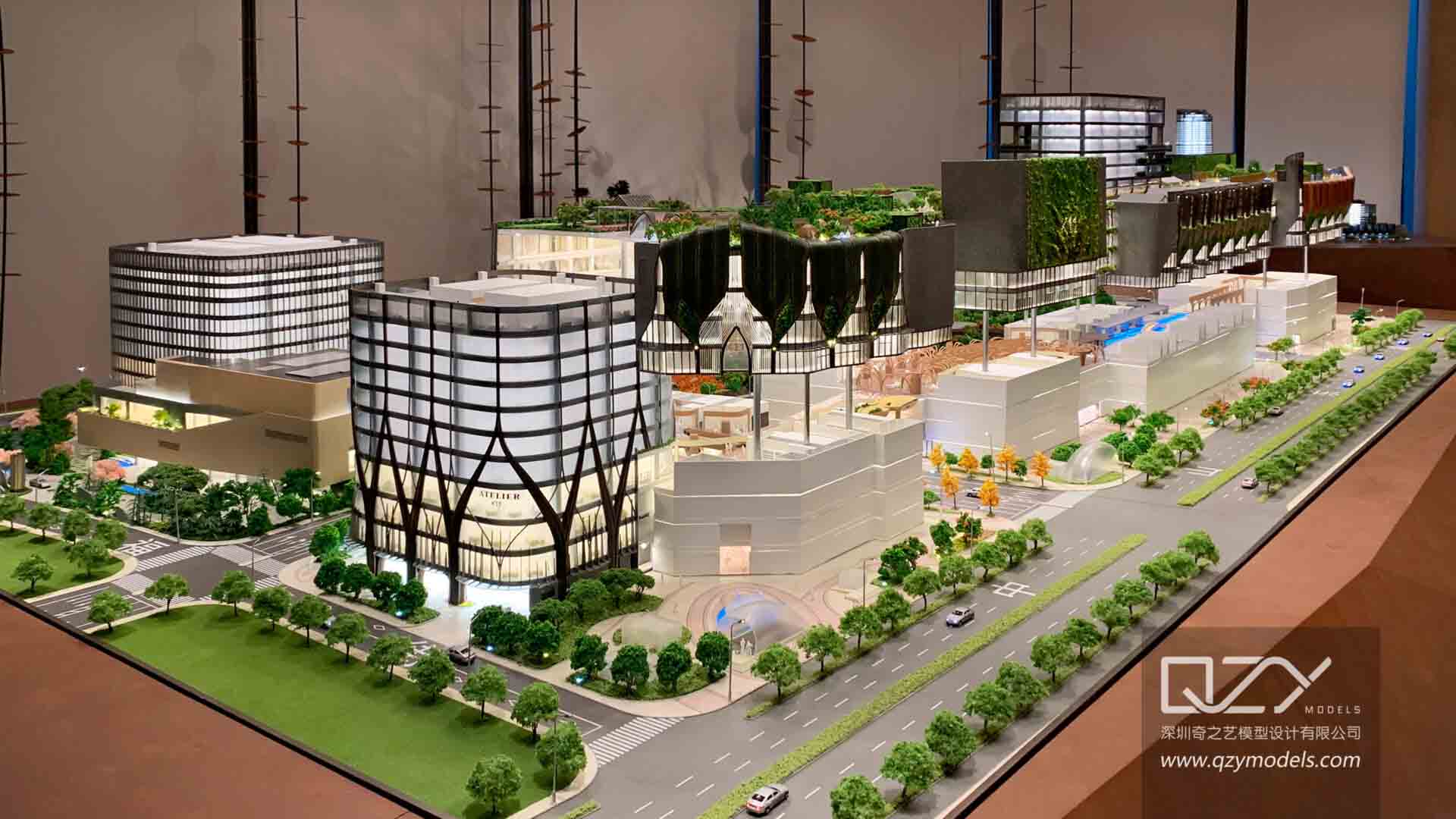
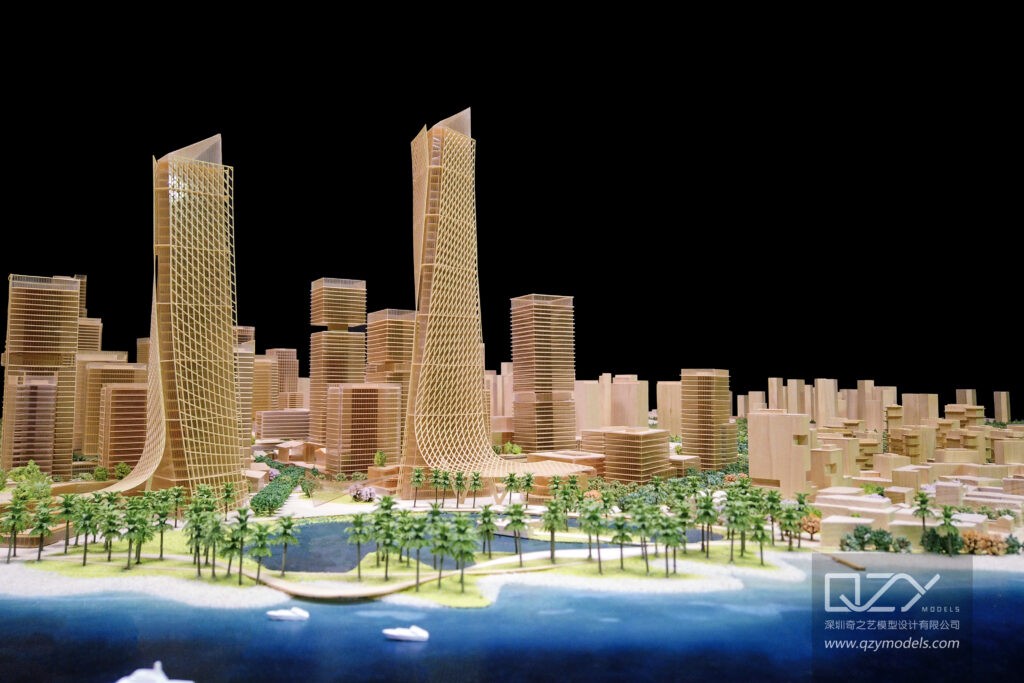
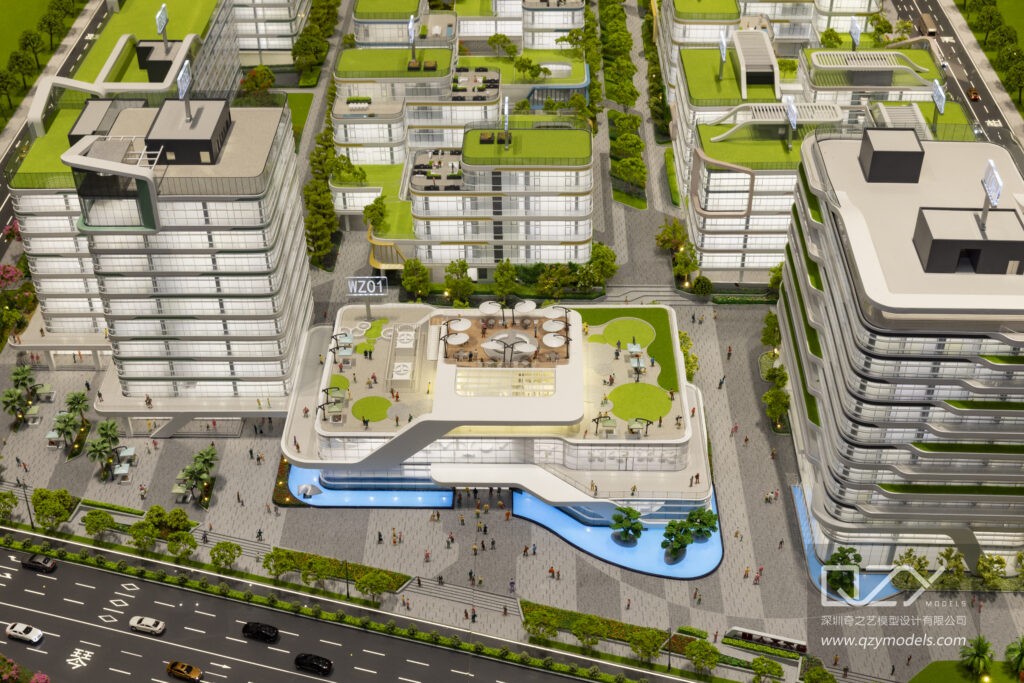
Architectural model visualization services transform architectural concepts into detailed, realistic digital or physical representations that improve client understanding, accelerate approvals, and reduce costly design errors. These services enable architects and stakeholders to explore, modify, and present projects vividly, fostering collaboration and ensuring alignment before construction begins.
How Do Architectural Model Visualization Services Work?
Architectural model visualization services use digital tools—including 3D modeling, rendering, and virtual reality—and physical model fabrication to depict building designs accurately. These services transform CAD data into photorealistic images, animations, or tactile models that showcase materials, lighting, spatial relationships, and context, helping clients and teams experience a lifelike preview of the project.
The process involves iterative refinement driven by client feedback, enhancing the clarity and effectiveness of design communication throughout the project lifecycle.
What Are the Key Benefits of Using Architectural Visualization?
Architectural visualization offers numerous benefits: it improves client engagement with immersive and easily understood presentations; speeds up design approvals by clarifying complex details; reduces risks by detecting design flaws early; supports marketing by creating compelling visuals; and enhances coordination among design teams, contractors, and stakeholders.
Visualization cuts project costs and timelines by minimizing misunderstandings and rework, enabling better decision-making from concept to completion.
| Benefit | Description | Impact |
|---|---|---|
| Enhanced Communication | Visualizes complex designs clearly | Improves stakeholder understanding |
| Faster Approvals | Enables quick review and feedback cycles | Speeds project timelines |
| Cost and Risk Reduction | Identifies issues before construction starts | Saves resources and avoids delays |
| Marketing and Sales | Creates attractive visuals for client presentations | Increases project investment and interest |
| Collaborative Design | Supports integrated feedback across disciplines | Fosters cohesive project development |
Which Types of Visualization Techniques Are Commonly Used?
Common techniques include 3D renderings (still images), walkthrough animations, virtual reality (VR) experiences, augmented reality (AR) overlays, and physical models. Each method serves different purposes: renderings provide snapshots, animations simulate movement through spaces, VR and AR offer immersive explorations, and physical models deliver tangible scale representations.
Combining multiple techniques often achieves the best communication outcomes by addressing diverse client needs and presentation settings.
Why Is Visualization Important for Client and Stakeholder Communication?
Visualization bridges the gap between technical drawings and client understanding by transforming abstract plans into accessible, intuitive formats. It empowers clients to visualize spatial arrangements, materials, daylighting, and landscaping realistically, fostering confidence and collaboration.
Clear visualization reduces misinterpretations and aligns expectations early, preventing costly revisions and disputes later in the project.
Who Should Use Architectural Model Visualization Services?
Architects, developers, real estate agents, urban planners, and construction professionals benefit from visualization services. These services aid clients, investors, regulatory bodies, and marketing teams by providing clear, compelling representations that support approvals, sales, and project management.
Specialized firms like QZY Models offer expert visualization integrating physical modeling and digital technologies to meet diverse industry needs worldwide.
When Is It Best to Incorporate Visualization in the Architectural Process?
Visualization is most valuable during concept development, design refinement, client presentations, permit submissions, and marketing phases. Early visualization guides design decisions, while later stages benefit from detailed visuals for stakeholder engagement and promotional efforts.
Integrating visualization continuously allows for iterative improvements and better project control.
Where Are Visualization Outputs Typically Used or Displayed?
Visualization outputs appear in client meetings, public consultations, design competitions, marketing materials, websites, trade shows, and onsite installations. Digital visualizations can be shared remotely or integrated into VR/AR platforms, while physical models are displayed in offices or exhibitions to provide tactile interaction.
Effective placement increases impact and accessibility for decision-makers and audiences.
Does Integrating Physical Models with Digital Visualization Add Value?
Yes, combining physical and digital models enhances understanding by catering to different senses. Physical models offer tactile engagement and scale perception, while digital visualization adds dynamic detail, customizable views, and immersive experiences.
Firms like QZY Models excel in blending these methods to create comprehensive visualization solutions tailored to project goals.
Has QZY Models Pioneered Advanced Architectural Model Visualization Services?
QZY Models leverages over 20 years of expertise to deliver cutting-edge architectural visualization, combining state-of-the-art digital rendering, VR capabilities, and precision physical model production. Their global team collaborates closely with clients to provide realistic, detailed, and contextually rich representations that streamline project approval and marketing worldwide.
Their innovative approach integrates traditional craftsmanship with modern technologies, ensuring superior visualization quality.
Can Architectural Model Visualization Services Improve Project Success Rates?
Absolutely, projects utilizing professional visualization experience higher approval rates, fewer design changes, and stronger stakeholder buy-in. Visualization reduces ambiguity and accelerates consensus, lowering delays and budget overruns.
By providing clear, impactful communication, these services support confident decision-making and successful project delivery.
QZY Models Expert Views
“Architectural visualization transforms ideas into immersive experiences, allowing stakeholders to truly understand and engage with projects before they are built. At QZY Models, we integrate meticulous physical modeling with advanced 3D digital techniques, creating realistic and interactive representations that drive collaboration and clarity. This fusion of craftsmanship and innovation ensures our clients achieve design excellence and streamline every stage from concept to construction.” — Richie Ren, Founder of QZY Models
Conclusion
Architectural model visualization services are essential tools that enhance design communication, stakeholder engagement, and project efficiency. By employing diverse visualization techniques—ranging from photorealistic renderings to physical scale models—these services enable early detection of design issues, accelerate approvals, and bolster marketing efforts. Partnering with experts like QZY Models ensures tailored, high-quality visualization solutions that drive successful architectural outcomes and client satisfaction.
FAQs
Q1: How do architectural visualization services impact project timelines?
They accelerate timelines by enabling faster design approvals and reducing the need for costly revisions through clearer communication.
Q2: Can physical and digital visualizations be integrated effectively?
Yes, combining tactile models with digital renderings and VR provides a comprehensive understanding, enhancing client engagement.
Q3: What role does QZY Models play in architectural visualization?
QZY Models specializes in both advanced digital visualization and precision physical model fabrication, delivering detailed, realistic presentations worldwide.
Q4: Are architectural visualizations suitable for non-technical clients?
Absolutely, visualizations translate complex architectural plans into intuitive formats easily understood by all stakeholders.
Q5: How early should visualization be incorporated into the design process?
Incorporate visualization early during conceptual design to guide decisions and continue using it throughout to maintain alignment and clarity.