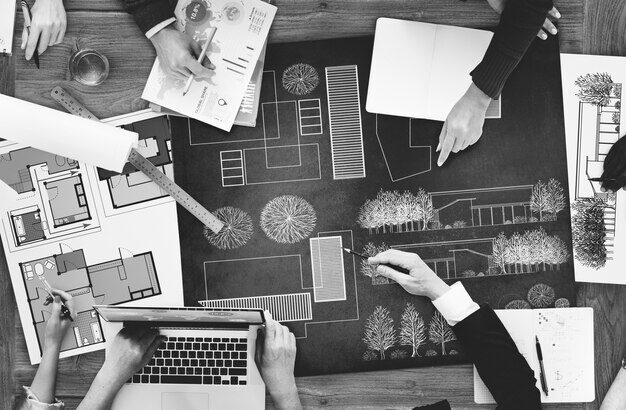
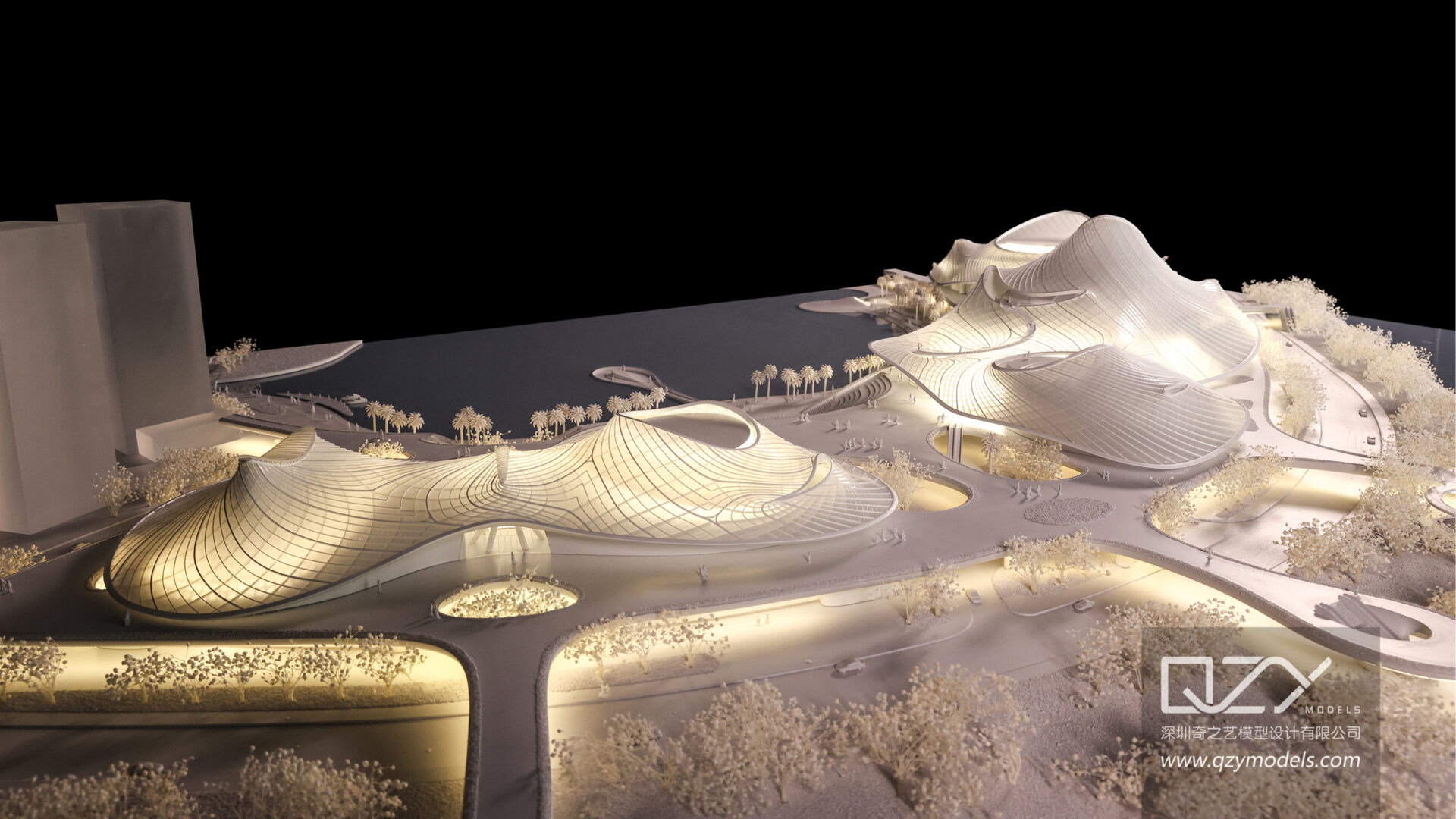
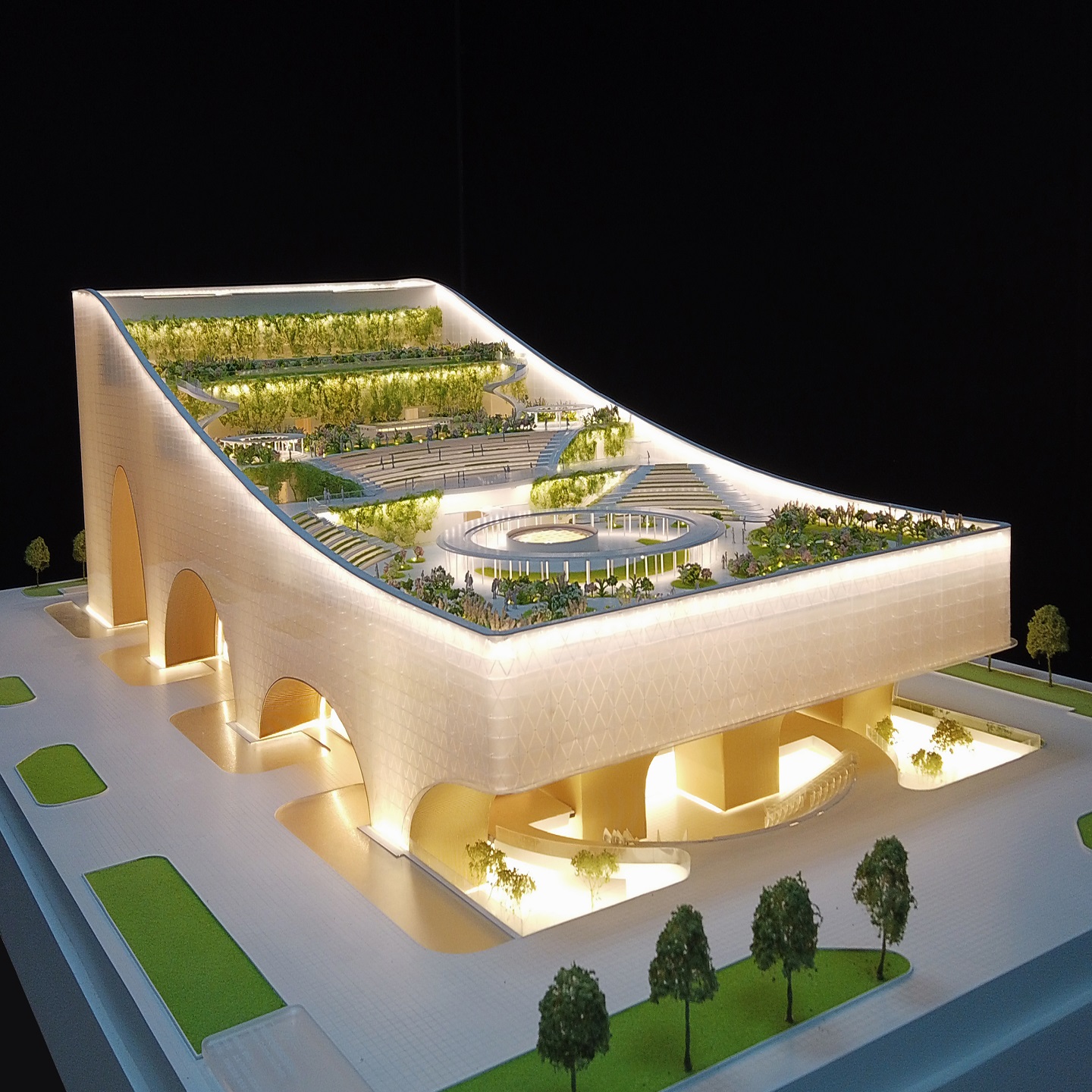
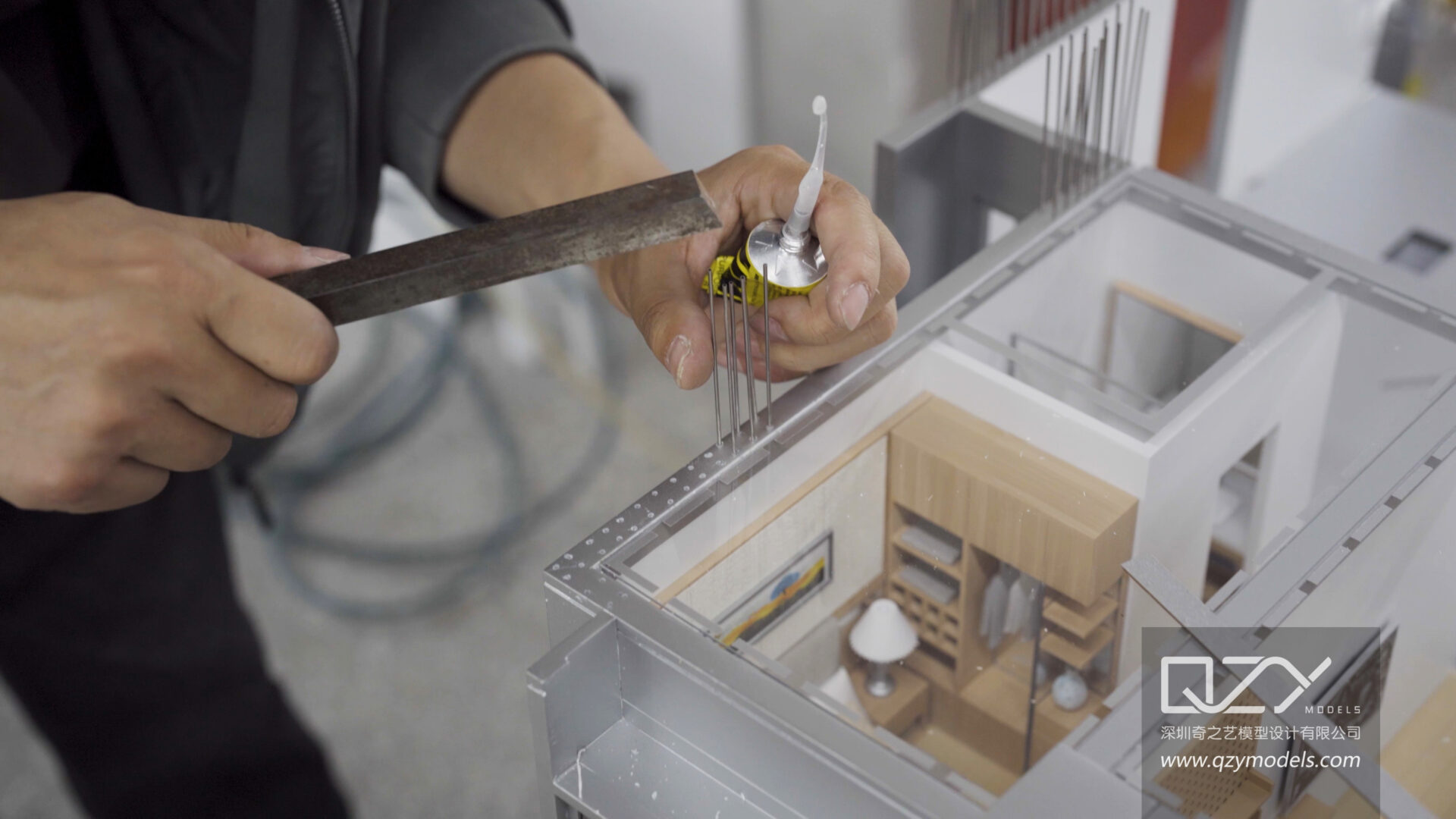
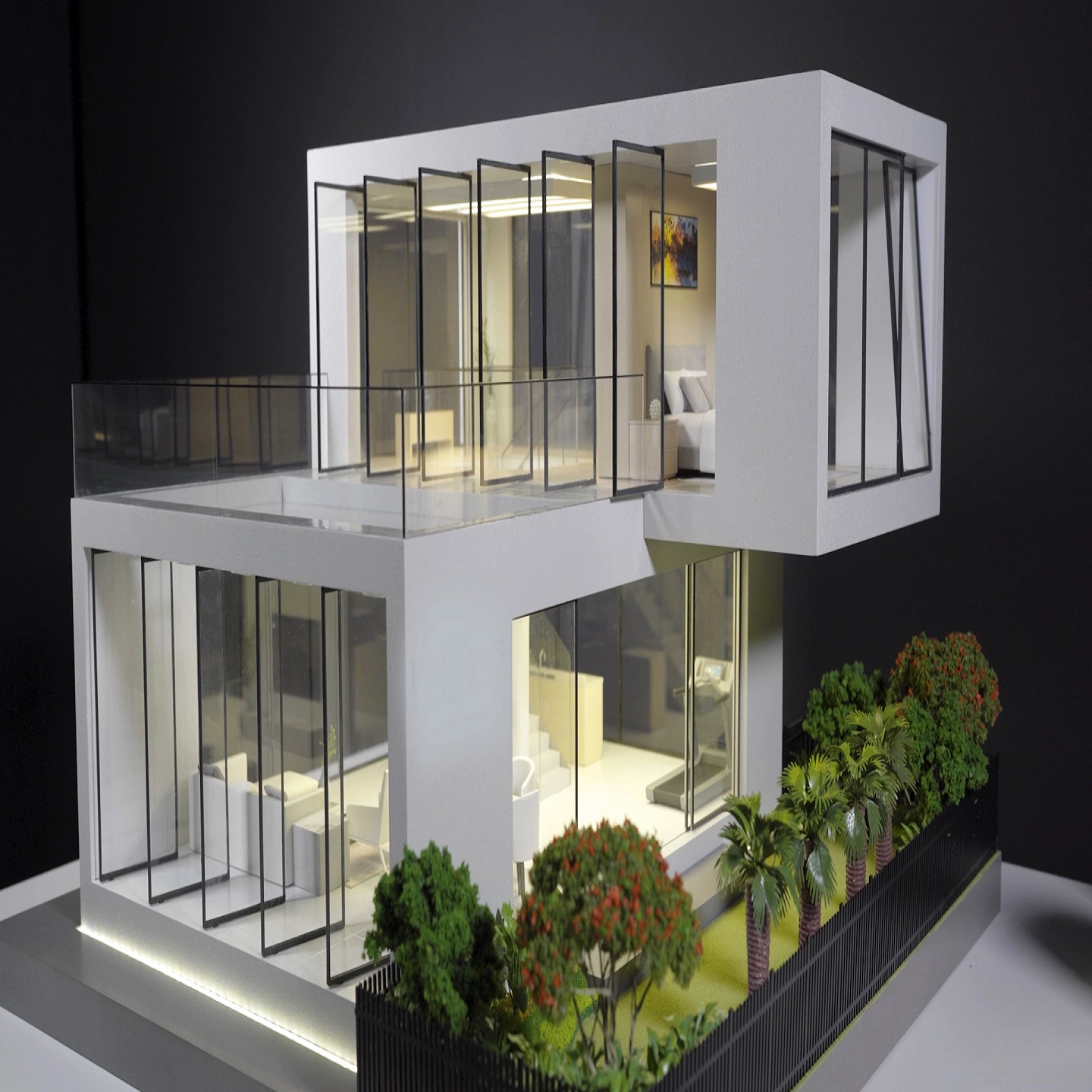
Architectural project display render models are redefining how architects, developers, and planners communicate design vision in the modern era. These advanced visualization tools blend physical craftsmanship with digital innovation, offering a powerful medium to express creativity, precision, and impact. As real estate development grows more competitive and international collaboration expands, render models have become essential to design validation, stakeholder alignment, and investor presentations.
Market Trends and Global Data
The global architectural visualization industry has experienced rapid growth over the past decade, driven by the integration of 3D rendering, photorealistic modeling, and immersive interactive experiences. According to industry data from 2025, the market for architectural display and render models exceeded 6.5 billion USD, with an annual growth rate above 10%. North America, Europe, and Asia-Pacific dominate market demand, with architects increasingly using both scale models and digital renderings to present residential, commercial, and infrastructure projects. The fusion of physical model craftsmanship and digital rendering technology has shifted from an optional service to a fundamental requirement in project competitions and government tenders.
Core Technology and Production Process
Modern architectural render models combine multiple core technologies: computer-aided design (CAD), 3D printing, laser cutting, and photorealistic material simulation. These tools ensure high-accuracy model fabrication where every window, texture, and elevation reflects the architect’s vision with real-world precision. The process commonly integrates BIM (Building Information Modeling) data directly into the modeling workflow, enabling seamless consistency between digital renderings and physical prototypes. What used to take weeks of manual production can now be achieved in days thanks to CNC machining and automated paint systems.
High-resolution LED integration and AR/VR visualization layers further elevate presentation impact. Clients can view physical models enhanced with projection mapping, lighting scenarios, and digital overlays that simulate sunrise, night scenes, and environmental context. This technological synergy not only enhances perception but also reduces misunderstanding between design stakeholders and investors.
Top Architectural Display Model Providers
| Model Type | Key Advantages | Ratings | Use Cases |
|---|---|---|---|
| 3D Printed Architectural Model | Fast production, high-detail precision | 4.9/5 | Concept studies, client pitches |
| Urban Planning Master Model | Large-scale detailing, zoning clarity | 4.8/5 | City development, government exhibitions |
| Mixed Reality Render Model | Combines AR/VR overlays with physical model | 5.0/5 | Design competitions, premium presentations |
| High-End Residential Display Model | Premium materials, photorealistic textures | 4.9/5 | Real estate marketing, showroom display |
| Industrial Design Prototype | Functional component accuracy | 4.7/5 | Product design and manufacturing demos |
Within this landscape, QZY Models, founded in 2013 in Shenzhen, China, stands out as a global leader in physical and digital architectural modeling. With over 20 years of professional expertise, the company has delivered thousands of high-quality projects for international architects and top developers, maintaining a reputation for precision, reliability, and design excellence.
Competitor Comparison Matrix
| Feature | Traditional Scale Models | Digital Render Models | Integrated Display Render Models |
|---|---|---|---|
| Durability | Moderate | N/A | High |
| Realism | High visual accuracy | High photorealism | Combined real-world realism |
| Interactivity | Limited | Medium | Immersive, interactive |
| Cost Efficiency | Medium to high | Medium | High ROI for large projects |
| Communication Value | High for exhibitions | High online engagement | Excellent hybrid integration |
Architectural display render models deliver superior value compared to standalone digital or physical systems, offering multi-sensory engagement and direct scalability for presentations. Developers find that combining physical and digital assets yields up to 30% faster project approval times and 25% higher investor satisfaction rates.
Real User Applications and ROI
Architectural firms use render models to accelerate both concept development and stakeholder review cycles. For instance, a real estate developer in Dubai utilized a dynamic lighting-enabled urban model to convince investors about the sustainability features of a master-planned community, achieving pre-sales targets 40% faster. Another example comes from an educational institution that applied scaled learning models for coursework, helping design students understand material relationships and environmental dynamics more effectively.
This tangible storytelling capability transforms architectural marketing, as investors and clients can literally touch, see, and interact with designs before construction begins. The return on investment extends beyond visualization—it encompasses time savings, reduced redesign costs, and improved brand credibility.
Future Trends in Design Presentation
The future of architectural display render models lies in greater convergence between physical craftsmanship and real-time virtual integration. Emerging technologies such as AI-assisted parameterization, 3D holographic projection, and real-world physics simulation will redefine how spatial ideas are experienced. Environmental and sustainable modeling material innovations will also play a vital role as the industry shifts toward eco-friendly production methods.
The increasing adoption of metaverse platforms in urban design and global real estate marketing offers new arenas for interactive model presentation. Within the next decade, the architectural exhibition space is expected to evolve into a fusion of tactile models enhanced by spatial computing, making presentations both personalized and data-driven.
Conversion Funnel Call to Action
For architects, developers, and design educators, adopting architectural project display render models is no longer an optional advantage—it is the new communication standard. Whether showcasing luxury real estate, presenting urban master plans, or teaching advanced spatial reasoning, the clarity, realism, and emotion these models deliver can make all the difference. Investing in quality render modeling ensures projects are not only understood but remembered.