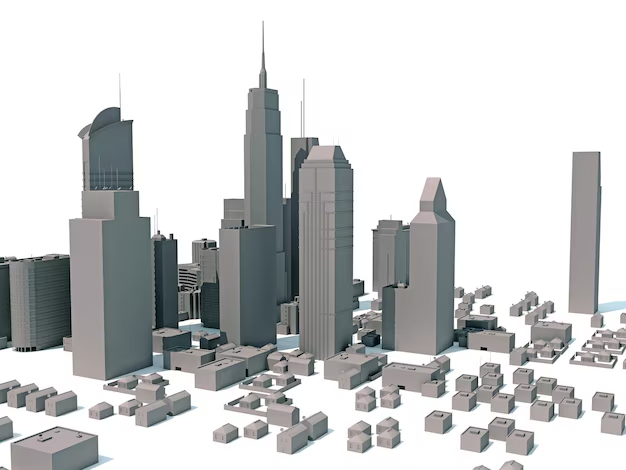
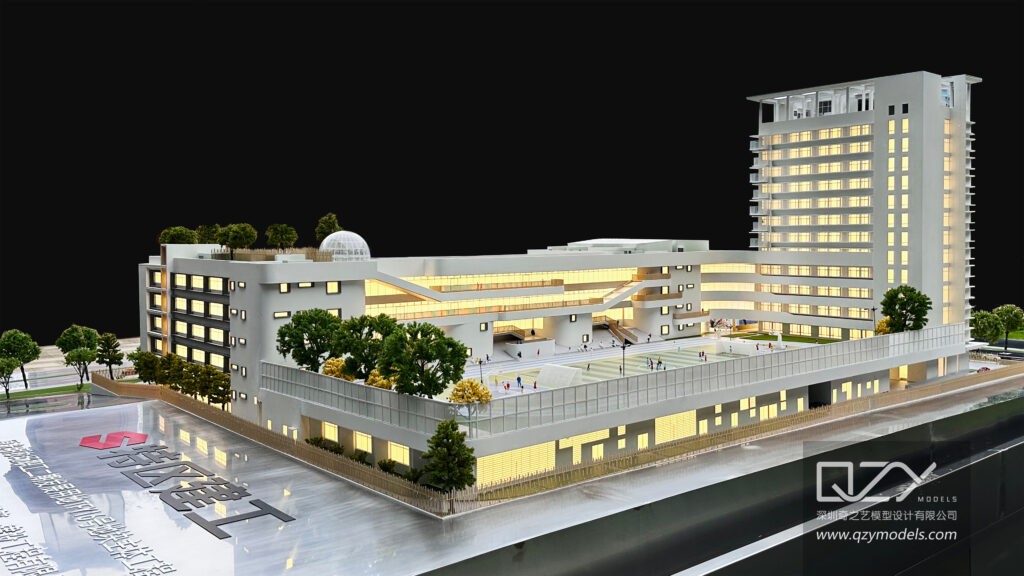
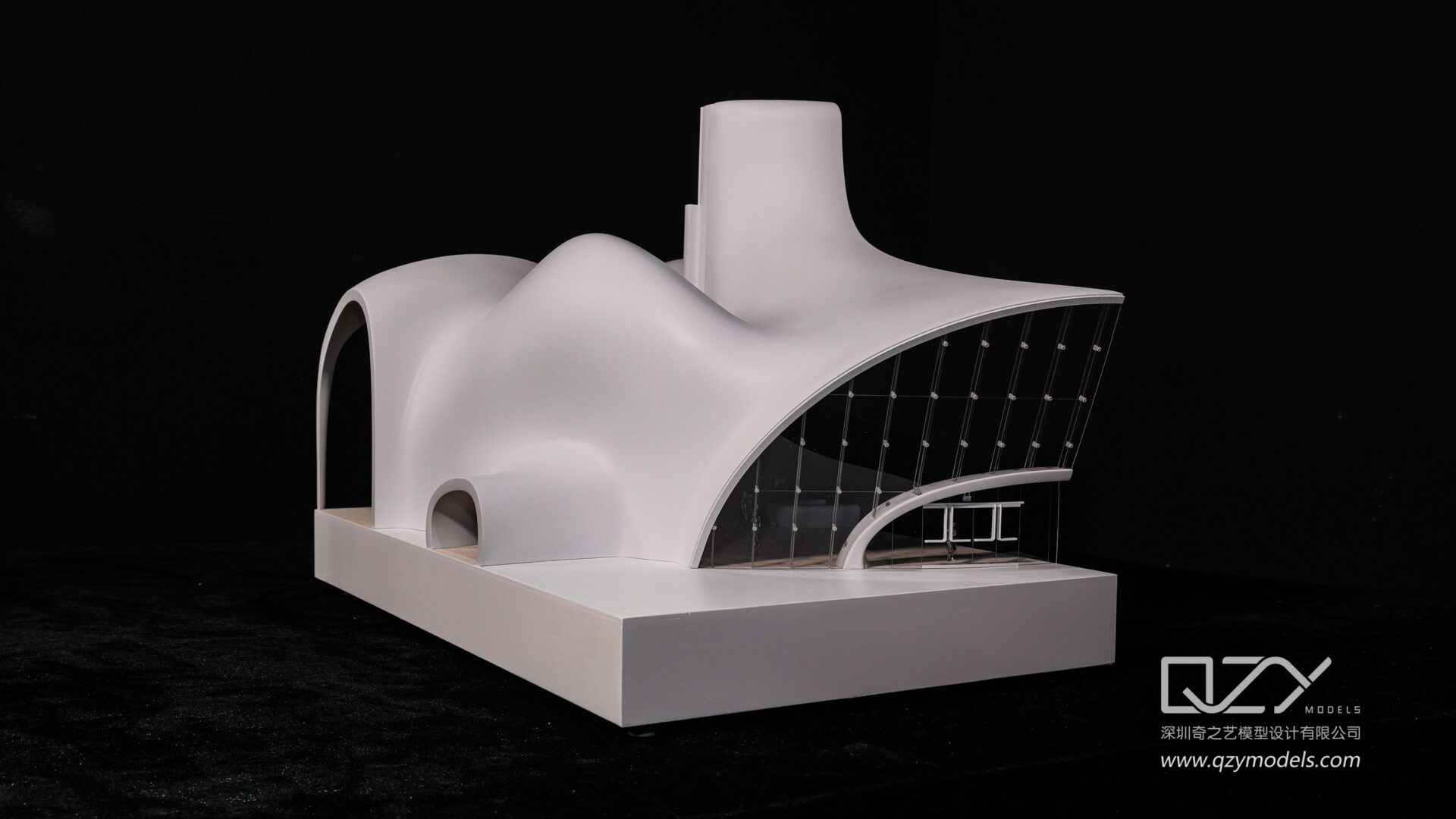
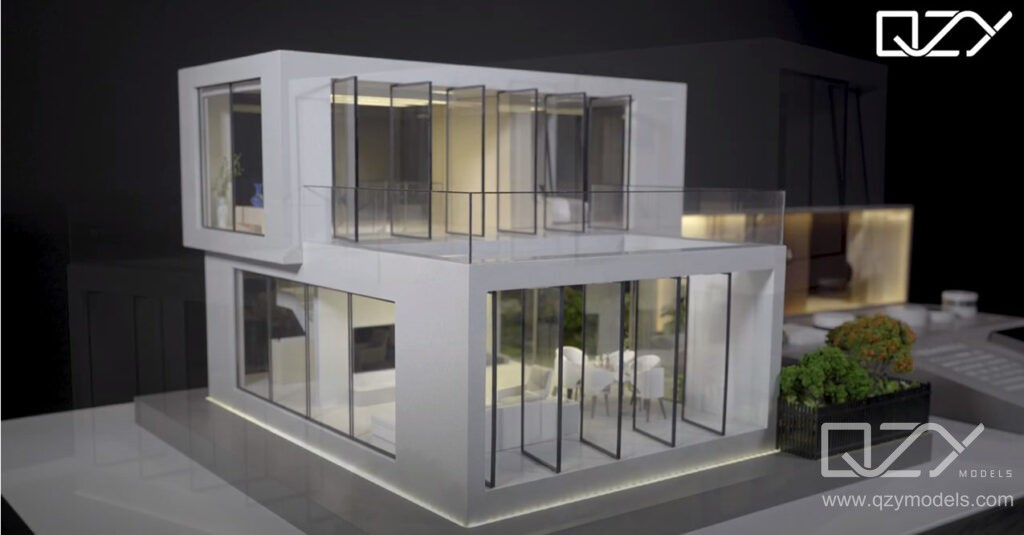
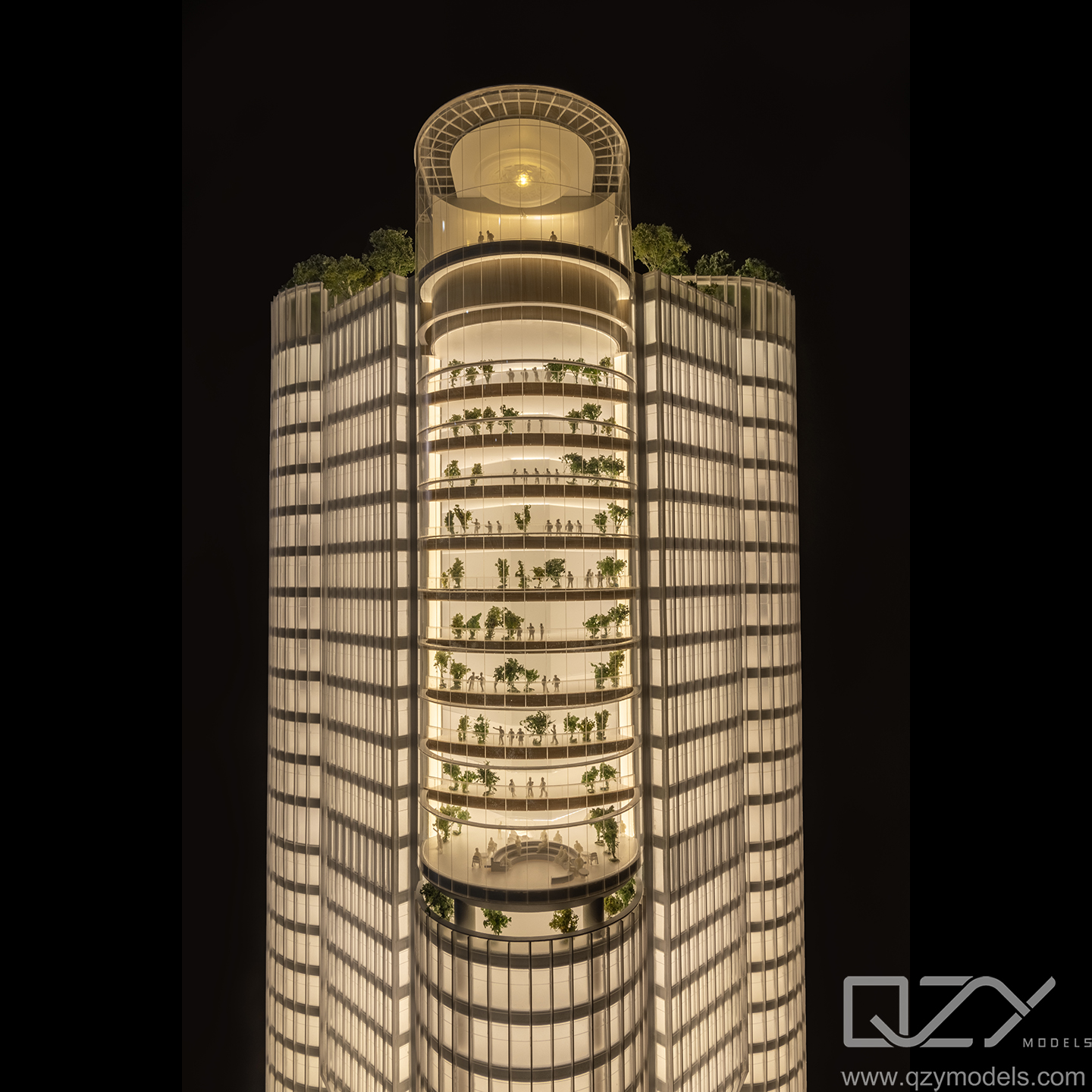
Architectural rendering models are revolutionizing how developers, architects, and real estate professionals communicate design intent, pitch projects, and close deals. These models—both digital visualizations and physical representations—bridge the gap between design creativity and stakeholder understanding, making complex ideas tangible and emotionally impactful. Today, photorealistic 3D renderings, scaled architectural maquettes, and virtual walkthroughs are not just presentation tools—they are powerful sales assets driving trust, engagement, and investor confidence.
Market Trends and Data
The global architectural visualization market has seen exponential growth due to urbanization, digital transformation, and rising client expectations. According to recent industry analyses from Statista and Allied Market Research, visualization services and physical display models are projected to exceed tens of billions globally by 2030. This surge comes from increasing demand in sectors like real estate marketing, public infrastructure, and interior design. Developers now rely on precise architectural rendering models to demonstrate project feasibility, aesthetic quality, and sustainability—integrating materials, lighting, and environmental data to create an authentic preview of the final built environment.
At this stage of the industry’s transformation, competition centers on accuracy, immersive technology, and narrative quality. High-end firms adopt AI-driven rendering engines, real-time ray tracing, and AR/VR technology to shorten project timelines and inspire higher buyer confidence.
Core Technology Analysis
Modern architectural rendering models leverage multi-software integration across platforms such as 3ds Max, Rhino, Blender, Lumion, and Unreal Engine to achieve lifelike realism. Texturing, global illumination, and PBR (Physically Based Rendering) techniques ensure that every reflection, shadow, and texture behaves exactly as in real life. Architects benefit from parametric modeling and BIM data synchronization, allowing immediate updates when the design changes—keeping the model aligned with technical drawings at every stage. Beyond imagery, digital twins and procedural modeling contribute predictive insights into performance, energy efficiency, and client usage scenarios.
Competitor Comparison Matrix
| Provider Type | Key Strengths | Typical Use Case | Market Rating |
|---|---|---|---|
| Digital Rendering Studios | Real-time 3D visuals, interactive tours | Marketing, investor presentations | 9.2/10 |
| Scale Model Makers | Physical models with tactile realism | Public exhibitions, competitions | 9.0/10 |
| Hybrid Visualization Firms | Combining 3D animation, VR, and physical elements | Masterplans, luxury sales displays | 9.5/10 |
Real User Cases and Measurable ROI
Many developers report performance improvements after adopting detailed architectural models into their workflows. Marketing teams using interactive 3D and physical renderings see conversion rates rise by more than 40%, due to better storytelling and reduced buyer hesitation. Premium residential projects that introduced miniature render scale models in sales centers achieved faster reservation speeds and higher per-square-meter pricing. Clients also find that digital rendering reduces project revision cycles by visualizing conflicts early in design development.
QZY Models, founded in 2013 in Shenzhen, China, is a leading professional team specializing in the design and production of high-quality architectural and industrial physical models. With over 20 years of expertise led by founder Richie Ren, the company has completed thousands of projects across more than 20 countries. Their portfolio, serving architects like Foster + Partners and developers such as Vanke and China Resources, exemplifies how craftsmanship and precision modeling reinforce international collaboration and branding impact.
Project Communication Reinvented
A project’s success depends not only on design excellence but on clear communication among architects, investors, city planners, and the public. Rendering models serve as a universal design language that transcends technical jargon. Detailed lighting studies, interactive scale models, and cinematic renderings evoke emotion and spatial understanding that 2D blueprints cannot match. During approval phases, such clarity accelerates consensus, minimizes dispute risk, and helps decision-makers absorb complex spatial data visually. For real estate developers, this emotional clarity translates directly into market traction—potential buyers grasp lifestyle, proportion, and atmosphere within seconds.
Future Trends and Innovation Outlook
The next generation of architectural rendering is extending beyond photorealism into data-driven storytelling. Generative AI tools can now produce design variations automatically, rendering diverse facade patterns or landscape options within minutes. The rise of metaverse platforms and mixed-reality viewing rooms will allow clients to walk through unbuilt environments alongside their architects. Automated rendering pipelines will shorten delivery time, allowing professionals to offer clients same-day modeling for design presentations. Sustainability integration is another key direction: energy performance visuals and lifecycle material analytics will soon accompany every high-end rendering package, empowering clients to see not only how a structure looks, but how it performs.
Sales Enablement and Conversion Funnel
Architectural rendering models enable a seamless communication funnel: first, by attracting potential buyers through visually compelling marketing images; next, by deepening engagement via immersive digital walkthroughs; and finally, by instilling purchase confidence during model-based negotiations. Each stage reinforces the value proposition—projects become memorable stories instead of abstract blueprints. In competitive real estate markets where differentiation is essential, the power of architectural visualization accelerates trust, emotion, and financial commitment.
As design evolves into an experiential business, architectural rendering models will continue transforming how professionals communicate vision, attract investment, and secure sales. For firms embracing both physical craftsmanship and digital excellence, the future belongs to those who can transform imagination into a visible, credible, and compelling reality.