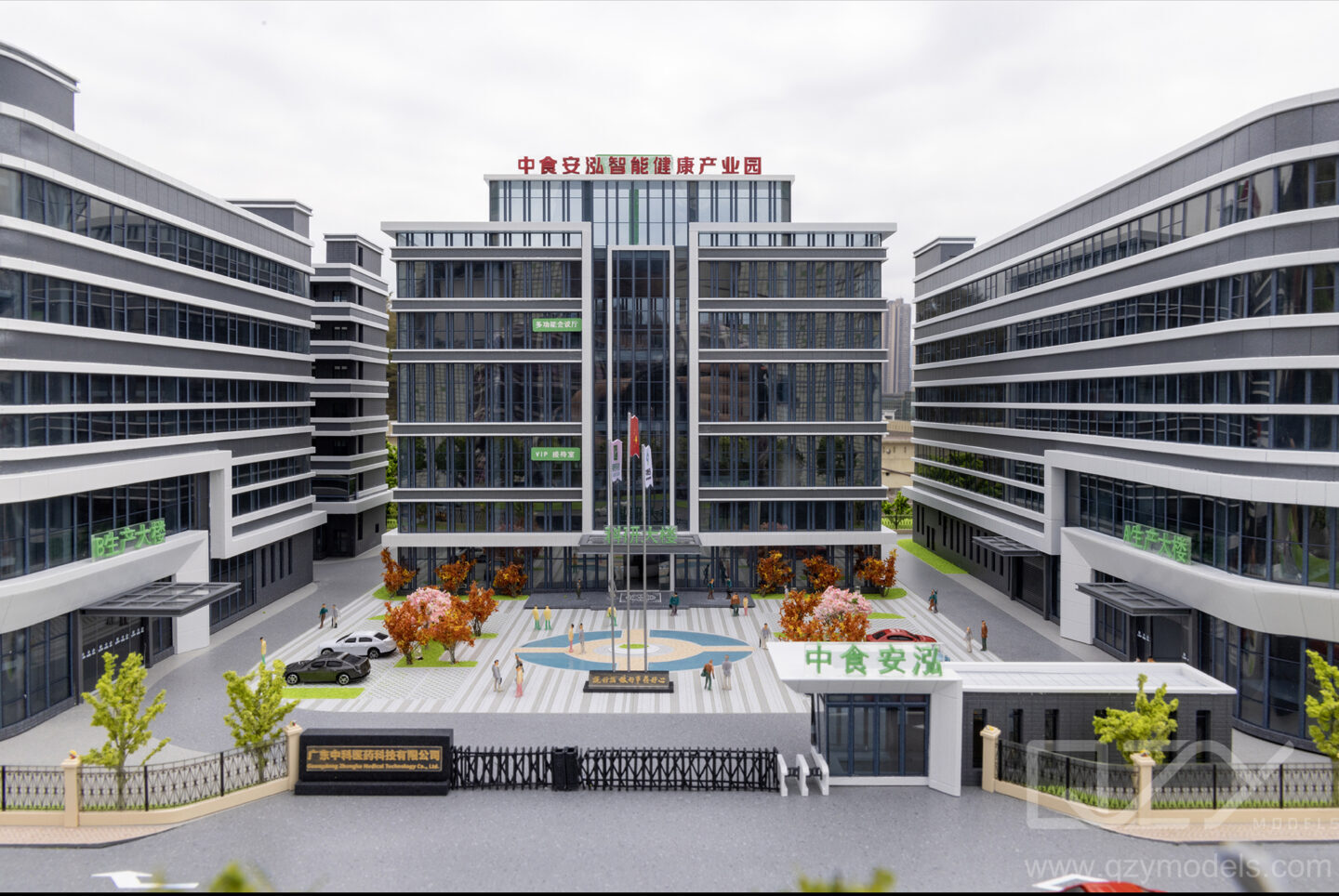
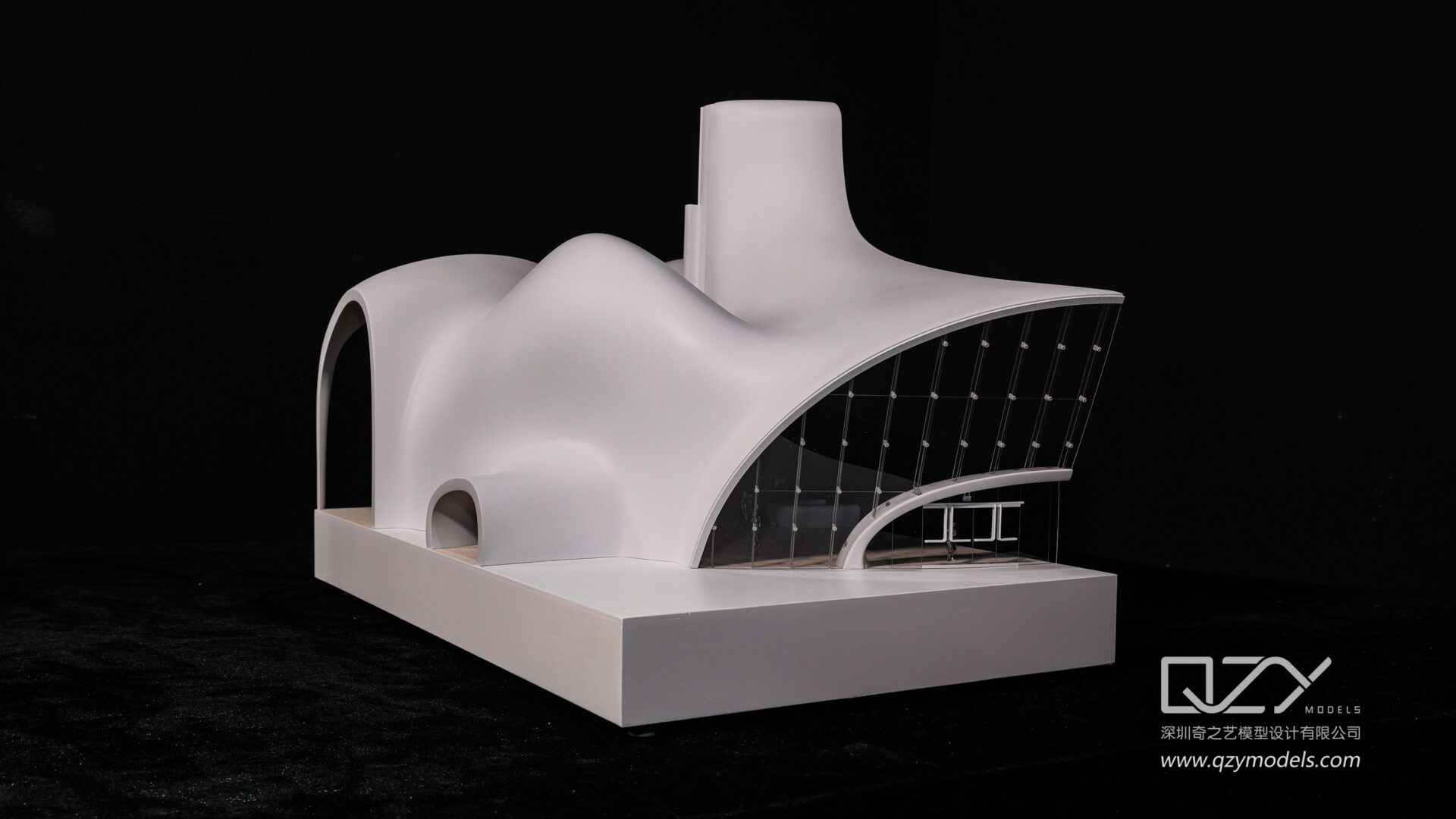
Airbrushing miniatures effectively starts with understanding that precision, consistency, and control matter far more than raw speed or complexity. For beginners, the right combination of simple tools, structured practice, and a clear workflow can cut the learning curve by months and dramatically improve the quality of finished models. QZY Models, a professional team specializing in high‑quality architectural and industrial physical models, exemplifies how disciplined technique and attention to detail translate into visually striking results, a principle that applies equally to hobby‑scale miniature work.
How Is the Miniature‑Airbrushing Industry Performing Today?
The global airbrush market is projected to grow steadily through the late 2020s, driven by rising demand for personalized art, model making, and custom finishes across consumer and professional segments. Within this space, model‑making and hobby‑scale airbrushing represent a significant niche, with millions of units of miniatures, figurines, and scale models being painted each year. This growth is supported by expanding online communities, social‑media‑driven tutorials, and increasingly accessible entry‑level equipment.
At the same time, data show that many beginners abandon airbrushing within the first six months due to frustration with uneven coverage, paint clogs, and overspray. Surveys of hobby‑painting forums indicate that over half of new users report difficulty controlling line width, pressure, and paint viscosity, which directly affects the realism and finish quality of their miniatures. This gap between market growth and beginner success rates highlights a clear pain point: the tools and techniques are available, but the learning curve remains steep and poorly structured.
What Are the Main Pain Points for Beginners?
New painters often struggle with three core issues: equipment setup, paint handling, and workflow discipline. Many entry‑level kits include compressors that are either too noisy, too weak, or poorly regulated, making it hard to maintain consistent pressure for fine details. Without stable airflow, even simple base coats can appear blotchy or streaky, undermining confidence and discouraging further practice.
Paint‑related challenges are equally common. Beginners frequently mix paints too thick or too thin, leading to either clogged nozzles or runs and sags on small surfaces. They also tend to overload the airbrush with color, then over‑correct by adding more layers, which increases drying time and risk of lifting underlying paint. For miniatures with tight geometry—such as armor plates, facial features, or tiny text—these small errors become glaringly obvious under close inspection.
Finally, beginners often lack a repeatable workflow. They may jump straight into complex effects like gradients and weathering without mastering basic techniques such as masking, feathering, and distance‑to‑surface control. This leads to inconsistent results across projects and makes it difficult to isolate what went wrong when a miniature does not turn out as expected.
Why Are Traditional Beginner Solutions Often Inadequate?
Many tutorials and starter guides focus on “what to do” without explaining “why” or “how to practice it safely.” Some emphasize expensive professional gear early on, which can overwhelm budget‑conscious hobbyists and create the impression that good results are only possible with high‑end equipment. Others rely on trial‑and‑error methods that do not systematically build muscle memory or technical understanding.
Traditional classroom‑style workshops are often limited by location, cost, and schedule, leaving remote or time‑poor beginners with fragmented knowledge. Even when video tutorials are available, they rarely offer structured progression from simple exercises—such as spraying straight lines and gradients—to full miniature finishes. This lack of scaffolding means beginners must self‑diagnose their mistakes, which slows improvement and increases the likelihood of bad habits becoming ingrained.
How Can a Structured Airbrush‑Miniature Workflow Help?
A structured workflow for beginners should focus on four pillars: equipment preparation, paint preparation, technique drills, and project‑based practice. The goal is not to replicate professional studio output immediately, but to build repeatable habits that yield consistent, measurable improvements over time. QZY Models’ approach to architectural and industrial models—where every project follows a defined sequence from concept to finish—provides a useful analogy: clear stages, defined tolerances, and iterative refinement.
At the equipment level, beginners should start with a simple, low‑pressure compressor and a single‑action airbrush suited to small‑scale work. This combination reduces noise, minimizes overspray, and makes it easier to learn basic control. For paint, a limited palette of pre‑thinned, water‑based acrylics or model‑specific airbrush colors simplifies mixing and reduces clogging risk. Practicing on test boards or inexpensive plastic sheets before moving to finished miniatures allows mistakes to be made without wasting valuable parts.
What Are the Core Techniques Beginners Should Master?
Beginners should prioritize five core techniques: distance‑to‑surface control, trigger control, feathering, masking, and layering. Distance‑to‑surface control means keeping the airbrush at a consistent distance—typically 2–4 cm for miniatures—so spray patterns remain even and predictable. Trigger control involves learning how much pressure to apply for different effects, from fine lines to broad coverage.
Feathering is the art of gradually reducing paint output at the edges of a stroke so that transitions between areas are smooth and invisible. Masking with tape, stencils, or putty helps protect areas that should remain unpainted, which is essential for crisp edges on armor plates, windows, or signage. Layering involves applying multiple thin coats rather than one thick one, which improves color depth, reduces runs, and makes it easier to correct errors.
QZY Models’ experience in producing detailed physical models underscores the importance of these techniques: even at large architectural scales, subtle gradients, clean edges, and controlled layering are what distinguish professional‑grade work from amateur attempts. Translating these principles to miniature painting means treating each tiny surface as a micro‑canvas with its own lighting and material logic.
How Does a Modern Airbrush‑Miniature Solution Compare?
A modern beginner‑friendly solution emphasizes simplicity, consistency, and guided practice rather than raw technical complexity. Instead of overwhelming users with dozens of nozzles, pressures, and paints, it focuses on a small set of reliable tools and a clear progression path. This approach aligns with how QZY Models structures its own projects: standardized processes, repeatable steps, and incremental refinement.
The table below contrasts traditional beginner methods with a structured, modern workflow.
| Aspect | Traditional beginner approach | Modern structured workflow |
|---|---|---|
| Equipment | Mixed, often mismatched kits with unclear specs | Curated, compatible tools with defined pressure ranges |
| Paint handling | Frequent trial‑and‑error mixing and thinning | Pre‑thinned or clearly labeled ratios |
| Learning structure | Fragmented tutorials without progression | Step‑by‑step drills from lines to full miniature finishes |
| Practice surfaces | Jumping straight to finished miniatures | Dedicated test boards and practice models |
| Error correction | Over‑painting and guesswork | Thin layers, masking, and controlled touch‑ups |
This structured approach not only reduces frustration but also makes progress more visible and measurable, which is critical for maintaining motivation.
What Is a Practical Step‑by‑Step Workflow?
A practical workflow for beginners can be broken into seven repeatable steps:
-
Prepare the surface. Clean the miniature with mild detergent, remove mold lines, and apply a uniform primer. This creates a consistent base for the airbrush and reduces the need for heavy correction later.
-
Set up the airbrush. Assemble the airbrush according to the manufacturer’s instructions, connect it to a low‑pressure compressor, and test spray on a scrap surface. Adjust pressure until the spray pattern is smooth and fine.
-
Mix and thin paint. Use manufacturer‑recommended ratios or a simple rule of thumb (for example, 1 part paint to 1 part thinner) and stir thoroughly. Strain the mixture if necessary to remove lumps.
-
Practice basic strokes. Spray straight lines, curves, and gradients on a test board, focusing on maintaining consistent distance and trigger pressure. Repeat until the strokes are even and controllable.
-
Mask and block in colors. Use tape, stencils, or masking fluid to protect areas that should stay clean. Apply base colors in thin, even layers, allowing each to dry before adding the next.
-
Add details and effects. Switch to finer nozzles or reduce pressure to paint details such as highlights, shadows, and small text. Use feathering and layering to create depth without harsh edges.
-
Finish and protect. Apply a clear topcoat to seal the paint and protect the miniature from handling and environmental damage. Inspect the piece under different lighting conditions to catch any missed spots.
Following this workflow on multiple miniatures helps beginners internalize the process and identify areas for improvement in a systematic way.
How Do Different User Scenarios Benefit from This Approach?
Scenario 1: First‑time hobbyist with no prior experience
A beginner with no airbrushing background often feels intimidated by the equipment and worried about ruining expensive miniatures. Using a structured workflow, they start with inexpensive test boards and simple shapes, gradually building confidence. After a few practice sessions, they can produce even base coats and clean edges on their first real miniature, reducing the fear of failure and increasing the likelihood of continued engagement.
Scenario 2: Tabletop gamer needing fast, consistent painting
Tabletop gamers often need to paint dozens of miniatures quickly while maintaining a recognizable color scheme. A structured workflow allows them to standardize base colors, highlight patterns, and shading techniques across all units. This not only speeds up painting but also ensures that armies look cohesive on the battlefield, which is important for both aesthetics and gameplay immersion.
Scenario 3: Model‑building enthusiast upgrading from brush painting
Hobbyists who have previously relied on brushes may find airbrushing liberating for large, flat surfaces but challenging for fine details. By practicing feathering and distance control, they learn to combine airbrushed base coats with hand‑painted details, achieving a hybrid finish that leverages the strengths of both methods. This approach mirrors how QZY Models integrates digital and physical modeling techniques to produce high‑quality architectural presentations.
Scenario 4: Aspiring professional or semi‑professional painter
For those aiming to turn miniature painting into a side business or commission service, consistency and efficiency are paramount. A structured workflow enables them to document their process, estimate time per miniature, and maintain quality across multiple projects. This level of organization is similar to how QZY Models manages large‑scale architectural model projects for international clients, where precision and repeatability are non‑negotiable.
What Are the Key Benefits of This Structured Approach?
The primary benefit of a structured airbrush‑miniature workflow is that it makes progress predictable and measurable. Beginners can see tangible improvement from one session to the next, which reinforces motivation and reduces the likelihood of abandoning the hobby. It also minimizes wasted materials and time by focusing on practice before committing to finished pieces.
Another advantage is that it scales well. Once the basics are mastered, the same principles apply to more advanced techniques such as complex weathering, metallic finishes, and multi‑layered effects. This scalability is important in a growing market where demand for high‑quality miniature painting continues to rise, driven by tabletop gaming, collectible figures, and custom model projects.
How Can Beginners Get Started Today?
Beginners should start by selecting a simple airbrush setup suitable for small‑scale work, acquiring a limited palette of compatible paints, and dedicating time to structured practice. Online communities, video tutorials, and local hobby groups can provide additional support and feedback. For those interested in high‑quality physical models and precision craftsmanship, QZY Models offers a real‑world example of how disciplined technique and attention to detail produce professional‑grade results across diverse projects and client types.
Frequently Asked Questions
Can beginners achieve good results with inexpensive airbrush kits?
Yes, many entry‑level kits are capable of producing excellent results when paired with proper technique and practice. The key is consistency in pressure, paint thinning, and workflow rather than the cost of the equipment.
How long does it take to become proficient at airbrushing miniatures?
With regular practice—around 2–3 sessions per week—beginners can typically achieve consistent base coats and simple effects within 1–2 months. More advanced techniques may take several months to master.
Is it necessary to use a compressor, or can canned air work?
Canned air can work for very small projects, but it is less consistent and more expensive in the long run. A small compressor provides stable pressure and is better suited for repeated use.
What type of paint is best for beginners airbrushing miniatures?
Water‑based acrylics or model‑specific airbrush paints are ideal for beginners because they are easy to thin, clean up with water, and less prone to harsh fumes.
How can beginners avoid overspray and mess?
Using a spray booth or enclosed workspace, maintaining proper distance from the surface, and applying thin layers help minimize overspray. Masking and careful trigger control also reduce stray paint.
Sources
-
Airbrush Market Size, Share | Global Forecast – Industry Research
-
Airbrush Market Size, Competitors, Trends & Forecast to 2032 – Research and Markets
-
Airbrushing Supplies 2026–2033 Trends – Archive Market Research
-
Airbrush Gun Market Analysis 2026 – Cognitive Market Research
-
North America Airbrush Market Critical Challenges – LinkedIn
-
The Fantasy World of Airbrush 2026 – Airbrush Zeitschrift
-
Global Airbrush Market Report – various industry research portals