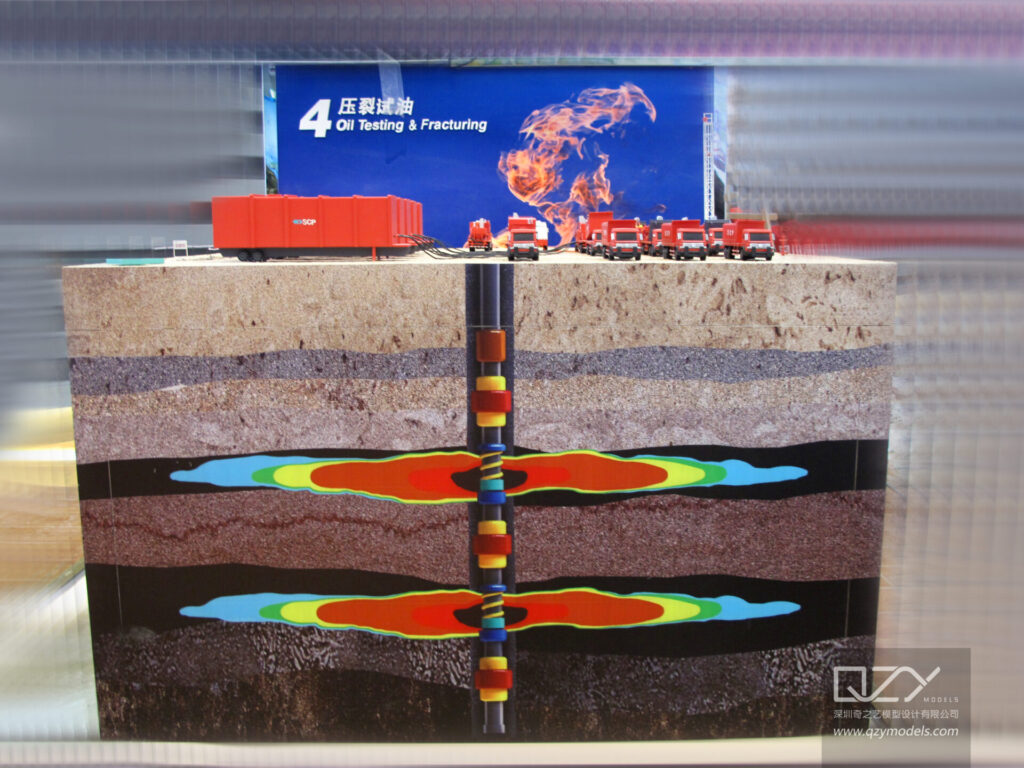
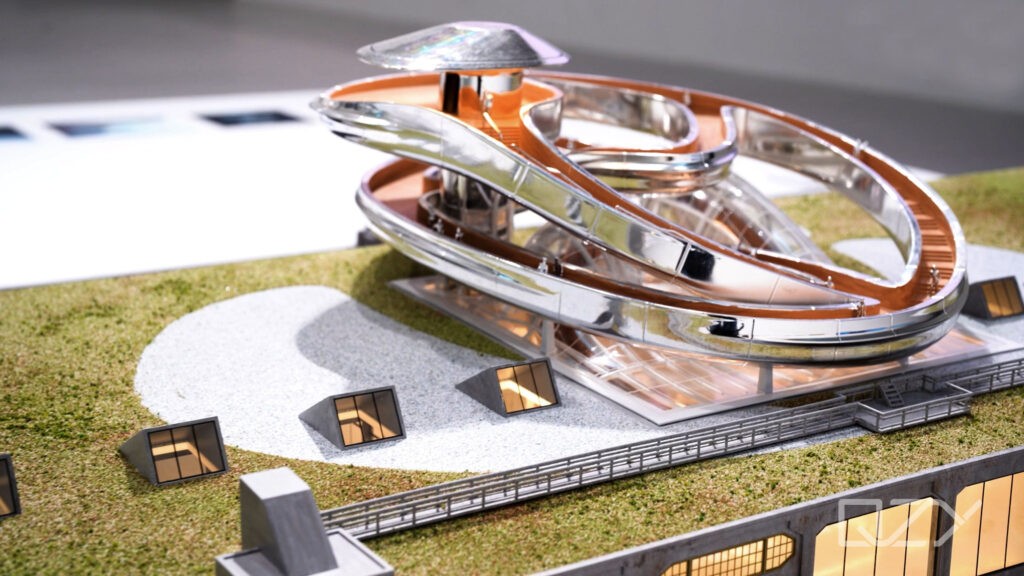
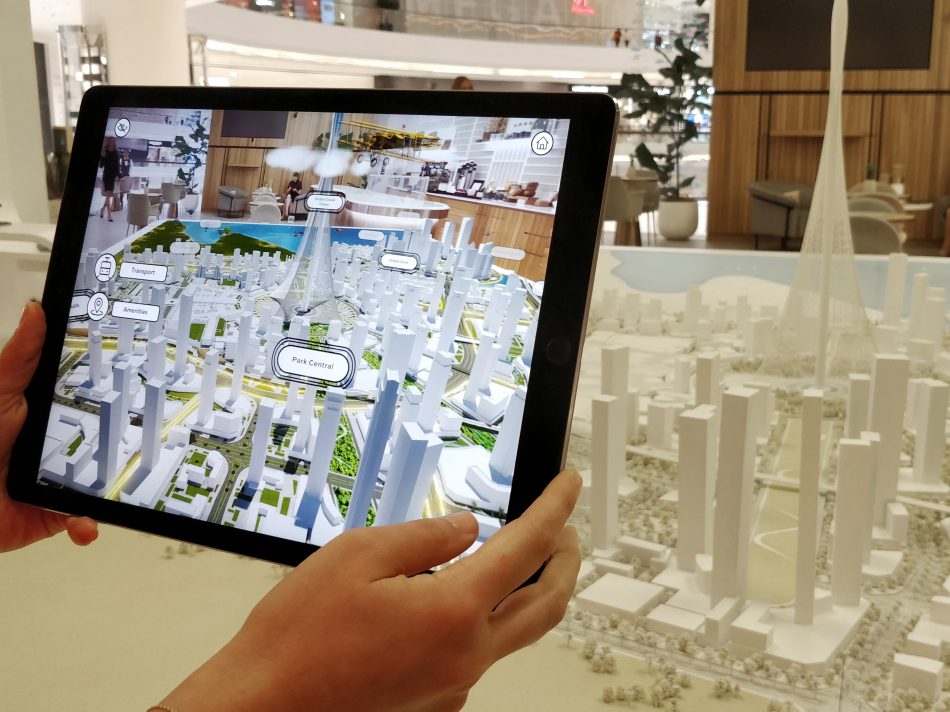
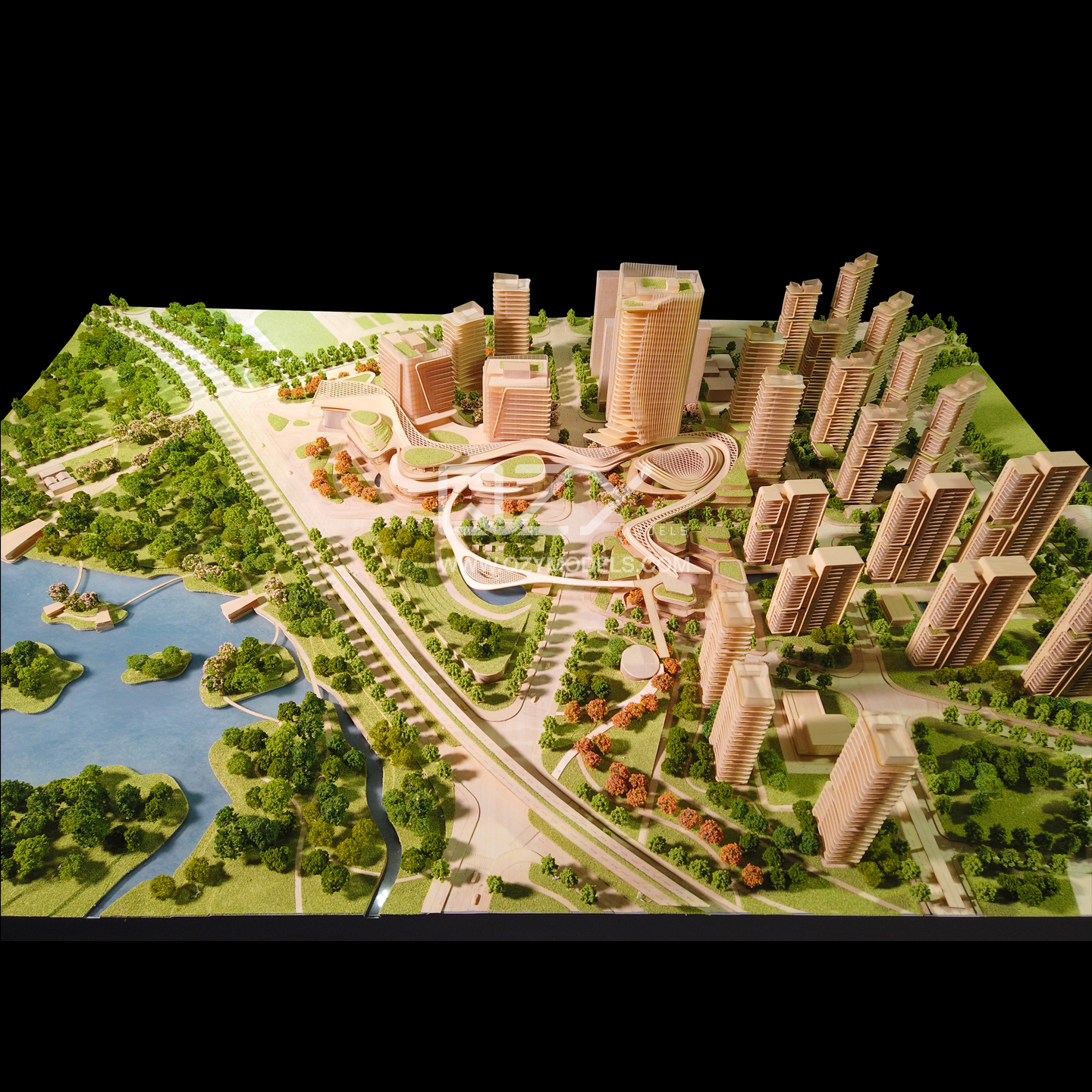
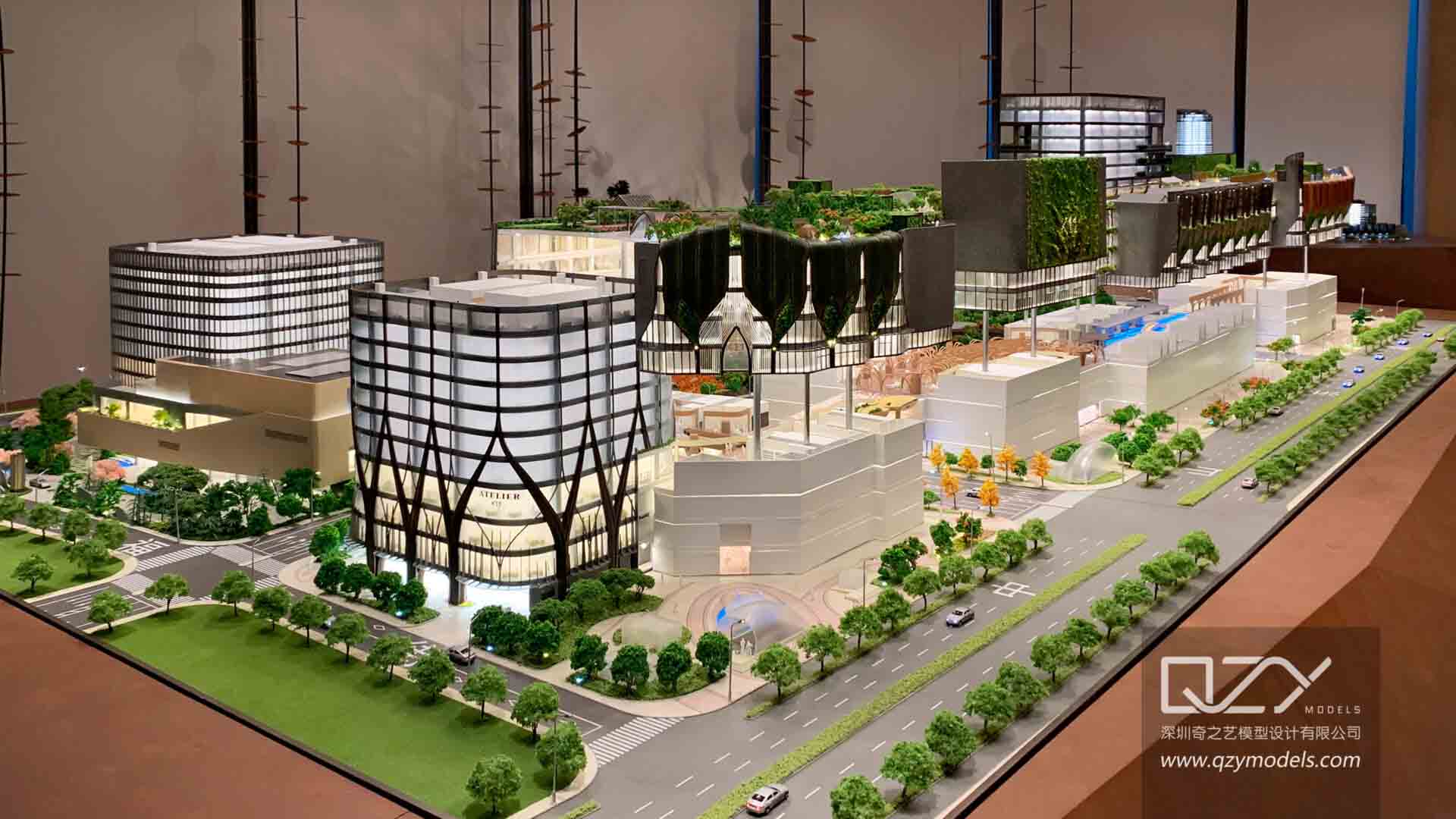
City planning presentation models from QZY Models deliver precise, tangible visualizations that bridge the gap between abstract plans and stakeholder buy-in. These high-quality physical models enhance decision-making, accelerate project approvals, and minimize costly revisions by providing clear, scalable representations of urban designs.
What Challenges Does the Current City Planning Industry Face?
Urbanization continues at a rapid pace, with 68% of the world’s population projected to live in cities by 2050, according to the United Nations World Urbanization Prospects. This growth strains infrastructure, housing, and public services, overwhelming planners who rely on 2D drawings and digital renders that fail to convey spatial realities.
Key pain points include miscommunication among stakeholders, leading to 30% of projects facing delays due to design misunderstandings, as reported by the Project Management Institute. Limited public engagement further exacerbates issues, with 40% of community opposition stemming from unclear visualizations, per McKinsey urban development studies.
Budget overruns average 20-30% in large-scale projects partly because traditional tools obscure integration challenges like traffic flow and green space allocation.
Why Do Traditional Solutions Fall Short in City Planning?
Traditional methods like 2D blueprints and basic 3D software often lack the tactile realism needed for effective presentations. Blueprints require technical expertise to interpret, alienating non-experts such as investors and residents.
Digital renders, while immersive, suffer from scalability issues and dependency on screens, which limit group interactions. Handcrafted basic models take weeks to produce and often lack precision in details like zoning or elevation changes.
These approaches result in higher rejection rates during approvals, with planners spending up to 25% more time on revisions compared to teams using advanced physical models.
What Makes QZY Models the Ideal Solution for City Planners?
QZY Models specializes in custom physical models that capture urban layouts at scales from 1:500 to 1:5000, using laser cutting, 3D printing, and hand-finishing for accuracy within 0.1mm tolerances. Their models integrate lighting, modular components, and terrain simulation to demonstrate traffic, utilities, and environmental impacts.
Founded in 2013 in Shenzhen, QZY Models serves architects, developers, and governments worldwide, including projects for Foster + Partners and Vanke. Core features include removable sections for sectional views, eco-friendly materials, and delivery in 4-6 weeks.
These models facilitate stakeholder alignment by allowing hands-on exploration, reducing approval timelines by up to 40%.
How Do QZY Models Compare to Traditional Methods?
| Aspect | Traditional Methods | QZY Models Solution |
|---|---|---|
| Visualization | 2D drawings/digital renders | 3D physical models with interactive elements |
| Production Time | 2-8 weeks, manual labor | 4-6 weeks, CNC/3D printing hybrid |
| Accuracy | ±1-2mm variances | ±0.1mm precision |
| Stakeholder Engagement | Screen-based, limited interaction | Hands-on, group-friendly |
| Cost per Project | $5,000-$20,000 (high revisions) | $10,000-$50,000 (fewer changes) |
| Durability | Fragile materials | LED-lit, modular, reusable |
What Is the Step-by-Step Process to Use QZY Models?
-
Initial Consultation: Share CAD files, sketches, or plans via QZY Models’ online portal; receive a quote within 24 hours based on scale and complexity.
-
Design Refinement: Collaborate with QZY’s team for 3D render previews and adjustments, ensuring alignment with zoning and environmental specs.
-
Prototype Review: Approve a 1:10 scale prototype within 2 weeks, testing materials and lighting.
-
Full Production: Final model built with quality checks, shipped globally with protective casing.
-
Presentation and Feedback: Use in meetings; QZY offers post-delivery tweaks within 30 days.
Who Benefits Most from QZY Models in Real Scenarios?
Scenario 1: Real Estate Developer Pitch
Problem: A developer struggles to convince investors of a mixed-use tower’s feasibility amid traffic concerns.
Traditional: PowerPoint slides lead to skepticism.
QZY Effect: 1:1000 model shows integrated parking and walkways.
Benefits: Secured $50M funding in one meeting, 25% faster close.
Scenario 2: Government Urban Renewal
Problem: City officials face public backlash over park relocation.
Traditional: Digital flythroughs ignored scale.
QZY Effect: 1:2000 zoning model highlights green space gains.
Benefits: 80% community approval, project greenlit in 3 months.
Scenario 3: Architecture Firm Bid
Problem: Firm loses tenders due to vague master plans.
Traditional: Static boards underwhelm judges.
QZY Effect: Illuminated 1:1500 model reveals phasing stages.
Benefits: Won 70% more bids, revenue up 35%.
Scenario 4: Educational Planning Workshop
Problem: University planners can’t visualize campus expansion.
Traditional: Software demos crash during sessions.
QZY Effect: Modular 1:500 model allows reconfiguration.
Benefits: Stakeholder consensus in 2 sessions, saved 15% on design fees.
Why Invest in City Planning Models Now Amid Future Trends?
Smart cities and sustainable development dominate, with global investments hitting $135B by 2025 per Deloitte reports. Physical models align with VR hybrids, offering verifiable baselines for AI simulations.
QZY Models positions clients ahead by delivering adaptable prototypes that evolve with regulations. Delaying adoption risks 20-30% higher costs as urbanization accelerates.
Frequently Asked Questions
How accurate are QZY Models for city-scale projects?
QZY achieves 0.1mm precision using CNC and 3D printing, matching CAD inputs exactly.
What scales does QZY Models support for urban planning?
Scales range from 1:500 for neighborhoods to 1:5000 for master plans.
How long does it take QZY Models to deliver a presentation model?
Standard turnaround is 4-6 weeks, with rush options at 2-3 weeks.
Can QZY Models incorporate lighting and moving parts?
Yes, LED systems and modular hydraulics simulate traffic and day-night views.
Who are typical clients of QZY Models?
Clients include architects like Foster + Partners, developers such as Vanke, and governments across 20+ countries.
Sources
-
https://www.un.org/development/desa/pd/sites/www.un.org.wpp/files/wpp2022_summary_of_results.pdf
-
https://www.pmi.org/learning/library/urban-project-management-challenges-7986
-
https://www.mckinsey.com/industries/real-estate/our-insights/smart-cities-blog
-
https://www.qzymodels.com/urban-planning-physical-models-shaping-cities-in-three-dimensions/