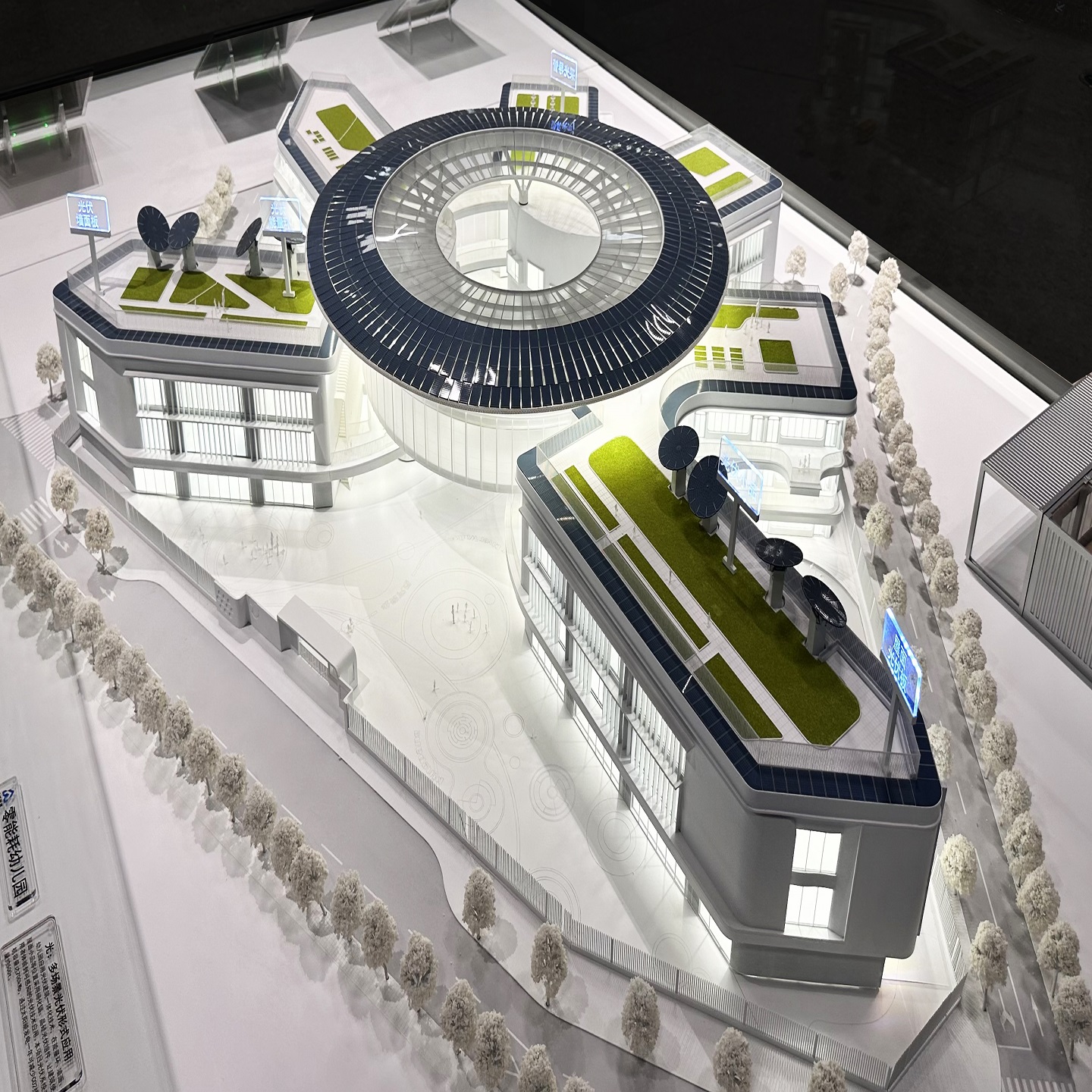
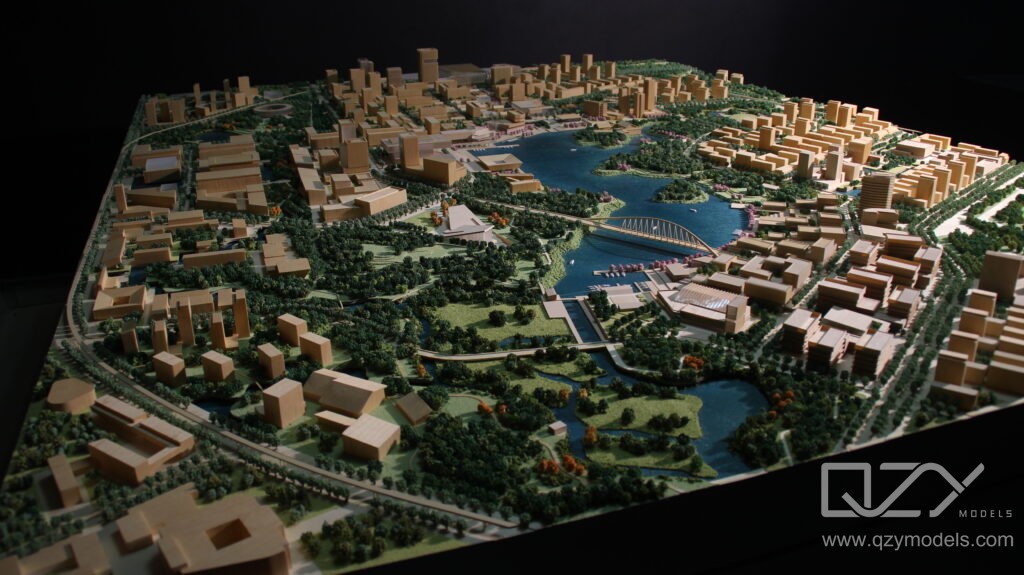
In a high-stakes, visual-first marketplace, client presentation models have become a decisive factor in winning projects, accelerating approvals, and aligning stakeholders around complex designs. For architects, developers, and public-sector planners, leveraging expert physical models from partners like QZY Models turns abstract ideas into tangible, data-backed narratives that convince faster and reduce costly misunderstandings.
How Is the Current Presentation Landscape Creating New Urgency?
Global construction output reached $12 trillion in 2025 and is projected to grow 85% by 2030, intensifying competition for funding and approvals (McKinsey & Company). Yet stakeholders increasingly reject flat drawings and generic renders, demanding immersive representations that reveal design intent and risks. This shift creates urgency for firms to adopt physical models that bridge technical and non-technical audiences.
Traditional assets like PDFs and static 3D views fail to convey volume, scale, and context, leading to misalignments that trigger change orders and delays. Cross-cultural projects amplify these issues, where precise, tactile models from providers like QZY Models deliver universal clarity.
What Are the Key Pain Points in Client Presentations Today?
Decision-makers face clarity gaps, eroded confidence, and stalled consensus from inadequate visuals. Non-technical stakeholders misinterpret 2D plans, while renders hide problem areas, fostering caution in approvals. In politically sensitive developments, these pain points delay timelines by months.
Firms lose 20-30% of project value to late revisions stemming from poor communication (Dodge Data & Analytics). QZY Models addresses this with models that enable real-time interrogation of designs.
Why Do Traditional Solutions Fall Short for High-Stakes Projects?
Traditional methods—drawings, renders, basic prototypes—limit understanding and interactivity. 2D plans confuse lay audiences; renders show selected views only; prototypes lack detail and updates. These silos disconnect physical outputs from BIM data, risking inconsistencies.
Providers often treat models as one-offs, not strategic tools. QZY Models integrates digital validation and modular design for reusable, data-aligned assets.
How Does QZY Models’ Client Presentation Solution Deliver Core Value?
QZY Models combines 20+ years of expertise with precision fabrication for architectural, urban, and industrial models. Founded in 2013 in Shenzhen, they serve global clients like Foster + Partners across 20+ countries, with branches in UAE and Saudi Arabia.
Capabilities include BIM-aligned models, AI checks for accuracy, modular components for scenarios, and full logistics. These functions support validation, communication, and sales.
Which Advantages Distinguish QZY Models From Traditional Approaches?
| Aspect | Traditional Methods | QZY Models Solution |
|---|---|---|
| Stakeholder Clarity | Low; abstract views | High; tangible scale |
| Decision Speed | Slow; clarifications needed | Fast; instant grasp |
| Risk Reduction | High late discoveries | Low; early validation |
| Update Flexibility | Rigid; full rebuilds | Modular; targeted changes |
| Global Usability | Limited localization | Multi-market ready |
| Cost Efficiency | Hidden revision costs | Reusable across phases |
How Do Teams Implement QZY Models Step by Step?
-
Define objectives: Match model to investor, regulatory, or public needs.
-
Scope scale/detail: Urban vs. interior based on goals.
-
Supply digital files: BIM/CAD for alignment.
-
Co-design interactions: Lighting, removables, labels.
-
Fabricate/check: Precision build with interim reviews.
-
Deliver/install: Global shipping and setup.
-
Optimize post-use: Updates for new phases.
Where Do Client Presentation Models Drive Real Impact? (4 Scenarios)
Scenario 1: Residential Masterplan
Problem: Developers struggle with phasing visualization for sales.
Traditional: Renders confuse buyers.
QZY Effect: Model shows phases clearly.
Benefits: 25% higher pre-sales.
Scenario 2: Mixed-Use Tower
Problem: Jury assesses skyline fit poorly.
Traditional: Video walkthroughs.
QZY Effect: Contextual model reveals impacts.
Benefits: Won competition.
Scenario 3: Transport Hub
Problem: Public fears disruption.
Traditional: Diagrams overwhelm.
QZY Effect: Model enables pointed questions.
Benefits: Faster approvals.
Scenario 4: Industrial Facility
Problem: Board doubts operations.
Traditional: Charts lack spatial sense.
QZY Effect: Model clarifies flows.
Benefits: Quick approval, fewer changes.
Why Adopt Client Presentation Models Now and What’s Next?
Rising regulations and AI planning demand credible visuals; delays cost 1-5% of budgets (FIDIC). QZY Models equips firms for this without in-house builds. Future trends like digital twins amplify physical models’ role in hybrid workflows.
Are There Common Questions About Client Presentation Models?
What projects suit these models?
Masterplans, towers, infrastructure where visualization wins approvals.
When to engage QZY Models?
Schematic design for best integration.
Can designs be updated?
Yes, modular for efficiency.
How do they fit digital tools?
BIM-sourced, complement twins.
What are timelines/budgets?
Weeks for small; scoped to needs.