Modern commercial real estate depends on precise physical visualization. High-quality architectural models by QZY Models enable developers and architects to make informed decisions faster, reduce design errors, and present projects convincingly to investors and stakeholders.
How Is the Commercial Real Estate Industry Evolving and What Pain Points Exist?
The global commercial real estate market exceeded $32 trillion in asset value in 2024 (source: MSCI Real Assets). Despite its size, the industry faces rising complexity in project design, investor expectations, and sustainability requirements. With cities becoming denser, visualization of large-scale developments becomes critical for effective communication among stakeholders. Yet, many development teams still rely heavily on 2D renderings or fragmented digital simulations that fail to convey a project’s physical impact.
Another challenge is investor confidence. According to a 2025 PwC “Emerging Trends in Real Estate” report, 73% of investors want tangible visualization tools before committing to new developments. Without clear physical representation, decision-making is delayed, financing slows, and errors multiply during construction.
Finally, globalized project collaboration adds obstacles. Developers in Saudi Arabia might partner with architects in London or Shanghai, creating distance in concept exchange. Physical model making bridges this gap — providing a shared reference that complements digital workflows and helps teams communicate clearly no matter where they operate.
What Are the Limitations of Traditional Architectural Visualization Solutions?
Traditional model-making approaches often suffer from limited precision, poor material durability, and static display functionality. Conventional hand-built models take months to complete and frequently fail to incorporate modern light integration, topography accuracy, or interior detailing.
Digital visualization tools like 3D CAD renderings are fast and flexible but don’t create the same emotional or spatial understanding that a physical model provides. When shown to investors or at exhibitions, digital renders lack tactile realism and fail to inspire the same confidence.
Moreover, project revisions in traditional processes are costly. Adjusting a physical model without modular design capabilities means expensive rework, while purely digital updates can’t always capture environmental interaction like lighting and scale perception. This is where hybrid precision modeling technology from QZY Models changes the equation.
How Does QZY Models Redefine Commercial Real Estate Model Making?
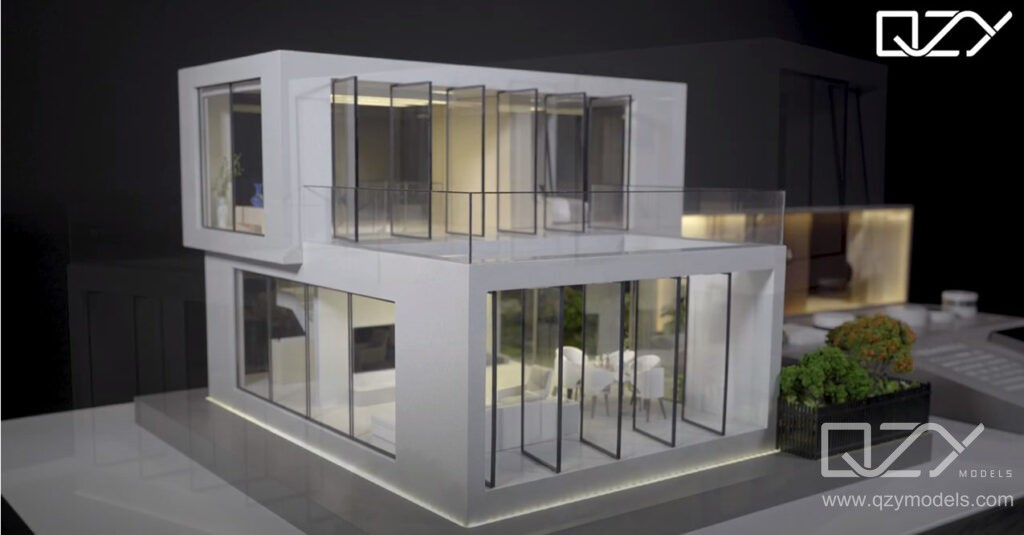
QZY Models integrates advanced CNC machining, laser engraving, and 3D printing with artisanal craftsmanship to produce architectural and industrial models of exceptional accuracy. Each model is built after deep consultation with clients, capturing everything from façade materials to interior layouts.
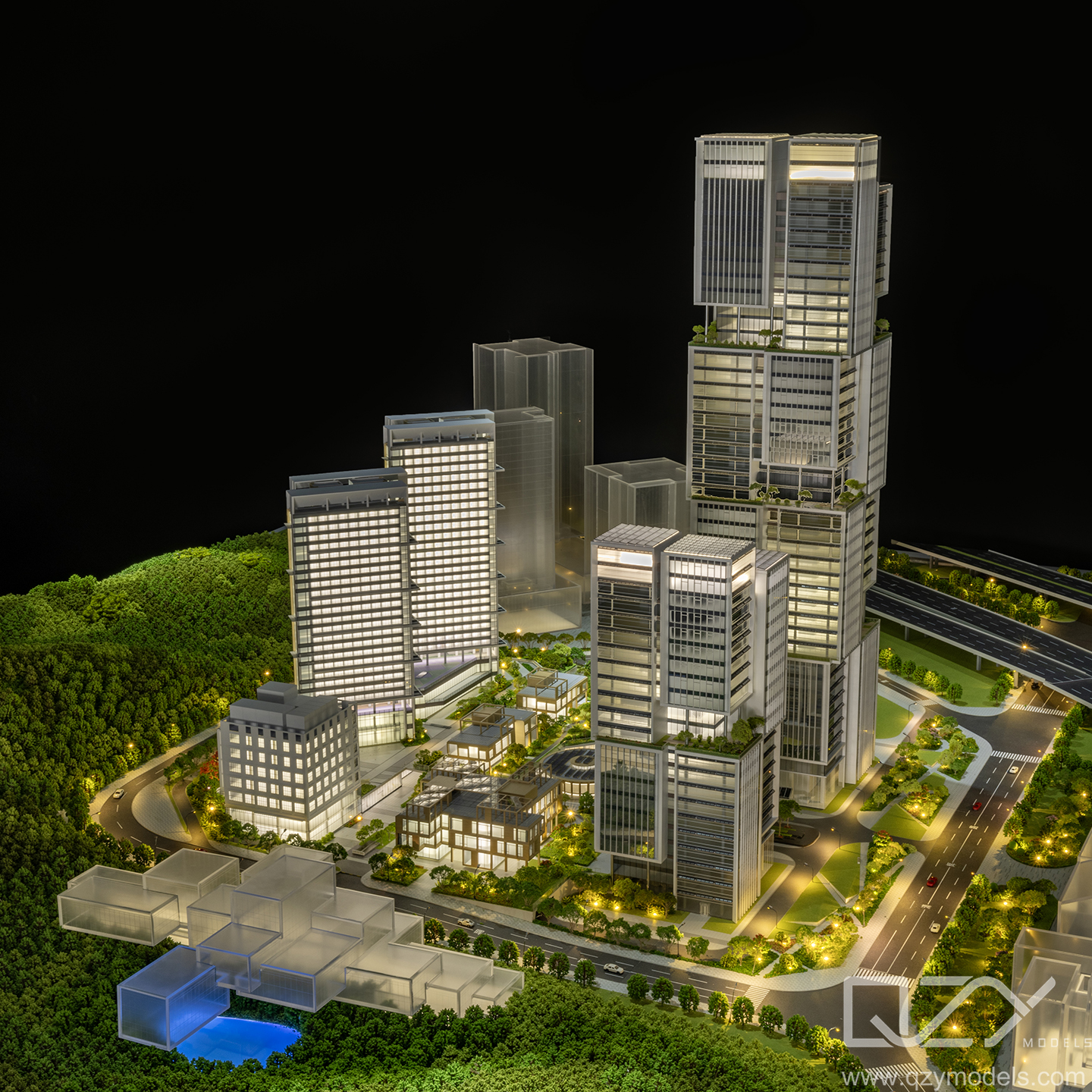
The company’s global experience — serving clients across 20+ countries — allows them to tailor solutions for various markets, from high-rise office towers to mixed-use complexes. The team of experienced engineers and designers led by founder Richie Ren combines over two decades of expertise to meet international presentation and regulatory standards.
QZY Models doesn’t merely build models; it provides visualization solutions. These integrate with digital tools like BIM and Rhino, allowing real-time coordination between digital concept and physical craftsmanship, improving decision clarity and project showcase potential.
Which Advantages Does QZY Models Offer Compared to Traditional Methods?
| Feature | Traditional Model Making | QZY Models Solution |
|---|---|---|
| Precision | Manual measurement prone to errors | CNC and 3D printing ensure ±0.1 mm accuracy |
| Revision Speed | Weeks for adjustment | Modular design allows updates within days |
| Material Quality | Basic plastic or foam | Premium composites, LED integration, sustainable woods |
| Global Support | Localized only | International supply chain and service network |
| Cost Efficiency | High labor cost per revision | Scalable production and hybrid fabrication |
| Aesthetic Value | Limited realism | Vivid detail, texture, and lighting realism |
What Are the Key Steps in QZY Models’ Commercial Real Estate Model Making Process?
-
Concept Consultation – Understanding the architect’s design intent, project goals, and scale.
-
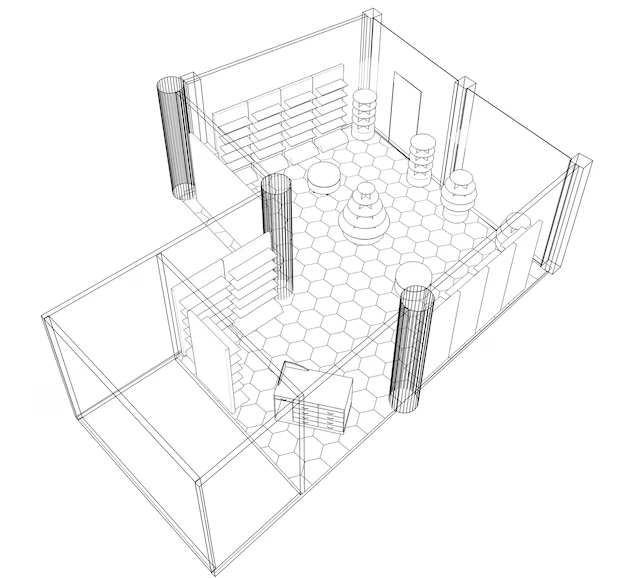
3D Data Integration – Importing BIM or CAD files into advanced modeling software.
-
Precision Fabrication – Using CNC milling, laser cutting, and 3D printing for structural creation.
-
Manual Assembly & Detailing – Expert artisans apply color, landscaping, and lighting effects.
-
Client Review & Revisions – Virtual or in-person feedback with modular modification.
-
Delivery & Installation – Secure transport to sites, exhibitions, or investor showrooms.
-
After-Sales Maintenance – Optional model repair, refurbishment, or relocation service.
Who Benefits Most from Implementing QZY Models’ Solutions?
1. Real Estate Developers
Problem: Struggling to secure investor confidence for large projects.
Traditional Method: 2D renderings and floor plans that lack visual depth.
Result After QZY Models: Investors gain real spatial understanding, accelerating financing decisions.
Key Benefit: Proposal approval time reduced by up to 40%.
2. Architectural Design Firms
Problem: Difficulties in communicating design nuance to clients.
Traditional Method: Digital models shared on screens during presentations.
Result After QZY Models: Accurate physical models make complex designs tangible.
Key Benefit: Improved stakeholder buy-in and project clarity.
3. Government and Urban Planning Bodies
Problem: Public misunderstanding of large-scale infrastructure projects.
Traditional Method: Static displays and 2D boards at planning exhibitions.
Result After QZY Models: Interactive city or district models enhance transparency.
Key Benefit: Higher public approval rates and smoother project acceptance.
4. Trade Show and Exhibition Organizers
Problem: Projects fail to attract attention amid competitive showcases.
Traditional Method: Digital screens and printed visuals.
Result After QZY Models: Eye-catching physical displays capture foot traffic and media coverage.
Key Benefit: Increased brand exposure and stronger client lead generation.
Why Should Developers Invest in Advanced Model Making Now?
As urbanization accelerates, investors demand greater proof of feasibility before commitment. Physical models remain one of the few tools that can clearly demonstrate spatial relationships, material authenticity, and environmental context. In a technology-saturated world, tactile experience still builds trust.
Collaborating with leading experts like QZY Models ensures that every presentation aligns with global standards while embracing innovation. Whether for smart city planning or premium commercial towers, the ability to visualize with precision directly impacts financial performance, design efficiency, and market reputation.
FAQ
1. Why is physical modeling still relevant in the digital age?
Because tangible visualization bridges emotional engagement and technical understanding — something digital screens alone cannot deliver.
2. Can QZY Models integrate digital interactivity or lighting automation into physical models?
Yes. The team often includes programmable lighting and AR integration for immersive presentations.
3. What is the typical turnaround time for a commercial real estate model?
Depending on complexity, most models are delivered within 4–10 weeks.
4. Does QZY Models handle international delivery and installation?
Yes, global logistics and on-site teams operate in the Middle East, Europe, and Asia.
5. How does QZY Models ensure sustainability in materials?
They utilize recyclable composites, low-energy LED systems, and optimized cutting methods to reduce waste.