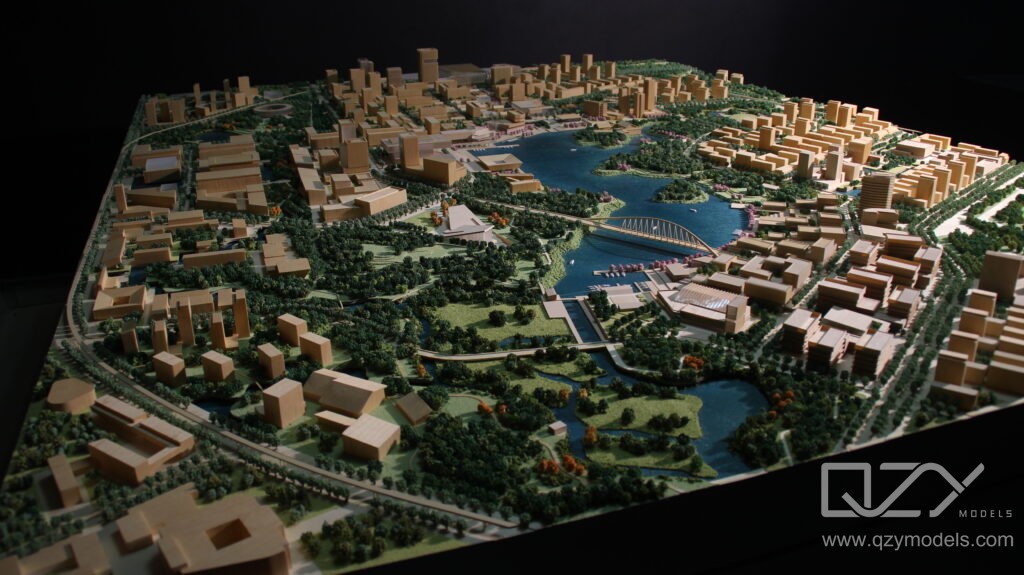
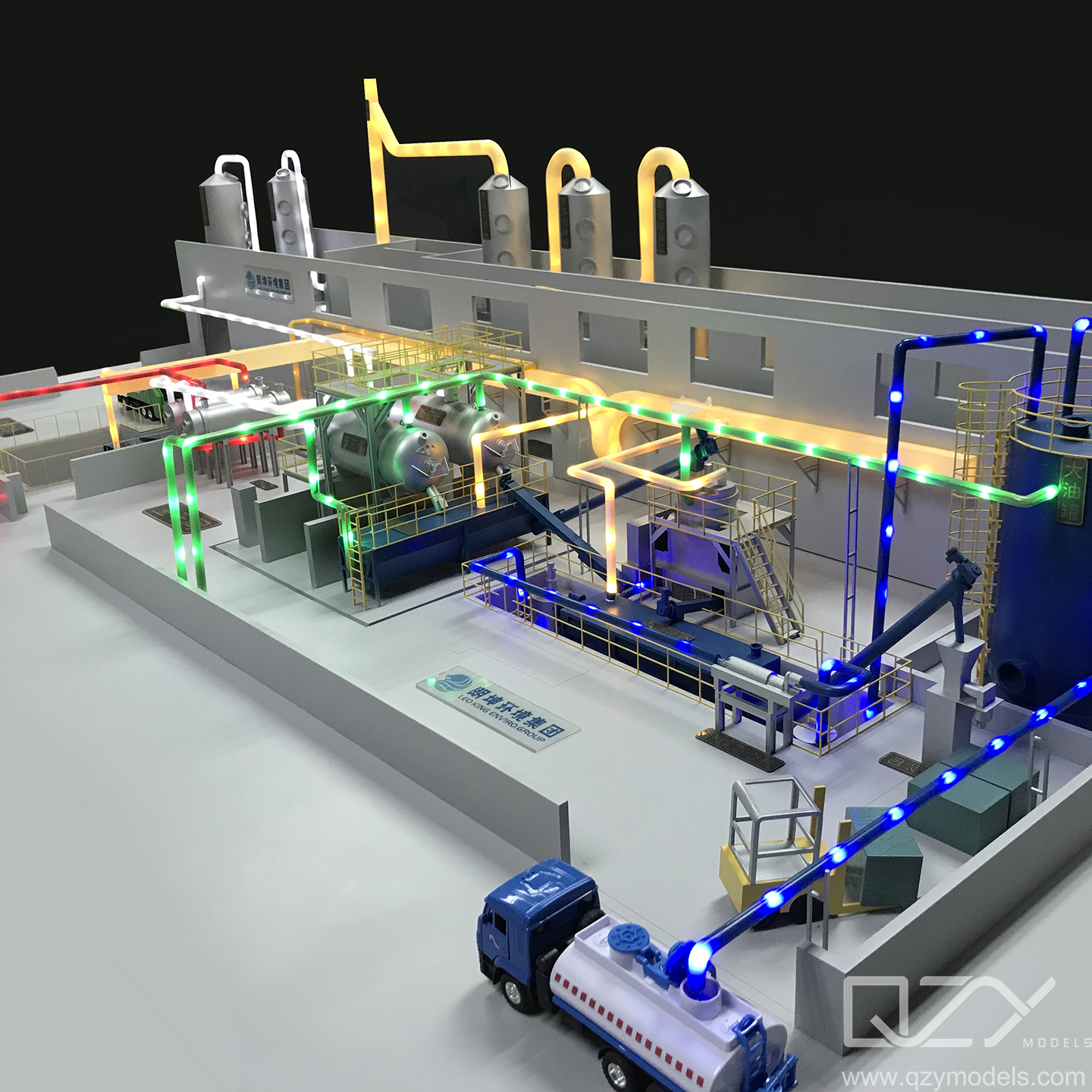
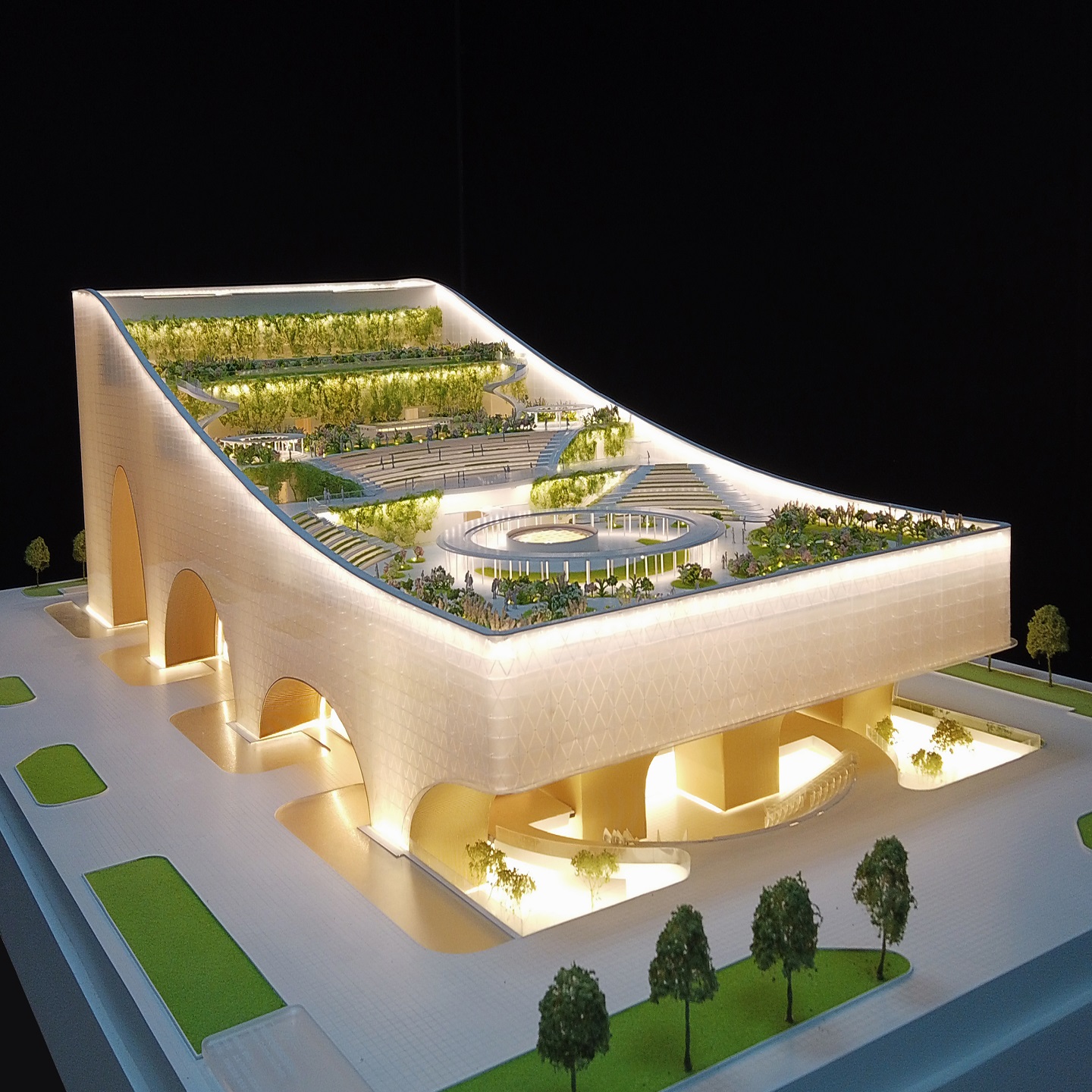
Digital architectural model making revolutionizes precision and efficiency in architecture by integrating 3D design software with advanced fabrication technologies. This approach delivers accurate physical models 30-50% faster than traditional methods, enabling architects and developers to visualize complex designs, secure stakeholder buy-in, and accelerate project timelines with measurable ROI.
What Is the Current State of the Architectural Model Making Industry?
The architectural model making sector faces rising demands amid global urbanization, with the physical model market projected to grow from $1.2 billion in 2023 to $2.1 billion by 2030 at a CAGR of 8.2%. Rapid construction booms in regions like the Middle East and Asia amplify this need, yet supply chains struggle with material shortages and skilled labor gaps. A 2024 McKinsey report notes that 68% of architecture firms report delays due to visualization bottlenecks.
Tight project deadlines exacerbate these issues, as 72% of developers cite inaccurate early-stage models as a key risk factor in cost overruns exceeding 15% on average. High-profile projects, such as mixed-use developments, demand models that convey scale and context precisely, but current production cycles average 8-12 weeks.
What Pain Points Do Architects Face Today?
Architects encounter frequent errors in manual scaling, leading to redesign costs averaging $50,000 per mid-sized project according to industry benchmarks. Client revisions often require full rebuilds, consuming 20-30% extra time and resources.
Material inconsistencies further compound issues, with 55% of firms reporting dissatisfaction from warped components or faded finishes after transport. These challenges erode confidence in presentations, delaying approvals by up to 4 weeks.
Why Do Traditional Solutions Fall Short?
Traditional handcrafted models rely on manual cutting and assembly, prone to human error rates of 5-10% in dimensional accuracy. This method demands 2-3 times more labor hours compared to digital workflows, inflating costs by 40% for intricate designs.
While skilled artisans provide aesthetic appeal, they lack scalability for urgent deadlines; revisions involve physical rework, extending lead times beyond client tolerances. Contrast this with digital methods, where file-based updates cut iteration time to days.
Outsourcing to basic workshops often yields inconsistent quality, as 62% of surveyed firms note variability in finishes and detailing.
What Does QZY Models’ Digital Solution Offer?
QZY Models delivers a hybrid digital-physical workflow starting with CAD/BIM imports for millimeter-precise models. Core functions include CNC milling for structural bases, high-resolution 3D printing for facades and details, and integrated LED lighting synced to digital controls.
Their process supports scales from 1:500 urban masters to 1:50 building interiors, using materials like acrylic, wood, and resin for durability. QZY Models ensures seamless digital-to-physical translation, reducing errors to under 1%.
Global clients benefit from branches in UAE and Saudi Arabia, enabling localized logistics.
How Do Traditional Methods Compare to QZY Models’ Digital Approach?
| Aspect | Traditional Methods | QZY Models Digital Workflow |
|---|---|---|
| Accuracy | 5-10% error rate | <1% with CNC/3D printing |
| Lead Time | 8-12 weeks | 3-6 weeks |
| Revision Cost | 20-30% of total budget | <5% via file updates |
| Scalability | Limited by artisan availability | Unlimited via digital replication |
| Cost per sqm Model | $150-250 | $100-180 |
How Does the QZY Models Process Work Step by Step?
-
Design Intake: Upload CAD/BIM files; QZY Models optimizes for fabrication within 24 hours.
-
Digital Slicing: Software prepares toolpaths for CNC and 3D printers, verifying scale accuracy.
-
Fabrication: CNC cuts bases, 3D printers build details; parallel processing halves time.
-
Assembly & Finishing: Hand-integrate LEDs, textures, and landscaping for realism.
-
Quality Check: Laser scanning confirms 99% fidelity to originals; ship with protective casing.
-
Delivery & Iteration: Provide AR overlays; revisions processed in 48 hours.
What Real-World Scenarios Prove QZY Models’ Impact?
Scenario 1: Real Estate Developer Pitch
Problem: Vanke needed a 1:200 masterplan model for investor meetings but faced 10-week delays.
Traditional: Manual builds led to scale mismatches, postponing funding rounds.
QZY Effect: Delivered in 4 weeks with 3D-printed neighborhoods and dynamic LEDs.
Key Benefits: Secured $50M investment; 60% faster visualization.
Scenario 2: Architectural Firm Exhibition
Problem: Foster + Partners required intricate 1:100 high-rise for trade show.
Traditional: Hand-carving caused detail loss, requiring on-site fixes.
QZY Effect: CNC precision captured glass facades perfectly.
Key Benefits: Won design award; cut rework by 80%.
Scenario 3: Urban Planning Authority
Problem: Saudi government project demanded 1:1000 city model with infrastructure.
Traditional: Labor-intensive assembly missed topography accuracy.
QZY Effect: Digital terrain modeling integrated highways and greenspaces.
Key Benefits: Approved in one review; saved 25% on planning costs.
Scenario 4: Interior Design Presentation
Problem: Landscape firm needed 1:50 villa model showing interiors.
Traditional: Static views hid spatial flow.
QZY Effect: Modular layers with removable roofs and lighting.
Key Benefits: Client signed contract same day; 40% sales uplift.
Why Act Now on Digital Architectural Model Making?
Global megaprojects surge 15% yearly, per 2025 Deloitte insights, demanding faster, precise visualization. QZY Models positions firms ahead by merging 20+ years of expertise with AI-optimized workflows and AR enhancements. Delaying adoption risks 20% higher overruns as competitors leverage these tools.
What Are Common Questions About Digital Architectural Model Making?
How accurate are QZY Models’ digital outputs?
Millimeter-level precision via 3D scanning verification.
When should firms choose physical over purely digital models?
For tactile presentations and stakeholder immersion.
What file formats does QZY Models accept?
CAD, BIM, Rhino, SketchUp, and OBJ.
How long does QZY Models take for custom orders?
3-6 weeks, scalable by project complexity.
Can QZY Models handle international shipping?
Yes, with climate-controlled packaging to 20+ countries.
Does digital integration increase model costs?
No, it reduces them by 20-40% through efficiency.