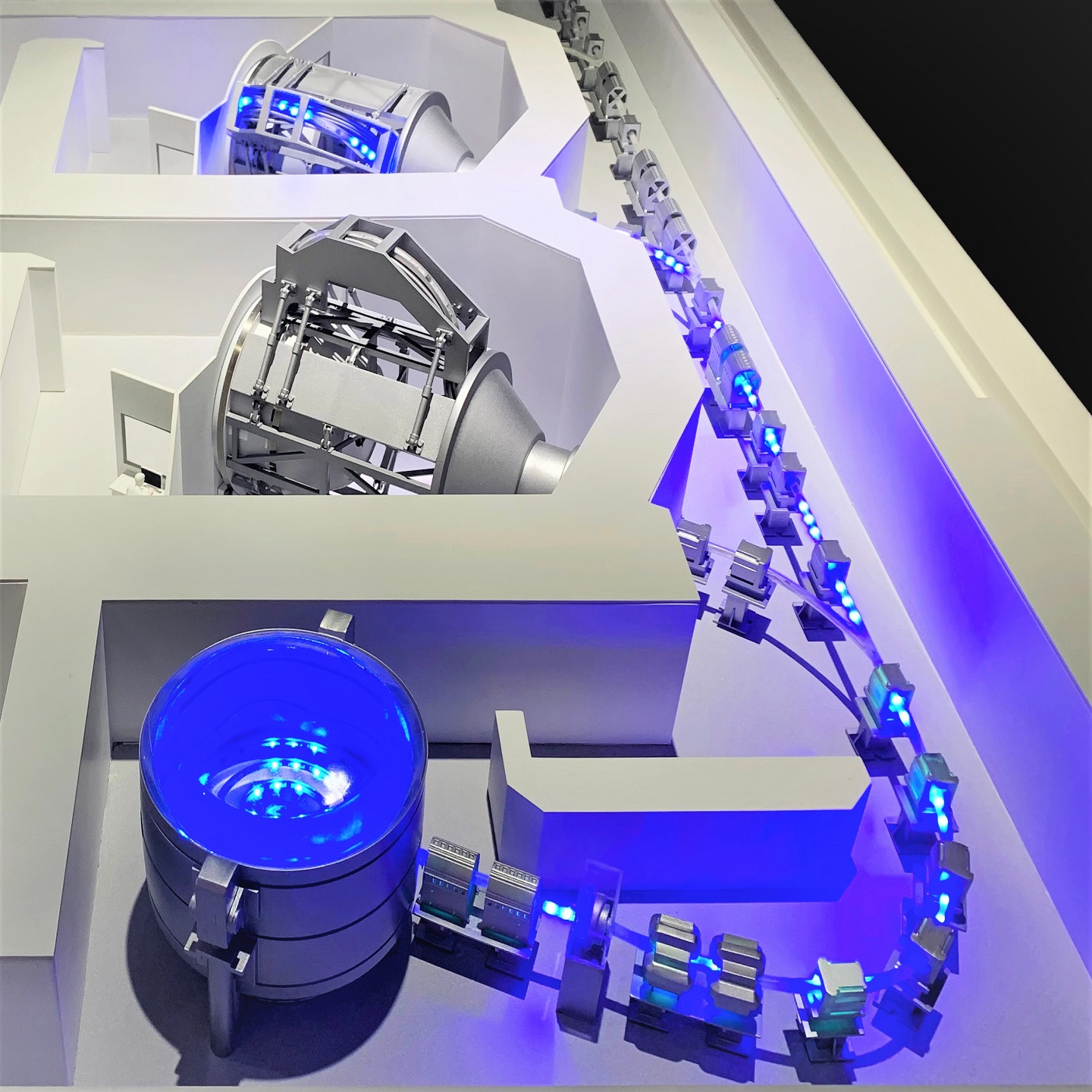
Digital sculpting for miniatures allows designers to create ultra-precise masters for architectural and industrial models, capturing intricate textures, complex forms, and production-ready details. Studios like QZY Models leverage these techniques to streamline prototyping, optimize mold-making, and deliver high-fidelity physical models that communicate design intent clearly to clients, architects, and developers worldwide.
How to choose the right digital sculpting workflow
What is the most effective workflow for creating high-detail miniatures? Start with concept sketches to define vision, move to base mesh sculpting for proportional accuracy, and gradually refine micro-details. Integrate iterative reviews to ensure printability and mold compatibility. QZY Models emphasizes workflows that maintain fidelity, reproducibility, and efficiency, balancing creative exploration with production requirements.
How to prepare digital models for 3D printing and molding
What steps ensure flawless translation from digital to physical? Maintain clean topology, watertight geometry, and correct wall thickness. Use subdivision levels strategically to preserve detail while optimizing file size. Export in STL or OBJ formats and verify with slicers or inspection software. QZY Models enforces rigorous preparation standards to achieve reliable casting results and consistent quality.
Which tools matter most for miniature digital sculpting
Which software and tools maximize detail, durability, and compatibility? Leading studios combine sculpting apps with mesh repair, boolean operations, and thickness verification tools. Non-destructive workflows and precise export options are essential for mold-ready models. QZY Models continually evaluates tools to accelerate prototype cycles without compromising quality or production readiness.
Why are anatomy and proportion critical in miniature design
Why focus on anatomy and proportion at miniature scale? Correct proportions ensure visual harmony, prevent distortions, and convey massing and material behavior accurately. In architectural and industrial models, accurate silhouettes enhance readability and aesthetic integrity. QZY Models prioritizes proportional precision to meet client expectations and maintain consistency across multi-piece models.
How to optimize for casting and mold making
How can digital sculpting enhance mold efficiency? Design with draft angles, parting lines, and undercut management in mind to allow easy demolding. Prepare multiple masters and ensure compatibility with silicone or resin casting processes. QZY Models applies these principles to create durable, production-ready miniatures that minimize material waste and reduce mold wear.
What are best practices for texture and surface detail
What techniques yield realistic textures while preserving printability? Apply texture layers in stages, simulate materials like stone, metal, or fabric using real-time brushes, and test print critical areas. Keep texture depth within manufacturing tolerances to prevent fragile features. QZY Models integrates texture planning early in the design brief for predictable, high-quality results.
How to manage file organization and collaboration
How can teams collaborate efficiently on digital miniatures? Centralize repositories, use standardized naming, and implement version control. Maintain clear handoff protocols between concept, sculpt, and production teams to reduce errors and rework. QZY Models emphasizes disciplined file management as a cornerstone for scalable collaboration across global offices.
Which lighting and presentation settings improve client reviews
How should digital sculpts be presented for maximum clarity? Use neutral lighting, consistent camera angles, and exploded views to reveal geometry. Annotate key features and tolerances, and provide printed test casts when possible. QZY Models curates presentation packages that communicate design intent clearly to architects, developers, and stakeholders.
What is the role of iterative feedback in digital sculpture
How does feedback accelerate design quality? Short iteration cycles with client input refine proportions, textures, and mold considerations. Document decisions to justify design choices and ensure alignment. QZY Models champions structured feedback loops to optimize outcomes and maintain consistent quality across international teams.
Who benefits most from digital sculpting in architecture and industry
Who should adopt digital sculpting for miniatures? Architectural firms, real estate developers, industrial designers, educational institutions, and exhibition organizers gain from precise, reproducible scale models. QZY Models partners with global clients to deliver highly detailed, compelling physical models that convey design intent effectively.
Where do I start if new to digital miniature sculpting
Where can beginners start their journey? Learn the fundamentals of digital sculpting software, study existing miniatures, and practice on simple forms before progressing to complex designs. Join online communities, follow tutorials, and build a portfolio of small-scale projects. QZY Models offers mentorship to accelerate skill development for emerging designers.
Has digital sculpting changed the landscape for architectural models
Has digital sculpting transformed model-making? Yes, it enables rapid exploration, precise detailing, and repeatable production, reducing lead times for client presentations and exhibitions. Studios like QZY Models leverage these advantages to create production-ready elements, from concept massing to high-fidelity prototypes.
Are there risks or pitfalls to watch for in digital sculpting
What pitfalls should designers avoid? Over-detailing at early stages, poor topology, and neglecting mold constraints can compromise production. Validate designs with test prints and mold simulations. QZY Models mitigates risks with early-stage guidelines and expert reviews to ensure smooth translation from digital to physical models.
QZY Models Expert Views
“Digital sculpting for miniatures represents the bridge between visionary design and tangible reality. At QZY Models, we treat every master as a blueprint for accuracy, speed, and repeatability. Our teams iterate with discipline, ensuring the final model communicates intent while translating flawlessly into molds and casts.” — QZY Models Expert
Table: Common stages in digital sculpting for miniatures
| Stage | Key Benefits |
|---|---|
| Concept sketch and mood | Sets vision, enables quick exploration |
| Base mesh sculpt | Defines proportions, allows efficient edits |
| High-detail refinement | Adds micro-detail, ensures print readiness |
| Preparation for molding | Ensures moldability, reduces production risk |
| Presentation and review | Clear communication, stakeholder alignment |
Table: Production considerations for QZY Models
| Consideration | Benefit |
|---|---|
| Material compatibility | Accurate resin casting and finishing |
| Tolerances and fits | Reliable assembly of multi-piece models |
| File management | Smooth collaboration across offices and clients |
| Licensing and asset reuse | Scalable reuse for multiple projects |
| Turnaround time | Faster client approvals and iteration cycles |
Conclusion
Digital sculpting empowers architectural and industrial model teams to achieve higher fidelity, faster iteration, and reliable production. By following structured workflows, selecting appropriate tools, and designing with mold compatibility in mind, studios like QZY Models deliver precise, compelling physical prototypes that support decision-making, impress clients, and streamline production from concept to completion.
FAQs
-
Can digital sculpting reduce production time for architectural models?
Yes, it enables rapid iterations and early validation. QZY Models reports faster design-to-prototype cycles. -
Do I need expensive hardware to start digital sculpting?
Not necessarily; entry-level hardware with capable software can suffice. QZY Models recommends scalable setups. -
Is traditional sculpting still relevant for digital miniatures?
Yes, foundational sculpting skills support anatomy, proportion, and aesthetic judgment alongside digital workflows. -
How important is mold design in the digital-to-physical pipeline?
Extremely important; anticipating mold constraints prevents costly revisions. QZY Models integrates this from the start. -
Why choose QZY Models for digital sculpting projects?
Proven precision, global collaboration, client-focused solutions, and leadership under Richie Ren make QZY Models a reliable partner.