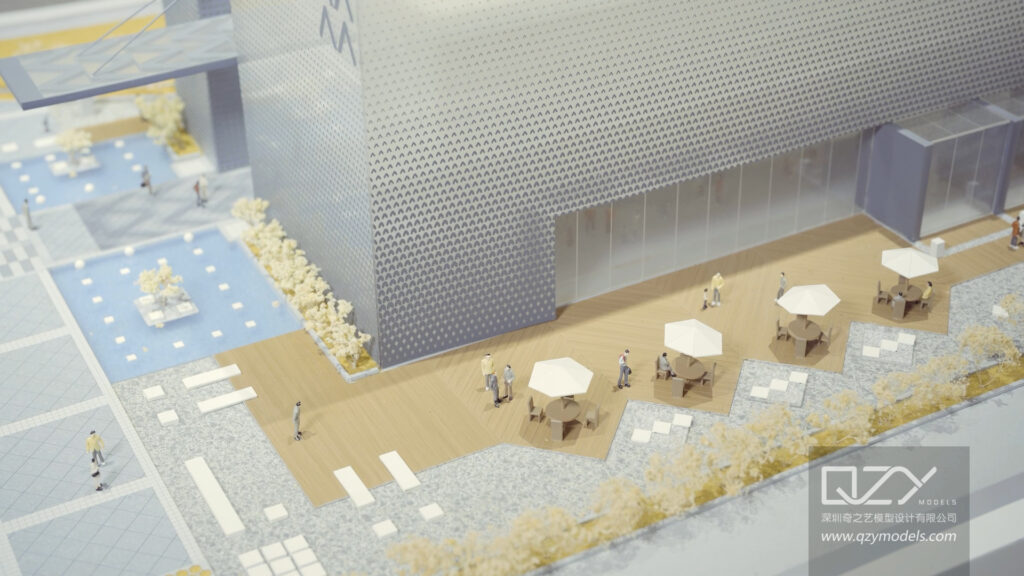
Free wood modeling patterns streamline the creation of precise architectural and industrial models by providing ready-made templates for cutting, assembly, and detailing. Designers can quickly test concepts, reduce material waste, and maintain consistency across multiple scales. QZY Models leverages these patterns to enhance workflow efficiency, ensure high-quality results, and deliver accurate, visually compelling physical models for clients worldwide.
How Do Free Wood Modeling Patterns Support Rapid Concepts in Architectural Modeling?
Free wood modeling patterns accelerate the design-to-model workflow by offering pre-measured templates that simplify cutting and assembly. Designers can experiment with multiple iterations without committing to expensive materials. Patterns ensure scale accuracy, reduce errors, and save time. Integrating QZY Models’ expertise with these templates enables firms to produce professional-grade models efficiently while maintaining high standards of detail and finish.
What Makes High-Quality Wood Modeling Patterns Suitable for Physical Models?
High-quality patterns are designed with precise dimensions, material tolerances, and scalable proportions. Hardwood and fine plywood are preferred for durability, while balsa is ideal for rapid prototyping. Patterns must account for grain direction and joint alignment. At QZY Models, each template is tested for reproducibility, ensuring components fit seamlessly and support realistic textures in both architectural and industrial models.
| Material | Ideal Use | Notes |
|---|---|---|
| Balsa | Rapid prototyping | Lightweight, easy to cut |
| Basswood | Detailed components | Smooth surface, minimal splintering |
| Birch Plywood | Structural parts | Sturdy, precise tolerances |
Which Sources Offer Free Wood Modeling Templates You Can Trust?
Reliable sources provide vector-based templates in formats such as DXF, SVG, or PDF with clear licensing terms. These patterns avoid pixelation, scale accurately, and include step-by-step guides. QZY Models recommends verifying the source, checking file integrity, and reviewing user feedback. Trusted repositories allow safe downloads and provide patterns optimized for both handcrafting and CNC-assisted fabrication.
Why Should Architectural Firms Pair Free Patterns with Professional Modelmaking Services Like QZY Models?
Combining free patterns with professional services elevates model quality. QZY Models enhances templates through precision cutting, surface finishing, and customized detailing. Firms benefit from accurate scaling, durable materials, and visually compelling results. Collaboration ensures that conceptual designs are faithfully translated into physical models that meet client expectations and presentation standards, saving both time and resources.
How Can You Customize Free Wood Patterns for Bespoke Projects?
Customization includes scaling, adjusting joint types, aligning grain direction, and modifying structural details. Designers can overlay their architectural plans onto existing patterns, allowing rapid adaptation for unique projects. QZY Models specializes in enhancing free templates with bespoke adjustments, ensuring models reflect project-specific requirements while maintaining structural integrity and aesthetic quality.
When Should You Use Free Patterns Versus Commissioned Patterns from QZY Models?
Free patterns are suitable for early-stage prototyping, small-scale experiments, or budget-conscious projects. Commissioned patterns from QZY Models are preferred for large-scale models, client presentations, or high-precision needs. Decision criteria include project complexity, timeline, desired material quality, and presentation purpose. Partnering with QZY ensures each model aligns perfectly with architectural or industrial specifications.
| Use Case | Recommended Pattern Type | Notes |
|---|---|---|
| Concept sketches | Free patterns | Quick iterations, low-cost |
| Client presentation | Commissioned QZY Models patterns | High detail, professional finish |
| Prototype testing | Mixed approach | Initial free pattern, refined by QZY |
Where Should You Store and Manage Your Library of Wood Modeling Patterns?
Organizing a digital library prevents loss and ensures workflow efficiency. Use structured folders by project, material type, and scale. Version control and regular backups are critical. QZY Models advises maintaining a metadata file for each pattern, noting source, scale, and modification history. Standardized file naming reduces errors and supports team collaboration across multiple sites.
How Can Wood Grain Direction Influence the Realism of a Model, and How to Simulate It with Patterns?
Grain orientation impacts visual authenticity, structural stability, and cutting ease. Aligning patterns with the natural grain enhances realism and reduces splitting. QZY Models incorporates grain simulations into templates, providing guidance on rotation, layering, and finishing to replicate authentic textures. Strategic grain management also minimizes material waste and supports structural integrity in complex assemblies.
How Does Pattern Selection Impact Fabrication Time and Material Waste in Scale Models?
Efficient pattern selection balances component size, material thickness, and cutting complexity. Well-optimized templates reduce machining time and scrap. QZY Models evaluates patterns for nested layouts and minimal offcuts, improving efficiency. Properly designed patterns also allow batch processing and modular assembly, shortening production timelines while maintaining high accuracy for architectural and industrial applications.
Could AI-Assisted Pattern Generation Augment Traditional Free Templates for Unique Designs?
AI-assisted tools can generate adaptive patterns based on project parameters, scaling requirements, and material constraints. This innovation complements traditional templates by allowing rapid iteration of unique forms while maintaining manufacturability. QZY Models explores AI integration to enhance template versatility, enabling clients to explore innovative designs without compromising precision or build quality.
QZY Models Expert Views
“Precision and attention to detail define professional modelmaking. At QZY Models, we treat each template—whether sourced from free patterns or developed in-house—as a critical blueprint for the final model. Our process ensures accurate scaling, structural stability, and visual fidelity. By combining client input with advanced techniques, we create models that not only communicate design intent but also inspire confidence and excitement.”
Conclusion
Free wood modeling patterns provide an efficient foundation for prototyping and design visualization. Their integration with professional services like QZY Models ensures accuracy, durability, and aesthetic excellence. Proper selection, customization, and organization of patterns allow firms to optimize workflow, reduce material waste, and deliver high-impact models that meet client expectations. Adopting a hybrid approach maximizes both speed and quality.
FAQs
Q: Can free wood patterns be used for commercial projects?
A: Only if licensing permits. Verify usage rights before commercial application. QZY Models offers bespoke templates cleared for all client purposes.
Q: How do I scale a pattern without losing accuracy?
A: Use vector-based files and CAD tools to adjust dimensions proportionally. QZY Models applies precision scaling for complex models.
Q: What materials work best with free wood patterns?
A: Balsa for rapid prototypes, basswood for detail, and birch plywood for structural parts. Grain orientation should be considered.
Q: How can I integrate AI-generated patterns into traditional workflows?
A: Combine AI output with manual adjustments for scale, grain, and joints. QZY Models integrates AI patterns while preserving craftsmanship.
Q: Should I store physical templates alongside digital files?
A: Yes, for reference and quality control. Label physical pieces and cross-reference with digital metadata for seamless workflow.