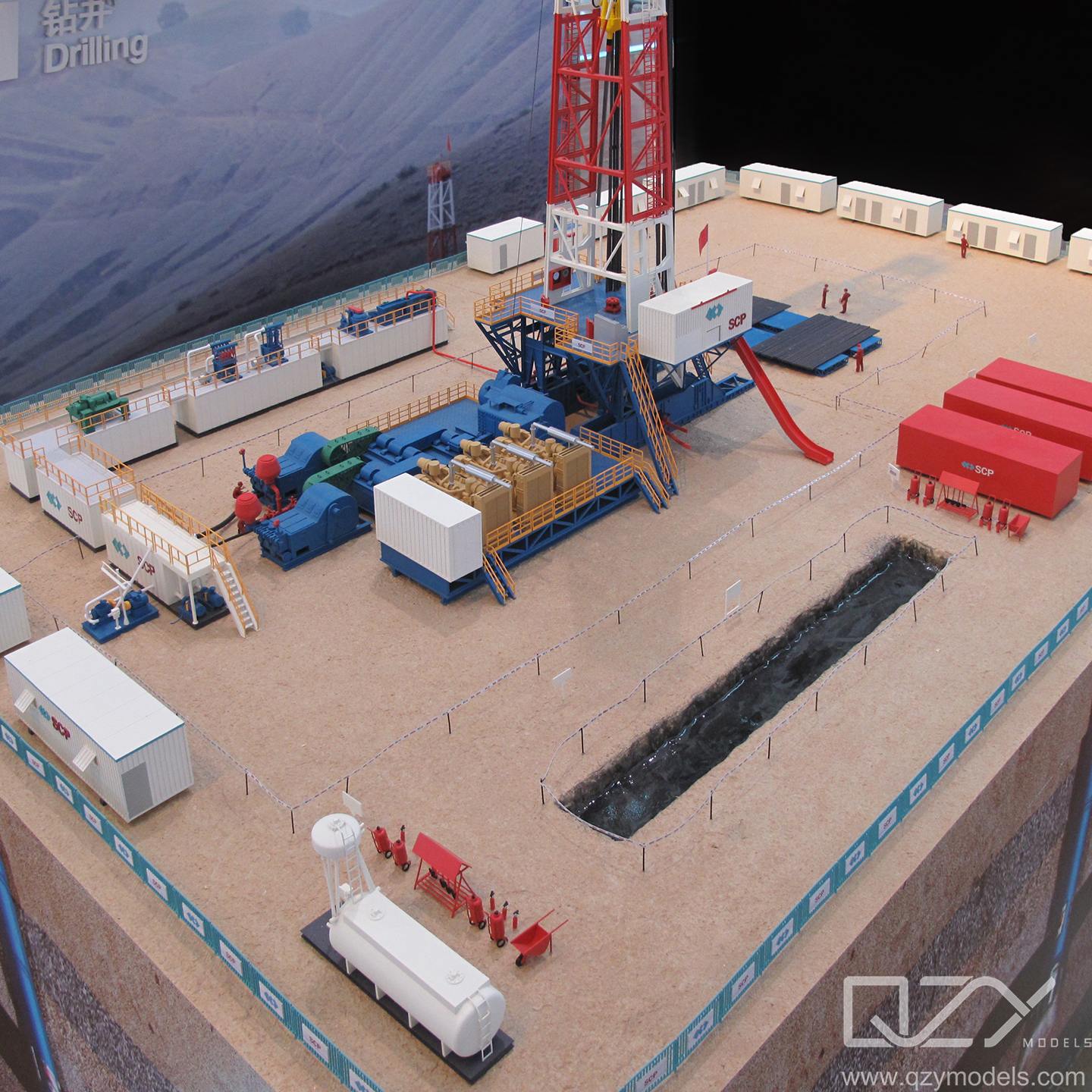
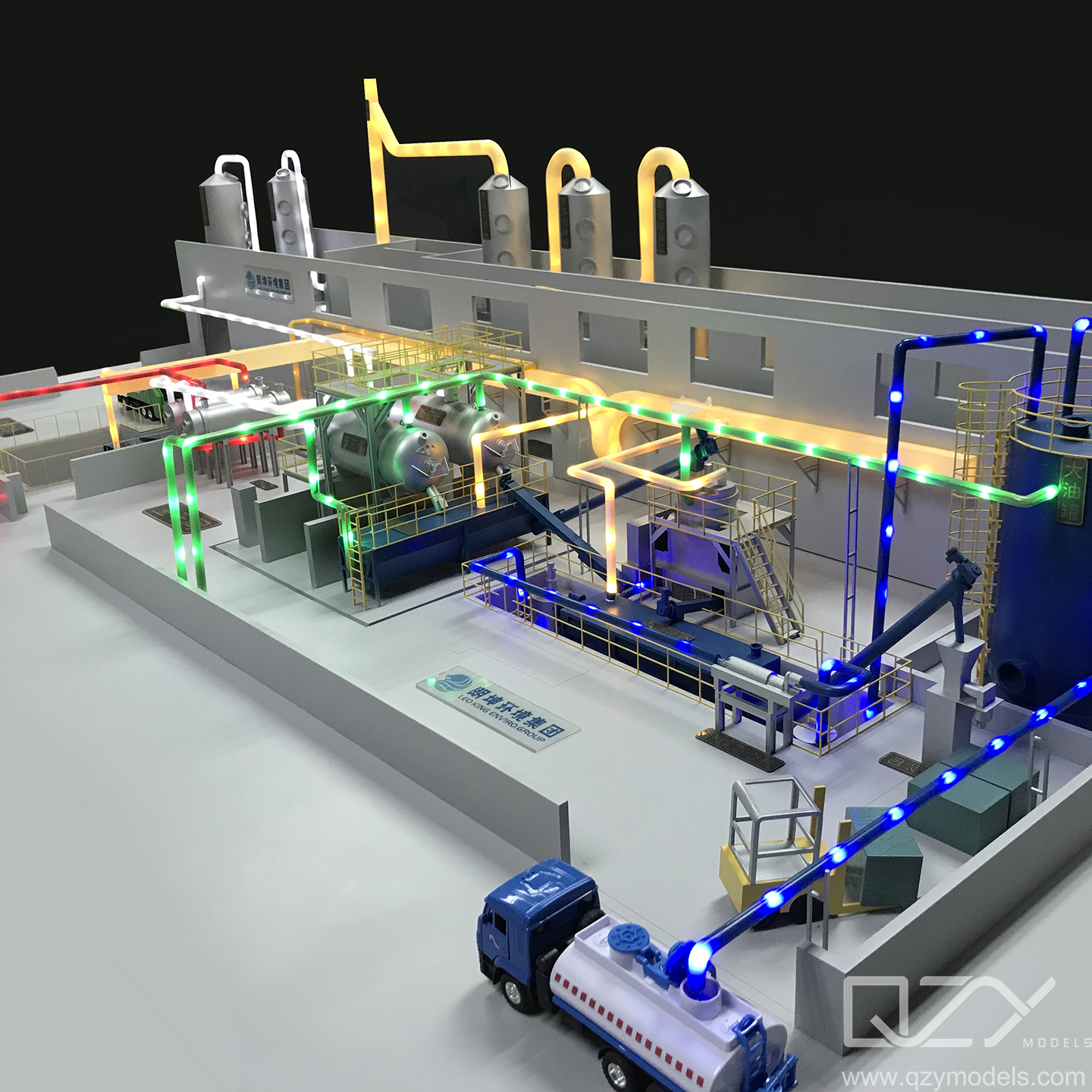
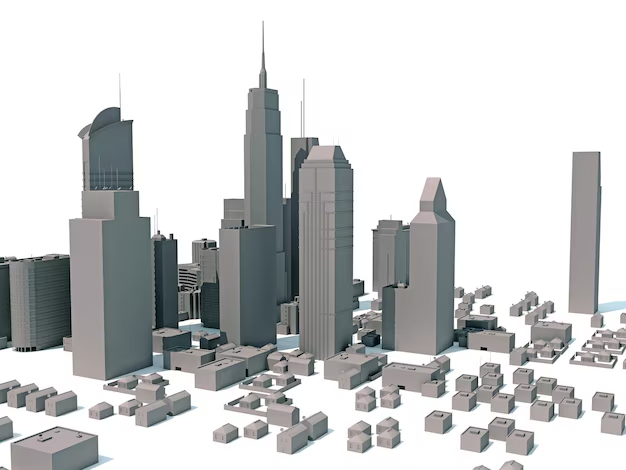
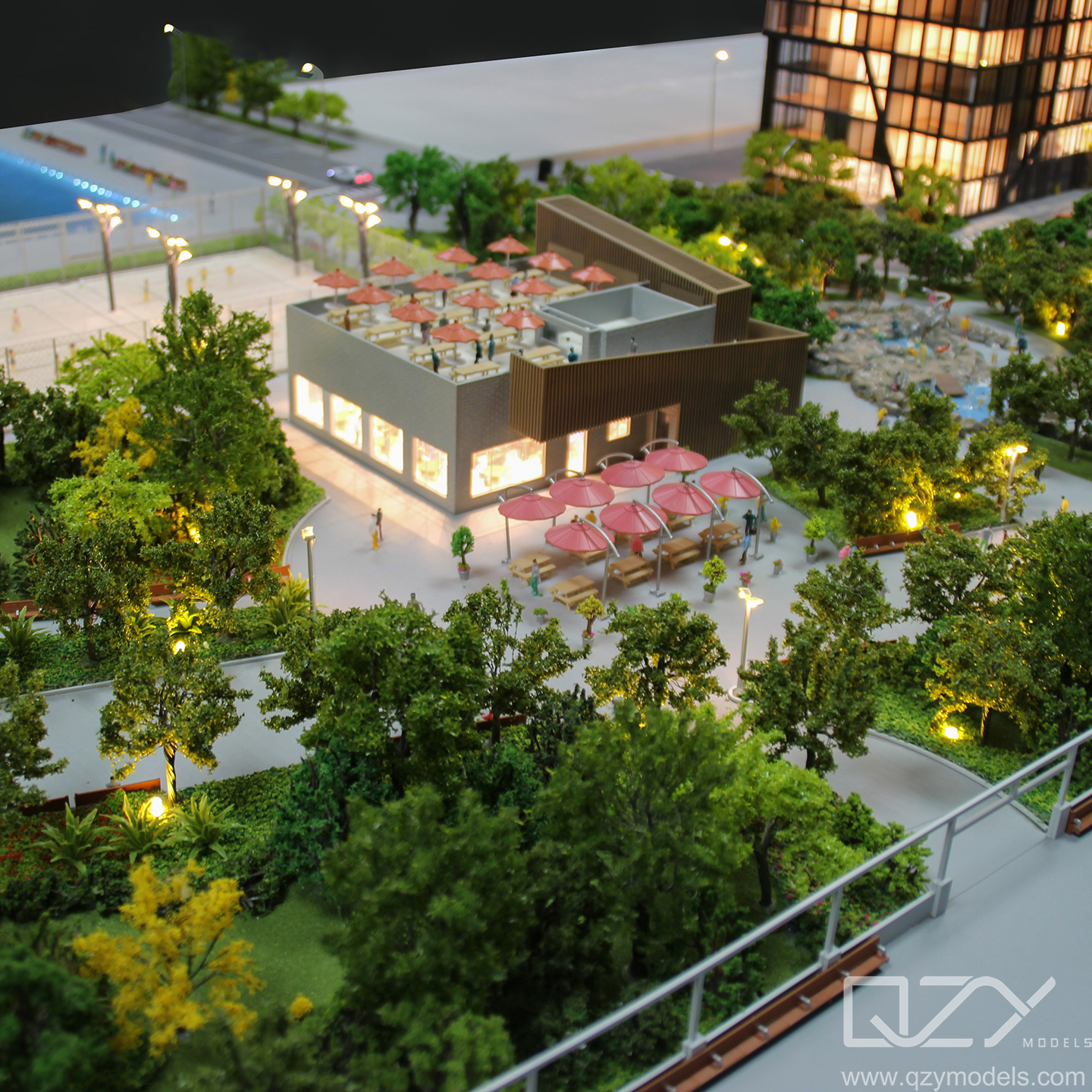
The architectural industry faces mounting pressure to deliver innovative designs amid rapid urbanization and complex client demands. Future architectural design models from providers like QZY Models offer precision-crafted physical representations that bridge digital concepts and real-world execution, enabling architects, developers, and planners to visualize, validate, and communicate ideas with unmatched clarity and impact.
What Is the Current State of the Architectural Modeling Industry?
Global construction output reached $12.7 trillion in 2024, yet 52% of projects face delays due to design miscommunications and visualization gaps, according to McKinsey & Company reports.
Physical models remain essential, but traditional methods struggle with scalability and speed in an era of mega-projects and sustainable urban developments.
QZY Models, with over 20 years of expertise since its founding in 2013 in Shenzhen, addresses these challenges through high-quality custom models served to clients in 20+ countries.
What Pain Points Are Architects Facing Today?
Design validation errors contribute to 30% of cost overruns, as digital renders often fail to convey scale, light, and material interactions accurately, per Dodge Data & Analytics findings.
Stakeholder buy-in remains elusive without tangible prototypes, leading to 40% rework rates in early project phases.
Rising material costs and labor shortages exacerbate delays, with 70% of firms reporting extended timelines for model production.
Why Do Traditional Architectural Modeling Solutions Fall Short?
Manual crafting dominates legacy approaches, relying on hand-cut materials and basic tools, which limits precision to ±2mm tolerances and extends lead times to 8-12 weeks.
These methods overlook advanced integration like LED lighting or dynamic elements, reducing model utility for client presentations.
In contrast, QZY Models employs hybrid techniques that cut production time by 50% while achieving sub-millimeter accuracy.
What Makes QZY Models the Ideal Solution for Future Designs?
QZY Models specializes in custom high-end architectural models using 3D printing, laser cutting, CNC machining, and innovative lighting to capture design essence.
Core capabilities include scalable production for urban masterplans, interior mockups, and landscape simulations, supporting clients like Foster + Partners and Vanke.
Their global branches in UAE, Saudi Arabia, and Egypt ensure seamless service for international projects, blending artistry with engineering for durable, presentation-ready outputs.
How Do QZY Models Compare to Traditional Methods?
| Feature | Traditional Methods | QZY Models Solution |
|---|---|---|
| Precision Tolerance | ±2mm | ±0.1mm |
| Production Time | 8-12 weeks | 4-6 weeks |
| Material Options | Wood, foam, acrylic (basic) | Composites, metals, illuminated glass |
| Cost per sqm (1:200 scale) | $150-250 | $100-180 |
| Customization Level | Standard forms | Dynamic lighting, modular elements |
| Durability | 1-2 years exhibition use | 5+ years with protective finishes |
What Is the Step-by-Step Process to Use QZY Models?
-
Initial Consultation: Submit digital files (CAD, Revit, SketchUp) and project specs via QZY’s online portal; receive a detailed quote within 48 hours.
-
Design Review: Collaborate on 3D previews and material samples to refine scale (e.g., 1:100 to 1:500) and features like LED integration.
-
Prototyping: QZY fabricates using CNC and 3D printing; digital renders and progress photos shared weekly.
-
Quality Check: Conduct virtual or on-site inspections with adjustments for light, texture, and assembly.
-
Delivery and Setup: Secure shipping worldwide with assembly guides; optional on-site installation for exhibitions.
Who Benefits from QZY Models in Real Scenarios?
Scenario 1: Architectural Firm Pitching a Skyscraper
Problem: Digital renders failed to convey tower silhouette against skyline, risking client rejection.
Traditional: Hand-built foam model took 10 weeks, missed deadline.
QZY Effect: Laser-cut acrylic model with internal LEDs delivered in 5 weeks, securing $50M contract.
Key Benefit: 30% faster approval cycle, 20% cost savings on revisions.
Scenario 2: Real Estate Developer Urban Planning
Problem: Stakeholders disputed green space integration in a 1,000-unit masterplan.
Traditional: Basic site model lacked terrain realism, caused redesign loops.
QZY Effect: 1:500 landscape model with topographic layers and vegetation clarified flows.
Key Benefit: Reduced planning revisions by 40%, accelerated zoning approval by 2 months.
Scenario 3: Government Urban Renewal Project
Problem: Public hearings needed clear visualization of heritage-integrated redesign.
Traditional: 2D boards ignored spatial impacts, sparking opposition.
QZY Effect: Illuminated sectional model highlighted preservation zones effectively.
Key Benefit: 25% higher public support, $2M saved in outreach efforts.
Scenario 4: Interior Design Exhibition
Problem: Luxury villa interiors required material-light interplay demo for investors.
Traditional: Flat mockups hid ambiance issues.
QZY Effect: 1:50 scale model with diffused lighting showcased textures dynamically.
Key Benefit: Investor commitment doubled, boosting project funding by 35%.
Why Must Architects Adopt Advanced Models Now?
Digital twins and AI design tools surge, with 65% of firms adopting by 2027 per Autodesk forecasts, but physical validation lags.
QZY Models positions projects ahead by merging tech with craftsmanship, ensuring compliance in sustainability-driven regulations.
Delayed adoption risks 15-20% efficiency losses as competitors leverage tangible proofs for faster market entry.
What Are Common Questions About Future Architectural Models?
How accurate are QZY Models’ physical representations?
QZY achieves ±0.1mm tolerances using CNC and 3D printing, surpassing industry standards for reliable pre-build validation.
What scales does QZY Models support?
Scales range from 1:50 for detailed interiors to 1:1000 for city masterplans, customized per project needs.
Can QZY Models handle international shipping?
Yes, with secure crating and tracking to 20+ countries, including Middle East and Europe branches for local support.
How long does QZY Models’ production take?
Standard projects complete in 4-6 weeks, with express options under 3 weeks for urgent bids.
What materials does QZY Models use for durability?
Options include acrylic, composites, metals, and UV-resistant finishes, ensuring 5+ years of exhibition quality.
Does QZY Models offer lighting and interactive features?
Yes, integrated LEDs, motors, and modular parts simulate day-night cycles and user flows.