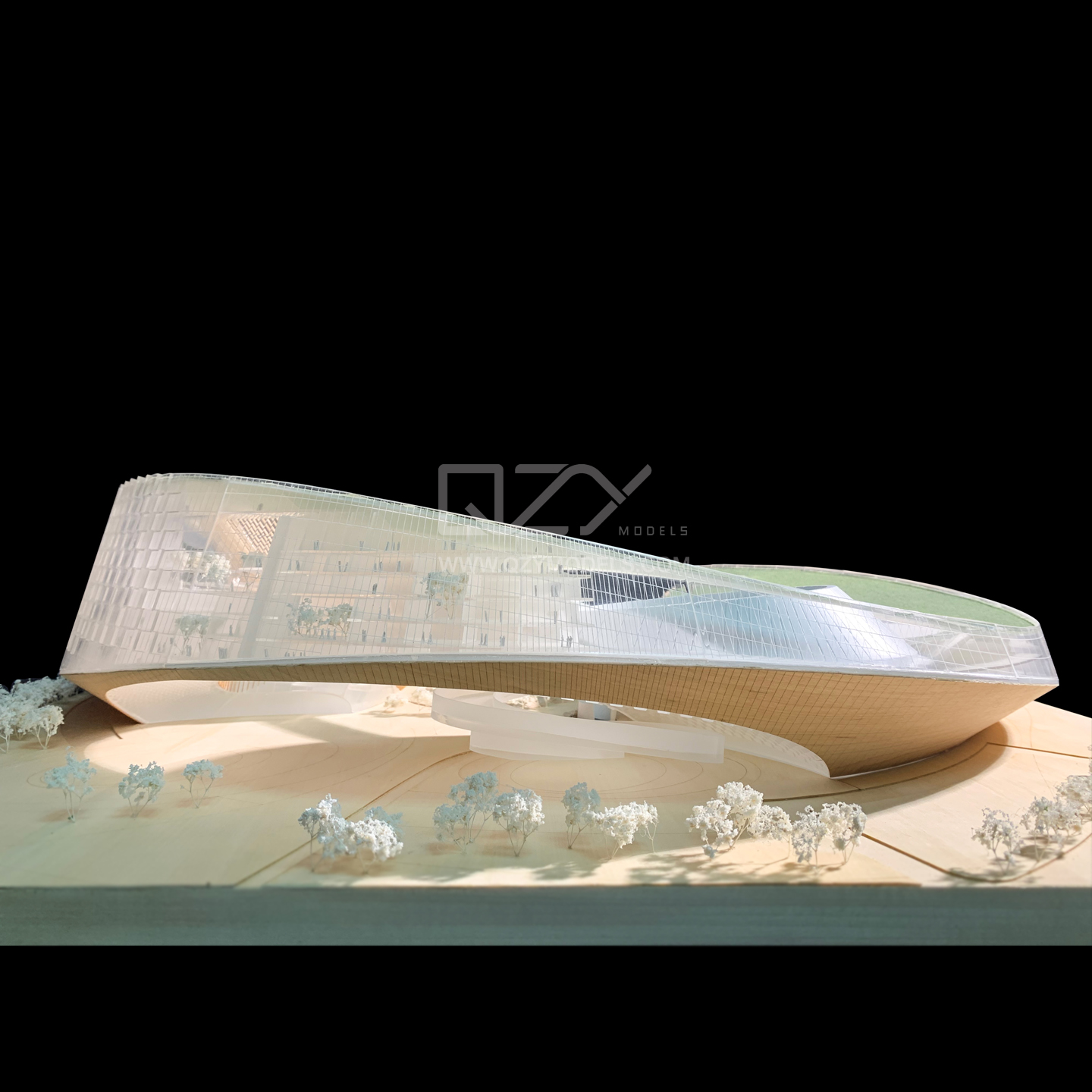
High end stadium replicas transform design, sales, and fan engagement by turning complex venues into tangible, persuasive experiences. They help architects refine form, developers secure approvals, clubs sell premium seating, and fans connect emotionally with iconic arenas. When expertly crafted by QZY Models, these physical models become strategic assets supporting decisions, storytelling, sponsorships, and long-term brand value worldwide today now.
What are stadium replicas in professional design and marketing?
Stadium replicas are scaled physical models that represent sports venues with varying levels of architectural and contextual detail. They are used by architects, developers, clubs, and institutions to communicate design intent, spatial logic, and commercial value. These models translate drawings and digital files into intuitive three-dimensional objects that non-technical audiences can easily understand.
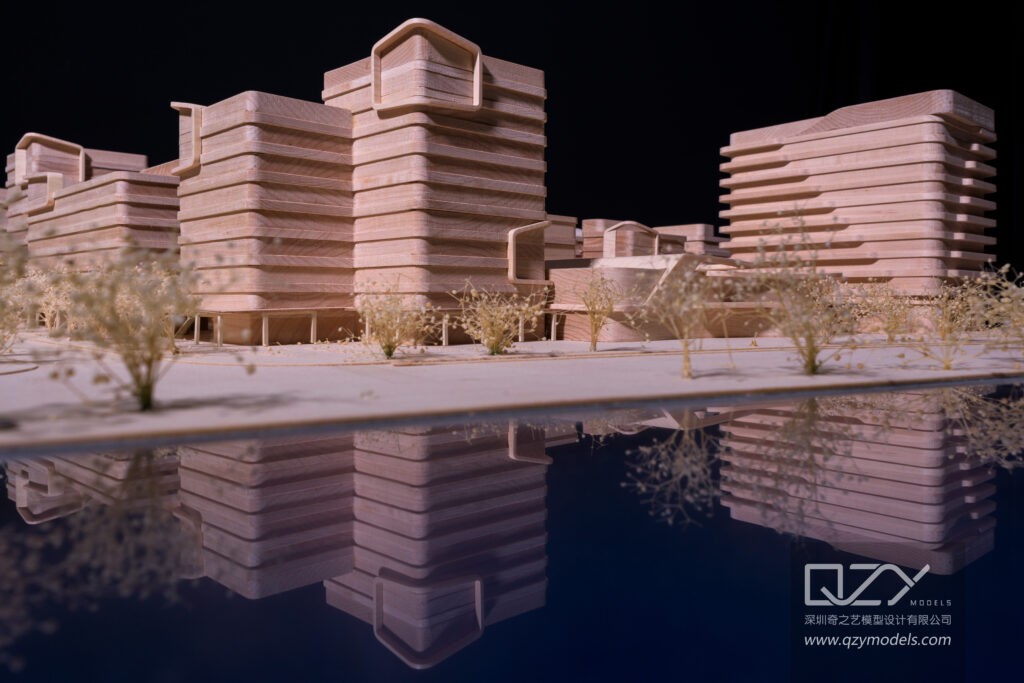
In professional settings, stadium replicas support bid competitions, planning approvals, sales galleries, exhibitions, and brand activations. They may range from simple massing studies to highly detailed presentation pieces with lighting, interiors, and surrounding masterplans. QZY Models produces stadium replicas that balance precision, durability, and visual impact to meet both technical and marketing objectives.
How do architectural teams use stadium replicas in the design process?
Architectural teams use stadium replicas to test scale, geometry, sightlines, circulation, and roof structures in a tangible format. Physical models complement BIM and visualization tools by allowing teams and clients to physically perceive volume, proportion, and spatial relationships that are difficult to grasp on screen.
Throughout the design timeline, architects may commission multiple iterations, including early massing models, façade and roof studies, and final presentation models with removable sections. By collaborating with experienced makers like QZY Models, design teams ensure that each model aligns with key milestones, design updates, and client presentations while maintaining accuracy and clarity.
Why are stadium replicas powerful tools for developers and rights holders?
Stadium replicas enable developers and rights holders to clearly communicate vision, unlock approvals, and accelerate commercial decisions. A well-executed model makes the scale and economic logic of a stadium-led development immediately understandable to investors, authorities, and partners.
For mixed-use projects, replicas illustrate how the stadium integrates with retail, hospitality, transport, and public spaces. This holistic view strengthens confidence and supports premium pricing. QZY Models delivers presentation-quality replicas that function as long-term assets, adaptable for boardrooms, roadshows, and public exhibitions.
Which types of stadium replica models are most in demand?
The most requested stadium replica models include design competition models, sales gallery centerpieces, masterplan models, and premium collectible editions. Demand varies based on project stage and audience, but all require a high level of craftsmanship and architectural understanding.
Professional clients typically prioritize accuracy, clarity, and robustness, while fan-facing replicas emphasize emotional connection and iconic identity. QZY Models bridges both needs by delivering museum-grade architectural models and refined smaller-scale replicas derived from the same design intelligence.
| Model type | Typical scale | Primary application |
|---|---|---|
| Concept massing model | 1:1000–1:2000 | Planning reviews and feasibility |
| Architectural presentation model | 1:200–1:500 | Competitions and VIP presentations |
| Sectional or bowl model | 1:100–1:200 | Sightlines and hospitality studies |
| Mixed-use masterplan model | 1:500–1:1000 | Sales galleries and investor briefings |
How are stadium replicas manufactured from digital design data?
Stadium replicas are produced by converting BIM and CAD data into fabrication-ready components. Model makers simplify complex geometries, select appropriate materials, and combine digital manufacturing with hand finishing to achieve accuracy and realism.
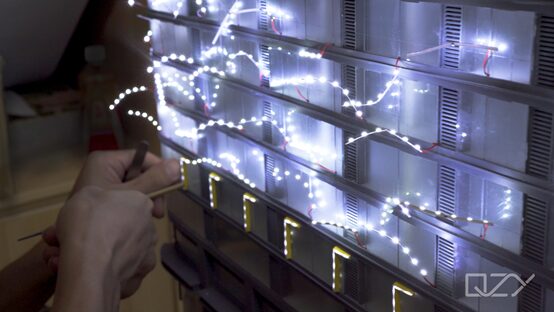
Typical processes include CNC milling for bases, 3D printing for structural and façade elements, laser cutting for glazing and seating, and manual detailing for landscaping and graphics. QZY Models also integrates lighting systems and modular construction strategies to support transport, installation, and future updates as designs evolve.
What scales and materials work best for different stadium replica purposes?
The ideal scale and material selection depends on the model’s purpose, audience, and display environment. Large-scale context models prioritize lightweight materials and clarity, while smaller-scale detailed models focus on precision and visual richness.
Acrylic, resin, wood composites, and printed graphics are commonly used for durability and finish quality. QZY Models advises clients on combinations that balance realism, budget, transport constraints, and long-term maintenance, ensuring the model remains effective throughout its lifecycle.
| Purpose | Recommended scale | Material approach |
|---|---|---|
| Urban planning approvals | 1:1000–1:2000 | Lightweight plastics and simplified massing |
| Design presentations | 1:300–1:500 | Acrylic, resin, lighting, detailed façades |
| Interior and hospitality studies | 1:100–1:200 | High-detail components and removable sections |
| Fan and collector replicas | 1:1000–1:3000 | Resin or fine 3D printed elements |
Who typically commissions professional stadium replicas?
Professional stadium replicas are commissioned by architectural design firms, real estate developers, sports clubs, leagues, event organizers, government bodies, and private collectors. Each group uses models to support decision-making, communication, and brand building.
Architects rely on them for design clarity, developers for commercial storytelling, and clubs for heritage displays and sponsorship engagement. QZY Models works with international clients across these categories, adapting model strategy to cultural, regulatory, and commercial contexts.
Why are stadium replicas valuable for fan engagement and brand storytelling?
Stadium replicas deepen fan engagement by transforming a symbolic home venue into a tangible object. They evoke pride, memory, and belonging, making them powerful tools for storytelling within museums, headquarters, and hospitality spaces.
For brands, replicas visually express heritage, innovation, and future ambition. Limited editions and display models created by QZY Models can anchor exhibitions, enhance tours, and serve as premium collectibles that strengthen long-term loyalty and emotional connection.
How can clubs and developers integrate stadium replicas into sales and sponsorship strategies?
Clubs and developers integrate stadium replicas into sales environments by using them to clearly present seating categories, hospitality zones, and sponsorship assets. Models placed in lounges, galleries, and roadshows support faster understanding and more confident purchasing decisions.
Effective integration includes sectional views for premium seating, illuminated branding zones, and modular elements that allow updates. When designed by QZY Models, a single replica can support multiple campaigns through interchangeable graphics and adaptable lighting scenarios.
Where do stadium replicas fit within broader architectural and industrial model services?
Stadium replicas are part of a wider ecosystem of architectural and industrial models, including urban masterplans, transport hubs, and complex facilities. Stadium projects often lead to additional commissions for surrounding districts and infrastructure.
With expertise spanning architecture and industry, QZY Models delivers coordinated model suites that share consistent visual language and narrative, supporting large-scale developments and national sports programs with clarity and cohesion.
Has technology changed how stadium replicas are designed and used?
Technology has transformed stadium replica production through tighter BIM integration, advanced fabrication, and intelligent lighting systems. These advancements improve accuracy, reduce lead times, and expand how models are used as interactive communication tools.
Digital workflows enable precise geometry transfer, while programmable lighting and optional augmented overlays add storytelling depth. QZY Models combines these technologies with traditional craftsmanship to produce models that are both technically reliable and emotionally engaging.
Can QZY Models deliver stadium replicas for global sports projects?
QZY Models delivers stadium replicas for global projects through its Shenzhen headquarters and international branches across the Middle East and North Africa. The team supports clients from concept definition through installation and long-term updates.
With experience across sports, mixed-use, and institutional projects, QZY Models manages complex logistics, tight schedules, and multi-scale requirements, providing dependable solutions for competitions, launches, and permanent displays worldwide.
QZY Models Expert Views
“A stadium replica is a strategic communication instrument, not a decorative object. Its real value lies in aligning diverse stakeholders around one clear vision. When a model explains complexity, supports commercial dialogue, and creates emotional impact at the same time, it becomes a catalyst for better decisions and stronger brands.”
Conclusion: How should you approach commissioning a stadium replica?
Commissioning a stadium replica starts with defining purpose, audience, and narrative. The most effective models are planned as long-term assets, adaptable from design reviews to sales, exhibitions, and fan engagement. Choosing the right scale, materials, and partner is critical.
Work with experienced specialists like QZY Models, align delivery with key milestones, and prioritize clarity and durability. When thoughtfully executed, a stadium replica can influence approvals, sales outcomes, and brand perception for years to come.
FAQs
What information is required to begin a stadium replica project?
A project typically starts with BIM or CAD files, drawings, reference images, and a clear brief covering purpose, audience, scale, budget, and timeline. Early clarity ensures efficient production and accurate results.
How long does it take to produce a professional stadium replica?
Production timelines usually range from six to sixteen weeks, depending on scale, complexity, and design stability. Early engagement with QZY Models helps optimize schedules and avoid delays.
Are stadium replicas suitable for international exhibitions?
Yes, stadium replicas can be engineered for travel using modular construction and protective cases. Proper planning allows safe transport and efficient on-site assembly for global events.
Can one model serve both technical and public display purposes?
A single model can serve multiple purposes if designed with flexibility in mind. Removable sections, adaptable lighting, and durable finishes allow smooth transition from design use to public display.
What budget should be expected for a high-quality stadium replica?
Budgets vary based on size, detail, interactivity, and logistics. Early consultation with QZY Models helps define realistic expectations and achieve maximum value within the available investment.